Phone:
+86 18631189888

Email:
liyanhui@bestcastings.cn

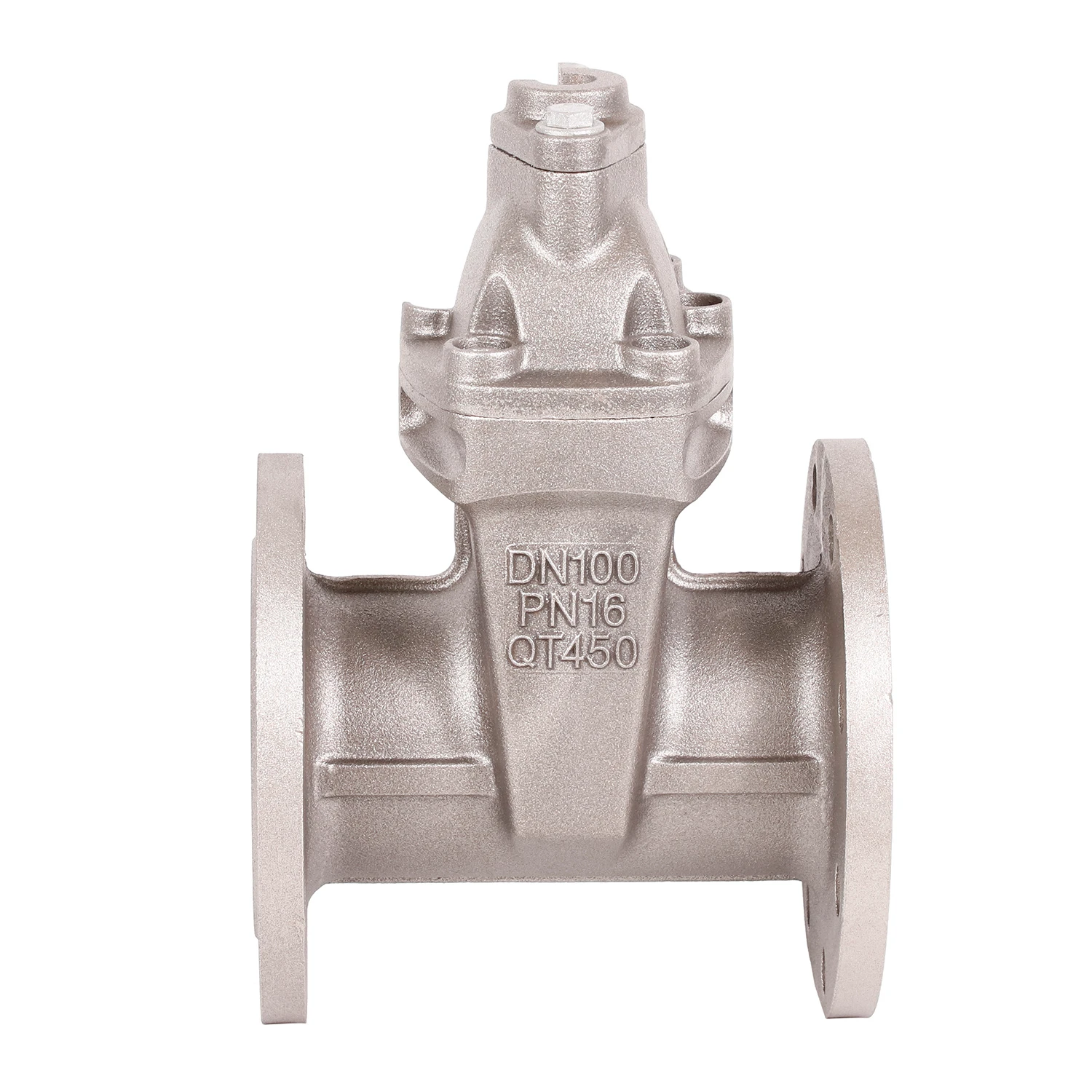
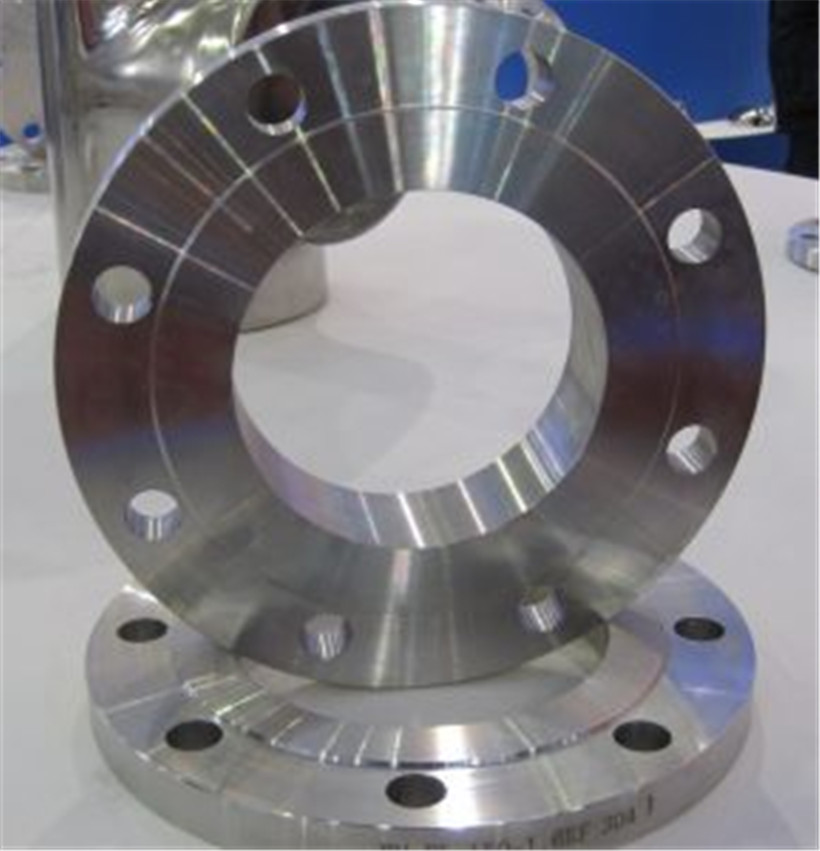
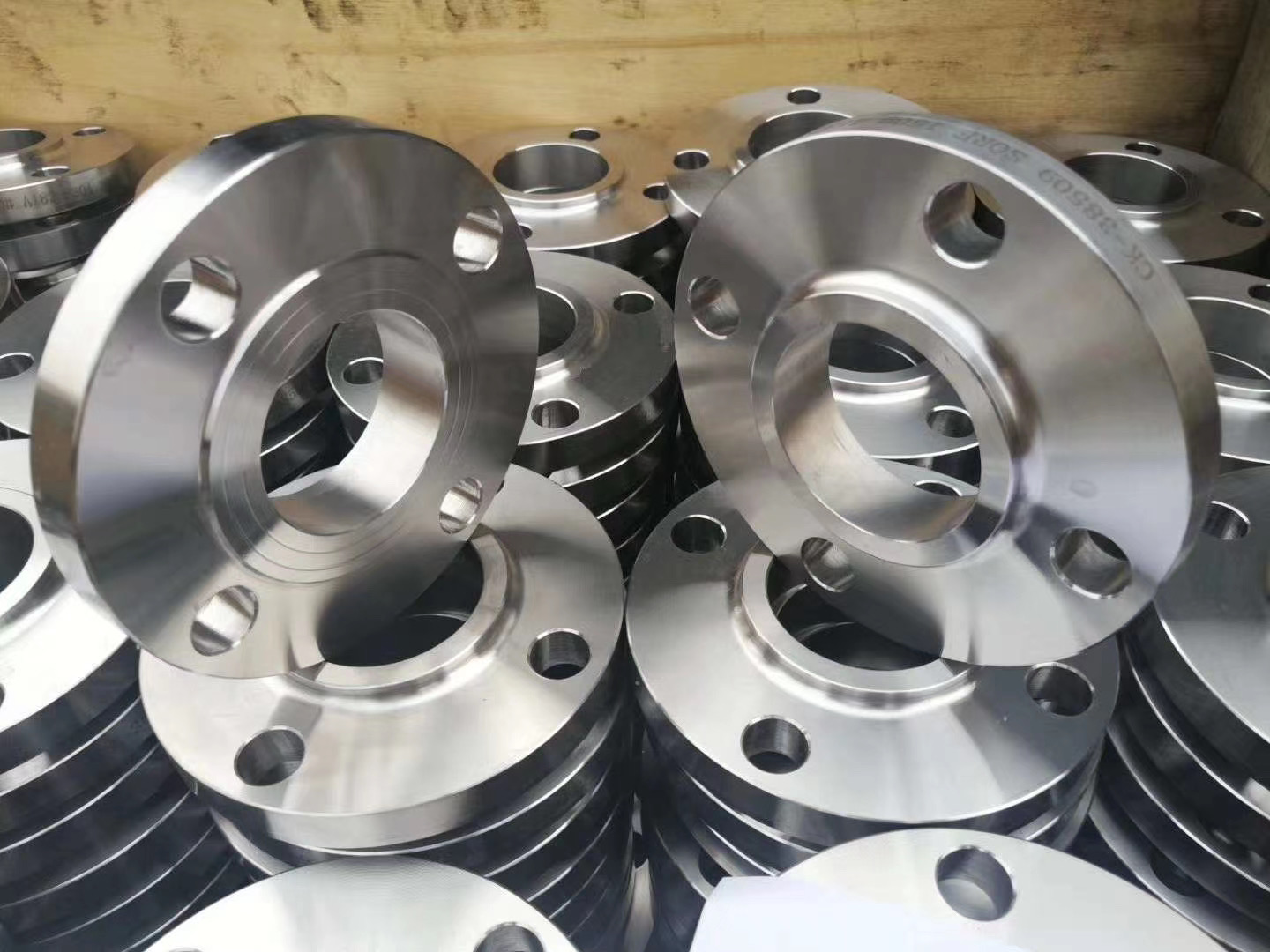
In industrial piping systems, stainless steel pipe fittings play an important role in creating secure and durable connections between pipes, valves, pumps, and other equipment. These components are frequently exposed to moisture, chemicals, high pressure, temperature fluctuations, and continuous mechanical stress, making material selection particularly important. Compared with conventional materials, stainless steel provides excellent corrosion resistance and mechanical strength, allowing stainless steel pipe fittings to perform reliably in demanding operating environments. From oil and gas facilities to chemical processing plants, food processing systems, marine installations, and water treatment equipment, properly manufactured pipe fittings can contribute to the safety and efficiency of complete piping networks.
Corrosion is one of the most common challenges affecting industrial piping systems. Pipes and connection components may come into contact with water, chemicals, salt, cleaning agents, or aggressive process fluids. Over time, unsuitable materials can suffer from surface degradation, leakage, or reduced mechanical performance.
Stainless steel pipe fittings are widely selected for these environments because stainless steel naturally forms a passive protective layer on its surface. This layer helps resist oxidation and corrosion under many operating conditions. Different stainless steel grades can provide different levels of corrosion resistance, allowing engineers to select materials according to the fluid, temperature, pressure, and surrounding environment.
For example, stainless steel pipe fittings can be used in chemical processing systems where resistance to various chemical substances is important. They are also suitable for marine and coastal installations where exposure to moisture and salt can accelerate corrosion of ordinary steel components.
In addition to corrosion resistance, industrial piping connections often need to withstand significant internal pressure and mechanical loads. Stainless steel pipe fittings can provide the strength and dimensional stability required for many high-pressure applications when the appropriate grade, design, and manufacturing process are selected.
Elbows, tees, reducers, couplings, and other fittings must maintain secure connections while allowing piping systems to change direction, branch, or transition between different pipe sizes. Their performance depends not only on the stainless steel material but also on manufacturing accuracy and wall thickness.
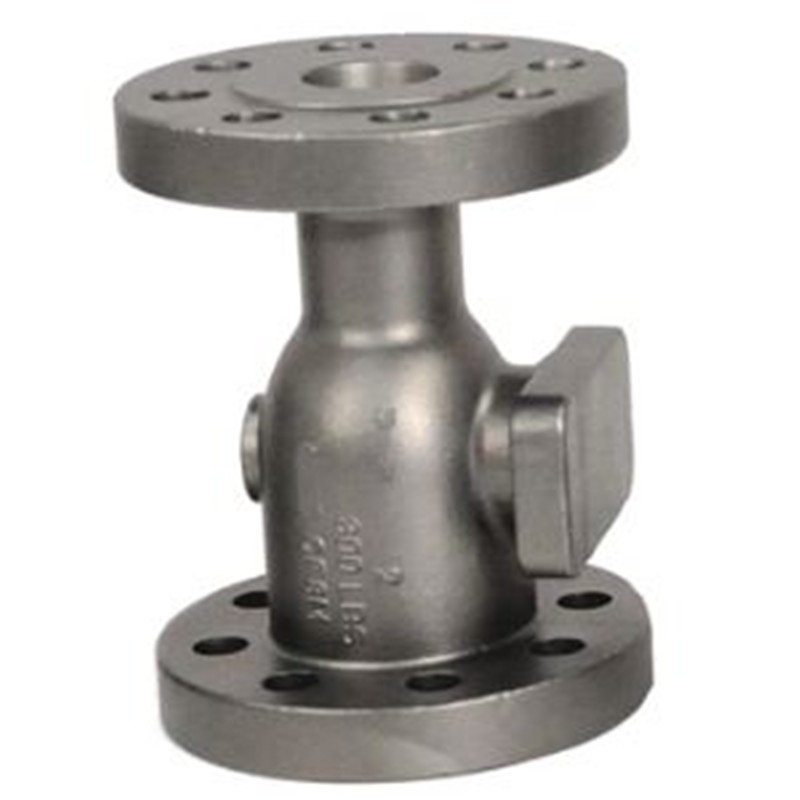
For applications involving high pressure or severe operating conditions, steel forging pipe fittings can offer an additional manufacturing option. Forging forms the metal under controlled pressure, producing components with a dense and robust structure. Forged fittings are commonly considered for demanding piping applications where strength and resistance to mechanical stress are important.
Manufacturing technology has a direct influence on the reliability of industrial components. While different casting and forming processes can be used to produce pipe fittings, forging is particularly valuable for applications requiring high mechanical strength.
steel pipe fittings are produced by shaping heated metal under pressure rather than relying solely on molten metal filling a mold. This process can improve the structural integrity of the finished component and provide favorable mechanical properties. Forged fittings are therefore often used in systems involving high pressure, temperature, or demanding mechanical conditions.
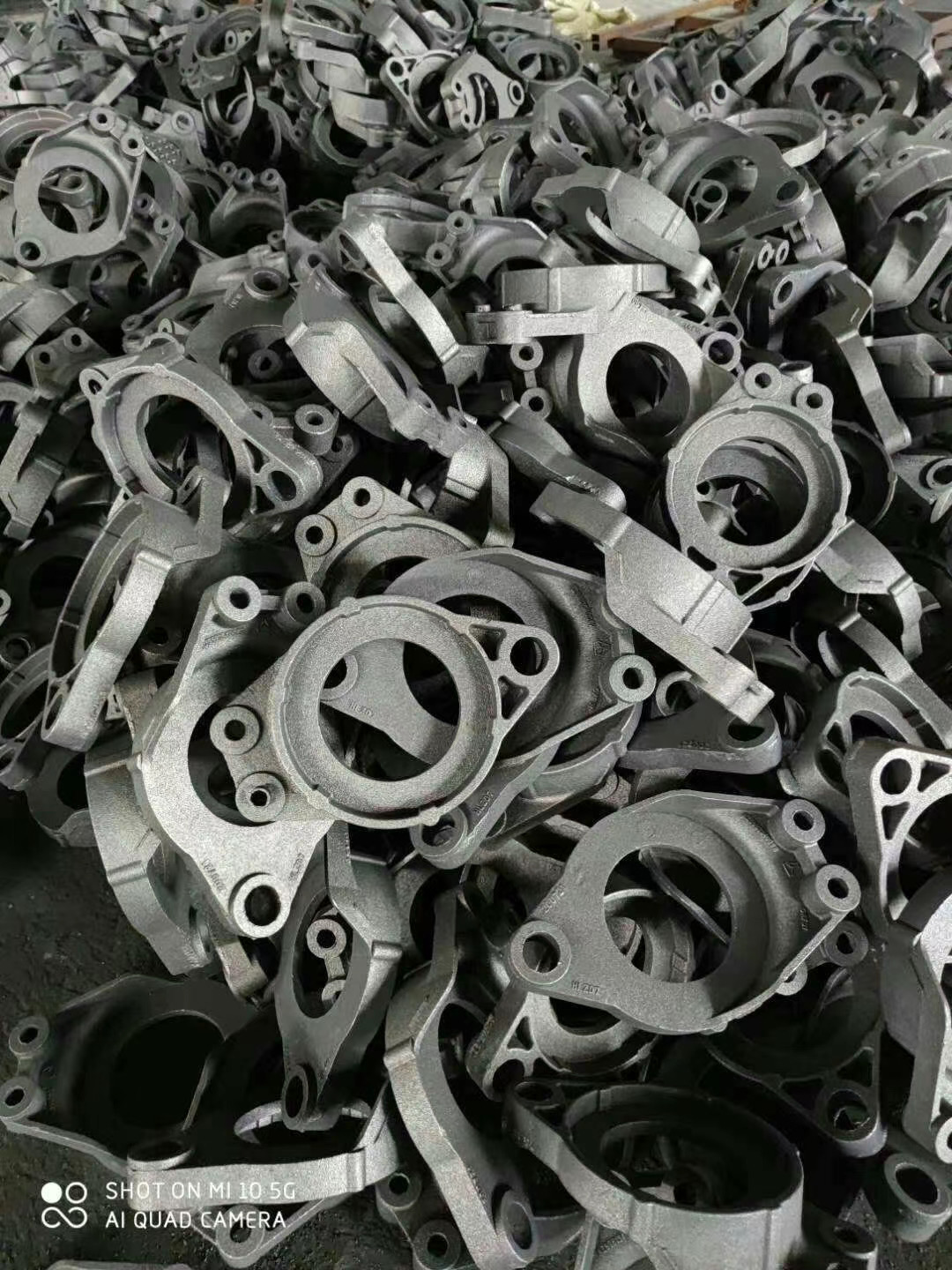
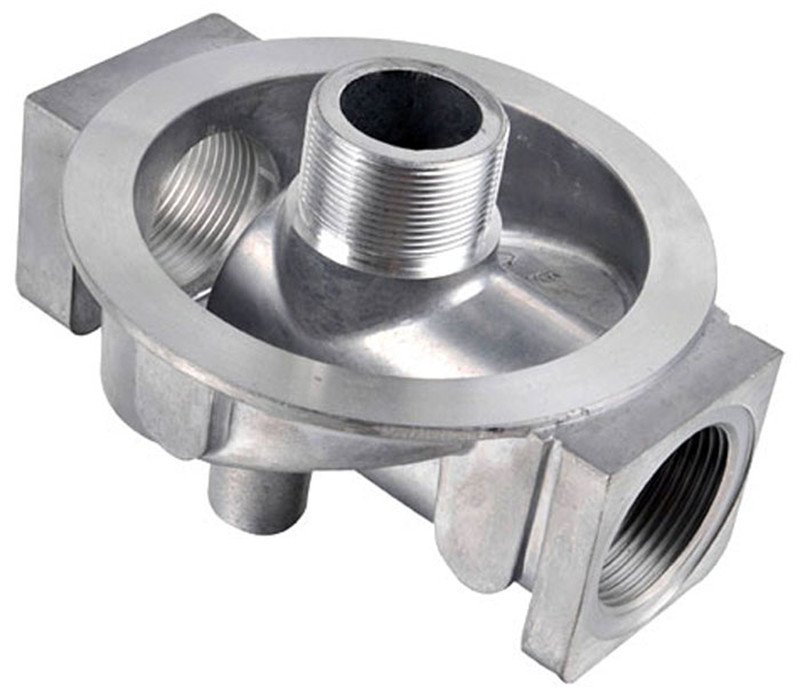
After forging, machining processes can be applied to critical areas such as threads, connection surfaces, and internal passages. Accurate machining ensures that fittings can be properly assembled with pipes and other components. For customers requiring customized stainless steel pipe fittings, combining forging with precision machining can provide an effective solution for producing components according to specific drawings and dimensional requirements.

The versatility of stainless steel pipe fittings makes them suitable for a wide range of industries. In oil and gas facilities, fittings are used to connect piping sections and support fluid transportation systems exposed to pressure and potentially corrosive substances. Their corrosion resistance and mechanical properties make stainless steel a practical material for many processing and transportation applications.
Chemical processing is another important field. Production facilities often handle aggressive liquids and gases, requiring piping components with suitable corrosion resistance. Properly selected pipe fittings can help maintain reliable connections throughout processing equipment.
In food and beverage production, stainless steel fittings are valued for their corrosion resistance, cleanable surfaces, and compatibility with hygienic processing environments. They can be incorporated into pipelines used for water, liquid ingredients, cleaning systems, and other process fluids.
Water treatment, pharmaceutical manufacturing, marine engineering, and industrial equipment are also important application areas. In each case, the fitting material and manufacturing method should be selected according to actual operating conditions rather than relying solely on general product specifications.
Selecting stainless steel pipe fittings requires consideration of several technical factors. The first is the operating environment. Buyers should understand what type of fluid will pass through the system and whether the fittings will be exposed to chemicals, salt water, humidity, or other corrosive substances.
Pressure and temperature requirements are equally important. A fitting used in a high-pressure steam or industrial process system may require different material and manufacturing specifications from a fitting used in a low-pressure water installation. Pipe diameter, connection type, wall thickness, and dimensional standards should also be confirmed before production.
For customized projects, technical drawings are particularly useful. Professional suppliers can review drawings and recommend suitable manufacturing processes, whether the project requires standard pipe fittings, precision-machined components, or steel forging pipe fittings.
Surface treatment and inspection should also be considered when purchasing fittings for long-term industrial use. Appropriate quality control can help ensure dimensional accuracy, surface quality, material consistency, and reliable assembly.
For international buyers, selecting experienced pipe fittings manufacturers in China can provide access to flexible production capabilities and competitive manufacturing costs. China has an extensive industrial supply chain covering raw materials, forging, casting, CNC machining, heat treatment, surface finishing, inspection, and export logistics.
An experienced supplier should be able to coordinate these processes according to customer drawings and technical specifications. This is especially important for customized stainless steel pipe fittings, where material grade, dimensions, connection standards, and inspection requirements can vary between projects.
Professional pipe fittings manufacturers in China can also support both standard and customized orders. For large industrial projects, suppliers with established manufacturing networks may provide greater flexibility in production capacity and delivery schedules. Strong quality management and international export experience further help reduce sourcing risks for overseas customers.
Hebei Mingda International Trading Company is a professional trading company specializing in castings, forgings, and machinery parts. Through deep business cooperation with manufacturers in major industrial cities across China, the company can provide flexible manufacturing solutions based on customers' drawings, material requirements, quality standards, quantities, and delivery schedules.
Its product range includes castings made from ductile iron, grey iron, brass, stainless steel, and aluminum, as well as machined castings and forged components. The company works with multiple production technologies, including resin sand casting, sand molding, hot core box processes, lost-wax casting, lost-foam casting, forging, and machining. This broad manufacturing network enables the company to support customized stainless steel pipe fittings and other industrial components.
With strict quality control, competitive pricing, professional export services, and reliable delivery capabilities, Hebei Mingda International Trading Company has developed long-term cooperation with customers in Germany, Sweden, the UK, Denmark, France, the USA, the Middle East, and other international markets. If you are looking for reliable pipe fittings manufacturers in China for standard or customized requirements, our team can help coordinate the appropriate material, forging or machining process, inspection requirements, and delivery solution. Contact Hebei Mingda International Trading Company today and send us your drawings or specifications to receive a professional quotation for your next stainless steel pipe fittings project.