Phone:
+86 18631189888

Email:
liyanhui@bestcastings.cn


At first glance, an aluminum flange might not sound like a headline-maker, but this simple component quietly supports some of the world's most vital infrastructure — from aerospace to water treatment. Understanding aluminum flanges means appreciating a small but crucial part that helps industries connect pipes and machinery reliably, efficiently, and sustainably. In a world increasingly focused on lightweight, corrosion-resistant materials, aluminum flanges stand at the intersection of innovation and practical engineering.
Globally, the demand for lightweight and durable industrial components is soaring, driven in part by growth in sectors like renewable energy, aerospace, and advanced manufacturing. According to ISO standards and industry reports, aluminum alloys make up nearly 25% of all metal demand in sectors requiring high-performance materials. Flanges, as connectors, form about 15% of pipework components worldwide, making aluminum variants increasingly common since they reduce overall system weight and resist corrosion unlike steel or iron alternatives.
Why does that matter? Well, reducing weight in systems used in aircraft, ships, and even water infrastructure cuts fuel costs and carbon emissions. Aluminum flanges thus play a quiet but key role in sustainability efforts while providing reliable service in harsh environments. However, challenges in material strength and manufacturing precision still need addressing.
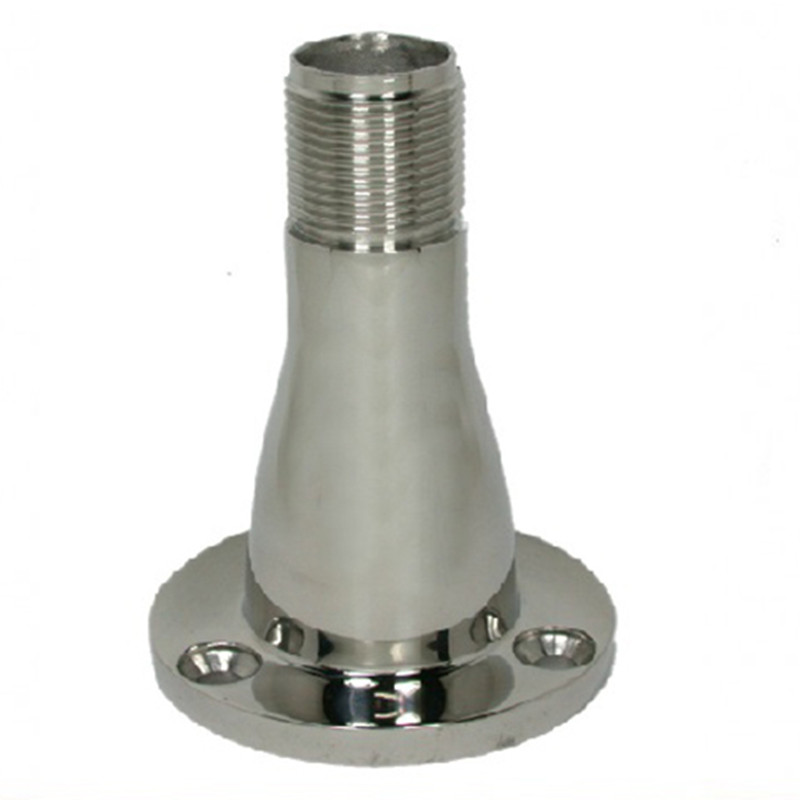
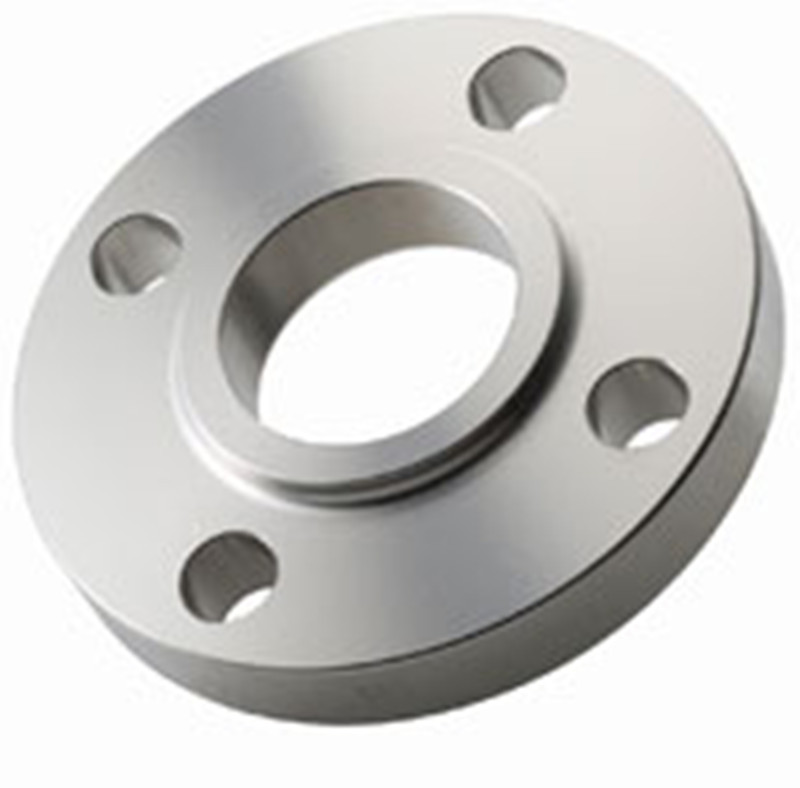
In simple terms, an aluminum flange is a flat rim or collar made from aluminum alloy, designed to join pipes, valves, or machinery parts together securely. Unlike steel flanges, aluminum options boast excellent corrosion resistance and lighter weight — a true blessing where heavy metals are undesirable. Beyond industrial uses, aluminum flanges also support humanitarian efforts, like deployable clean water systems, where durability meets rapid setup needs.
Aluminum's natural oxide layer protects against rust, making it ideal in marine or chemical environments. This means fewer replacements and maintenance downtime, which, frankly, saves headaches and money over time.
Compared to steel or cast iron, aluminum weighs almost a third — a crucial factor in aerospace or mobile machinery where every kilogram counts.
While raw aluminum may be pricier than steel initially, reduced transport costs and longer lifespan make aluminum flanges more cost-effective in the long run.
This can be an advantage in specific applications, such as cooling systems or electrical conduits, where heat dissipation matters.
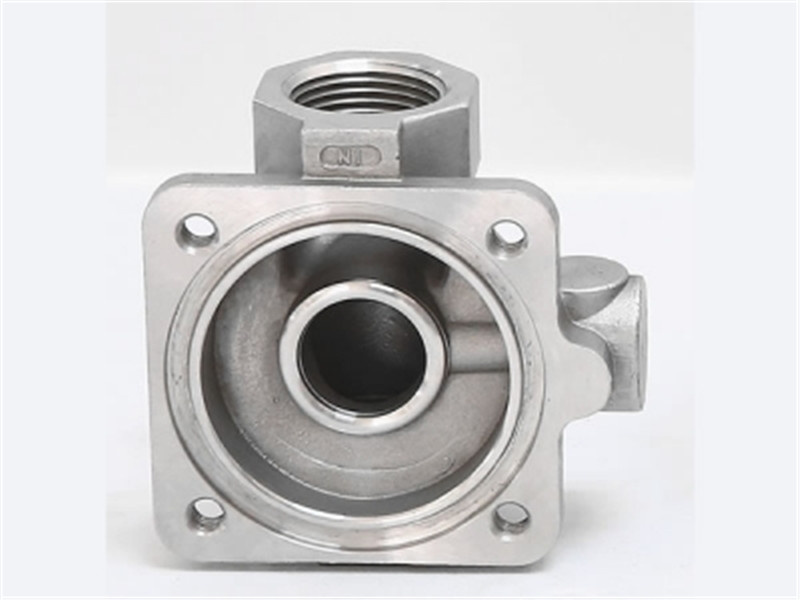
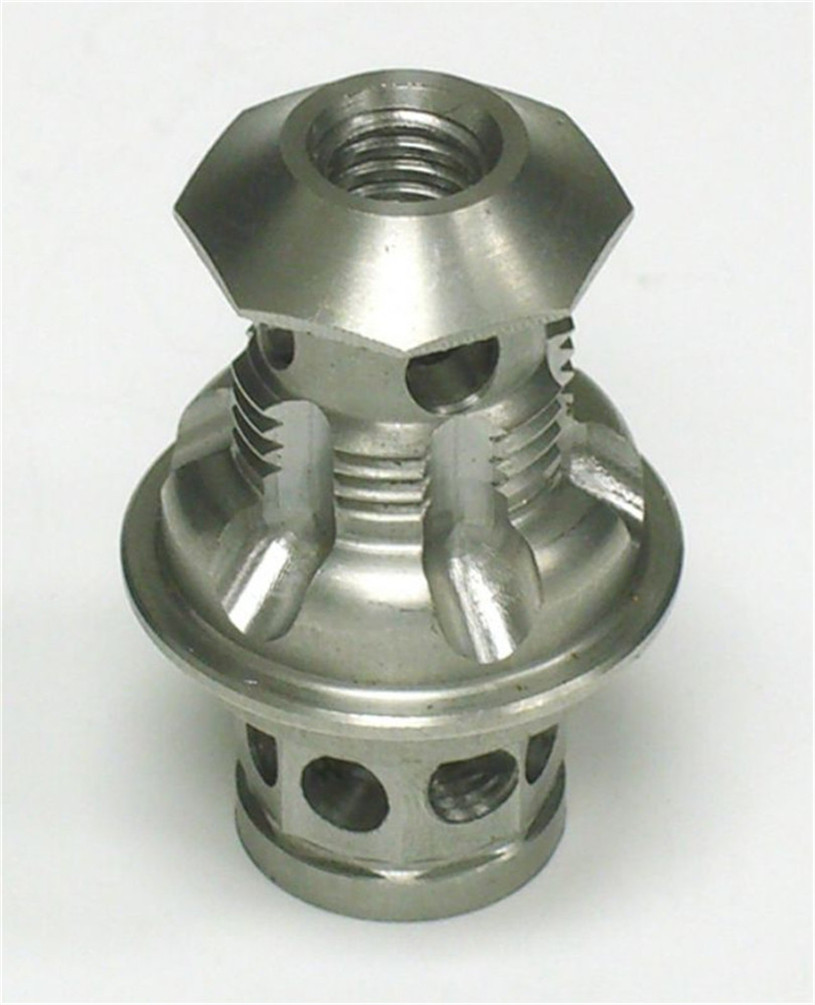
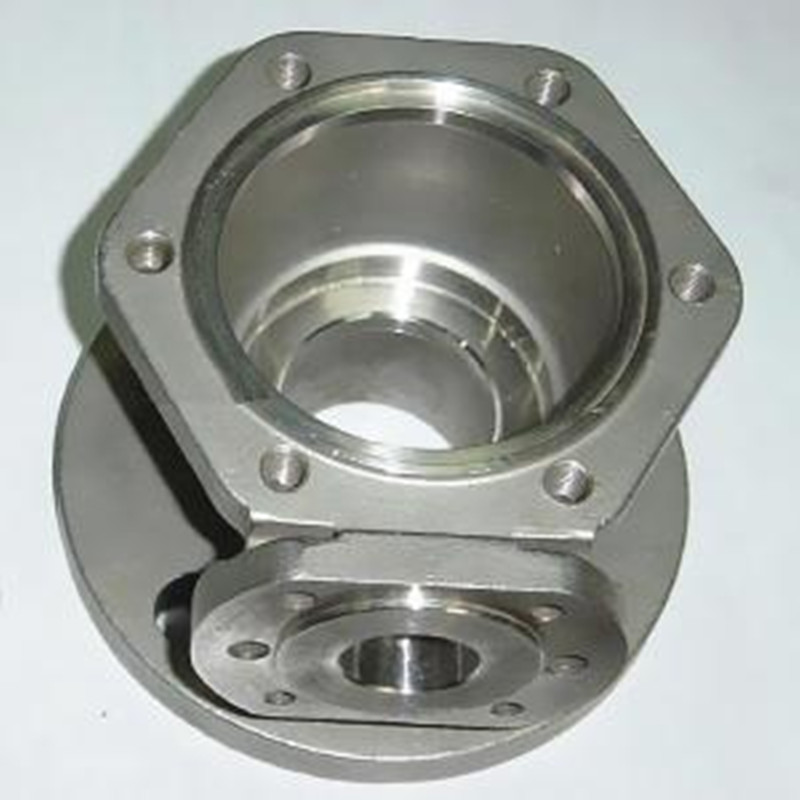
Manufacturers, like Mingda Metals, can custom-make aluminum flanges to tight tolerances using CNC machining, ensuring better fit and performance tailored to client needs.
This component might sound simple, but aluminum flanges are everywhere. In the aerospace industry, they're part of fuel lines and hydraulic systems. In the oil and gas sector, they offer corrosion resistance in offshore rigs. And in emerging renewable energy installations — wind turbines, for instance — lightweight aluminum flanges help reduce total system weight, enhancing efficiency.
Humanitarian organizations also use aluminium flanges to connect modular pipe systems in remote water purification projects, especially in flood-hit regions where rapid deployment is necessary. In eastern Africa, NGOs have reported increased resilience of their water systems since switching to aluminum parts, which don’t corrode like traditional steel, meaning fewer supply delays and safer drinking water for communities. Oddly enough, the reliability of a modest aluminum flange can even impact public health.
| Specification | Details |
|---|---|
| Material | 6061-T6 Aluminum Alloy |
| Dimensions | 2” to 24” nominal pipe size (NPS) |
| Pressure Rating | Class 150 to Class 600 |
| Finish | Anodized or mill finish options |
| Bolt Holes | Typically 4 to 24, per flange size |
| Standards | ANSI B16.5, ISO 9001 Certified |
Imagine you’re managing a shipyard or building modular water treatment units. Aluminum flanges save weight, resist saltwater corrosion, and stand up to chemicals — that translates into major cost savings and system reliability. Not to mention, they help reduce environmental impacts through easier recycling and lifespan extension.
There’s also an emotional component — system operators often report greater peace of mind, knowing these connectors won’t unexpectedly fail mid-operation, endangering people or the environment. It’s one of those “silent trust” parts. The innovation angle: manufacturers continue refining alloys and machining techniques, pushing performance higher without weight penalties.
| Supplier | Material Grade | Lead Time | Customization Options | Certifications |
|---|---|---|---|---|
| Mingda Metals | 6061-T6, 7075 | 2–4 weeks | CNC machining, anodizing, sizes up to 36” | ISO 9001, RoHS |
| Alpha Flange Ltd. | 6063-T5 | 4–6 weeks | Standard sizes only, anodized | API Certified |
| Global Metals Co. | 6061-T6 | 3 weeks | Limited custom options | ISO 14001 |
Green energy and sustainability trends will continue shaping flange design. Companies are experimenting with hybrid alloys to enhance strength without sacrificing weight. Digital tools, like 3D scanning and additive manufacturing, promise even faster, more precise production.
Also, as automation and Industry 4.0 advance, flanges will integrate sensors to monitor stress or corrosion in real-time — imagine smart connections that "tell" you when to replace them. It feels almost sci-fi, but the groundwork is already laid.
One issue with aluminum flanges is balancing strength with corrosion resistance — certain harsh chemicals can still degrade aluminum alloys. Also, welding aluminum requires skill and proper equipment to avoid weak joints.
Innovative surface treatments and quality control protocols help address these problems. Some vendors now offer fully anodized or coated flanges tailored for acids or saltwater, expanding use cases. In real terms, strict supplier audits and third-party certifications ensure reliability.
Aluminum flanges may be small in size, but their global impact is anything but. From boosting sustainability in industrial pipelines to ensuring reliable humanitarian aid, these connectors embody innovation and resilience. Whether you’re an engineer weighing options or a project manager chasing uptime, understanding this component helps make smarter choices. Curious to learn more or request a quote? Visit https://www.mingdametals.com and see what advanced aluminum flange solutions await.