Phone:
+86 18631189888

Email:
liyanhui@bestcastings.cn


Stainless steel precision casting is an effective manufacturing option for producing metal components with complex shapes, detailed structures and specific dimensional requirements. For industrial buyers, choosing the right casting supplier involves more than finding a manufacturer capable of producing a certain part. Material selection, product design, manufacturing coordination, quality requirements and delivery schedules all need to be considered.
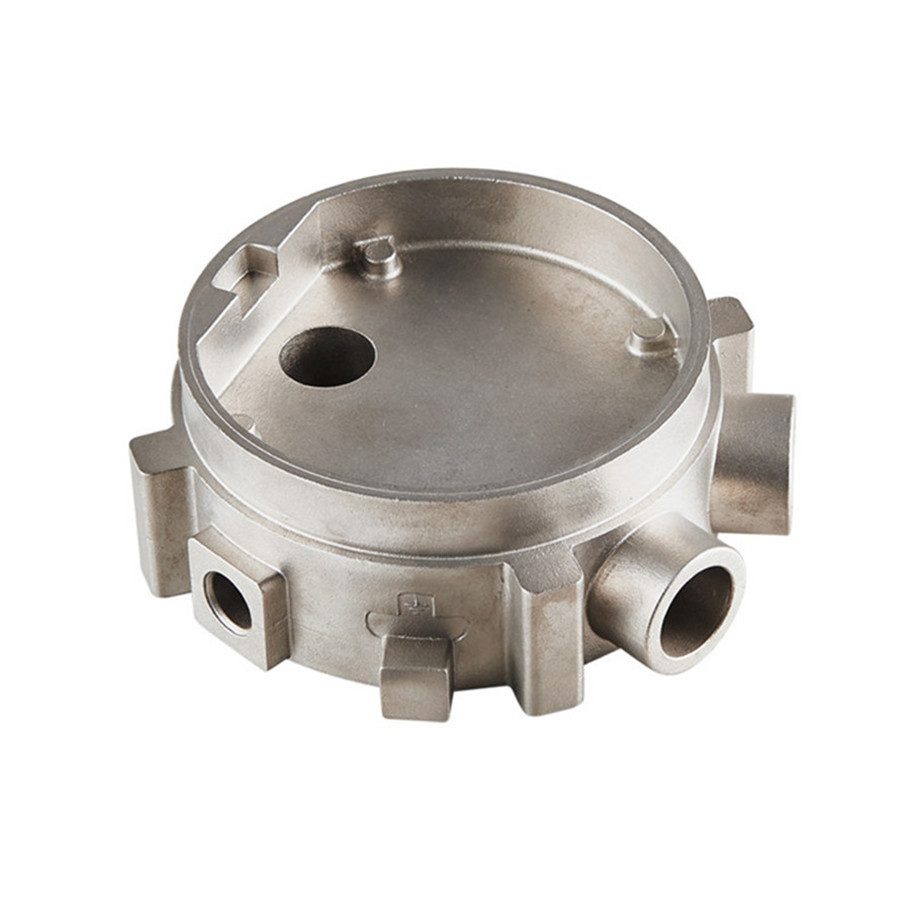
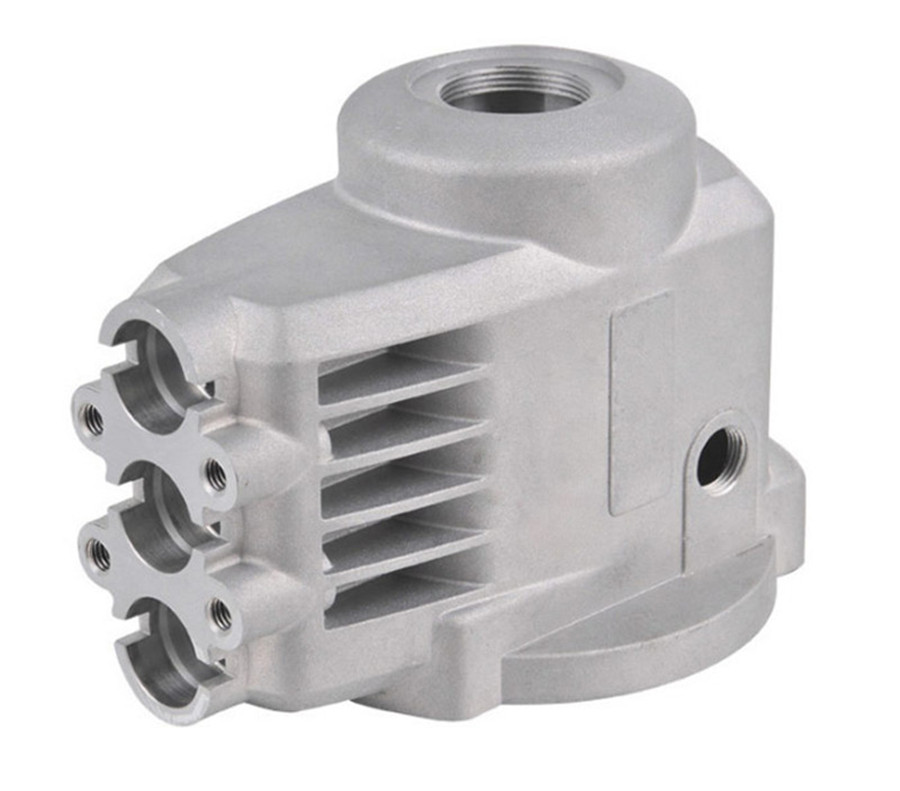
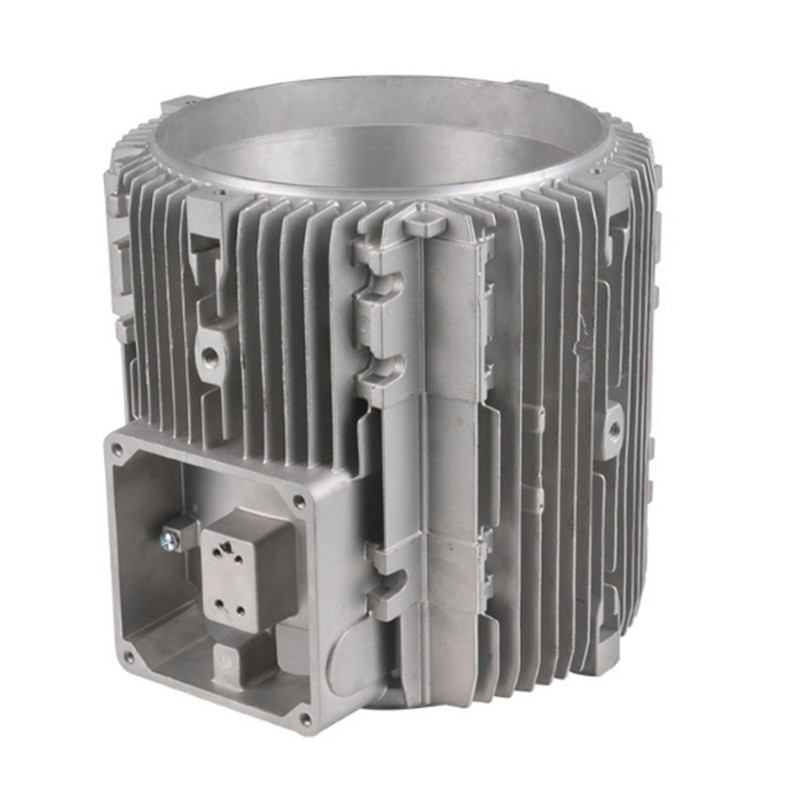
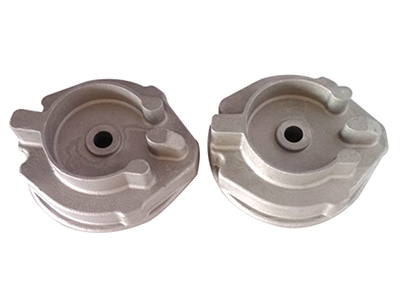
Custom stainless steel precision casting products are widely considered for projects that require customized component dimensions, specific mechanical properties and corrosion resistance. By working with an experienced casting supplier, buyers can develop components according to their drawings, samples and application requirements.
Hebei Mingda International Trading Company specializes in castings, forgings and machinery parts. Through close business relationships with manufacturers in major cities across China, the company provides flexible sourcing and production coordination to help customers find suitable manufacturing solutions for different casting requirements.

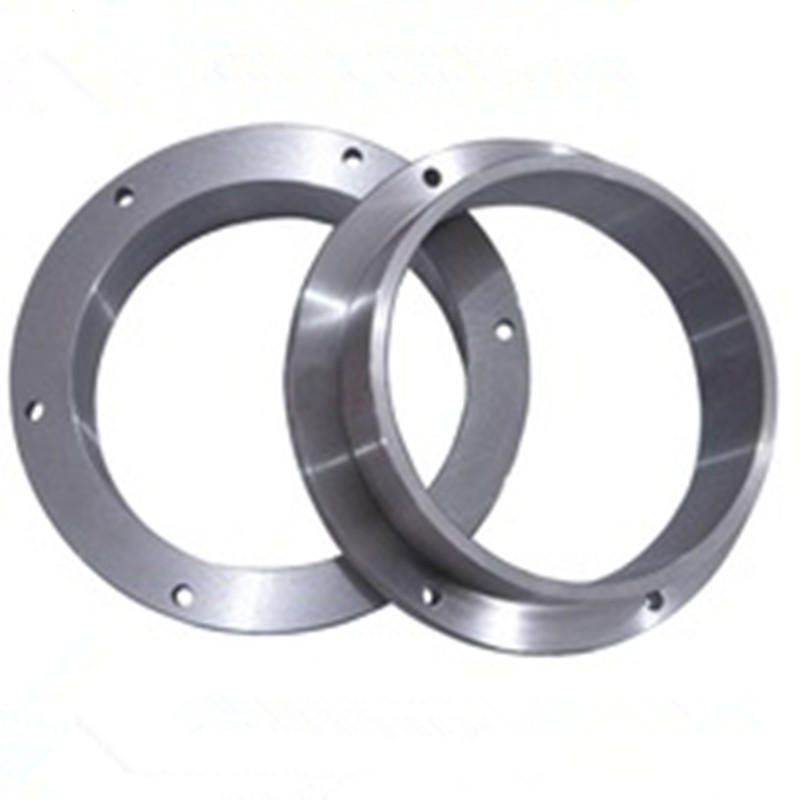
Precision casting, commonly associated with investment casting, is a manufacturing process used to produce metal components with relatively complex geometries and detailed features. It allows manufacturers to create parts that may be difficult or less economical to produce through conventional machining alone.
When stainless steel is selected as the casting material, the finished components can offer useful characteristics such as corrosion resistance, strength and durability, depending on the selected grade and production conditions.
Custom stainless steel precision casting products can be developed in different shapes and specifications according to the intended application. Buyers may provide technical drawings, 3D models or physical samples to communicate their requirements.
Typical customization considerations include:
A clear understanding of these factors helps establish a practical production plan before manufacturing begins.
Material selection plays an important role in the performance and service life of industrial components. Stainless steel is used in various manufacturing applications because of its combination of corrosion resistance, mechanical properties and processing flexibility.
Corrosion Resistance
Stainless steel contains chromium, which helps form a protective passive layer on its surface. This characteristic makes many stainless steel grades suitable for environments where resistance to moisture and certain corrosive substances is important. The actual corrosion performance depends on the grade and working environment.
Mechanical Strength and Durability
Different stainless steel grades provide different strength and mechanical characteristics. Depending on the application, buyers can select materials that meet the required load, operating temperature and service conditions.
Complex Component Manufacturing
Precision casting supports the production of components with complex geometries and integrated structural features. This can help reduce the need for multiple individual parts and simplify certain manufacturing processes.
Wide Application Potential
Stainless steel castings can be considered for machinery, industrial equipment, fluid-handling systems and other applications where material performance and component geometry are important.
The appropriate material and casting process should always be determined according to the actual technical requirements rather than relying on a general material description.
A successful custom casting project begins with effective communication. Different customers may have different expectations regarding component dimensions, material grades, surface conditions and delivery schedules. Organizing these requirements early helps reduce misunderstandings during production.
Step 1: Requirement and Drawing Review
The first step is to collect the customer's product drawings, 3D files or samples. Important details such as material specifications, dimensions, tolerances and intended applications should be reviewed.
If some requirements are unclear, further communication can help confirm the technical details before production arrangements are made.
Step 2: Material and Manufacturing Evaluation
After understanding the product requirements, the next step is to evaluate the proposed material and manufacturing approach. Stainless steel grade selection should consider the component's working environment and expected performance.
The component structure should also be reviewed to determine whether precision casting is suitable for the project.
Step 3: Production Coordination
Once the technical requirements are confirmed, production arrangements can be coordinated with the appropriate manufacturing partner. Communication regarding production schedules, technical specifications and order quantities is important for keeping the project organized.
Step 4: Quality Inspection
Inspection requirements should be established according to the customer's drawings and specifications. Depending on the project, these may include dimensional inspection, visual examination, material verification and other agreed testing procedures.
Step 5: Packaging and Delivery
Before shipment, product quantities, packaging requirements and delivery arrangements should be confirmed. Proper coordination helps ensure that the finished components are prepared according to the customer's order requirements.
Custom stainless steel precision casting products can serve a variety of industrial sectors. The final product design, material grade and manufacturing specifications depend on the operating conditions of each application.
Industrial Machinery and Equipment
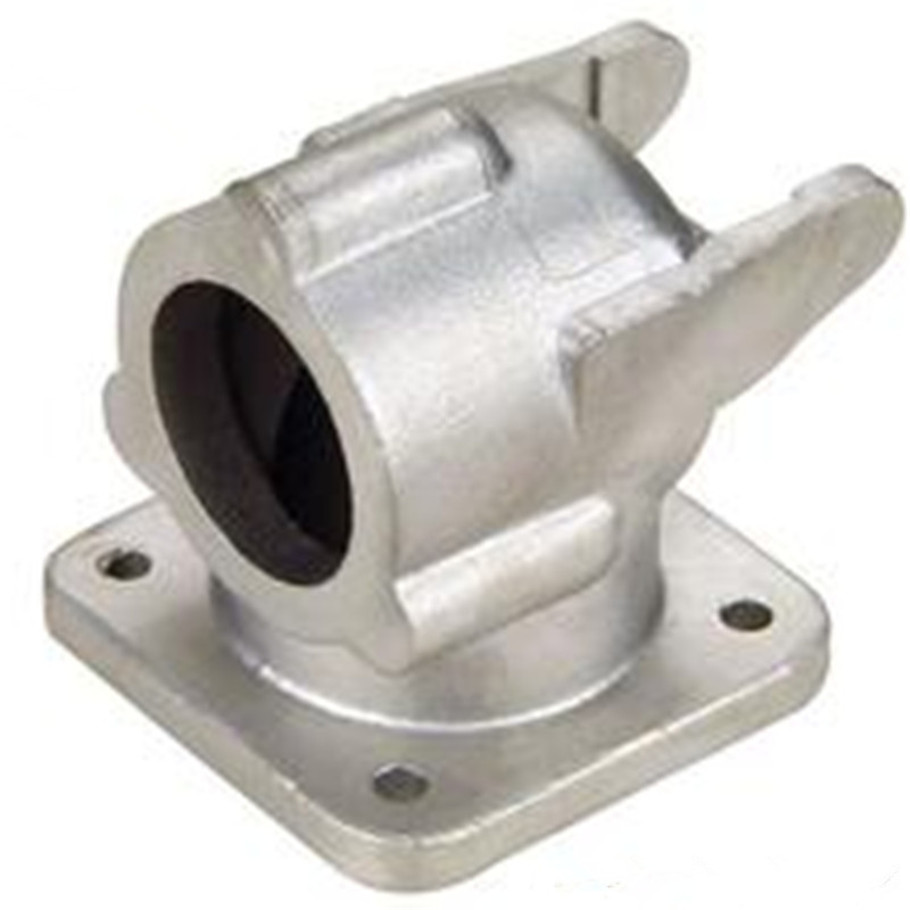
Machinery manufacturers may require customized brackets, housings, connecting components and structural parts. Precision casting can be considered when these components have complex shapes or specific dimensional requirements.
Pumps and Fluid-Handling Systems
Certain pump and fluid-handling components require suitable corrosion resistance and structural performance. Stainless steel castings may be selected for relevant parts depending on the fluid properties, pressure conditions and operating environment.
Valves and Pipeline Equipment
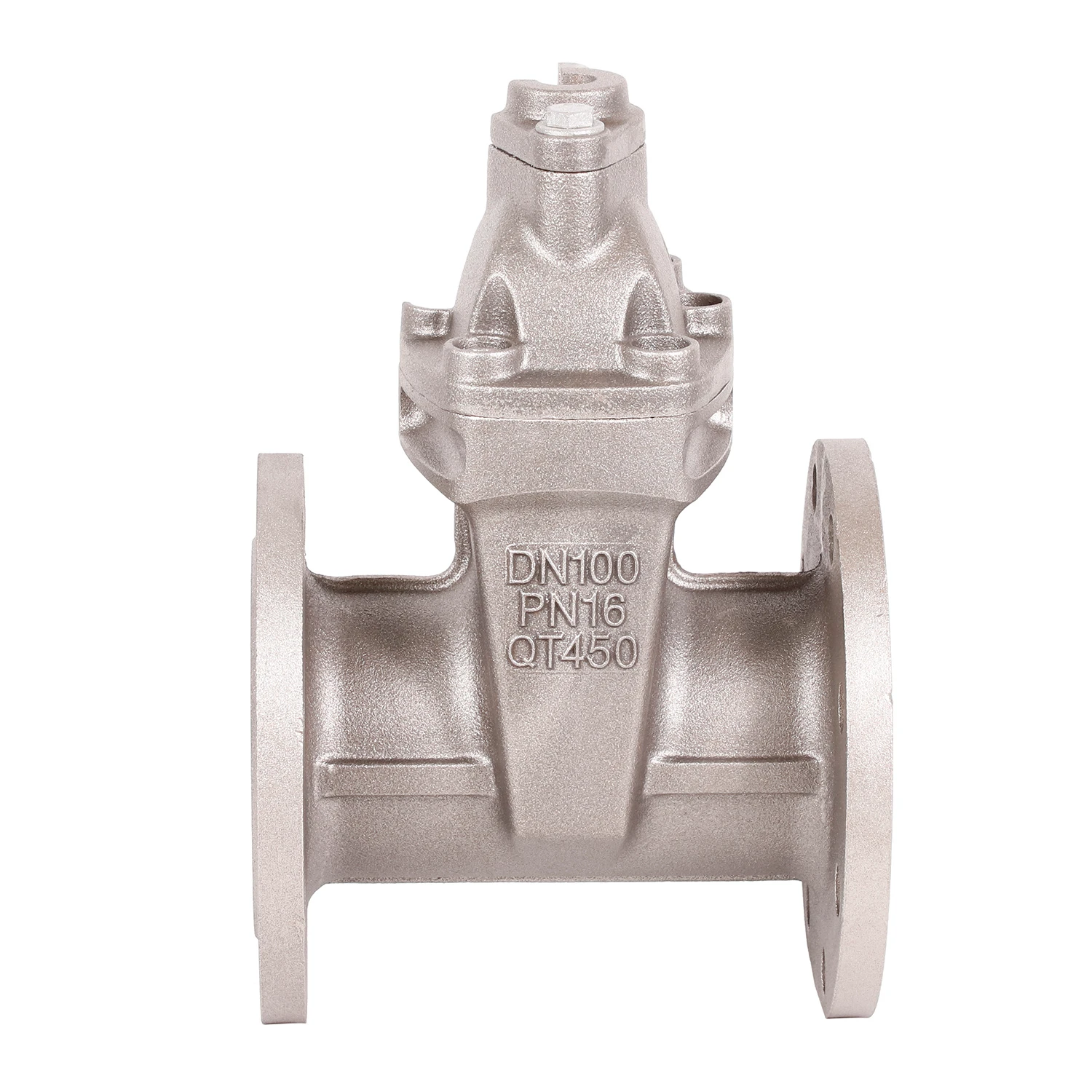
Valve-related components may involve complex internal structures and specific connection dimensions. Customized casting solutions can help meet different equipment design requirements.
Automotive and Mechanical Components
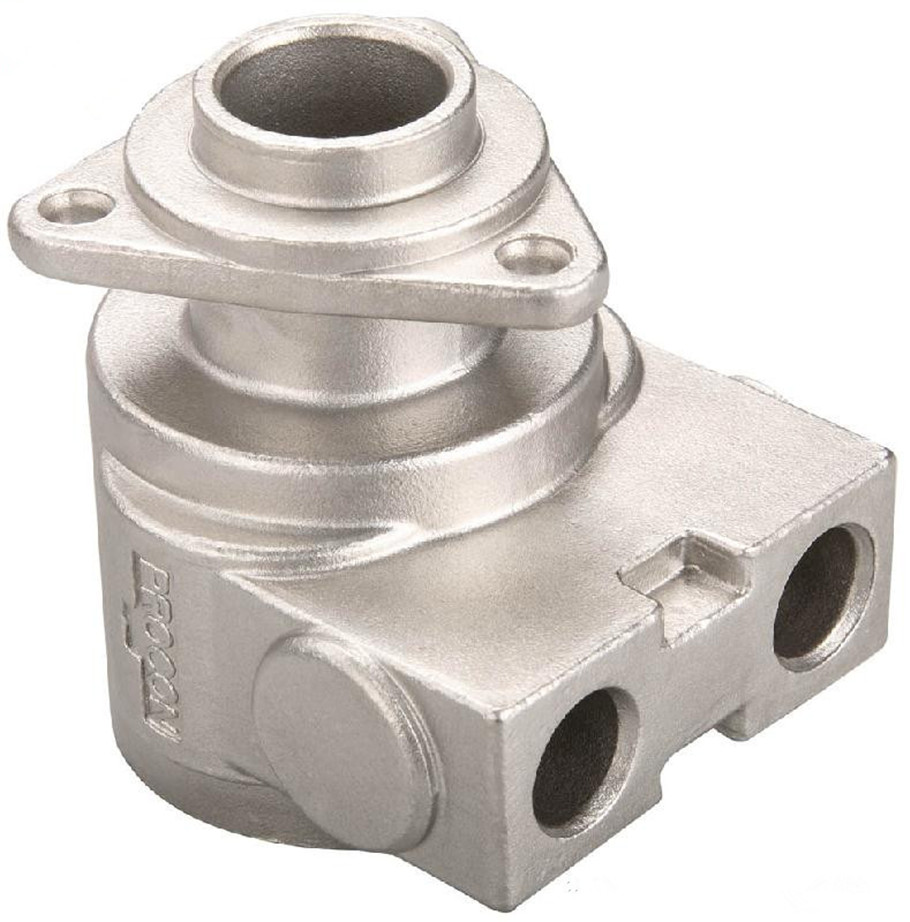
Some automotive and general mechanical applications require metal parts with defined shapes and material properties. Stainless steel precision casting may be considered when the selected material and manufacturing process are appropriate for the component.
Other Industrial Applications
Additional applications may include equipment accessories, processing machinery and specialized mechanical assemblies. For each project, the material and production method should be evaluated according to its actual operating requirements.
For international buyers, selecting a suitable supplier is an important part of managing a custom casting project. In addition to product pricing, several factors deserve attention.
For customized products, a reliable supply arrangement depends on both manufacturing capability and clear communication throughout the order process.
Hebei Mingda International Trading Company is a specialized trading company focusing on castings, forgings and machinery parts. The company has established close business relationships with manufacturers in major cities across China, providing access to different manufacturing resources.
This business network allows Hebei Mingda to coordinate with suitable manufacturers according to customers' product requirements. Rather than limiting its business to one specific type of casting, the company maintains flexibility in sourcing different casting products to meet varied project needs.
Flexible Manufacturing Resource Coordination
Different casting projects may require different production capabilities, materials and manufacturing arrangements. Through its business connections with manufacturers across China, Hebei Mingda can coordinate suitable production resources based on customer specifications.
Focus on Castings, Forgings and Machinery Parts
The company's business covers various types of castings, forgings and mechanical components. This specialized focus helps it understand the purchasing requirements associated with industrial metal products.
Attention to Quality Requirements
Product quality is an important consideration in every customized order. Hebei Mingda works to communicate customer specifications with manufacturing partners and coordinate production according to the agreed requirements.
Delivery Time Coordination
Delivery schedules are important for buyers managing manufacturing projects and inventory plans. Hebei Mingda works with its manufacturing partners to coordinate production arrangements and support customers' delivery requirements.
For buyers looking for custom stainless steel precision casting products, Hebei Mingda International Trading Company offers a flexible sourcing approach backed by its connections with manufacturers in China.
You can provide product drawings, 3D files or samples, together with the required stainless steel grade, order quantity, dimensional tolerances and surface finish requirements. The more detailed the specifications, the easier it is to evaluate the project.
Yes. Precision casting is suitable for many components with complex geometries and detailed structures. However, the feasibility of each design should be evaluated according to its dimensions, material and production requirements.
Material selection depends on the working environment, corrosion exposure, mechanical requirements and applicable industry standards. Buyers should communicate these conditions before confirming the material.
Custom casting projects can generally be evaluated based on customer drawings, 3D models or physical samples. Specific manufacturing feasibility and production arrangements need to be confirmed before placing an order.
A specialized trading company with established manufacturing relationships can help coordinate different production resources, communicate technical requirements and follow up on delivery arrangements. This can be useful for buyers sourcing different types of industrial components.
Custom stainless steel precision casting products require careful consideration of material selection, product structure, manufacturing feasibility and quality requirements. From initial drawing review to production coordination and final delivery, clear communication is essential to achieving a suitable result.
With a business focus on castings, forgings and machinery parts, Hebei Mingda International Trading Company works with manufacturers across major cities in China to provide flexible sourcing and production coordination. For buyers seeking customized metal components, the company offers a practical point of contact for discussing product specifications and manufacturing requirements.
Contact Hebei Mingda International Trading Company to discuss your drawings, samples and requirements for custom stainless steel precision casting products.