Phone:
+86 18631189888

Email:
liyanhui@bestcastings.cn


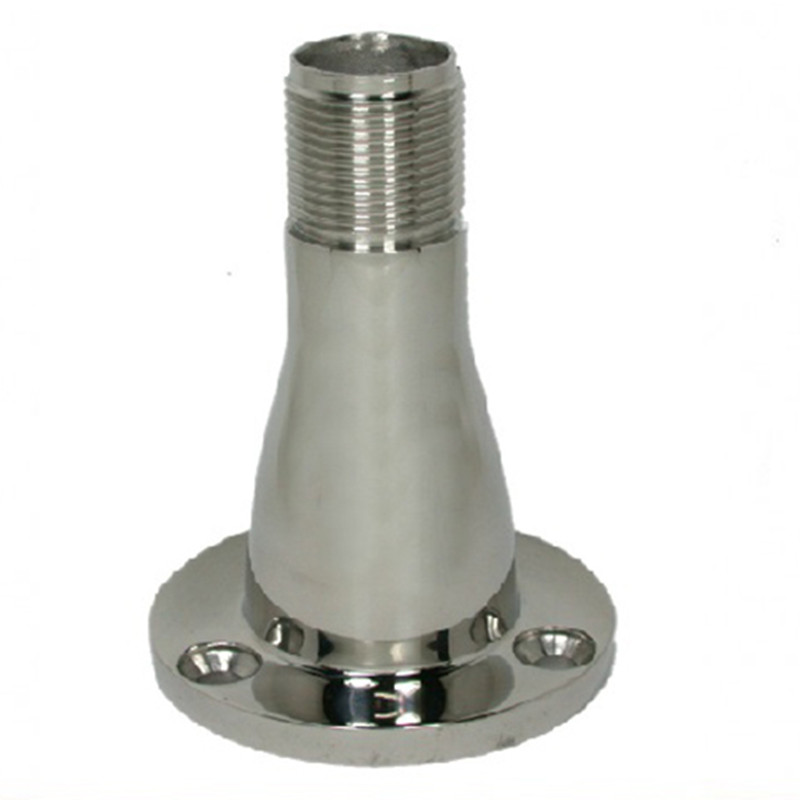
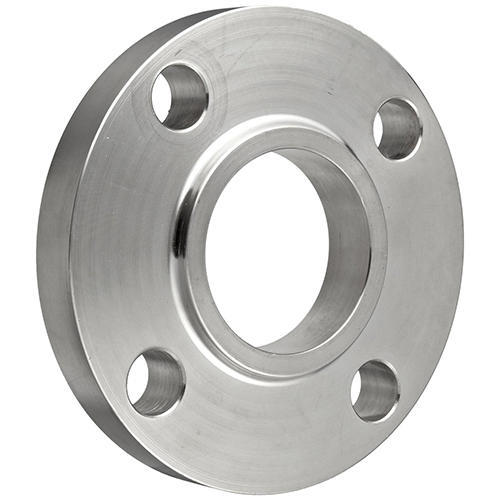
Cast copper flanges are metal connection components used in pipeline systems, industrial equipment and various mechanical applications. They provide connection points between pipes, valves, pumps and other equipment, helping create assembled systems that can be installed, inspected and maintained. Depending on the application, copper alloy flanges can be manufactured in different shapes, dimensions and connection configurations.
For industrial buyers, sourcing custom cast copper flanges requires attention to material composition, flange dimensions, connection standards and operating conditions. A suitable product should not only match the pipeline design but also meet the required mechanical and environmental performance.
Hebei Mingda International Trading Company specializes in castings, forgings and machinery parts. Through close business relationships with manufacturers in major cities across China, the company provides flexible sourcing and production coordination for customers with different metal component requirements.

A flange is a mechanical component used to connect pipes, valves, pumps and other equipment. Depending on its design, it can be connected through bolts, threads or other specified connection methods.
A cast copper flange is produced through a casting process using copper or a suitable copper alloy. Casting allows manufacturers to produce different flange shapes and structural features according to product drawings and technical requirements.
In industrial applications, the term copper flange may refer to products made from different copper-based materials, including brass and bronze. These alloys have different compositions and performance characteristics, so buyers should confirm the exact material grade before ordering.
Common product specifications include:
These specifications should be clearly defined to ensure compatibility with the intended equipment or pipeline system.
Copper and copper alloys offer several useful material characteristics for industrial components. The actual performance depends on the alloy composition, manufacturing process and operating environment.
Corrosion Resistance
Many copper alloys provide good corrosion resistance in suitable environments. Certain bronze grades, for example, are used in marine and fluid-handling applications. However, the appropriate alloy must be selected according to the transported medium and environmental conditions.
Mechanical Properties
Different copper alloys offer different combinations of strength, hardness and ductility. Material selection should consider the flange's structural requirements, connection loads and operating conditions.
Thermal Conductivity
Copper-based materials generally have good thermal conductivity. This characteristic may be useful in certain equipment applications where heat transfer is an important consideration.
Casting Flexibility
Casting can support the production of flanges with customized shapes and structural features. Depending on the design, it may also help integrate certain details into a single component.
For projects involving pressure-bearing pipeline systems, buyers should confirm that the selected material, casting quality and finished dimensions meet the applicable pressure and industry standards.
Different pipeline systems require different flange structures. The appropriate design depends on installation methods, connection requirements and the operating environment.
Flat Flanges
Flat flanges have a relatively simple structure and are used in various equipment and pipeline connection applications. Their dimensions and sealing surfaces should match the corresponding connection design.
Threaded Flanges
Threaded flanges use internal or external threads to create a mechanical connection with compatible components. Thread specifications and dimensional accuracy are important during product development.
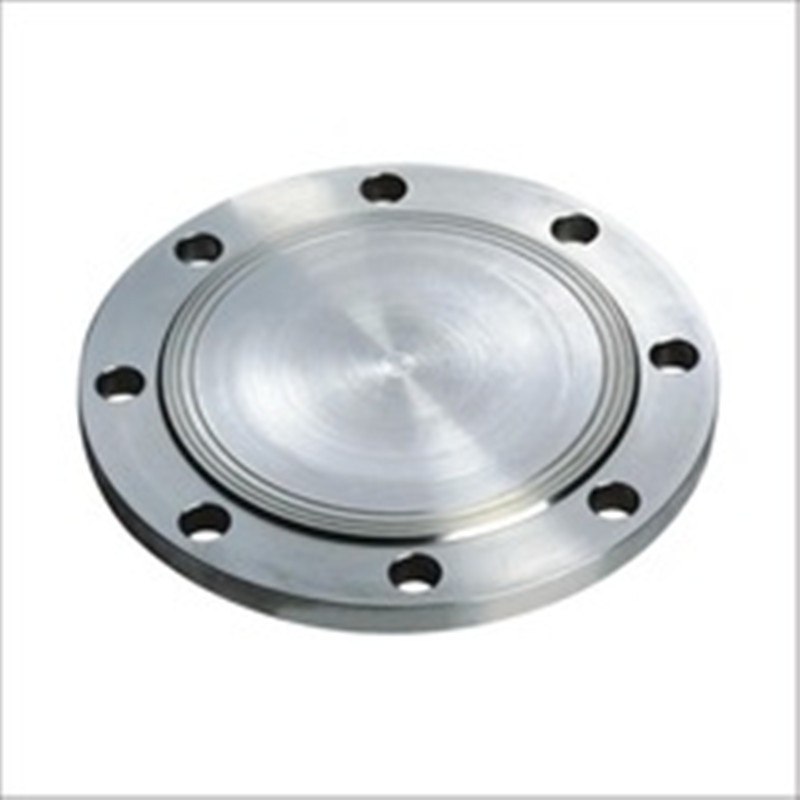
Blind Flanges
Blind flanges are designed to close the end of a pipeline or equipment opening. They are used when a pipeline section needs to be sealed or reserved for future connection.
Custom-Shaped Flanges
Some equipment requires flanges with non-standard dimensions, special hole arrangements or customized structural features. Casting can be considered for producing these components according to customer drawings.
The final product type and manufacturing method should be determined by the actual design requirements.
Before starting a custom flange project, buyers should prepare clear technical information. This helps suppliers evaluate the product and coordinate suitable manufacturing resources.
Important specifications include:
For pressure-bearing applications, flange dimensions and pressure ratings should be checked against the relevant standards. A product should not be considered interchangeable with a standard flange simply because its nominal diameter is similar.
Customized flange production requires coordination between product design, material selection, casting and subsequent processing. A clear workflow helps ensure that the manufacturing requirements are understood before production begins.
Step 1: Drawing and Sample Review
Customers can provide technical drawings, 3D models or physical samples. The main dimensions, flange structure, bolt hole positions and connection requirements should be reviewed.
Step 2: Material Confirmation
The required copper alloy should be confirmed according to the intended application. If the customer specifies a particular material standard or grade, it should be communicated clearly before production.
Step 3: Casting Process Evaluation
The manufacturing partner evaluates the product structure and selects a suitable casting method according to the material, dimensions and production requirements.
Step 4: Machining and Surface Finishing
Depending on the product design, additional machining may be necessary for bolt holes, threaded connections, sealing faces and other critical surfaces.
Step 5: Quality Inspection
Inspection requirements should be agreed upon before manufacturing. Depending on the project, these may include dimensional checks, visual inspection, material verification and other specified tests.
Step 6: Packaging and Delivery
Finished products should be checked against the order requirements before packaging. Product quantities, packaging methods and delivery schedules should be coordinated according to the customer's needs.
Cast copper flanges can be considered for different industrial and mechanical applications, depending on their material grade, design and technical specifications.
Water Supply and Pipeline Systems
Copper alloy flanges may be used in selected water supply and fluid transportation systems. The material and connection design should be compatible with water quality and operating conditions.
Marine Equipment
Certain bronze alloys are used in marine equipment because of their corrosion resistance in suitable environments. Customized flange components may be developed for specific equipment connections.
Industrial Machinery
Machinery manufacturers may require flanges with special dimensions or connection structures. Custom casting can support the production of components designed for individual equipment requirements.
Pumps and Valves
Flanges are important connection components in pump and valve assemblies. Their dimensions, sealing surfaces and material specifications should match the connected equipment.
General Mechanical Equipment
Various mechanical systems use metal flanges to connect structural or functional components. Customized designs can help meet different installation and assembly requirements.
Selecting a suitable supplier is an important part of purchasing customized casting products. Buyers should evaluate the supplier's ability to understand technical requirements and coordinate manufacturing effectively.
For customized metal components, a reliable supply arrangement depends on effective communication between the buyer, supplier and manufacturing partner.
Hebei Mingda International Trading Company is a specialized trading company focusing on castings, forgings and machinery parts. The company has established close business relationships with manufacturers in major cities across China, providing access to different manufacturing resources.
This network allows Hebei Mingda to coordinate different types of casting products according to customer requirements.
Specialized Focus on Casting Products
The company works in the field of various castings, forgings and machinery components. Its business focus supports customers looking for different types of customized metal products.
Flexible Manufacturing Resource Coordination
Different flange projects may involve different material grades, dimensions and production requirements. Through its business relationships with manufacturers across China, Hebei Mingda can coordinate suitable manufacturing resources according to individual project needs.
Attention to Customer Specifications
Customized flange orders often involve detailed drawings, dimensional tolerances and material requirements. The company works to communicate these specifications with manufacturing partners to support the customer's project requirements.
Quality and Delivery Coordination
Quality requirements and delivery time are important considerations for international buyers. Hebei Mingda coordinates with manufacturing partners to support customer expectations regarding product quality and delivery arrangements.
For buyers sourcing cast copper flanges and customized copper alloy components, Hebei Mingda International Trading Company offers a flexible sourcing approach supported by its manufacturing connections across China.
Copper alloy flanges may be manufactured using different brass or bronze grades. The appropriate material depends on the application, operating environment and required technical specifications.
Yes. Custom flange projects can be evaluated based on customer drawings, 3D models or physical samples. Dimensions, material grades, bolt hole configurations and connection requirements should be confirmed before production.
Buyers should provide flange drawings, material specifications, nominal size, pressure requirements, order quantity and expected delivery schedule. Detailed information helps suppliers evaluate the project more accurately.
They may be suitable for selected industrial applications when the material, pressure rating, dimensions and connection design meet the relevant requirements. Application compatibility should be evaluated before installation.
Cast flanges are formed by pouring molten metal into a mold, while forged flanges are produced by shaping heated metal under compressive force. The appropriate process depends on the material, component design, mechanical requirements and applicable standards.
Cast copper flanges are important connection components for various pipeline systems, pumps, valves and industrial equipment. Successful product sourcing requires careful consideration of material composition, flange dimensions, connection standards and manufacturing requirements.
Hebei Mingda International Trading Company specializes in castings, forgings and machinery parts. With established business relationships with manufacturers in major cities across China, the company provides flexible sourcing and production coordination for customers with different casting requirements.
If you are looking for custom cast copper flanges or other copper alloy components, contact Hebei Mingda International Trading Company to discuss your drawings, material specifications and project requirements.