Phone:
+86 18631189888

Email:
liyanhui@bestcastings.cn


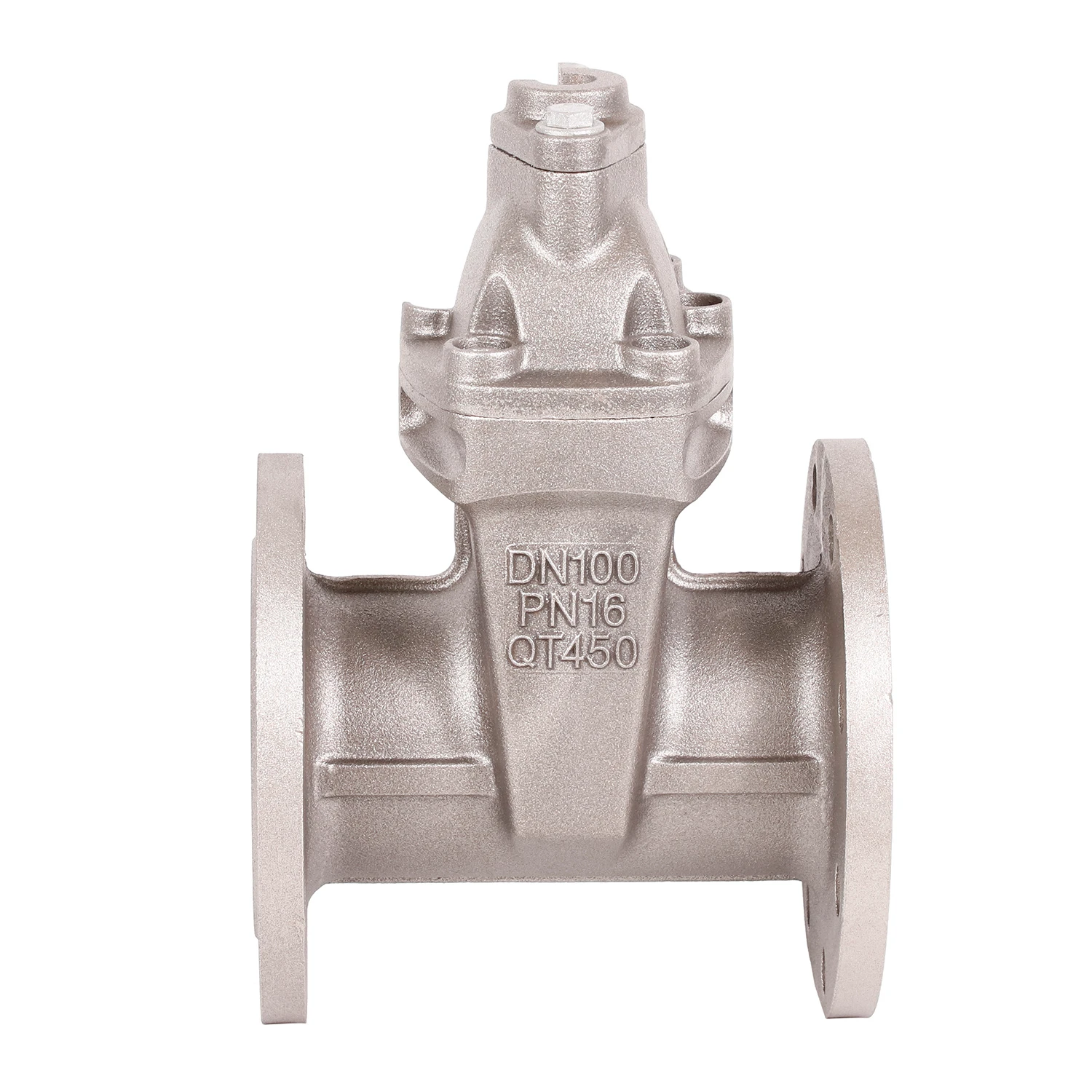
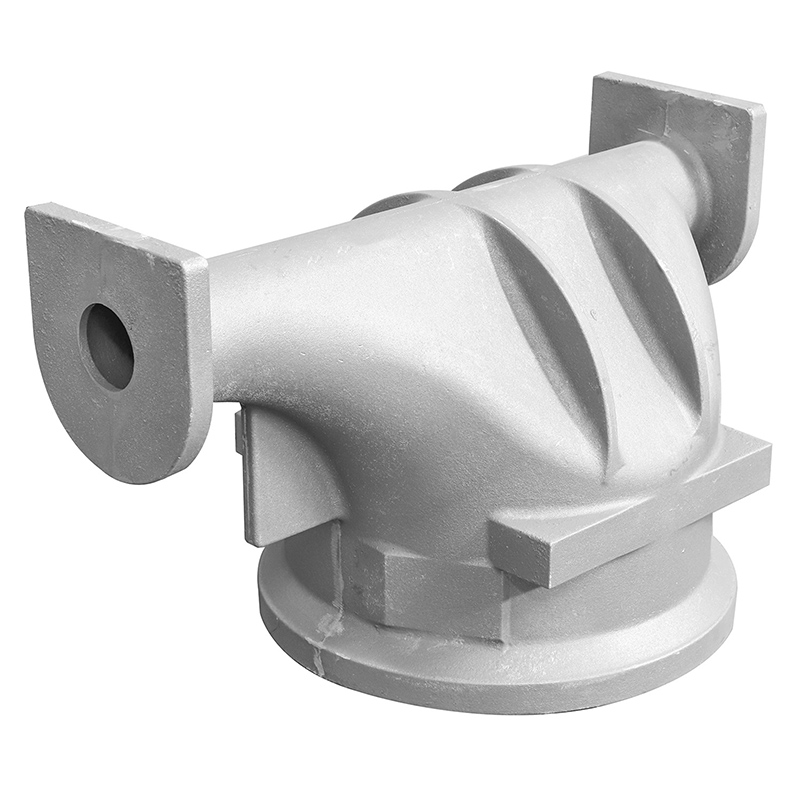
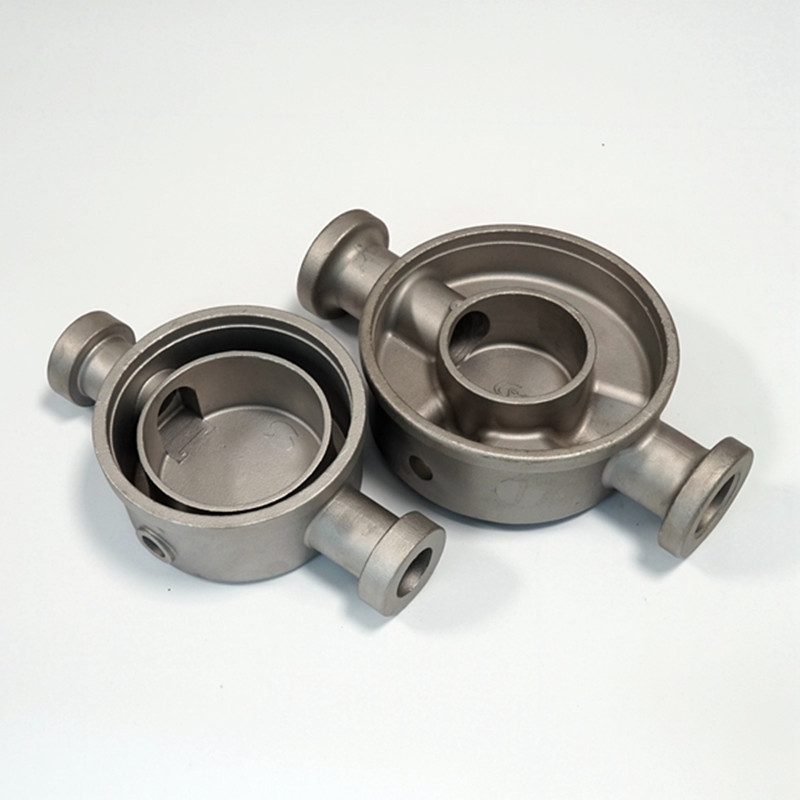
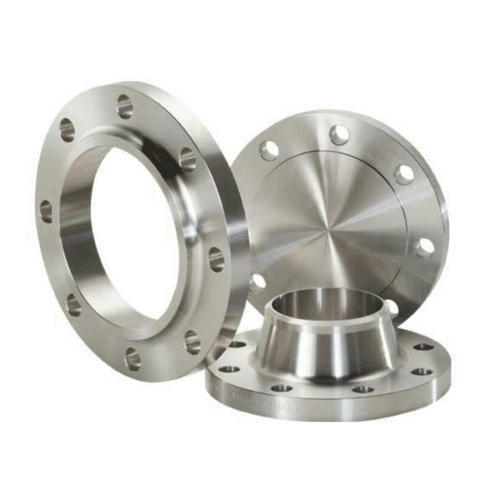
Bronze and brass pipe fittings are widely used in plumbing systems, industrial equipment, fluid transportation and various mechanical applications. These fittings connect pipes, change flow directions, adjust pipe sizes and help create reliable pipeline connections. Depending on the working environment and technical requirements, different copper alloy materials and fitting structures can be selected.
For buyers looking for OEM service bronze and brass pipe fittings, product customization, material selection, dimensional accuracy and delivery coordination are important considerations. Whether purchasing standard fittings or developing components according to specific drawings, choosing a suitable supply partner can help ensure that the products meet project requirements.
Hebei Mingda International Trading Company specializes in castings, forgings and machinery parts. With established business relationships with manufacturers in major cities across China, the company provides flexible sourcing and production coordination for customers requiring different types of metal components.

Bronze and brass are both copper-based alloys, but they have different chemical compositions and material characteristics. They are commonly selected for pipe fittings according to the intended application and operating conditions.
Brass Pipe Fittings
Brass is primarily an alloy of copper and zinc. It offers good machinability, corrosion resistance in suitable environments and practical processing characteristics. Brass pipe fittings are commonly considered for plumbing connections, water supply systems and general industrial equipment.
Bronze Pipe Fittings
Bronze traditionally refers to copper alloys containing tin, although commercial bronze alloys may include other elements. Different bronze grades offer varying mechanical properties and corrosion resistance. Bronze fittings may be considered for marine equipment, industrial fluid systems and other applications where the selected alloy is suitable.
Although brass and bronze are both copper alloys, they should not be treated as interchangeable materials. Buyers should confirm the exact alloy grade according to the required performance, applicable standards and operating environment.
Pipe fittings are available in different structures and connection configurations. The appropriate type depends on pipeline layout, installation requirements and the function of the connection.
Elbows
Elbow fittings change the direction of a pipeline, commonly at 45-degree or 90-degree angles. They are useful in systems where pipes need to be routed around equipment, walls or other structural elements.
Tees
Tee fittings connect three pipeline sections and allow fluid to branch into different directions. They are used in water distribution systems and industrial pipeline arrangements.
Couplings
Couplings connect two pipe sections with compatible dimensions and connection specifications. They are commonly used in pipeline installation and maintenance.
Reducers
Reducers connect pipes with different diameters. They help accommodate changes in pipeline size while maintaining the required connection structure.
Adapters and Connectors
Adapters are used to connect components with different thread types, connection standards or dimensions. Their specifications should be confirmed according to the corresponding pipeline system.
The availability of each fitting type depends on the manufacturer's product range and the customer's customization requirements.
Choosing the correct material is essential for the performance and service life of pipe fittings. Different applications involve different fluid types, temperatures, pressures and environmental conditions.
Several factors should be evaluated before confirming the material.
For example, brass may be a practical choice for certain general plumbing applications, while selected bronze alloys may be suitable for specific marine or industrial environments.
The final decision should be based on the actual alloy grade and technical specifications rather than the general material name alone.
Different equipment manufacturers, distributors and engineering contractors may require pipe fittings with specific dimensions, connection structures and material compositions. OEM services provide flexibility for developing products according to customer requirements.
For customized bronze and brass pipe fittings, buyers can provide the following information:
Drawing and Specification Review
The first step is to review the customer's drawings, samples and technical specifications. Important details such as fitting dimensions, connection types and material requirements should be confirmed before production.
Material and Manufacturing Evaluation
Different fitting designs may require different manufacturing methods. Depending on the product structure, material and order quantity, casting, forging or other suitable manufacturing processes may be considered.
Production Coordination
After the technical requirements are confirmed, the production arrangement can be coordinated with an appropriate manufacturing partner. Clear communication helps ensure that the product specifications are understood throughout the process.
Inspection and Delivery
Inspection requirements should be agreed upon before production. Depending on the product and customer specifications, inspection may cover dimensions, appearance, material verification and other applicable tests.
Packaging and delivery arrangements should also be confirmed according to the order requirements.
Bronze and brass pipe fittings can be used in different industries and pipeline systems. Their suitability depends on material composition, fitting design and operating conditions.
Plumbing and Water Supply Systems
Brass fittings are commonly considered for plumbing connections, water supply installations and general building service systems. Their dimensions and connection specifications should match the relevant pipeline standards.
Industrial Fluid Transportation
Industrial facilities use various pipe fittings to connect equipment and pipeline sections. Bronze or brass components may be selected according to the transported medium and working environment.
Marine Equipment
Certain bronze alloys are used in marine applications because of their corrosion resistance in suitable environments. Material selection is particularly important when fittings are exposed to seawater or other corrosive conditions.
HVAC and Building Services
Pipe fittings are used in heating, ventilation, air conditioning and building service installations. Elbows, tees, couplings and adapters help create different pipeline configurations.
Mechanical Equipment
Various mechanical systems require customized metal connectors and pipe fittings. OEM manufacturing can support equipment manufacturers that need specific dimensions or connection designs.
Finding a suitable supplier is an important step in purchasing customized bronze and brass pipe fittings. In addition to price, buyers should evaluate the supplier's ability to understand technical requirements and coordinate production.
Material Specification
Confirm the exact alloy grade rather than relying only on general descriptions such as brass or bronze. This helps avoid material mismatches during manufacturing.
Dimensional Accuracy
Check critical dimensions, thread specifications and connection requirements. These details directly affect compatibility with the intended pipeline system.
Manufacturing Resources
Different fitting structures may require different production capabilities. Buyers should consider whether the supplier can coordinate suitable manufacturing resources for the required product.
Quality Requirements
Inspection standards, testing requirements and acceptance criteria should be clearly communicated before production begins.
Order Quantity and Delivery Time
Confirm the required quantity, production schedule and delivery arrangements. These details help suppliers coordinate production resources and order fulfillment.
A reliable OEM supply arrangement depends on clear technical communication and effective coordination between the customer, supplier and manufacturing partner.
Hebei Mingda International Trading Company is a specialized trading company focusing on castings, forgings and machinery parts. The company has established close business relationships with manufacturers in major cities across China, giving it access to different manufacturing resources.
This network allows the company to coordinate various casting products according to customer requirements and provides flexibility when handling different types of metal component orders.
Specialized Focus on Metal Products
The company works in the field of castings, forgings and machinery parts. Its specialized business focus supports communication with customers looking for different industrial metal products.
Flexible Manufacturing Resource Coordination
Different OEM projects may involve different product structures, materials and manufacturing requirements. Through its business relationships with manufacturers across China, Hebei Mingda can coordinate suitable production resources according to individual project needs.
Customer-Oriented Product Requirements
Every customized order may involve specific drawings, dimensions, materials and technical standards. The company focuses on communicating these requirements with manufacturing partners to support the development of suitable products.
Attention to Quality and Delivery
Product quality and delivery time are important considerations for international buyers. Hebei Mingda works with its manufacturing partners to coordinate production according to customers' quality requirements and delivery expectations.
For customers sourcing OEM bronze and brass pipe fittings, Hebei Mingda International Trading Company offers a flexible sourcing approach supported by its connections with manufacturers in China.
Brass is primarily made from copper and zinc, while traditional bronze commonly contains copper and tin. Their mechanical properties and corrosion resistance vary according to the specific alloy composition.
Yes. OEM projects can be evaluated based on customer drawings, 3D files or physical samples. Material grades, dimensions, connection types and other technical requirements should be confirmed before production.
Common fitting designs include elbows, tees, couplings, reducers, adapters and connectors. Specific product availability depends on the manufacturing requirements.
The choice between brass and bronze depends on water quality, working pressure, temperature, applicable standards and the specific alloy grade. Buyers should evaluate these factors before selecting a material.
Customers should provide product drawings or samples, material specifications, dimensions, connection requirements, order quantities and expected delivery schedules. Detailed information helps suppliers evaluate the project more accurately.
OEM bronze and brass pipe fittings require careful consideration of material composition, product structure, connection dimensions and operating conditions. From elbows and tees to customized connectors and adapters, each fitting should be developed according to its intended pipeline application.
Hebei Mingda International Trading Company specializes in castings, forgings and machinery parts. Through established business relationships with manufacturers in major cities across China, the company provides flexible sourcing and production coordination for different metal component requirements.
If you are looking for customized bronze or brass pipe fittings, contact Hebei Mingda International Trading Company to discuss your product drawings, material specifications and OEM requirements.