Phone:
+86 18631189888

Email:
liyanhui@bestcastings.cn

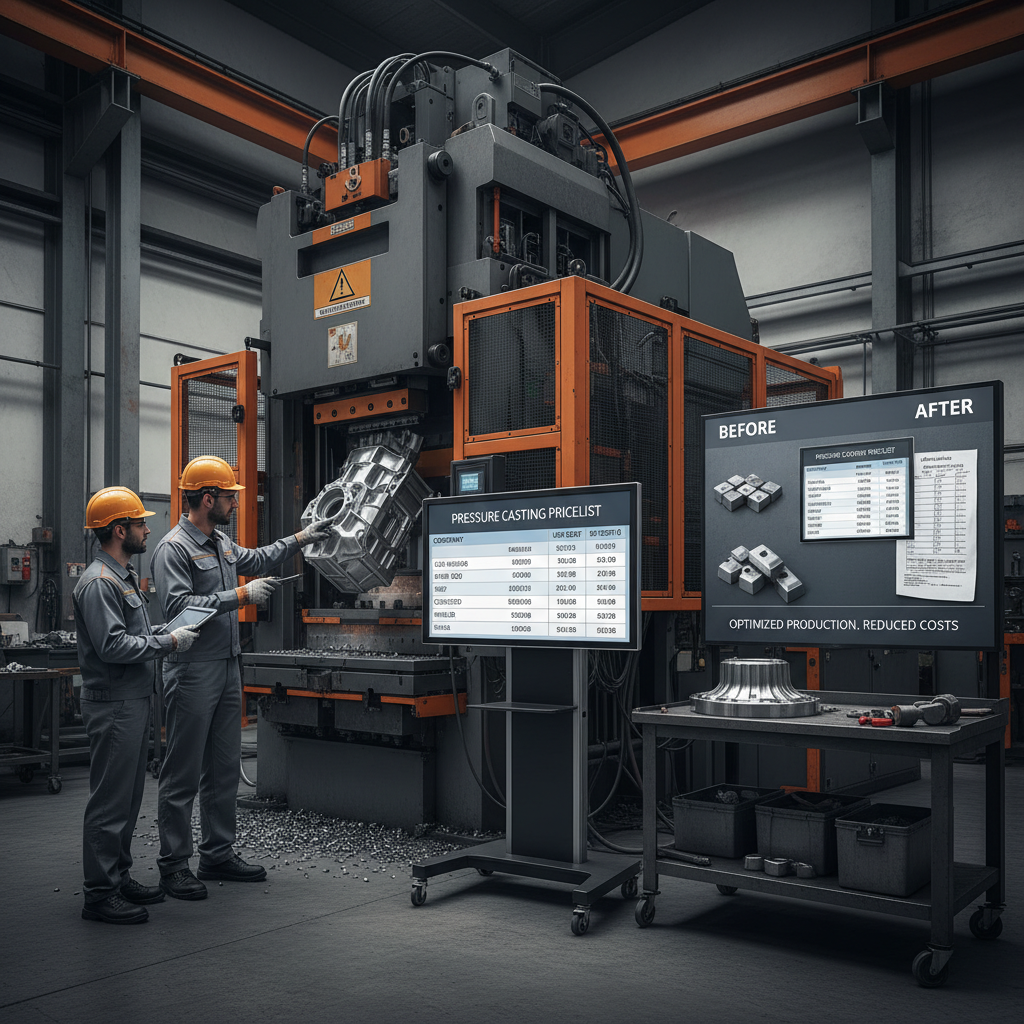
For a quick gateway to an actual product line, check this link: China Stainless Bracket Factory,Sheet Metal Stamping Pricelist,Forged Stainless Flanges . I know—it's a mouthful of a name, but it points to a heavyweight: the Heavy Duty Forged Steel Shaft and related forged/stamped stainless parts.
Forging remains the go-to for high-strength rotating parts. In fact, over the past 3–5 years demand for forged stainless brackets and heavy shafts from China has grown due to lower lead times and competitive tooling costs. Many customers say quality has improved (surprisingly rapidly), though real-world use may vary by supplier and batch.
Forging converts a steel billet into required geometry by hammering, pressing, rolling, or squeezing. Types include hot forging, cold forging, open-die, closed-die and roller ring forging. Below is a compact spec table I keep handy when comparing quotes.
|
Specification |
Typical Value / Notes |
|
Product name |
Heavy Duty Forged Steel Shaft |
|
Materials |
4140/42CrMo, AISI/ASTM grades, stainless options (304/316); customer alloys on request |
|
Processes |
Hot forging → Rough machining → Heat treatment → Finish machining → NDT |
|
Tolerances |
±0.05–0.3 mm depending on geometry; tighter after precision machining |
|
Heat treatment |
Quench & temper; surface hardness ≈ HRC 28–48 depending on spec |
|
Certifications |
ISO 9001, material certificates per EN/ASTM; testing to ASME/ASTM/GB standards |
|
Service life |
5–20+ years (highly dependent on loading, environment, maintenance) |
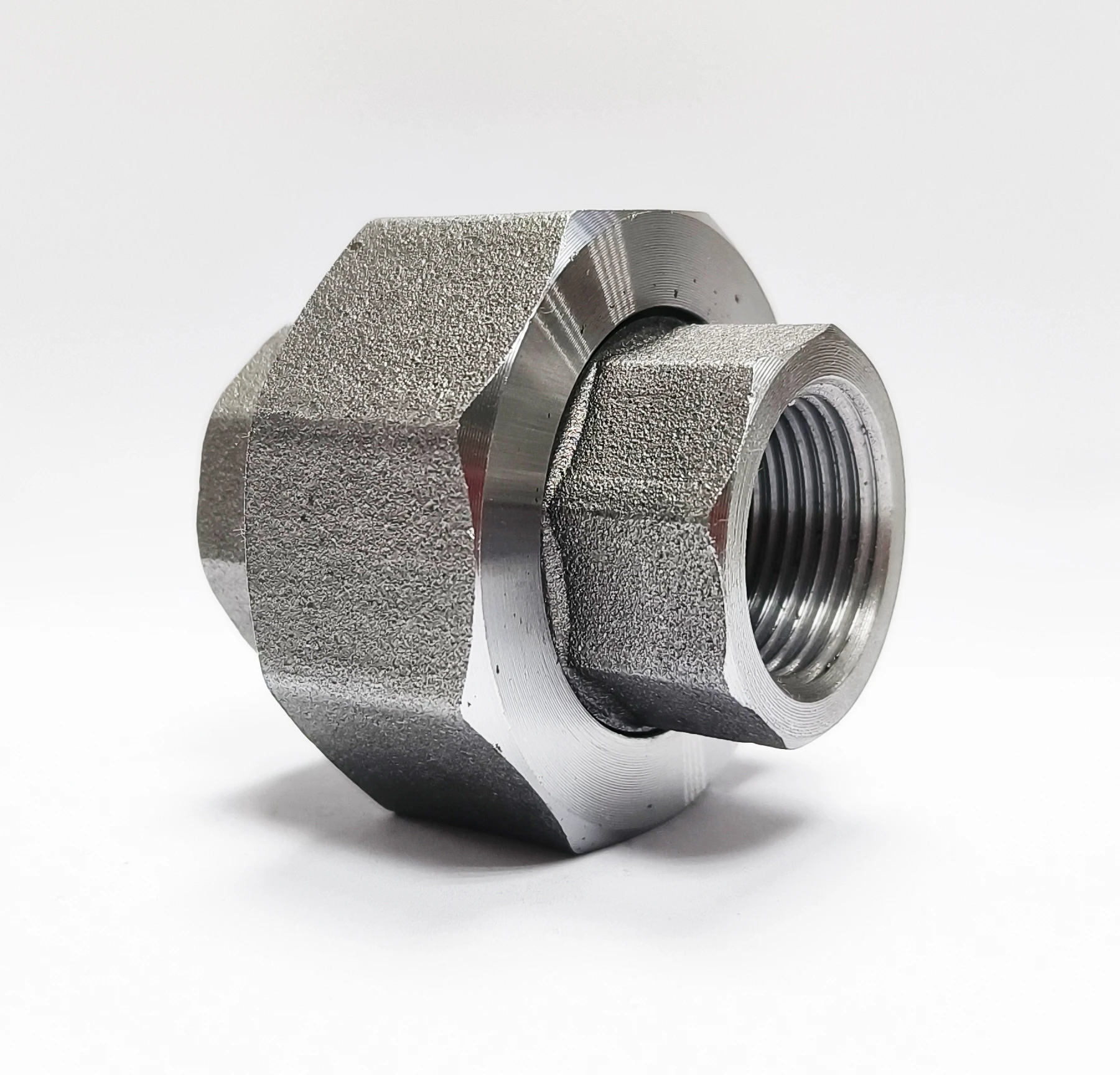
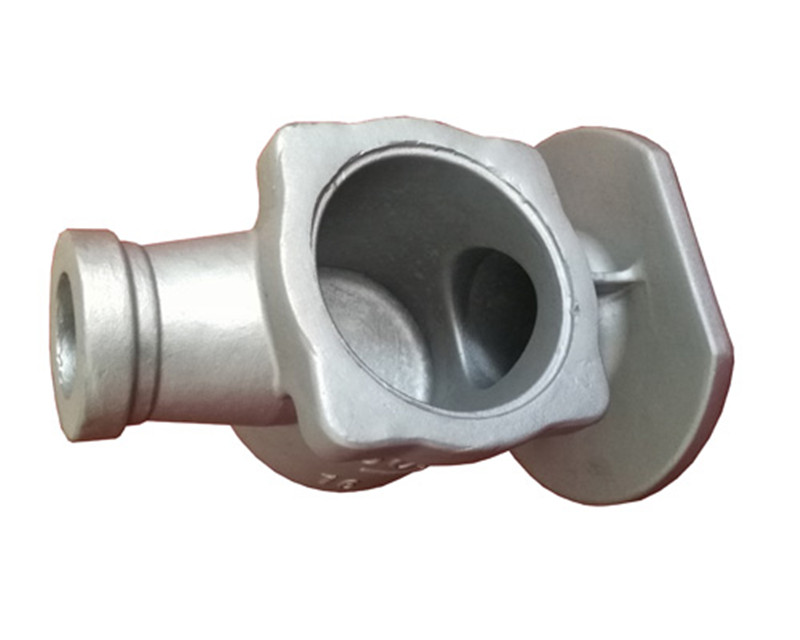
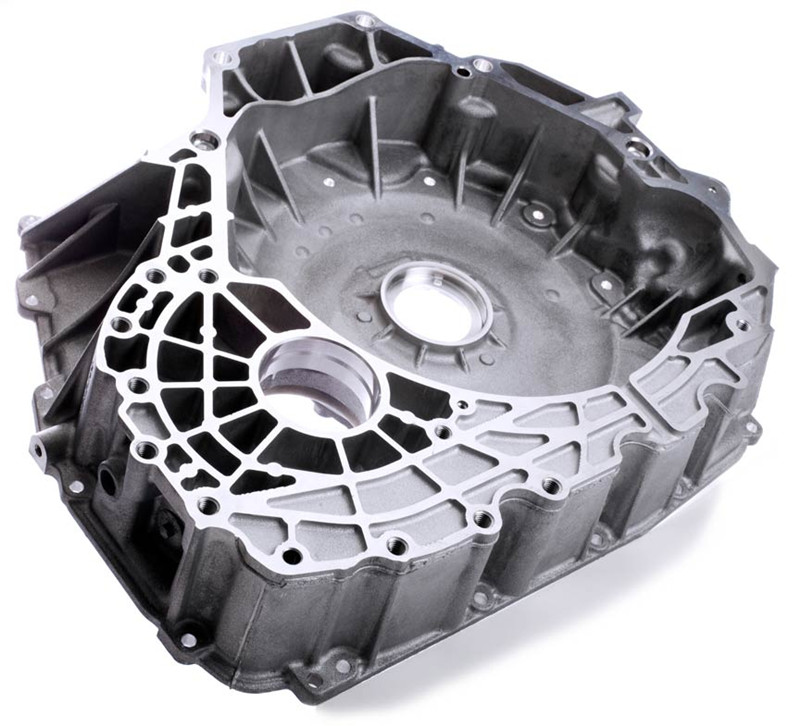
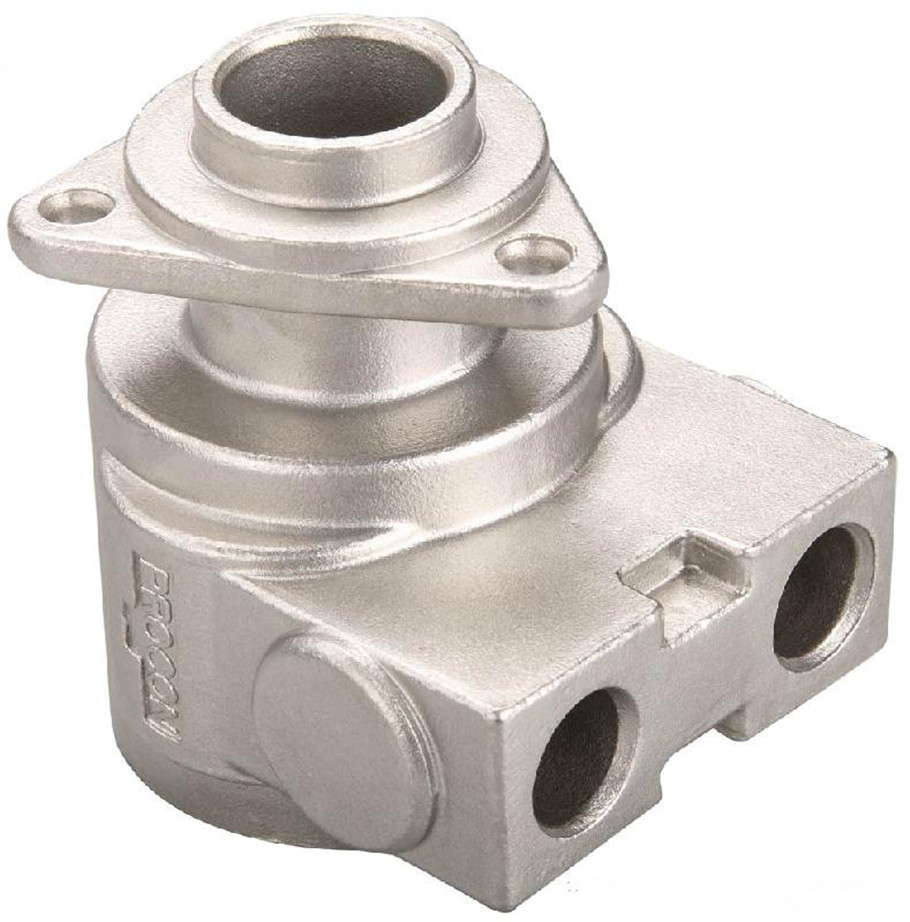
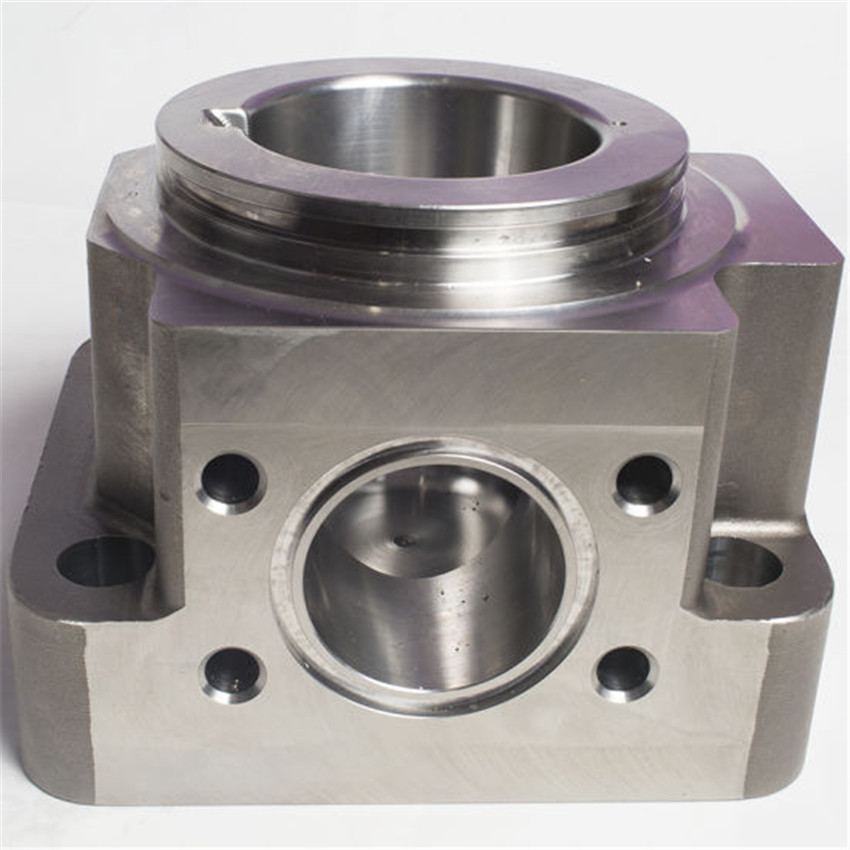
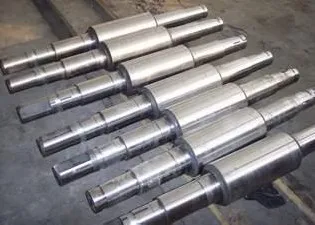
Below is a production shot that illustrates typical forging finish and scale.
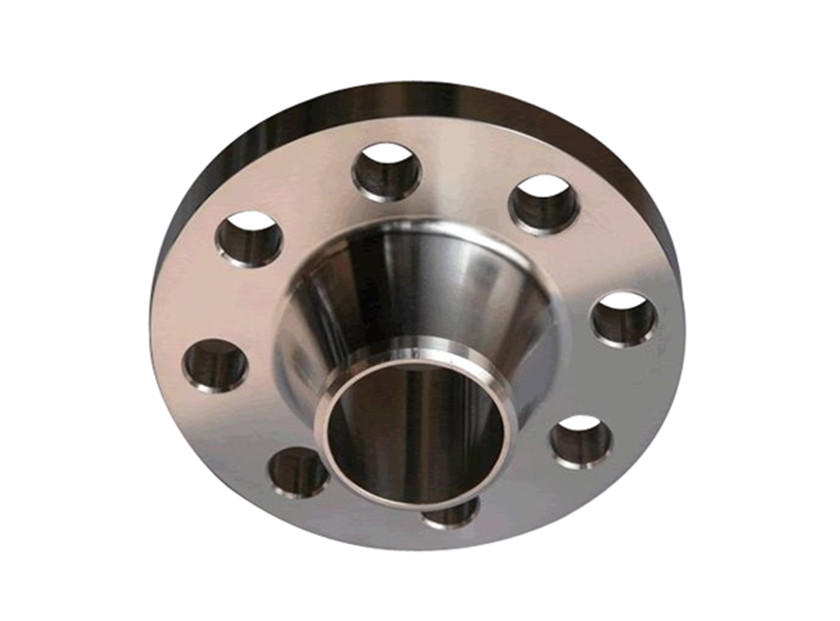
Typical flow: material procurement (certs) → billet cutting → forging (open/closed die) → trimming → rough machining → heat treat → finish machine → NDT (UT, MT, PT) → chemical / tensile test → packing. Tests usually include PMI (positive material ID), hardness, tensile & elongation and, where required, full traceable mill certificates. Standards referenced often: ASTM A182/A105 (flanges), ASME B16.5, ISO 9001, and relevant GB standards — again, real-world use may vary.
|
Vendor |
Lead time |
Certs |
Price level |
Notes |
|
Mingda (China) |
≈ 4–8 weeks |
ISO 9001, material trace |
Competitive |
Strong for high-volume forged shafts |
|
Local OEM (Europe) |
3–6 weeks (stock) / 8–12 bespoke |
CE, ISO |
Higher |
Premium service, higher price |
|
Taiwan/JP supplier |
4–10 weeks |
ISO, local certs |
Mid-range |
Good precision, smaller runs |
Typical uses: marine shafts, wind-turbine components, gearbox shafts, pump shafts, heavy machinery pins, and brackets in food/chemical plants when stainless is required. Customers often request PMI and full NDT for critical parts; one buyer told me switching to a Chinese supplier saved 18% while maintaining acceptable inspection results.
If you're sourcing forged shafts or stainless stamped brackets, start with clear specs, required standards, and an inspection plan. If you want, I can sketch an RFQ checklist tailored to your industry.
References:
P.S. If you want a deeper supplier audit matrix (including sample test templates), say the word — I can draft one based on your load and environment.