
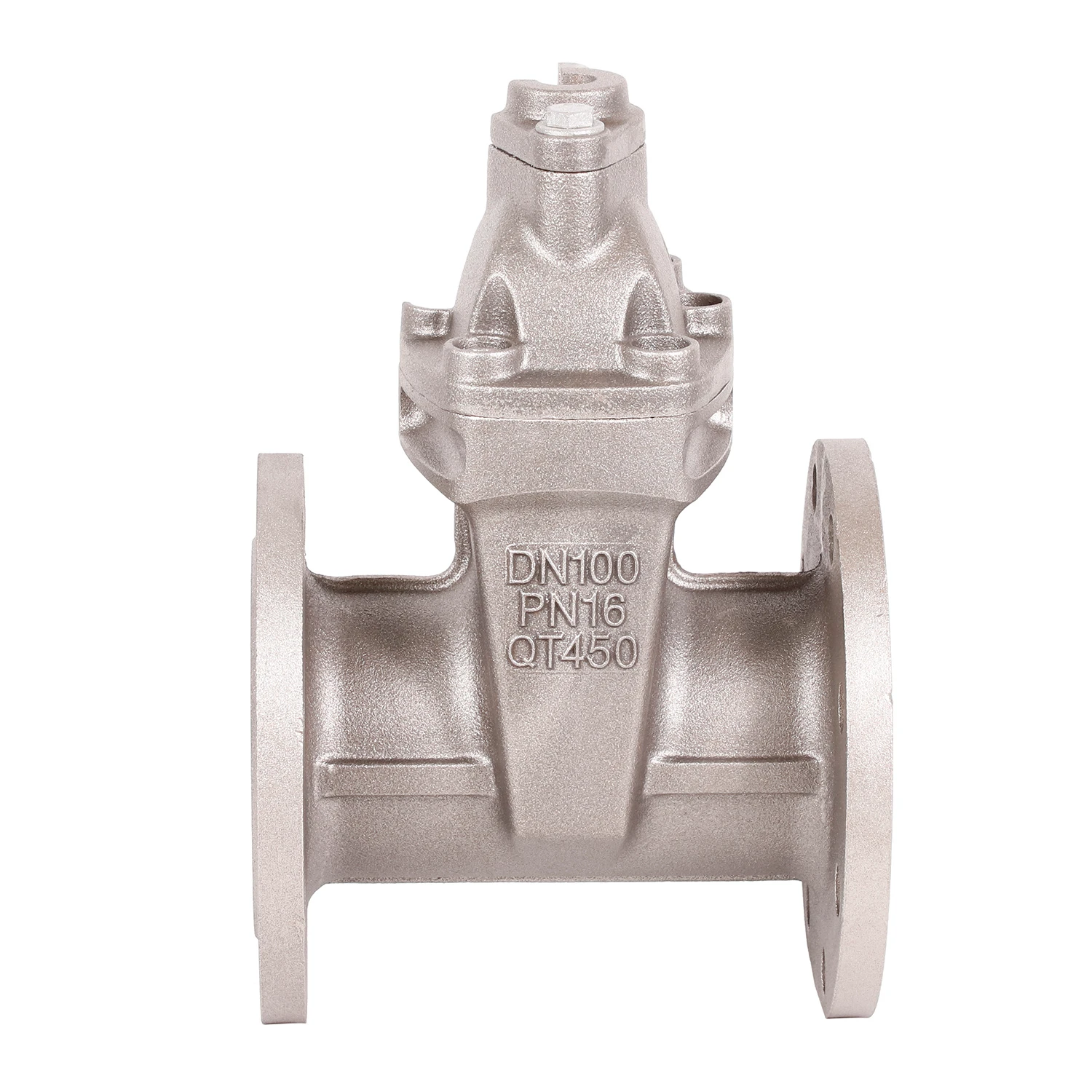

Efficient surface water management is critical for industrial infrastructure, where the selection of professional concrete drainage channels suppliers can determine the long-term stability of a facility. These systems are engineered to divert runoff, prevent flooding, and ensure structural integrity by directing water away from critical foundations. This article examines the technical requirements and procurement strategies for high-performance drainage solutions in demanding environments.
In B2B procurement, the challenge lies in balancing initial capital expenditure with the total cost of ownership. For heavy-duty industrial sites, standard off-the-shelf components often fail under extreme loads or chemical exposure. Understanding the intersection of metallurgy, concrete engineering, and hydraulic flow is essential for project managers to avoid costly replacements and operational downtime caused by system failures.
Readers will gain insights into the critical selection criteria for drainage components, the role of advanced casting in creating durable grates and fittings, and how to evaluate the technical capabilities of a manufacturer. We will explore the practical implications of material choice and the importance of rigorous quality control in ensuring that drainage systems meet international safety and performance standards.
Engineering Fundamentals of Drainage Systems
Industrial drainage is not merely about moving water; it is about controlling the velocity and volume of flow to prevent erosion and sedimentation. The core architecture typically involves a combination of longitudinal channels and transverse collection points. In high-traffic areas, the interaction between the concrete trough and the metal grating is the primary point of failure. Engineers must calculate the peak flow rate based on the catchment area and the expected intensity of precipitation or industrial discharge. For those researching concrete drainage channels suppliers, it is vital to recognize that the system's effectiveness depends on the precision of the joints and the structural grade of the materials used. In heavy industry, the use of ductile iron for gratings and reinforced concrete for the base ensures that the system can withstand seismic shifts and thermal expansion without cracking, which is essential for maintaining a secure operational environment.
Strategic Sourcing for Industrial Water Management
Procuring a drainage system requires a shift from "buying a product" to "investing in a specification." The following analysis breaks down the technical dimensions that procurement officers and engineers must evaluate to ensure system longevity and compliance.
Material Durability and Selection
The choice of material directly impacts the system's resistance to wear and chemical attack. While the channel may be concrete, the fittings and grates are often cast iron or stainless steel. Ductile iron is preferred for its superior strength and flexibility compared to grey iron, making it ideal for areas with heavy vehicular traffic. Stainless steel is reserved for food processing or pharmaceutical plants where hygiene and corrosion resistance are paramount.
| Material Type | Key Property | Industrial Application | Primary Risk |
|---|---|---|---|
| Ductile Iron | High Tensile Strength | Heavy Manufacturing Plants | Oxidation if uncoated |
| Grey Iron | Compression Strength | Low-traffic Pedestrian Zones | Brittleness under impact |
| Stainless Steel | Corrosion Resistance | Chemical & Food Plants | Higher Initial Cost |
| Reinforced Concrete | Structural Stability | Main Channel Troughs | Cracking over time |
| Aluminum | Lightweight/Non-rust | Commercial Parking Lots | Lower load capacity |
| Brass/Bronze | Specialized Conductivity | Marine/Electrical Areas | Material Cost |
Load-Bearing Capacity Analysis
Drainage components are classified by load classes (e.g., A15 to F900). A system designed for a warehouse floor will fail if installed in a loading dock where heavy trucks operate. Evaluating the capacity involves analyzing the point-load distribution and the support provided by the concrete bedding. Suppliers must provide certified load test data to ensure the gratings will not deform or collapse under peak operational stress.
Customization and Precision Casting
Standard sizes rarely fit complex industrial layouts. Precision casting allows for the creation of custom-shaped fittings, bends, and junctions that maintain hydraulic efficiency. Hebei Mingda leverages diverse production crafts—including resin sand and lost-wax casting—to manufacture components based on exact customer drawings. This customization ensures that the transition between different channel segments is seamless, reducing turbulence and preventing blockages.
Surface Treatment and Corrosion Resistance
Environmental factors such as road salt, industrial acids, and moisture accelerate degradation. Surface treatments like epoxy coating, galvanization, or specialized painting are not aesthetic choices but functional requirements. Galvanizing provides a sacrificial zinc layer that protects the base metal, while epoxy coatings are essential for environments with high chemical exposure to prevent pitting and structural thinning.
Installation and Layout Considerations
Even the highest quality materials will fail if the installation is flawed. Proper slope (gradient) is critical to ensure gravity-led flow and prevent stagnant water. Furthermore, the integration of flexible couplings—such as the ductile iron rigid couplings produced by Mingda—allows the system to accommodate thermal expansion and seismic movements without compromising the seal, which is vital for underground piping connections.
Quality Assurance and Certification
Compliance with ISO9001 and other international standards ensures consistency across large-scale shipments. Professional suppliers implement strict quality assurance systems that include spectrometer analysis for material composition and rigorous dimensional checks. This prevents the mixing of inferior alloys into the production batch, ensuring that every component meets the specified engineering tolerance.
Lifecycle Maintenance Strategies
The lifecycle value of a drainage system is maximized through planned maintenance. This includes regular sediment removal and the inspection of grating seats for wear. By selecting components with high abrasion resistance and modular designs, facilities can replace individual worn sections without having to excavate the entire concrete channel, significantly reducing long-term operational costs.
FAQ
What is the primary difference between ductile iron and grey iron for drainage grates?
Ductile iron contains spherical graphite nodules, which provide significantly higher tensile strength and ductility compared to the flake graphite found in grey iron. This means ductile iron can bend slightly under extreme pressure rather than cracking, making it the only viable choice for high-load industrial zones and roads.
How do I determine the correct load class for my drainage system?
Evaluation begins with identifying the heaviest vehicle that will cross the channel. For pedestrian areas, Class A is sufficient; for residential driveways, Class B; for industrial yards, Class C or D; and for airport runways or heavy ports, Class E or F. Always over-specify by one grade if the environment involves frequent impact or vibrations.
Can customized fittings be integrated with standard precast concrete channels?
Yes, provided that the supplier can manufacture components based on the specific dimensions of the precast units. Using precision casting, companies can create transitional pieces and specialized junctions that match the internal geometry of the channel, ensuring a watertight fit and maintaining optimal hydraulic flow.
Which surface treatment is best for coastal industrial environments?
Hot-dip galvanization is highly recommended for coastal areas as it provides a thick, durable layer of zinc that resists salt-spray corrosion. For extreme chemical exposure combined with salinity, a duplex system—galvanization followed by an epoxy powder coating—offers the maximum possible protection against oxidative degradation.
What are the common signs that a drainage system needs replacement?
Warning signs include visible cracking in the concrete trough, "rattling" grates caused by worn-down seating edges, and frequent pooling of water indicating a loss of gradient. If the metal components show deep pitting or structural thinning due to corrosion, immediate replacement is necessary to prevent catastrophic failure.
How does procurement lead time affect project scheduling for drainage installation?
Custom cast components typically have longer lead times than standard parts. However, specialized trading and manufacturing partners like Hebei Mingda can optimize this by utilizing multiple foundry options in China, often reducing standard 30-day lead times to 20 days for urgent projects, which helps avoid costly air freight and construction delays.
References and further reading
- International Organization for Standardization. (2015). ISO 9001:2015 Quality Management Systems.
- European Standard EN 1433: Drain channels with grates - Performance requirements and test methods.
- American Society for Testing and Materials (ASTM) - Standards for Ductile Iron Castings.
Related Articles