Phone:
+86 18631189888

Email:
liyanhui@bestcastings.cn


THE BUYER'S GUIDE / SELECTION
This guide helps procurement buyers and engineers evaluate the key selection criteria for iron cast casting custom components — with a focus on cast iron cases and related cast iron parts. It explains cast iron material grades, applicable casting processes, typical end-use applications, and the specification checks that matter most before placing a custom order with Hebei Mingda International Trading Company.
Cast iron grade and graphite morphology — the selection of gray, malleable, nodular/ductile, or white cast iron based on the mechanical load, impact resistance, ductility, and vibration-damping requirements of the target application.
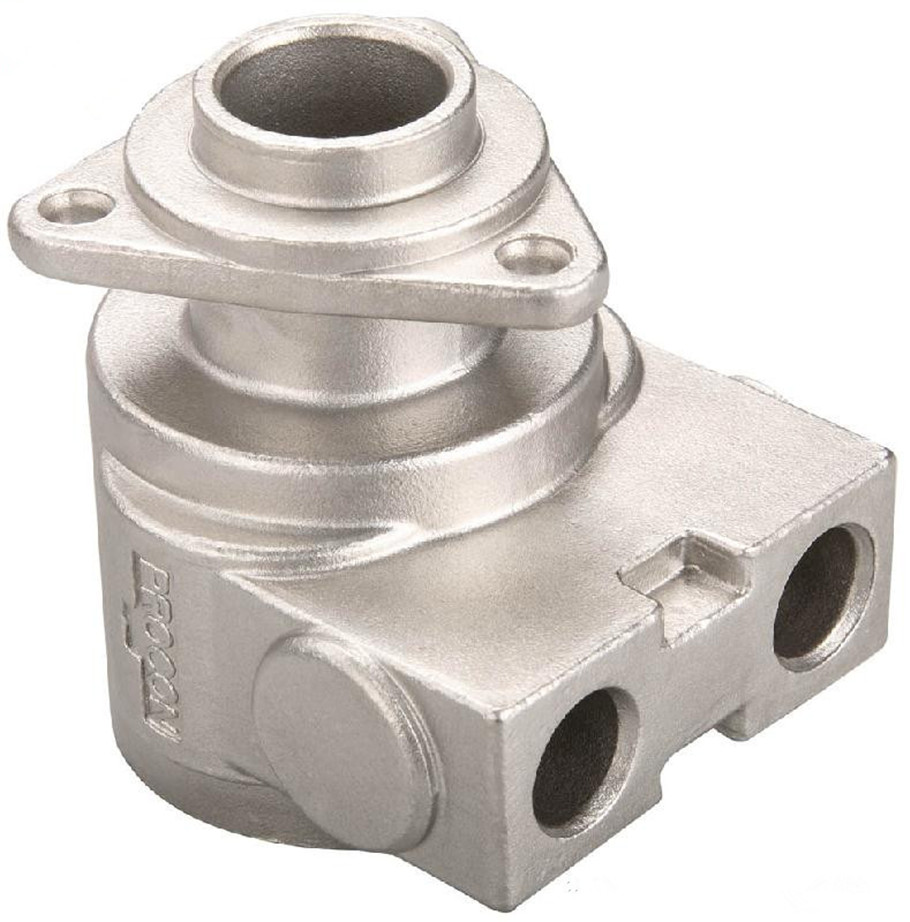
Casting process compatibility with part geometry and order quantity — sand moulding, lost-foam, vacuum moulding, lost-wax precision casting, and hot-core-box processes are each suited to different tolerance requirements and production volumes; the moulding process is selected according to the actual tolerance request and demand quantity.
Geometric complexity, tolerance, and secondary machining requirements — whether as-cast surfaces are sufficient or CNC turning, milling, surface grinding, or sub-assembly operations are needed; parts range from 1 mm to 300 mm in machined-feature scope.
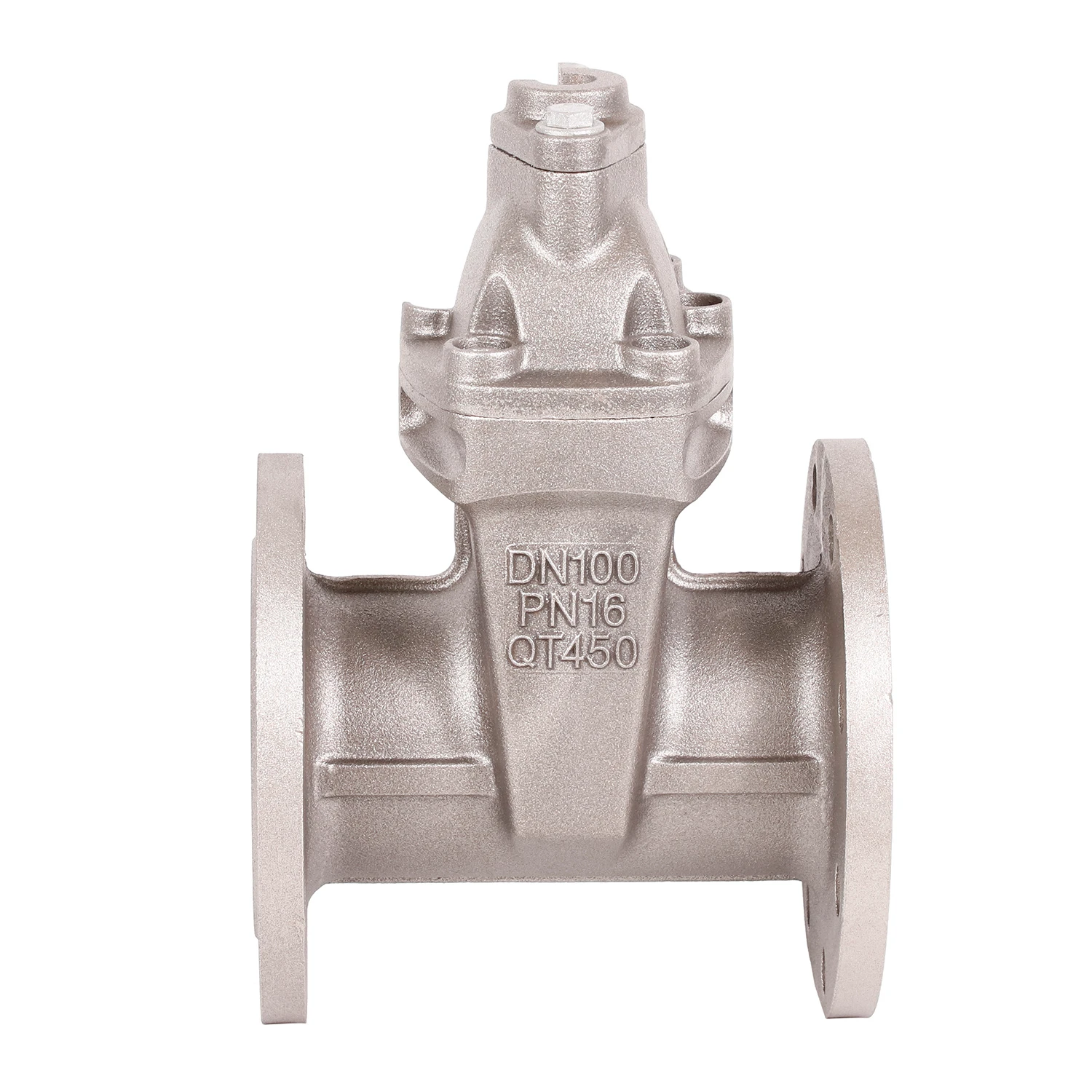
End-use application environment — valves, hydrants, pumps, trucks, and railway or train components each present different load, corrosion, and temperature conditions that influence grade selection.
Customisation scope and OEM drawing completeness — buyers must supply complete 2D/3D drawings or physical samples with dimensions, tolerances, material grade, and surface-finish callouts to enable accurate process selection and quoting.
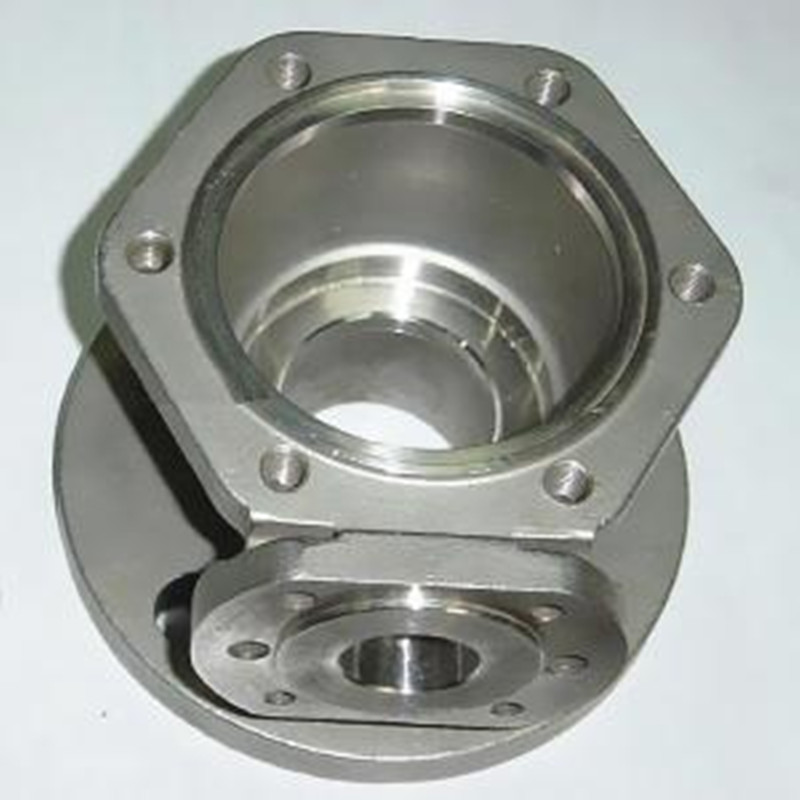
Iron cast casting custom manufacturing produces components shaped by pouring molten iron alloy into a mould matched to a buyer's drawing or sample. The result is a near-net-shape part with geometry, wall thickness, and material grade chosen to fit a specific application. Custom cast iron cases — enclosures, housings, and protective shells made from cast iron — are a common output of this process and serve as the primary focus of this guide.
Cast iron itself is an iron-carbon alloy with a carbon content greater than 2.11% (generally 2.5–4%). It also contains silicon, manganese, sulfur, and phosphorus as secondary elements. Alloying additions are sometimes made to improve mechanical or chemical properties, yielding what is called alloy cast iron. Understanding these material fundamentals is the first step in any custom cast iron selection decision.
The single most important material decision is the grade of cast iron, which determines strength, ductility, machinability, and vibration-damping behaviour. Based on the form of carbon or graphite present, cast iron falls into the following categories:
| Type | Graphite Form | Typical Characteristics |
|---|---|---|
| Gray cast iron | Flake graphite | Good machinability, excellent vibration damping, moderate tensile strength |
| Malleable cast iron | Flocculent graphite (after annealing) | Higher toughness and plasticity than gray iron; produced by long high-temperature annealing of white iron |
| Nodular (ductile) cast iron | Spherical graphite (after spheroidizing) | Higher strength and ductility; widely used in demanding structural applications |
| White cast iron | Carbon as cementite | Very hard and brittle; mainly used as steelmaking raw material or malleable iron blank |
| Mottled (hemp) cast iron | Mixed flake and cementite | High hardness and brittleness; rarely used industrially |
How to apply this criterion: Identify the mechanical loads, impact conditions, and surface-finish requirements of your application. Valves, hydrant bodies, pumps, truck parts, and railway components are served by gray iron or ductile iron grades, not by white or mottled iron.
The casting method must match both the part geometry and the required production volume. Confirmed processes available for iron cast casting custom work include:
How to apply this criterion: Provide your drawing or sample, specify acceptable dimensional tolerance, and state your target quantity. The appropriate moulding craft is selected against those inputs. Buyers who need only a single prototype face different process economics than those ordering production volumes.
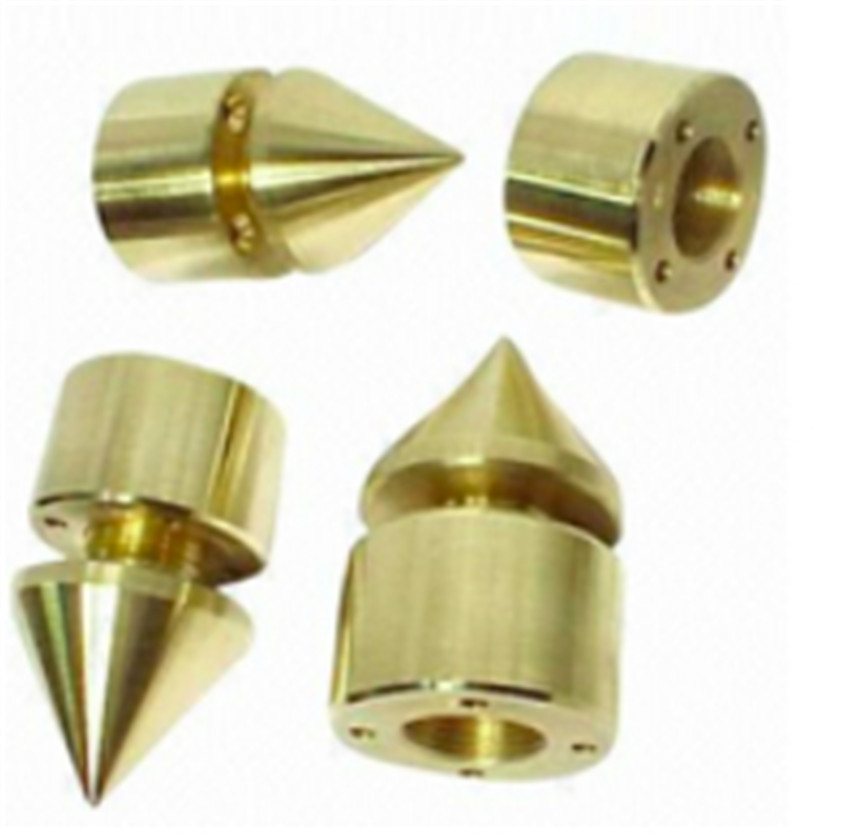
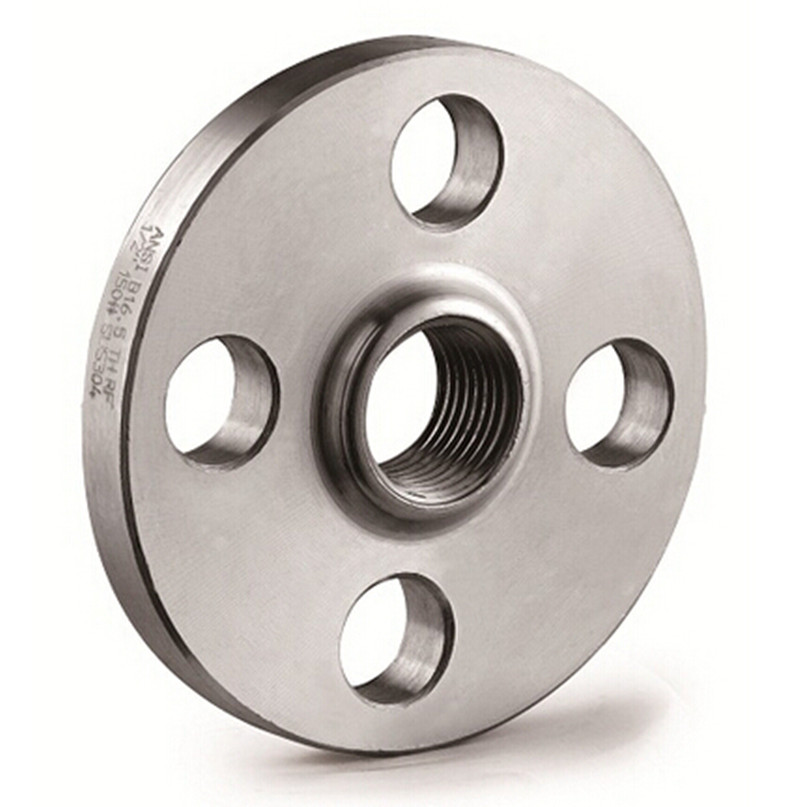
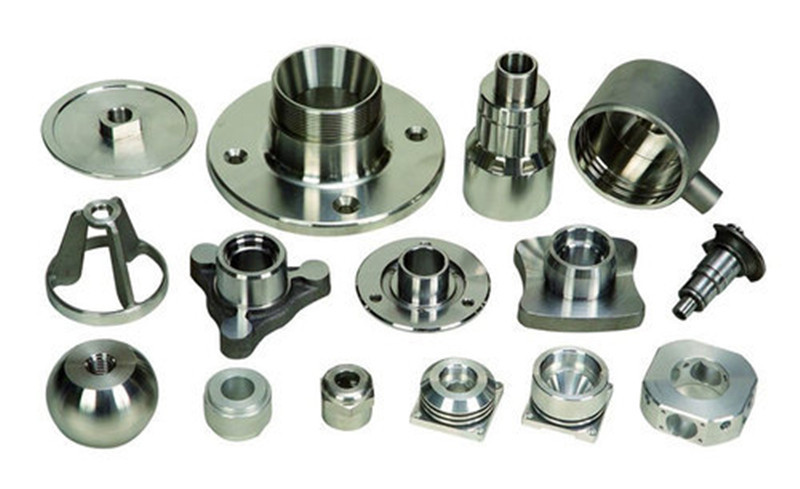
Custom cast iron cases often require machined surfaces — bores, flanges, mounting faces, or threaded features — after casting. CNC turning, milling, surface grinding, and CNC engraving are confirmed secondary operations. Parts can be produced from 1 mm to 300 mm across a range of materials using CNC precision machining. Sub-assembly work can also be handled as part of the same order.
How to apply this criterion: Identify which surfaces must meet close tolerances and which can remain as-cast. Communicating this upfront allows the correct machining operations to be specified and avoids unnecessary cost on non-critical faces.
Cast iron cases are used across multiple industries. Confirmed end-use categories include valves, hydrants, pumps, trucks, railway and train components. The operating environment determines which grade and surface treatment are appropriate:
How to apply this criterion: Match the confirmed grade categories above to your application environment. If your environment involves unusual temperatures, chemical exposure, or regulatory requirements, confirm those specifications directly — no certifications or performance limits are stated here beyond what the source materials support.
Custom cast iron cases are produced as OEM parts against customer drawings or samples. The product line covers ductile iron sand castings, lost-foam castings, and vacuum-moulding castings, with the moulding process selected according to tolerance requirements and order quantity. The same supplier handles raw castings and machined castings, as well as forged parts and other metal components, which is relevant when a buyer needs multiple part types from a single source.
How to apply this criterion: Supply a complete drawing (with dimensions, tolerances, material grade, and surface finish callouts) or a physical sample. Partial specifications increase the risk of a non-conforming first article.
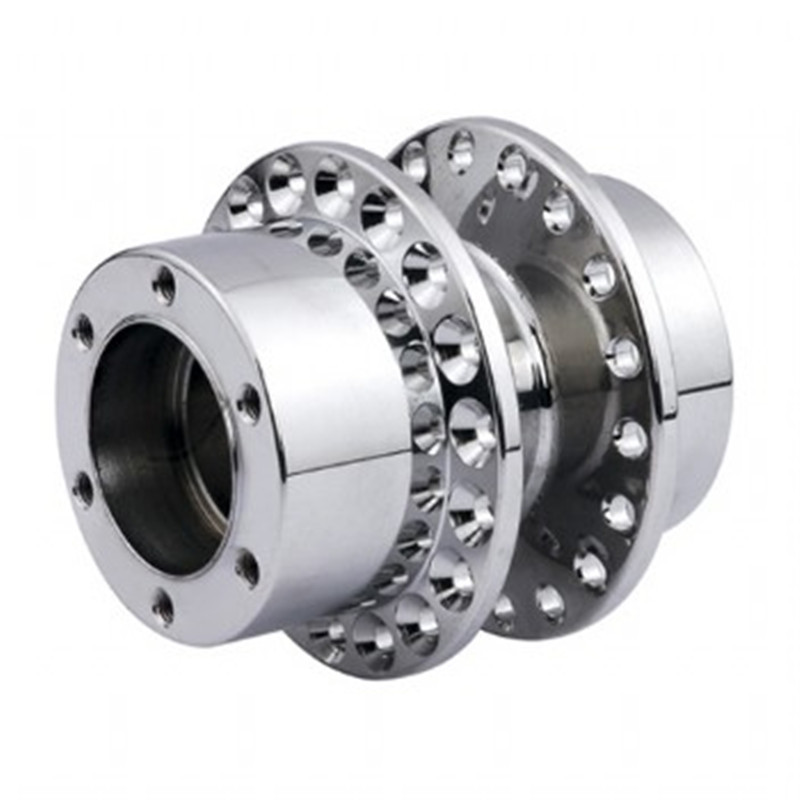
The following confirmed products are relevant to buyers evaluating iron cast casting custom options:
All products are available on an OEM basis against buyer drawings or samples. No pricing, lead times, or certifications are stated here; confirm those directly with Hebei Mingda International Trading Company.
Use the following checklist to organise the information you need to communicate before requesting a quote for iron cast casting custom work:
Providing complete information against each point reduces quoting time and the likelihood of a non-conforming first article.
Selecting an iron cast casting custom component — particularly a cast iron case — requires buyers to align material grade, casting process, geometric tolerances, secondary machining needs, and end-use environment before committing to an order. Hebei Mingda International Trading Company offers OEM cast iron cases and a range of related cast iron products produced across multiple confirmed casting and machining processes. Buyers should supply complete drawings or samples and specify operating conditions to receive an accurate proposal.
THE PEOPLE

About the author
THE COMPANY
Hebei Mingda International Trading Company is a trading company which is specialized in castings, forgings and machinery parts. We have deep business interaction with manufactures in major cities of China, so we are quite flexible and confident to be any kind of casting products to be able to meet our customers’request on quanlity and delivery time. Hebei Mingda International Trading Company is working as specialized company in the field of all kinds of castings.
About Us ↗Visit company website ↗YOUR NEXT STEP
Use case, specification, quantity and delivery window: make the next conversation specific.