



Sourcing high-precision aluminum components requires a deep understanding of the intersection between material science and subtractive manufacturing. For B2B procurement managers and engineers, identifying a partner capable of delivering tight tolerances while maintaining cost-efficiency is a primary objective. This guide examines the technical parameters and operational standards essential for successful aluminium machining china projects, focusing on how to evaluate manufacturing capabilities.
The challenge in aluminum processing often lies in balancing the material's lightweight nature with the structural integrity required for industrial applications. Whether producing components for automotive systems, aerospace fittings, or hydraulic valve bodies, the choice of CNC technology and the rigor of the quality control system directly impact the final part's performance. Understanding these variables allows buyers to mitigate risks associated with lead times and material defects.
Readers will explore a comprehensive framework for evaluating suppliers, from the selection of alloy grades to the implementation of secondary processing. We will provide specific criteria for assessing precision machining services, ensuring that the chosen production method—be it CNC turning, milling, or grinding—aligns with the technical drawings and operational environment of the end-use application.
Precision Metal Processing Fundamentals
Aluminum machining is a specialized subset of metalworking that leverages the high strength-to-weight ratio and excellent corrosion resistance of aluminum alloys. In a B2B context, this process typically involves CNC (Computer Numerical Control) technology to remove material from a solid block or casting to achieve a precise final geometry. The efficiency of this process depends heavily on the tooling used and the stability of the machining environment. For instance, high-speed milling is often employed to maximize material removal rates while maintaining surface finish integrity. Beyond simple subtraction, the integration of precision turning and surface grinding allows for the creation of complex parts with diameters ranging from 1mm to 300mm. This technical foundation is critical for industries such as railway transport and pump manufacturing, where component failure is not an option and dimensional stability under thermal stress is mandatory.
Technical Evaluation for Aluminum Component Sourcing
When evaluating a production partner, it is necessary to look beyond general claims and analyze specific technical competencies. The following sections detail the seven critical dimensions of precision aluminum manufacturing that determine the viability of a supplier for high-stakes industrial projects.
Material Grade Selection
The choice of aluminum alloy significantly affects the machinability and mechanical properties of the final part. Different grades provide varying levels of hardness, weldability, and corrosion resistance. A professional supplier should be able to recommend the specific alloy based on the application's stress requirements and environmental exposure.
| Alloy Type | Key Property | Primary Application | Machining Consideration |
|---|---|---|---|
| 6061 Aluminum | Versatility/Weldability | Structural Frames | Excellent machinability |
| 7075 Aluminum | High Strength | Aerospace Parts | Higher tool wear |
| 5052 Aluminum | Corrosion Resistance | Marine Hardware | Gummier, requires sharp tools |
| Cast Aluminum | Complex Shapes | Valve Bodies | Requires precision finishing |
| Alloy Steel (Comp) | Extreme Hardness | Heavy Machinery | Slower feed rates |
| Stainless Steel | Chemical Stability | Medical Devices | High heat generation |
CNC Machining Capabilities
Comprehensive capabilities should span across multiple CNC processes. Precision turning is essential for cylindrical components, while CNC milling is required for prismatic shapes. The ability to perform CNC engraving and surface grinding ensures that parts meet both aesthetic and functional specifications. A versatile facility can handle everything from small-scale prototyping to large-batch production, integrating secondary processing and sub-assembly to deliver a ready-to-use component.
Tolerance and Precision Control
Tight tolerances are the benchmark of high-quality machining. For components used in pumps or valves, even a micron-level deviation can lead to leakage or mechanical failure. Suppliers must utilize calibrated measurement tools and stable machinery to maintain consistency. Hebei Mingda's approach emphasizes strict quality assurance systems to ensure that the final product aligns exactly with customer-supplied drawings, reducing the need for costly rework.
Surface Treatment Options
Raw machined surfaces often require secondary treatments to enhance durability or appearance. Anodizing is the most common for aluminum to increase wear resistance and corrosion protection. Other options include powder coating or chemical polishing. The integration of these services within the supply chain prevents the logistical delays and risks associated with moving parts between different vendors.
Complex Geometry Solutions
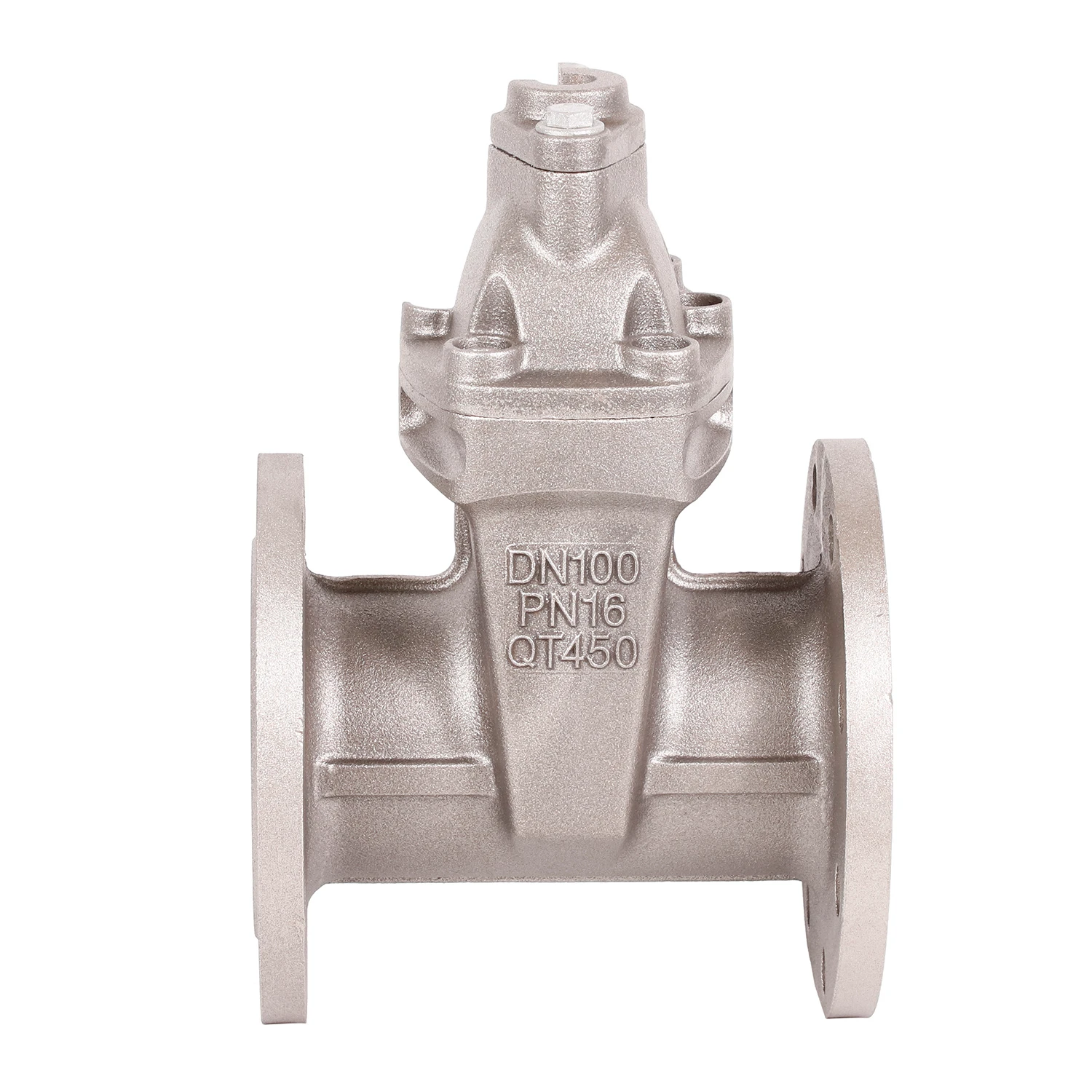
Some parts are too complex for traditional machining alone. In such cases, a combination of casting and machining is used. By producing a raw casting—using methods like resin sand or lost-wax—and then CNC machining the critical mating surfaces, manufacturers can achieve complex internal geometries with high precision on external interfaces, which is common in hydrant and valve body production.
Quality Assurance Protocols
A robust QA system must cover the entire lifecycle from raw material inspection to final shipping. This includes checking material certifications, performing dimensional inspections against drawings, and verifying surface finishes. For international shipping to regions like Germany or the USA, documentation and adherence to recognized quality standards are essential for regulatory compliance and operational safety.
Supply Chain Efficiency
Lead time is a critical commercial factor. A standard lead time of 30 days is typical, but the ability to accelerate production to 20 days in urgent cases can save buyers significant air freight costs. The flexibility to choose the most suitable foundry or machining facility based on the specific project requirements allows for a better balance between quality and competitive pricing.
FAQ
What is the typical size range for precision aluminum CNC parts?
Precision CNC machining can typically produce parts ranging from 1mm to 300mm. The specific limit depends on the machine bed size and the precision of the tooling available. Smaller parts require higher stability to avoid vibration, while larger parts require careful management of thermal expansion during the machining process.
How do I choose between a raw casting and a fully machined part?
Raw castings are ideal for creating the general bulk and complex internal shapes of a part at a lower cost. However, critical surfaces—such as threads, bores, and mating faces—must be machined to achieve the required tolerances. Most high-performance industrial components use a "cast-then-machine" workflow to optimize both cost and precision.
Which surface treatments are recommended for aluminum parts in corrosive environments?
Hard-coat anodizing is highly recommended for aluminum parts exposed to harsh environments as it creates a thick, durable oxide layer. For applications requiring absolute chemical isolation, powder coating or specialty epoxy coatings may be used. The choice depends on whether the priority is wear resistance or chemical protection.
What factors affect the lead time for custom machined components?
Lead times are primarily affected by the complexity of the drawings, the availability of raw materials, and the current machine capacity of the supplier. While 30 days is standard, streamlined communication and clear technical specifications can often reduce this time. Urgent orders may be prioritized to avoid expensive shipping methods.
How is the quality of aluminum machining verified for B2B orders?
Verification is typically done through a combination of First Article Inspection (FAI), where the first part produced is rigorously measured, and statistical process control (SPC) for mass production. Buyers should request dimensional reports and material certifications to ensure the parts meet the specified standards before shipping.
Can CNC machining handle materials other than aluminum?
Yes, professional CNC facilities can process a variety of materials including alloy steel, stainless steel, brass, and certain plastics like nylon, PMMA, and Teflon. Each material requires different cutting speeds, feeds, and tooling, meaning the supplier's experience with diverse materials is a key indicator of their technical maturity.
References and further reading
- International Standards for CNC Machining Tolerances and Surface Finishes.
- Aluminum Alloy Selection Guide for Industrial Engineering Applications.
- Guidelines for Quality Assurance in Global Metal Component Sourcing.


