Phone:
+86 18631189888

Email:
liyanhui@bestcastings.cn


THE BUYER'S GUIDE / SELECTION
A cast iron gear cover must match the operating environment, gear geometry, and housing integration of its target assembly. This guide walks procurement teams through the key selection criteria — material grade, casting method, geometry compatibility, and end-use fit — using confirmed product details from Hebei Mingda International Trading Company. The cast iron conical gear, with its conical profile and cast iron body, is examined as the primary applicable product, while related cast iron components such as rings, buckles, and plates provide context for broader gear-cover assemblies.
Cast iron grade (gray, malleable, nodular, or white) — determines hardness, machinability, toughness, and suitability for the operating load and environment of the gear cover.
Conical gear geometry compatibility — the cover profile must accommodate the tapered tooth envelope and angular axis of a conical gear drive, confirmed by OEM drawing alignment with the product's cast iron casing design.
Casting method and dimensional tolerance — sand mould, resin sand, lost-wax, lost foam, and vacuum moulding are available; the method is selected according to the required tolerance class and order quantity.
Integration fit with adjacent components — flanges, rings, buckles, and elbows must match the cover's connection standards; all referenced components are available as cast iron parts.
End-use application environment — valves, hydrants, pumps, trucks, and railway applications each impose different load types, fluid-exposure conditions, and assembly-access requirements that influence cover design.
A cast iron gear cover is an enclosure or protective shell cast from iron alloy that houses or interfaces with a gear train — most commonly seen in valve actuators, gearboxes, and industrial drive systems. The cover protects internal gear teeth from contamination, retains lubricant, and provides structural containment during operation.
Cast iron is an iron-carbon alloy with a carbon content greater than 2.11% (generally 2.5–4%). It is a multi-element alloy with iron, carbon, and silicon as the main component elements, and contains more manganese, sulfur, and phosphorus than carbon steel. These compositional characteristics directly affect hardness, machinability, and the ability to hold tight dimensional tolerances — all of which matter when a cover must mate precisely with a gear housing.
Before sourcing a cast iron gear cover, buyers should identify which grade of cast iron is appropriate for their working conditions:
The grade should be chosen before specifying any cover geometry, because it governs both the casting process and the achievable surface finish.
When the covered gear is a conical gear (bevel gear), the cover geometry must accommodate the tapered tooth profile and the angular axis of the gear pair. A flat or cylindrical cover will not provide adequate clearance or sealing around a conical gear train.
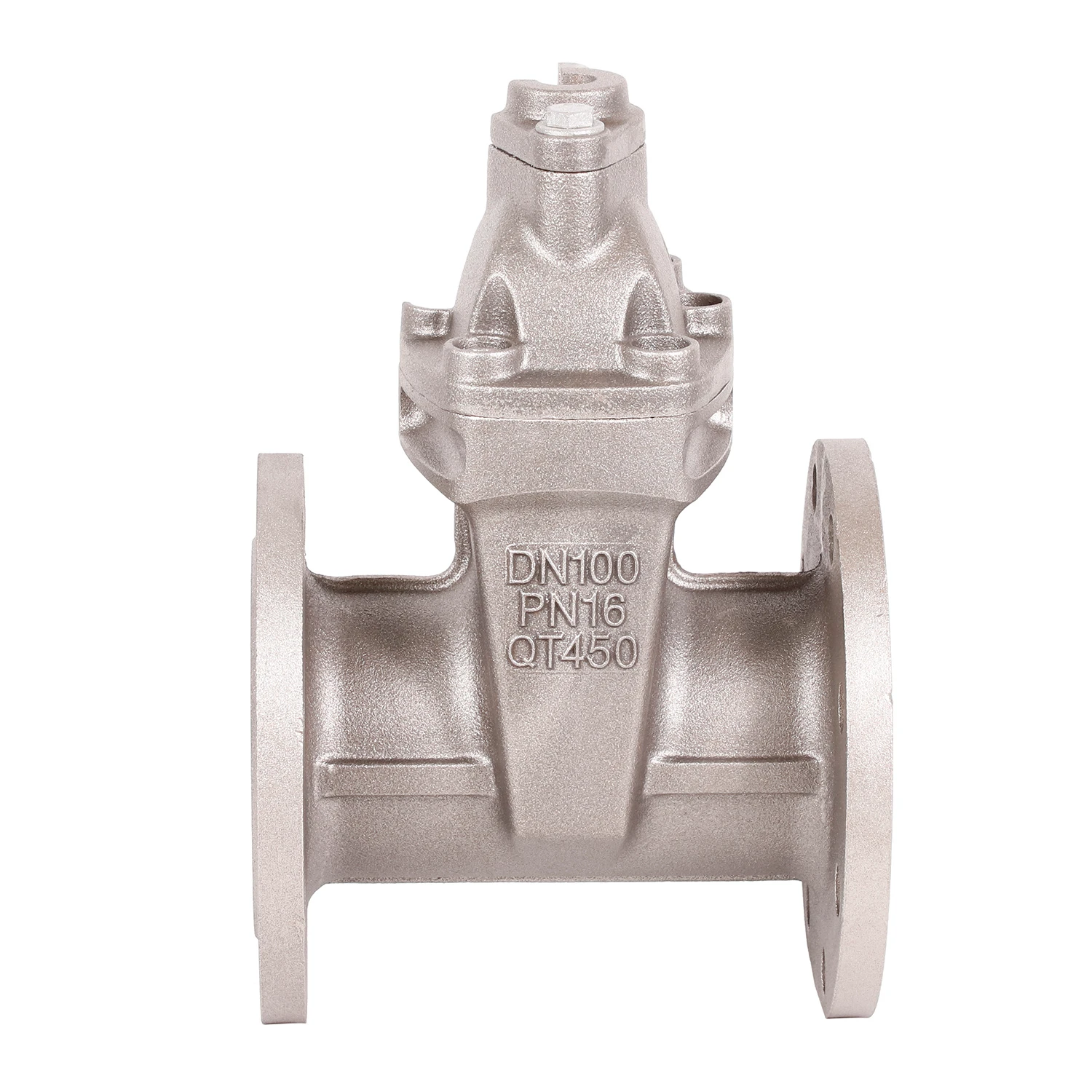
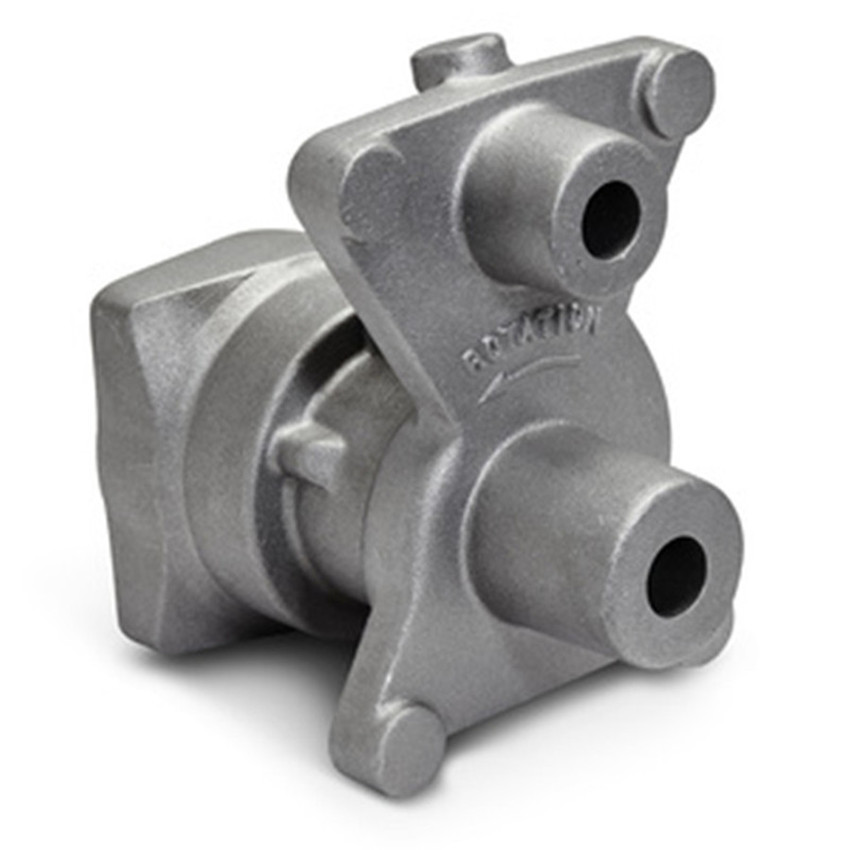
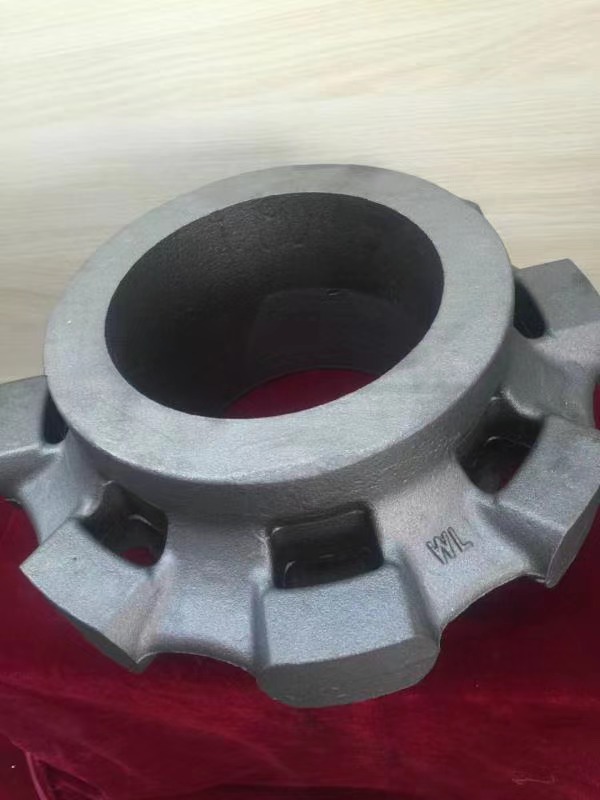
Hebei Mingda International Trading Company offers a cast iron conical gear designed as a component within conical gear gate valve assemblies. The product uses a cast iron casing paired with a buckle cast iron interface, confirming that the cover and the gear are designed as an integrated system. Buyers specifying a cast iron gear cover for a conical gear drive should verify that the cover profile mirrors the conical gear's envelope — both radially and axially.
The product range from Hebei Mingda International Trading Company includes parts produced via sand mould, resin sand, hot core box, lost-wax, and lost foam processes. The moulding method for OEM ductile iron sand castings, lost foam casting, and vacuum moulding is selected according to the actual tolerance requirement and demand quantity.
For a cast iron gear cover, casting method selection affects:
Buyers should communicate their required tolerance class and order quantity when requesting a cast iron gear cover, as the casting route directly determines achievable dimensional accuracy.
A cast iron gear cover rarely functions in isolation. It must interface with:
Hebei Mingda International Trading Company produces all of these related cast iron components — rings, plates, buckles, and elbows — supporting sourcing of a complete gear-cover assembly from a single supplier when drawings are provided.
The confirmed product descriptions note that most castings are used for valves, hydrants, pumps, trucks, railway, and train applications. This range of end uses indicates suitability for both fluid-control environments (gate valves, hydrants) and mechanical drive environments (trucks, railway). For each environment, buyers should confirm:
No pressure ratings, temperature limits, or specific load values are stated in the available product materials; buyers should obtain application-specific parameters directly.
The primary confirmed product applicable to a cast iron gear cover selection is the Cast Iron Conical Gear offered by Hebei Mingda International Trading Company. This product is described as a conical gear gate valve component with a cast iron casing and buckle cast iron interface, making it the directly relevant reference for buyers specifying a cast iron cover for a conical gear assembly.
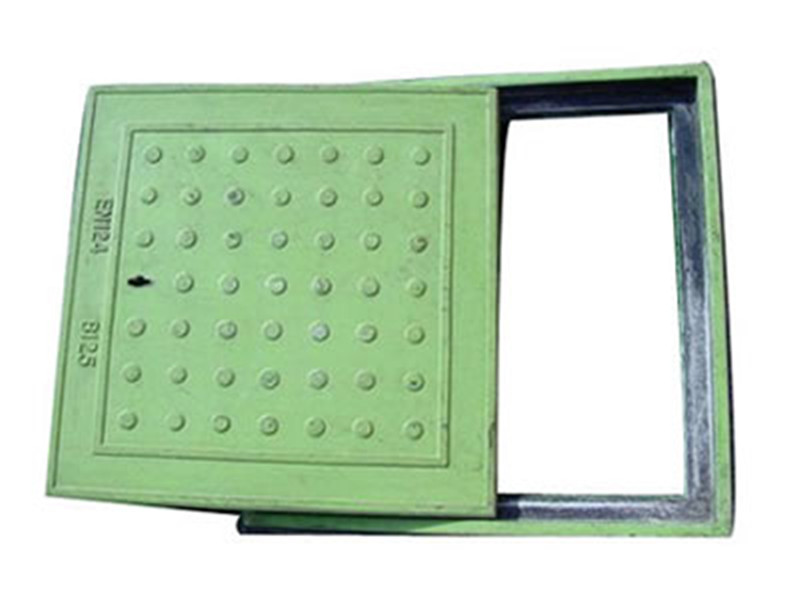
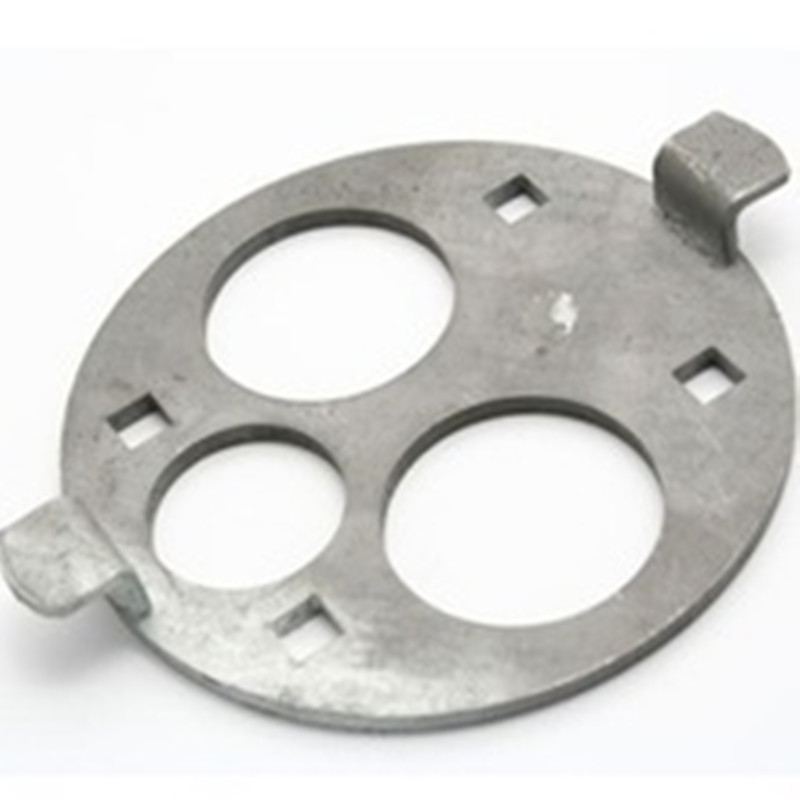
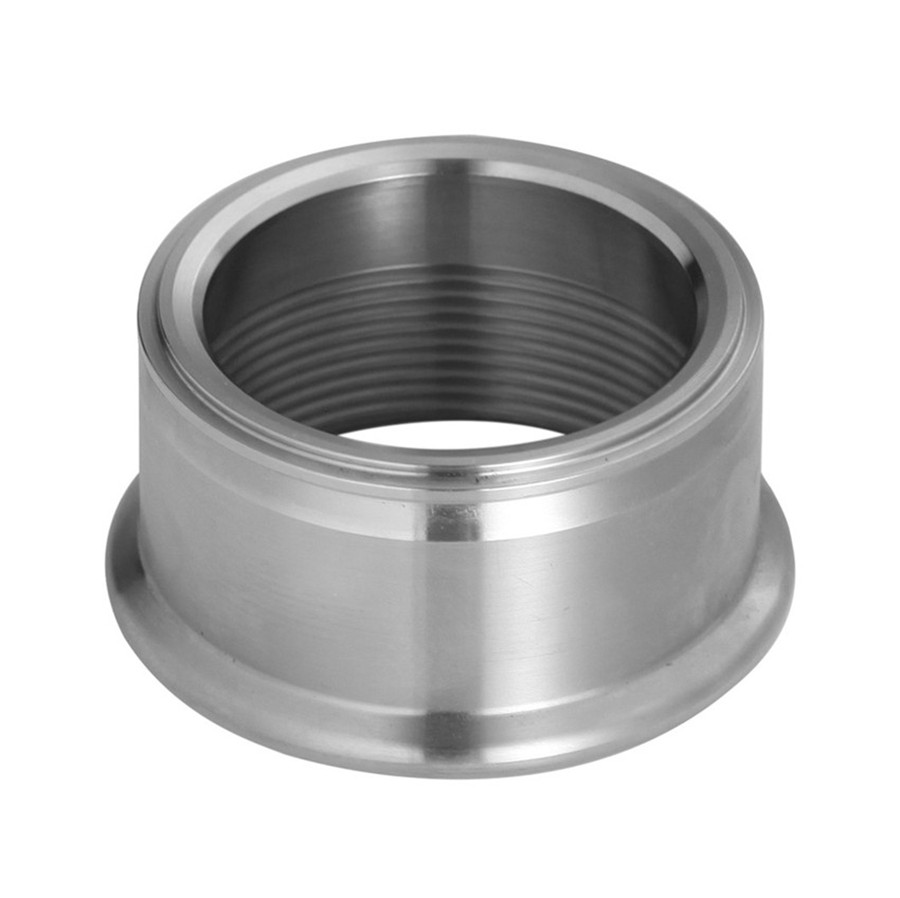
Additional cast iron products in the Hebei Mingda International Trading Company portfolio — cast iron rings, cast iron plates, cast iron buckles, and cast iron elbows — are relevant as ancillary interface components when a complete gear-cover assembly is being procured.
Before placing an order for a cast iron gear cover, verify the following:
Hebei Mingda International Trading Company accepts OEM orders based on customer drawings for all cast iron components. Buyers with non-standard cover geometries or special alloy requirements should supply drawings and tolerance specifications when requesting a quotation.
Selecting the right cast iron gear cover requires matching the cover's material grade, casting process, and geometry to the specific conical gear or gear train it encloses. The cast iron conical gear from Hebei Mingda International Trading Company provides a confirmed reference point for buyers working with conical gear gate valve systems. For broader assemblies, the full range of cast iron components — rings, plates, buckles, and elbows — supports complete integration. Buyers should provide OEM drawings and clearly specify their operating environment to ensure dimensional and functional fit.
THE PEOPLE

About the author
THE COMPANY
Hebei Mingda International Trading Company is a trading company which is specialized in castings, forgings and machinery parts. We have deep business interaction with manufactures in major cities of China, so we are quite flexible and confident to be any kind of casting products to be able to meet our customers’request on quanlity and delivery time. Hebei Mingda International Trading Company is working as specialized company in the field of all kinds of castings.
About Us ↗Visit company website ↗YOUR NEXT STEP
Use case, specification, quantity and delivery window: make the next conversation specific.