Phone:
+86 18631189888

Email:
liyanhui@bestcastings.cn


QUESTIONS & ANSWERS
Business buyers and procurement teams sourcing cast iron plates often have questions about material composition, available types, casting methods, and how to work with cast iron plate suppliers. This FAQ draws on confirmed product and company information from Hebei Mingda International Trading Company. to answer the most common questions about cast iron plates — covering alloy grades, graphite structure variants, typical industrial uses, OEM capabilities, and what to expect from the ordering process.
Whether you are purchasing your first batch or expanding an existing program, this FAQ covers the essential questions buyers ask when evaluating cast iron plate suppliers and placing orders for industrial cast iron plates.
Cast iron is an iron–carbon–silicon alloy in which the carbon content is greater than 2.11% (typically 2.5–4%). Because that level of carbon exceeds what austenite can hold in solid solution at eutectic temperature, the excess carbon precipitates in various forms — giving cast iron its distinctive wear resistance, rigidity, and machinability. These properties make it a practical choice for plates used in valves, hydrants, pumps, trucks, railway components, and general industrial machinery.
Cast iron plates can be produced in several grades depending on how carbon is distributed within the alloy:
| Type | Carbon form | Key characteristic |
|---|---|---|
| Gray cast iron | Flake graphite | Dark-gray fracture; widely used industrial grade |
| Malleable cast iron | Flocculent (temper carbon) | Higher toughness and plasticity than gray iron; produced by long high-temperature annealing of white iron |
| Nodular (ductile) iron | Spherical graphite | Produced by spheroidizing treatment before casting; improved mechanical properties |
| White cast iron | Cementite | Silver-white fracture; mainly used as steelmaking feedstock or malleable-iron blanks |
| Mottled cast iron | Mixed graphite + cementite | High hardness and brittleness; rarely specified for industrial plate use |
The selection of grade depends on the mechanical requirements of the application. Confirm the specific grade available for your project directly with the supplier.
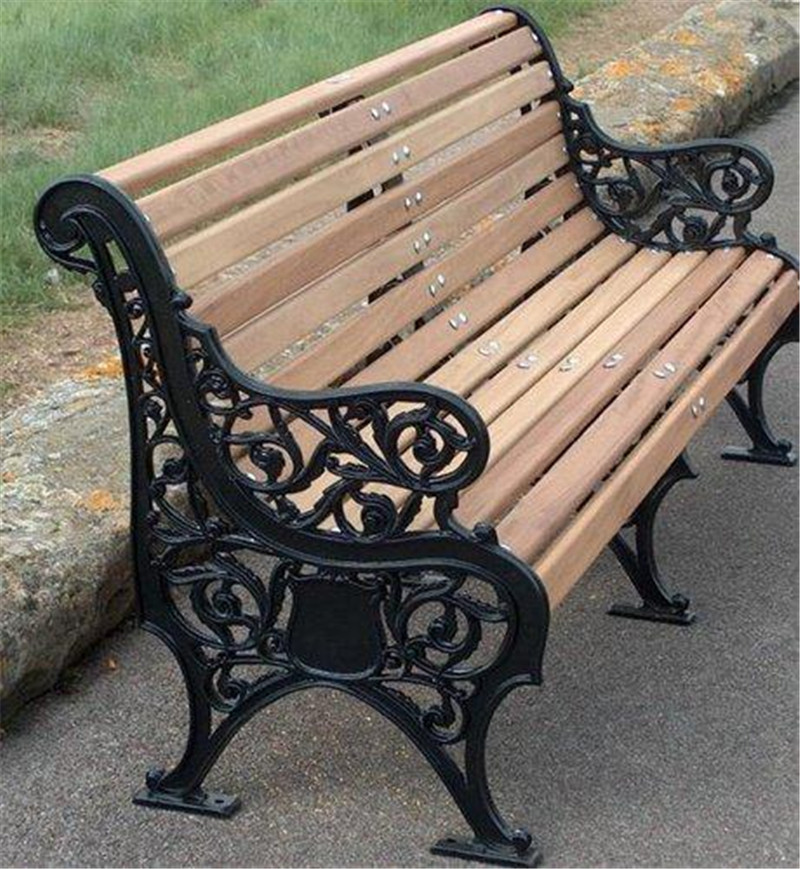
Hebei Mingda International Trading Company. works with multiple moulding processes — including resin sand, sand mould, hot core boxes, lost-wax, and lost foam — selecting the method based on the actual tolerance requirements and order quantity. OEM ductile iron sand castings and vacuum moulding are also available, with the moulding craft chosen to suit the customer’s drawing and demand.
Yes. Hebei Mingda International Trading Company. accepts OEM orders and manufactures parts to customer-supplied drawings. The company specialises in producing components with tight tolerances and complicated shapes across a range of materials. For cast iron plates specifically, the manufacturing route and moulding process are matched to the tolerances and quantity specified in the drawing.
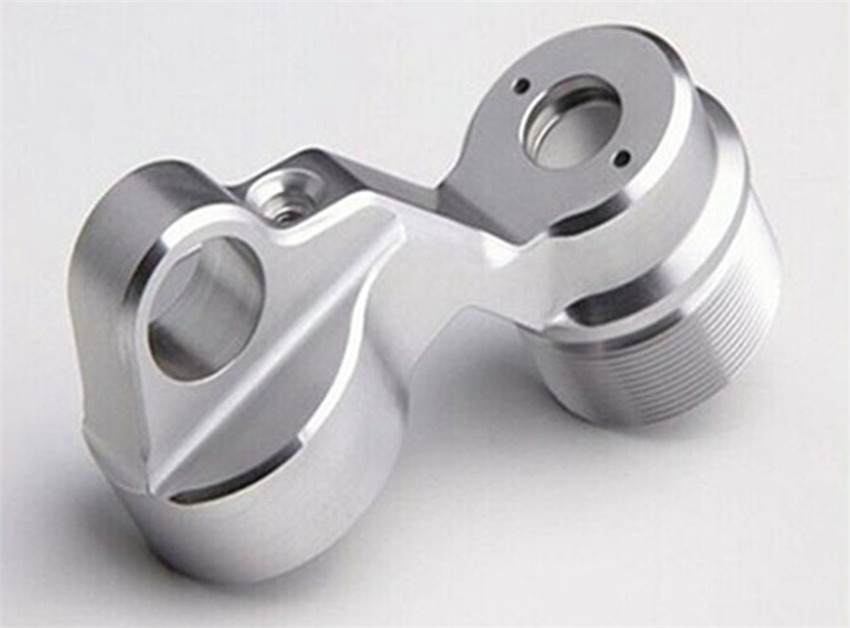
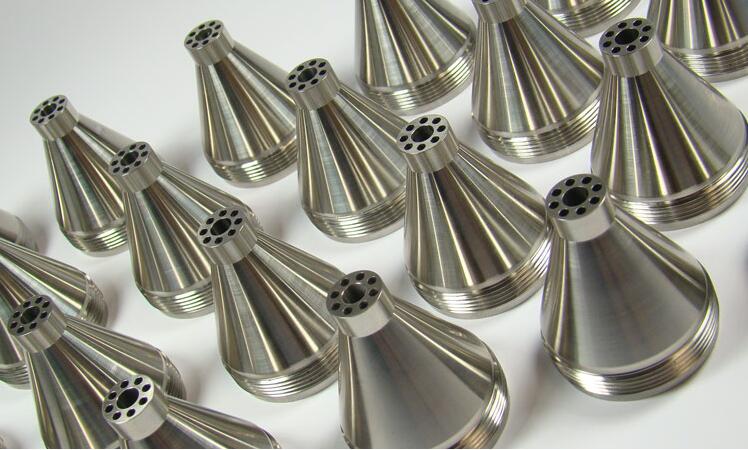
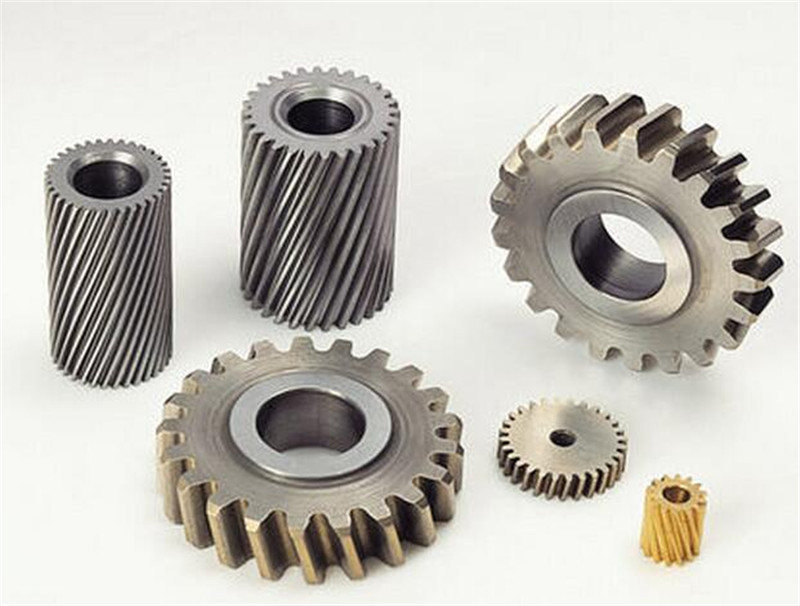
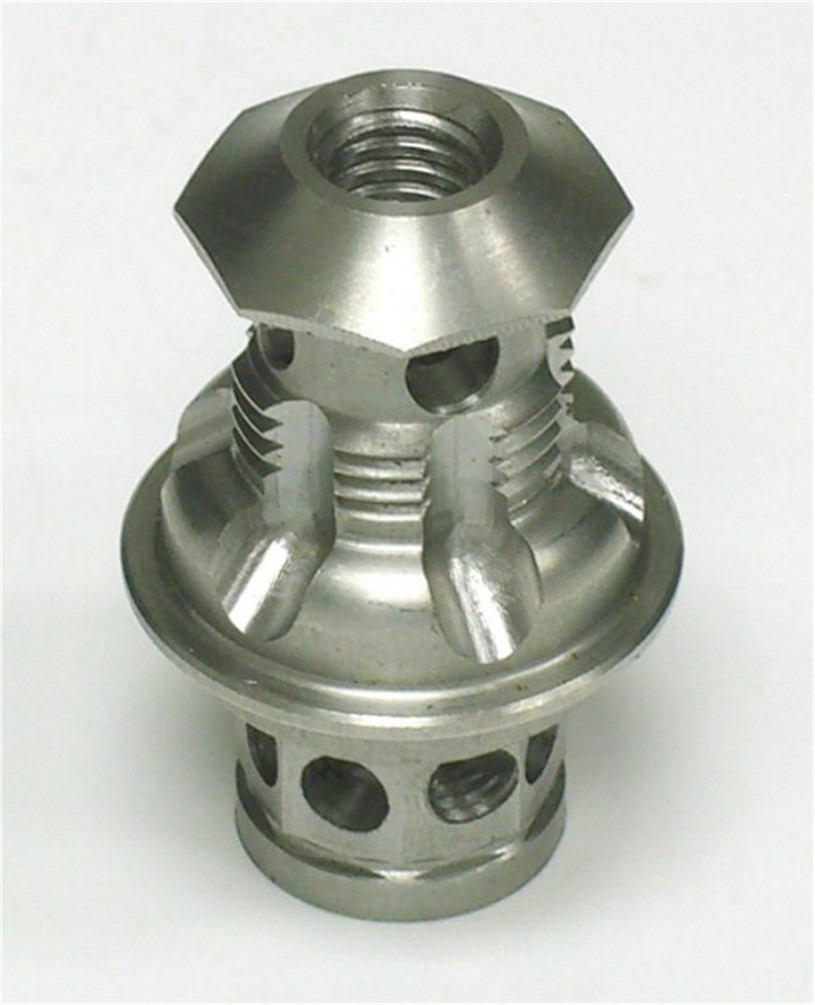
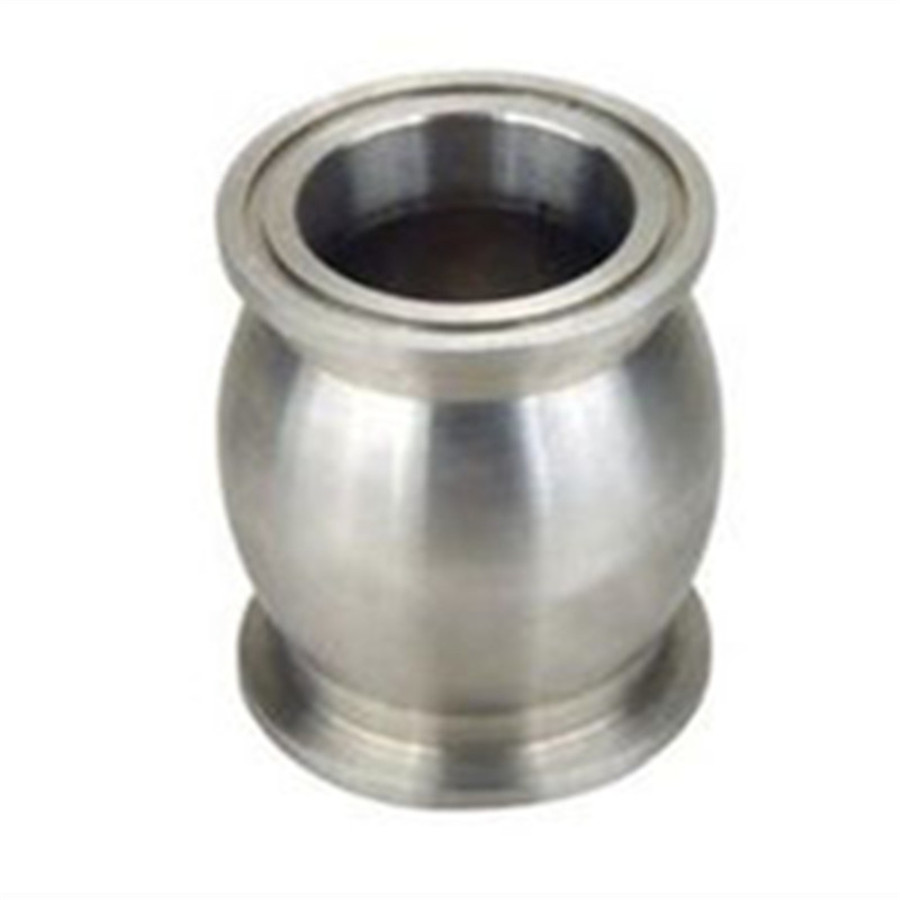
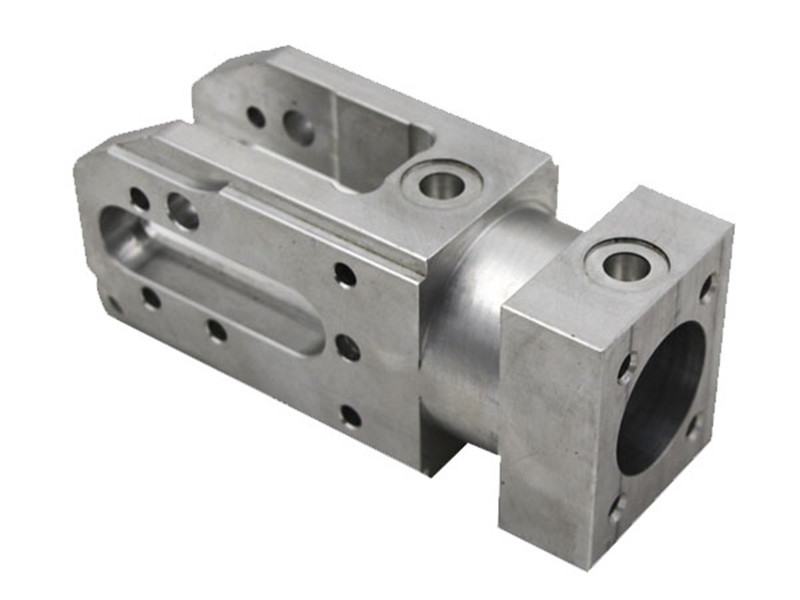
In addition to casting, Hebei Mingda International Trading Company. offers CNC precision machining services — including CNC turning, CNC milling, surface grinding, and CNC engraving — as well as sub-assembly work. This means a cast iron plate can be cast and then finish-machined in one supply chain without the buyer managing multiple vendors.
The base composition of cast iron uses iron, carbon, and silicon as main elements, plus manganese, sulfur, and phosphorus at levels higher than in carbon steel. To improve mechanical, physical, or chemical properties, additional alloying elements can be introduced, producing what is referred to as alloy cast iron. The specific elements used depend on the targeted performance attributes of the finished plate.
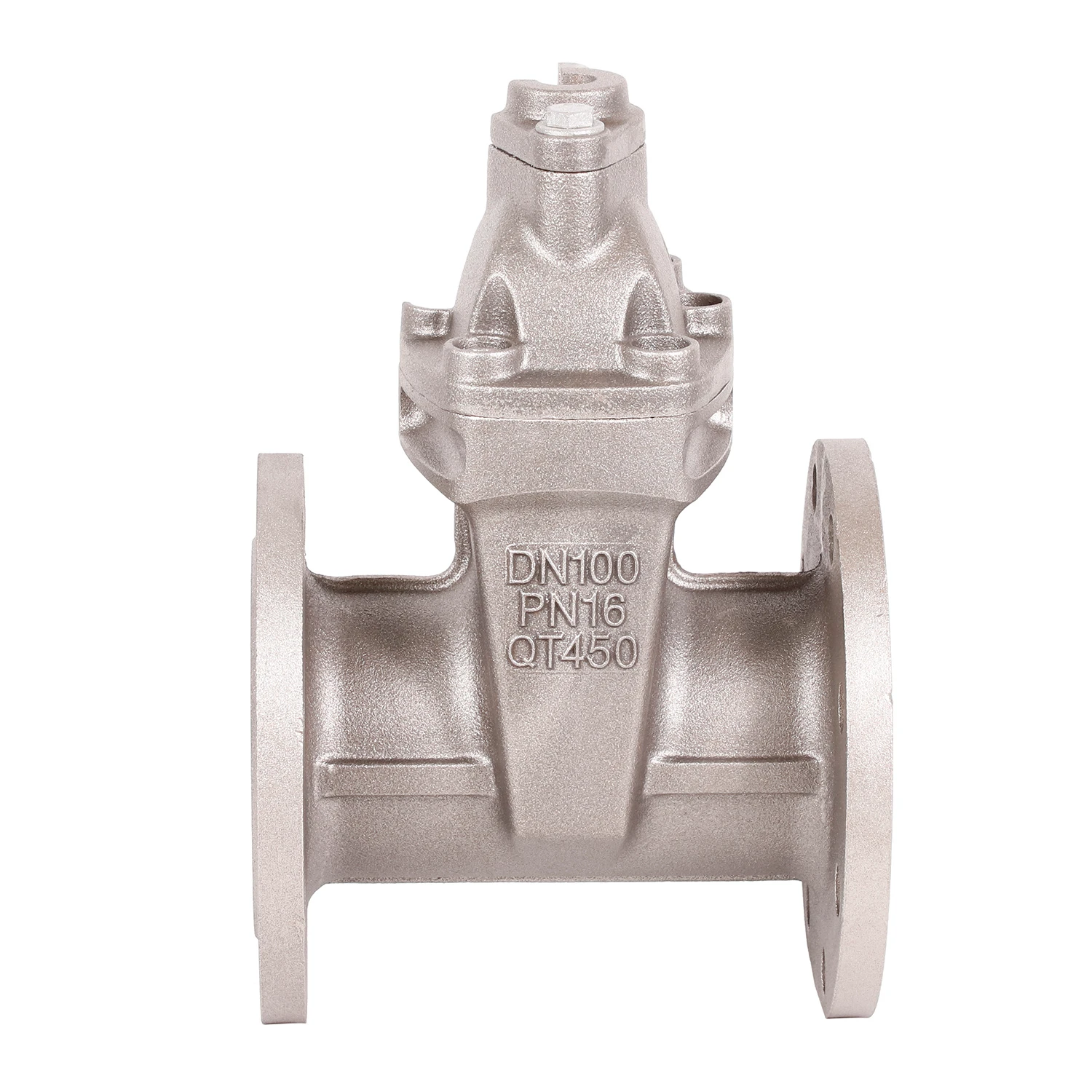
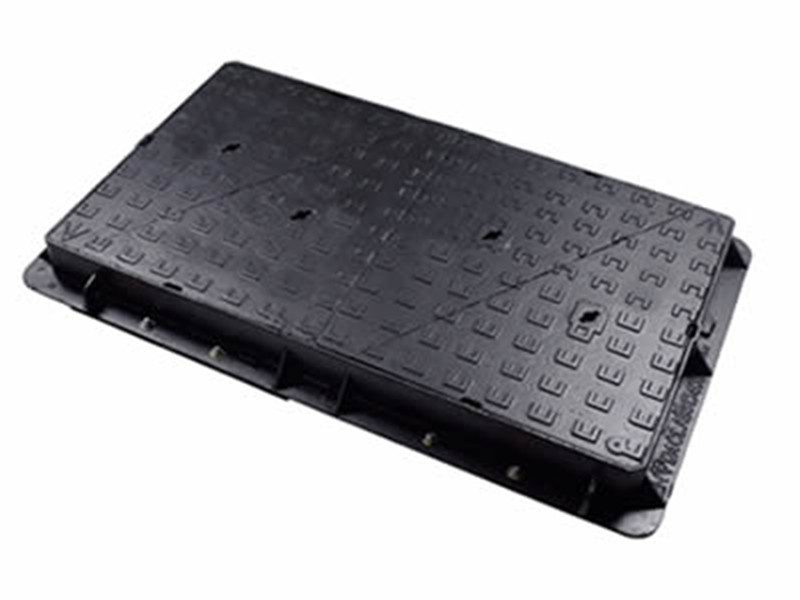
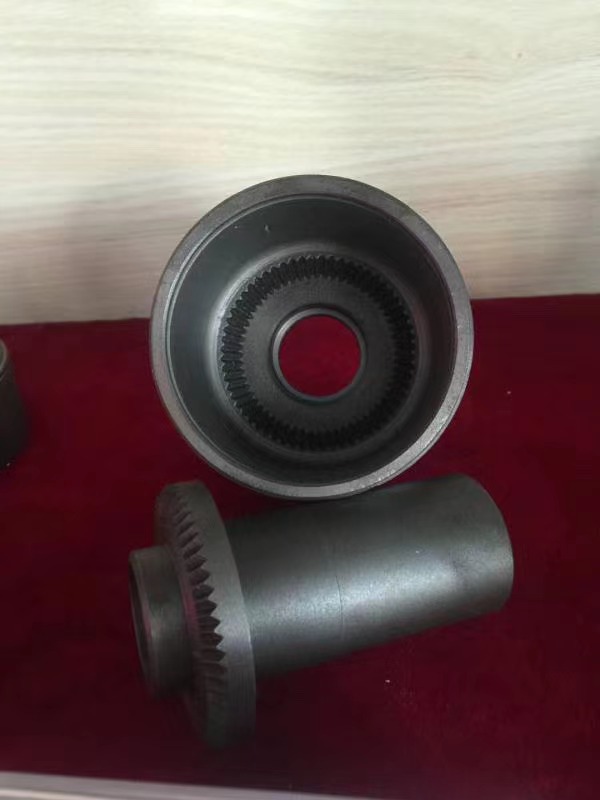
According to Hebei Mingda International Trading Company.’s product documentation, cast iron castings — including plates — are produced for valves, hydrants, pumps, trucks, railway and train components, and general industrial machinery. The company has extensive experience with hydrant bodies and valve bodies in particular, having built production expertise in these areas over many years.
When reviewing cast iron plate suppliers, buyers typically consider:
Hebei Mingda International Trading Company. is a trading company specialised in castings, forgings, and machinery parts, with deep business interactions with manufacturers in major cities of China, providing flexibility across product types and delivery schedules.
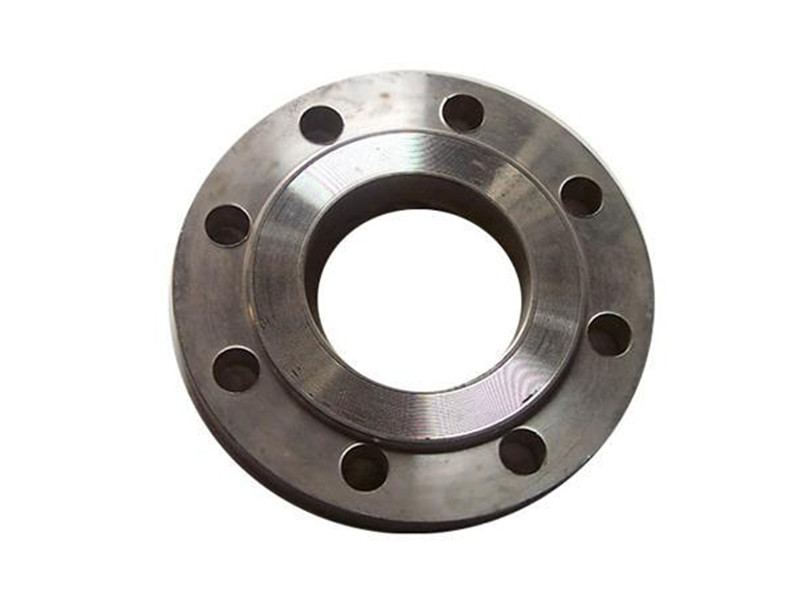
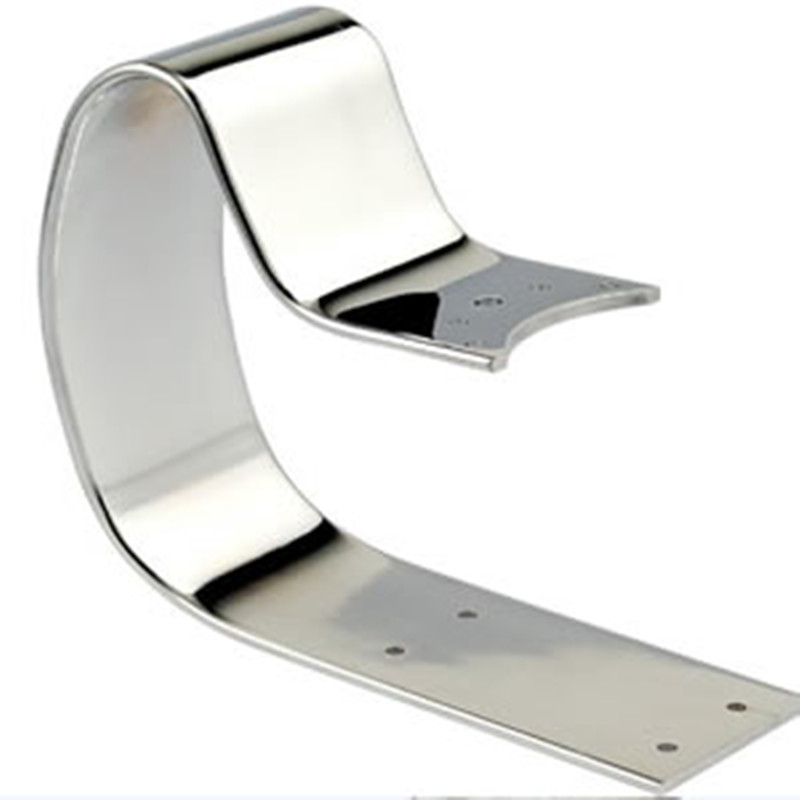
Yes. The product range listed for cast iron plates at Hebei Mingda International Trading Company. includes flange plates and blind plates for pipeline and industrial applications, described as suitable for reliable sealing and performance in pipelines and machinery.
For precision cast components, product weights from 0.2 kg to 200 kg are referenced in the company’s product documentation. The applicable weight range for a specific cast iron plate order should be confirmed with the sales team based on your drawing dimensions.
THE PEOPLE

About the author
THE COMPANY
Hebei Mingda International Trading Company is a trading company which is specialized in castings, forgings and machinery parts. We have deep business interaction with manufactures in major cities of China, so we are quite flexible and confident to be any kind of casting products to be able to meet our customers’request on quanlity and delivery time. Hebei Mingda International Trading Company is working as specialized company in the field of all kinds of castings.
About Us ↗Visit company website ↗YOUR NEXT STEP
Use case, specification, quantity and delivery window: make the next conversation specific.