Phone:
+86 18631189888

Email:
liyanhui@bestcastings.cn


THE BUYER'S GUIDE / SELECTION
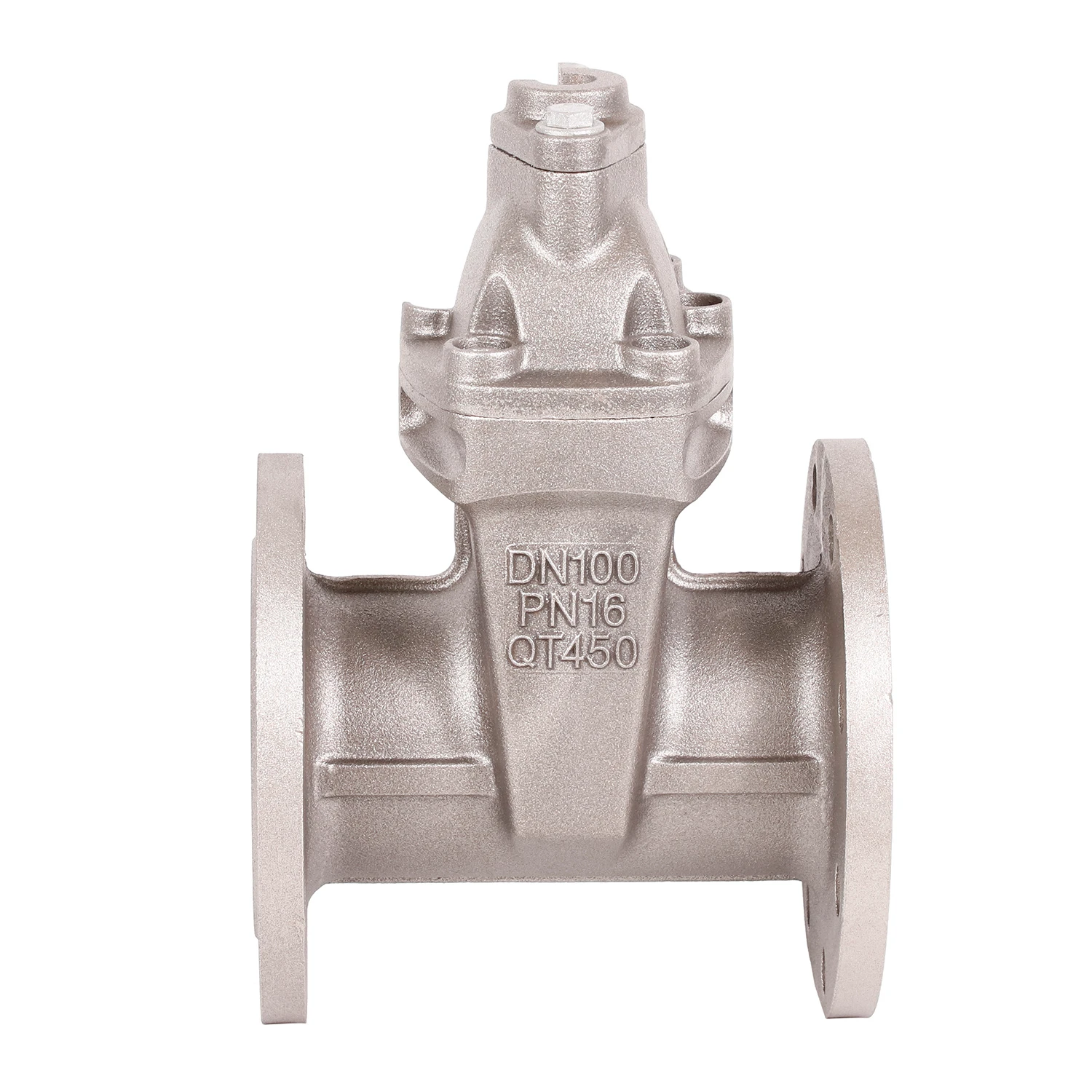
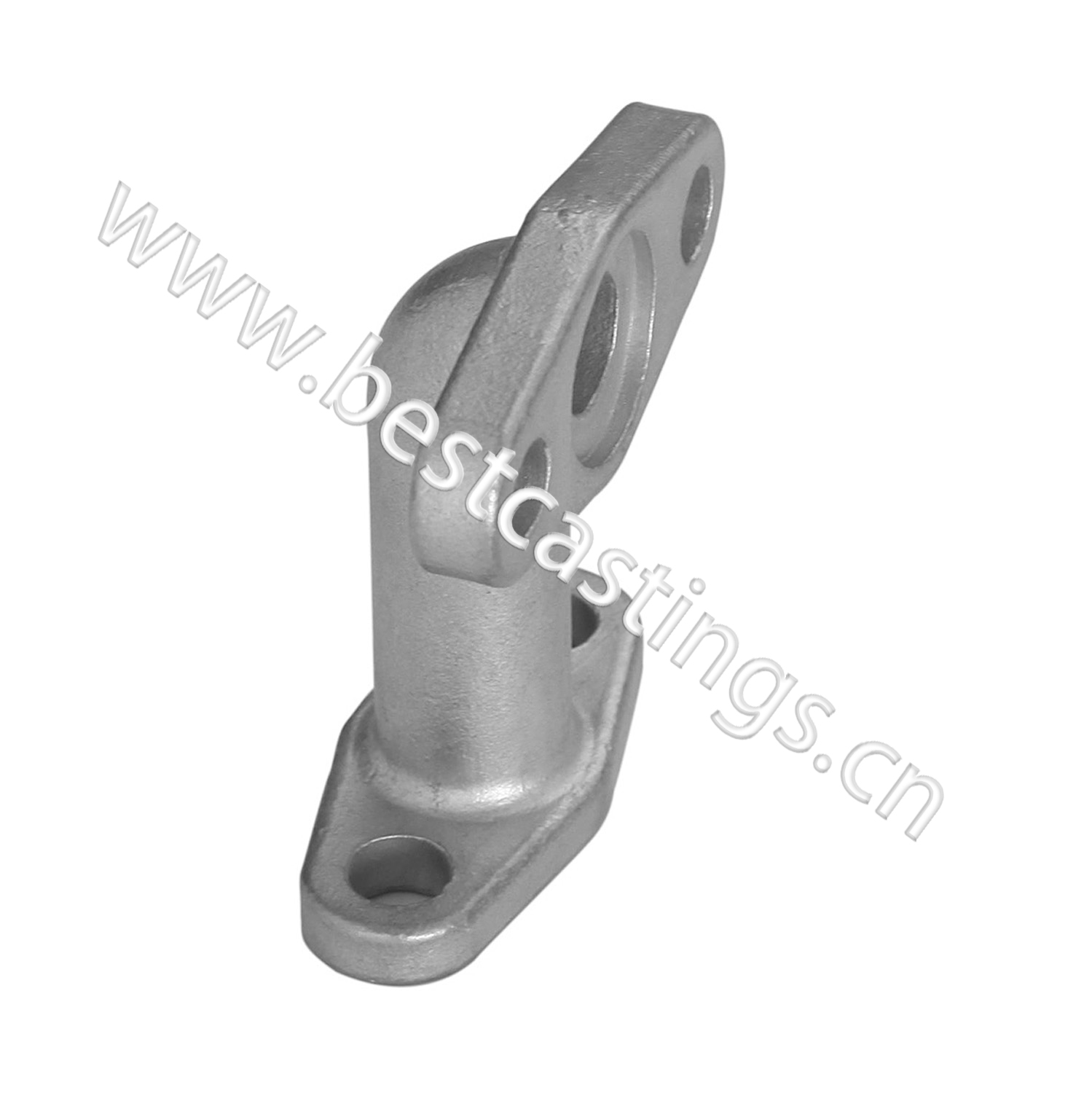
A ductile iron hydrant body is a core component in municipal water distribution, fire suppression, and industrial fluid systems. This guide walks procurement teams and engineers through the practical selection criteria — material characteristics, casting method suitability, weight range, surface treatment options, and end-use fit — drawing on the confirmed product specifications offered by Hebei Mingda International Trading Company. No price or delivery commitments are made where materials are absent.
Casting method compatibility: The product is available in Sand Casting, Cold Core, Hot Core, Resin Sand Casting, and Lost Wax Casting. Buyers should match the process to the geometric complexity and dimensional tolerance class of their hydrant body drawing.
Part weight and size range: The confirmed weight envelope is 0.2 kg to 200 kg. Verify that the specific body casting falls within this range before proceeding.
Surface treatment suitability: Six treatments are confirmed — Shot/Sand Blasting, Polishing, Surface Passivation, Primer Painting, Powder Coating, and ED-Coating. The correct selection depends on the deployment environment (buried, above-ground, coastal, or industrial).
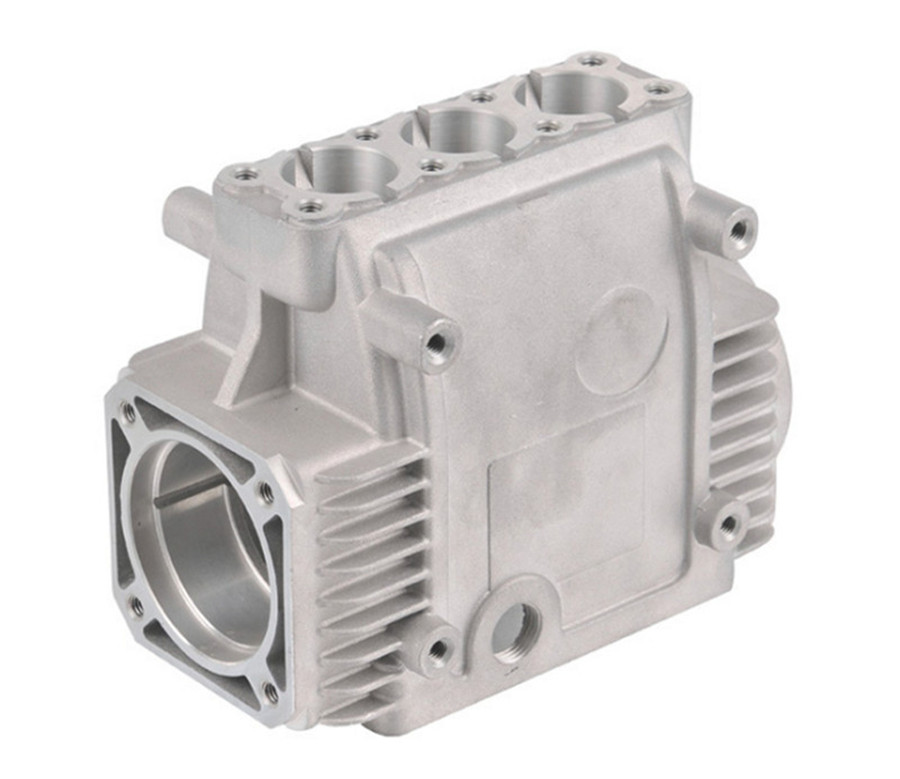
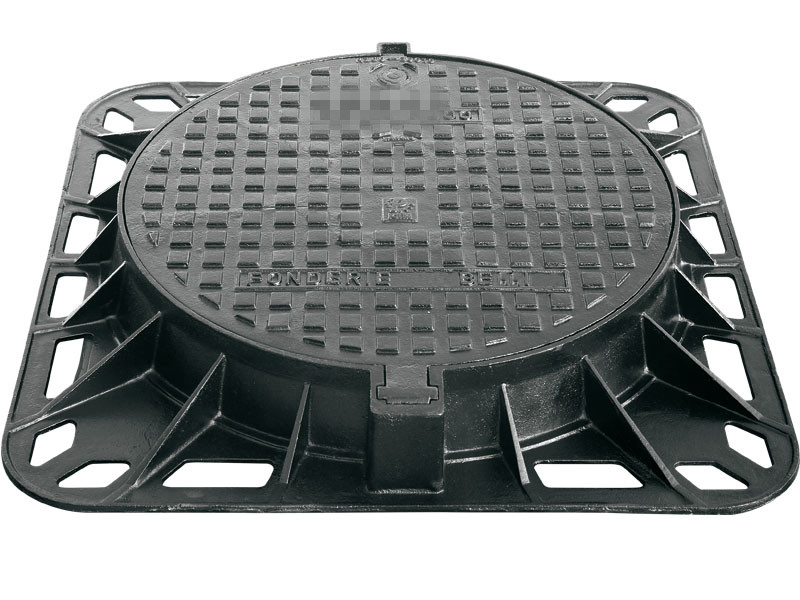
End-use application alignment: The product description confirms use in valves, hydrants, pumps, trucks, and railway components, indicating manufacturing capability applicable to pressurised infrastructure components.
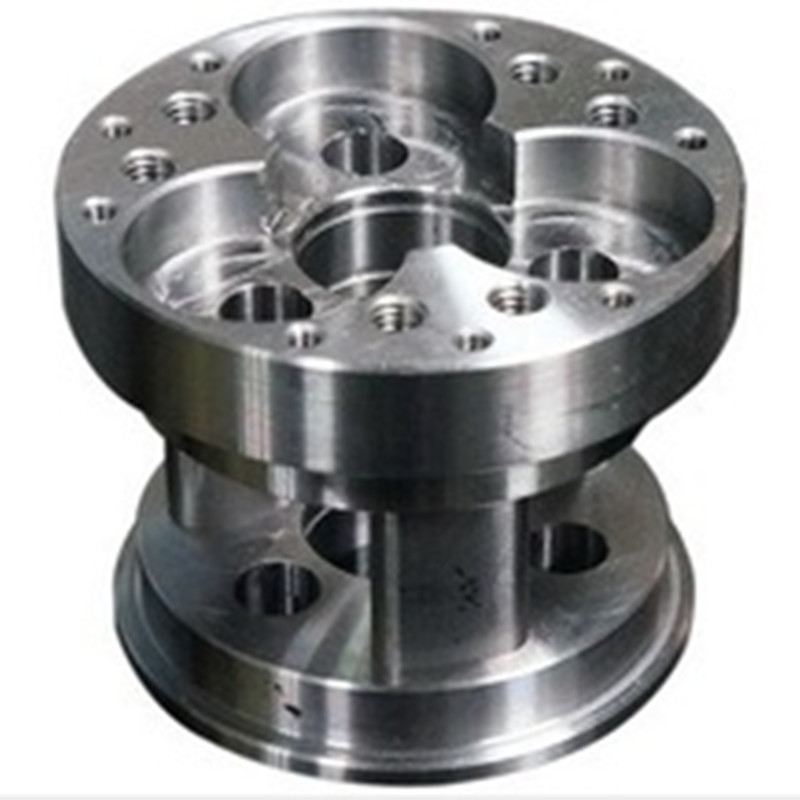
Secondary processing availability: CNC turning, milling, surface grinding, and sub-assembly services are available post-casting, relevant for buyers needing machined seating faces, threaded ports, or flange surfaces.
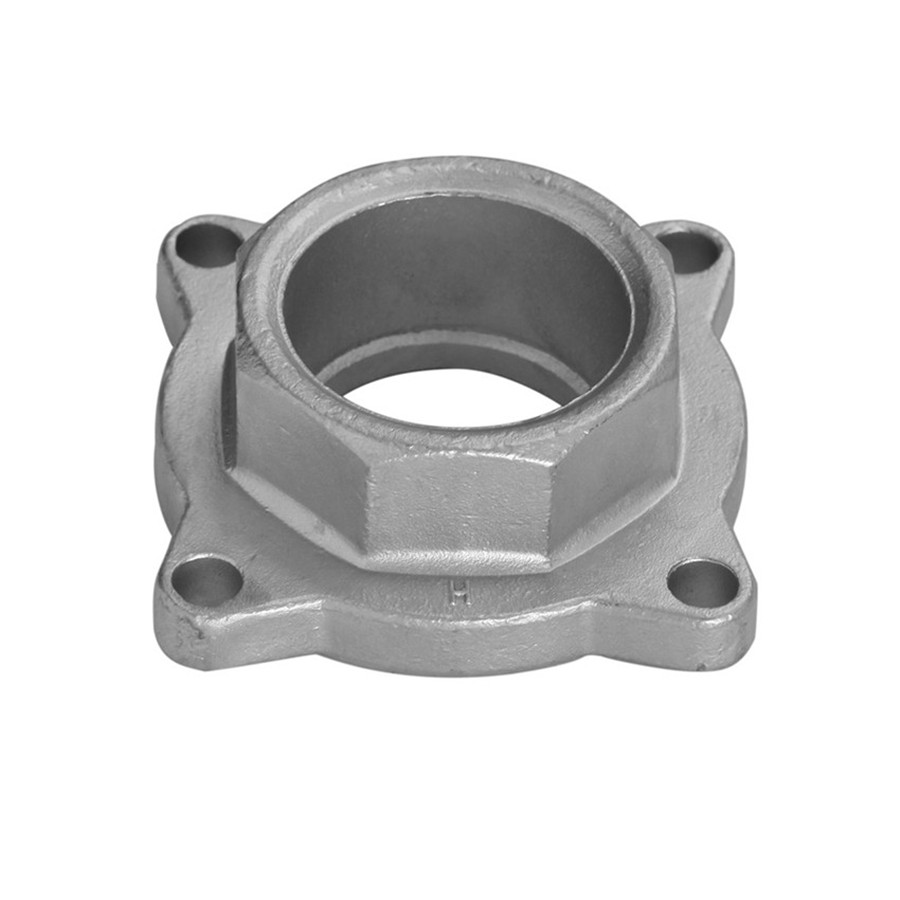
A ductile iron hydrant body forms the structural shell of a fire or utility hydrant, housing the internal valve mechanism and providing the connection points for water mains and outlet ports. Unlike grey cast iron, ductile iron (also called nodular or spheroidal graphite iron) has graphite in a spheroidal rather than flake form, giving it significantly higher tensile strength and impact resistance. These properties make it a reliable choice for pressurised, buried, and exposed infrastructure.
Hebei Mingda International Trading Company supplies ductile iron hydrant bodies manufactured through several casting techniques and finished to customer specification.
The following manufacturing techniques:
Each process suits a different complexity-vs-volume trade-off:
| Method | Typical Advantage | Consider When |
|---|---|---|
| Sand Casting | Low tooling cost, large parts | High volume, simpler geometries |
| Cold / Hot Core Box | Better dimensional repeatability | Mid-complexity internal passages |
| Resin Sand Casting | Improved surface finish over green sand | Tighter external tolerances |
| Lost Wax Casting | Highest detail, close net shape | Complex bodies, small batch |
Buyers should confirm which casting method is appropriate for the hydrant body geometry and the dimensional tolerance class required by their project specification before placing an order.
The confirmed product weight range is 0.2 kg to 200 kg. A typical single-piece hydrant body for a residential or commercial system falls comfortably within this range, but buyers procuring very large barrel bodies or multi-piece assemblies should verify that their specific weight target is achievable within this envelope.
Hydrant bodies are exposed to soil, chemicals, ultraviolet light, and mechanical contact. The available surface treatments confirmed for this product are:
For buried hydrant bodies, primer painting or ED-coating is commonly paired with blast preparation. For above-ground or exposed bodies in coastal or industrial environments, powder coating or passivation adds an additional barrier. Discuss the deployment environment with the supplier to select the appropriate finish.
According to the confirmed product description, castings produced using these methods are used in:
This breadth of application confirms that the manufacturing capabilities are suited to the demanding dimensional and mechanical requirements that hydrant bodies share with valve and pump housings. Procurement teams sourcing for municipal water systems, fire suppression infrastructure, or industrial utility lines can consider this product range applicable to their use case, subject to confirming specific pressure ratings and dimensional standards against their own project specifications.
The confirmed description explicitly states that secondary processing and sub-assembly work is available when casting production is completed. For hydrant bodies, this can include:
Buyers who require a near-finished or fully machined hydrant body rather than a raw casting should clarify with Hebei Mingda International Trading Company which secondary operations are applicable to their specific body drawing.
The following checklist summarizes the minimum pre-order checks:
Hebei Mingda International Trading Company is a trading company specialising in castings, forgings, and machinery parts. The company works with manufacturers across major production cities in China to offer flexibility across casting product types and customer specifications. Their production scope covers custom precision machining parts, CNC turning, milling, surface grinding, and sub-assembly services, with parts produced from materials including alloy steel, stainless steel, and ductile iron.
If your project requires a ductile iron hydrant body in the 0.2–200 kg range, with flexibility in casting method, and a choice of functional surface treatments including powder coating, ED-coating, or primer painting, the product range from Hebei Mingda International Trading Company is worth evaluating.
THE PEOPLE

About the author
THE COMPANY
Hebei Mingda International Trading Company is a trading company which is specialized in castings, forgings and machinery parts. We have deep business interaction with manufactures in major cities of China, so we are quite flexible and confident to be any kind of casting products to be able to meet our customers’request on quanlity and delivery time. Hebei Mingda International Trading Company is working as specialized company in the field of all kinds of castings.
About Us ↗Visit company website ↗YOUR NEXT STEP
Use case, specification, quantity and delivery window: make the next conversation specific.