Phone:
+86 18631189888

Email:
liyanhui@bestcastings.cn

Selecting a reliable sealing solution for industrial piping often comes down to the integrity of the terminal point. In high-pressure systems, the failure of a capping component can lead to catastrophic leaks or system contamination, making the technical specifications of the closure critical.
Across the global metal fabrication market, procurement teams are increasingly scrutinizing the balance between material grade and manufacturing precision. Whether dealing with corrosive chemicals or high-temperature steam, the structural stability of the flange determines the operational safety of the entire pipeline.
To ensure long-term reliability, understanding the sourcing and technical nuances of a china blind flange is essential for engineers and procurement officers aiming to optimize both cost and performance.


A blind flange serves as a critical dead-end seal in a piping system, effectively blocking the flow of medium. Unlike standard flanges that connect two pipes, this component is used to seal off a section of piping that may need to be opened in the future for inspection, cleaning, or modification.
The primary engineering challenge lies in ensuring that the seal remains airtight under varying pressure cycles. If the flange face is not perfectly planar or if the material exhibits porosity, the risk of seepage increases, which can be hazardous in chemical or oil and gas operations.
Fabrication techniques significantly influence the mechanical properties of the final part. Forged flanges are typically preferred for high-pressure applications due to their superior grain structure and strength. However, investment casting—specifically the lost-wax process—offers a sophisticated alternative for complex geometries and near-net shapes, reducing the need for extensive secondary machining.
In the investment casting process, a detailed wax pattern is created and coated in a ceramic shell. Once the wax is melted out, molten metal is poured into the cavity. This method allows for thinner walls and internal features that are difficult to achieve via traditional forging, leading to material savings and reduced labor costs.
For standard industrial needs, the choice between a forged, cast, or machined part depends on the required pressure rating and the intended lifespan of the installation. Precise machining of the flange face is mandatory regardless of the initial fabrication method to ensure an optimal gasket seal.
Material compatibility is the most frequent point of failure in piping systems. While carbon steel is cost-effective for non-corrosive fluids, it fails rapidly in saline or acidic environments. Stainless steel and specialized alloys are employed to resist oxidation and pitting, extending the service life of the component.
The effectiveness of a blind flange is not merely defined by its thickness, but by the chemical stability of its material relative to the fluid medium and the environmental temperature.
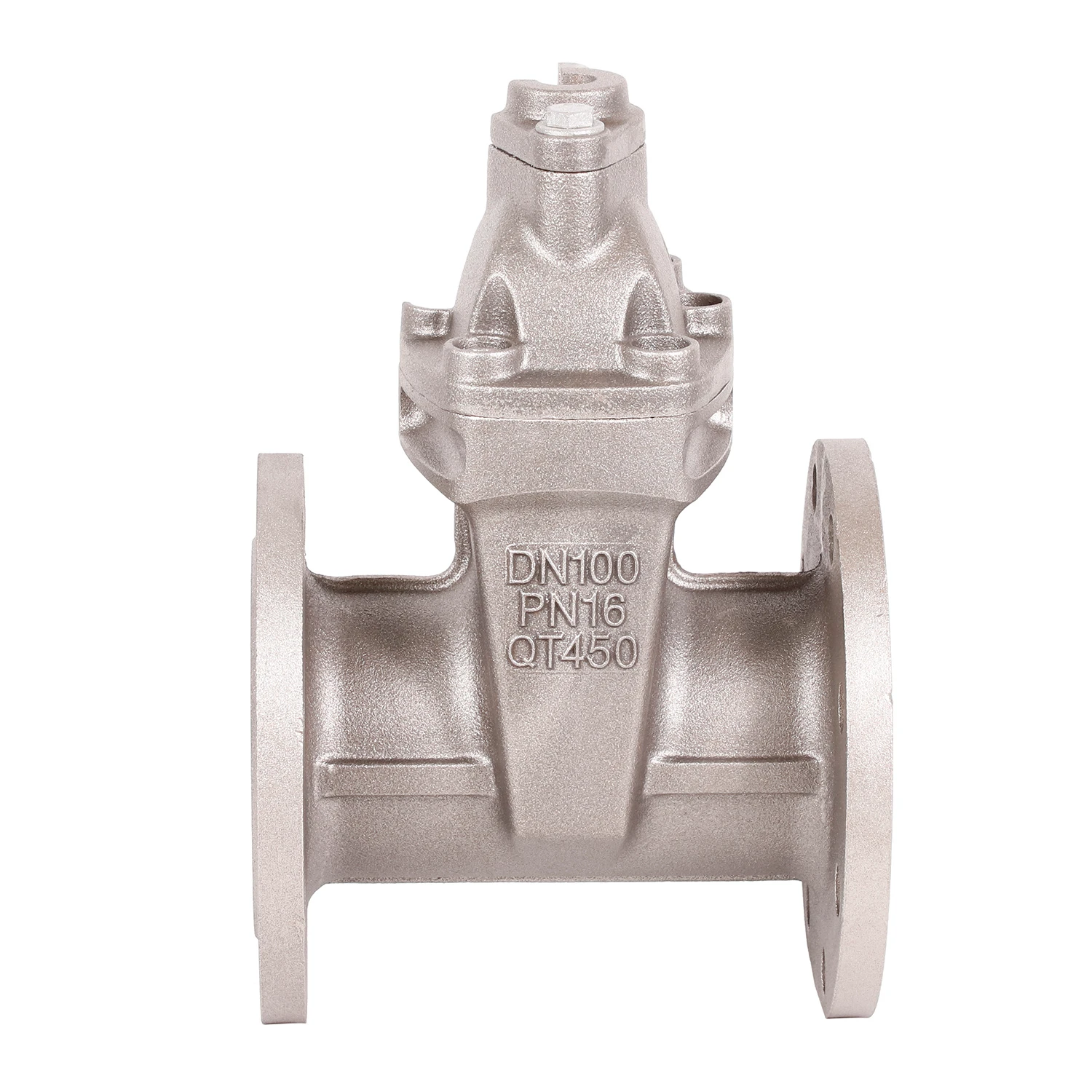
Beyond stainless steel, materials like ductile iron and brass are used for specific utility applications. Ductile iron provides excellent vibration damping and strength for water mains, while brass is often selected for low-pressure, high-corrosion resistance in plumbing or specialized machinery parts.
Evaluating the quality of a blind flange requires a multi-dimensional approach. Key indices include surface flatness, material density, and dimensional tolerance. A high-quality part must maintain a strictly defined flatness across the sealing face to prevent leak paths between the gasket and the metal.
When sourcing from international markets, buyers often use a weighted index to compare different manufacturing processes. For example, while casting may offer better cost-efficiency for complex shapes, forging typically scores higher on structural reliability for extreme pressure scenarios.
In a typical industrial setting, such as a chemical refinery, blind flanges are deployed at the ends of pipelines to facilitate periodic maintenance. By sealing these points, operators can isolate specific sections of the plant without shutting down the entire system, which is vital for minimizing downtime.
Furthermore, in the construction of large-scale water treatment facilities, these components are used to plug future expansion points. The ability to source a precise china blind flange that meets strict international standards ensures that these dormant pipes remain secure for years until they are integrated into the expanded network.
The global supply chain for industrial fittings is evolving toward a model of "precision-on-demand." Buyers are moving away from generic bulk orders and toward customized specifications. This shift is driven by the need for tighter tolerances and a more rigorous approach to quality control during the raw casting phase.
Technological integration in foundries has allowed for a more flexible production cycle. The use of resin sand and advanced lost-wax techniques enables manufacturers to adapt quickly to custom drawings, reducing the lead time from design to delivery, which is critical for urgent infrastructure repairs.
Additionally, there is a growing emphasis on the traceability of materials. Procurement teams now demand detailed certificates of analysis to verify the chemical composition of the steel or alloys used, ensuring that the components can withstand the specific environmental stresses of their destination.
Selecting the right supplier involves more than comparing unit prices. A comprehensive evaluation should consider the manufacturer's ability to handle various production crafts—such as sand molding or precision casting—and their track record in delivering specialized parts like hydrant bodies or valve components.
Risk mitigation is also a key factor. Suppliers who maintain a strict internal quality assurance system can save the buyer significant costs in potential field failures and rework. This is particularly important when importing components from diverse manufacturing hubs.
The following framework illustrates how different material and process combinations align with specific operational requirements, providing a logic for selection based on application stress.
| Application Environment | Recommended Material | Preferred Process | Primary Consideration |
|---|---|---|---|
| High-Pressure Oil/Gas | Forged Steel | Forging + Machining | Grain Structure |
| Chemical Processing | Stainless Steel | Investment Casting | Corrosion Resistance |
| Municipal Water | Ductile Iron | Sand Casting | Vibration Damping |
| Low-Pressure HVAC | Carbon Steel | Standard Casting | Cost Efficiency |
| Marine/Saline | Bronze/Brass | Precision Casting | Oxidation Resistance |
| Custom Machinery | Aluminium Alloy | CNC Machining | Weight & Precision |
A standard flange is designed to connect two piping components, featuring a center hole for fluid passage. In contrast, a blind flange is a solid disk used to seal the end of a pipe or a valve. It acts as a terminal cap, allowing the system to be closed off while remaining accessible for future maintenance or expansion by simply unbolting the component.
Investment casting is ideal when the component requires complex geometry, thinner walls, or a near-net shape to reduce secondary machining costs. Forging is generally superior for extreme high-pressure applications where the unidirectional grain flow provides maximum structural strength. If your priority is cost-saving on complex designs with moderate pressure, casting is the better route.
The material determines the component's resistance to chemical attack and thermal expansion. For instance, carbon steel may rust in humid or saline environments, leading to surface pitting that compromises the seal. Stainless steel or bronze alloys create a passive oxide layer that protects the metal, ensuring the flange face remains smooth and leak-proof over decades of service.
Leakage is typically caused by poor surface flatness on the flange face, improper torque application of the bolts, or the use of an incompatible gasket material. If the flange was manufactured with internal porosity (common in low-grade castings), the seal may fail under pressure cycles. Ensuring a precision-machined surface and using a calibrated torque wrench are essential for a secure seal.
Specialized trading companies often provide a strategic advantage by managing a network of different foundries. This allows them to match the specific technical requirements of a drawing to the most suitable production craft (e.g., resin sand vs. lost-wax). While direct factory sourcing may seem cheaper, a specialized partner often reduces costs by optimizing quality control and reducing the risk of receiving non-compliant parts.
Verification should include a dimensional check against the technical drawing, a visual inspection for surface defects or porosity, and a review of the material mill certificate. For critical applications, ultrasonic testing can be used to detect internal voids in the metal, and a flatness test using a precision straightedge and feeler gauge can ensure the sealing face meets the required specifications.
The reliability of an industrial piping system is only as strong as its weakest seal. Selecting a high-quality blind flange requires a precise alignment between the material grade, the fabrication method, and the specific operational stressors of the environment.
By focusing on technical indices such as surface flatness and material traceability, procurement teams can ensure long-term safety and reduce the total cost of ownership. Partnering with suppliers capable of diverse manufacturing processes remains the most effective strategy for achieving this balance.