Phone:
+86 18631189888

Email:
liyanhui@bestcastings.cn
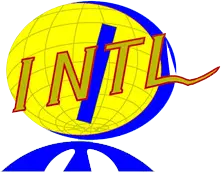
Orange cast iron fittings represent a vital component in numerous industrial and infrastructural systems worldwide. Their durability and resistance to corrosion make them indispensable in applications ranging from water and gas distribution to sewage systems and even decorative architectural elements. Understanding their properties and applications is crucial for engineers, construction professionals, and anyone involved in maintaining essential public utilities.
The global demand for robust and reliable piping systems continues to drive the market for orange cast iron fittings. According to industry reports, the cast iron pipe market is projected to experience steady growth in the coming years, fueled by infrastructure development in emerging economies and ongoing maintenance/replacement projects in developed nations. This highlights the ongoing relevance of these fittings despite advancements in alternative materials.
Beyond their practical utility, orange cast iron fittings offer a sustainable and long-lasting solution for fluid conveyance. Their lifespan often exceeds that of plastic alternatives, reducing the need for frequent replacements and minimizing environmental impact. Moreover, the recyclability of cast iron contributes to a circular economy, making it a responsible choice for environmentally conscious projects.
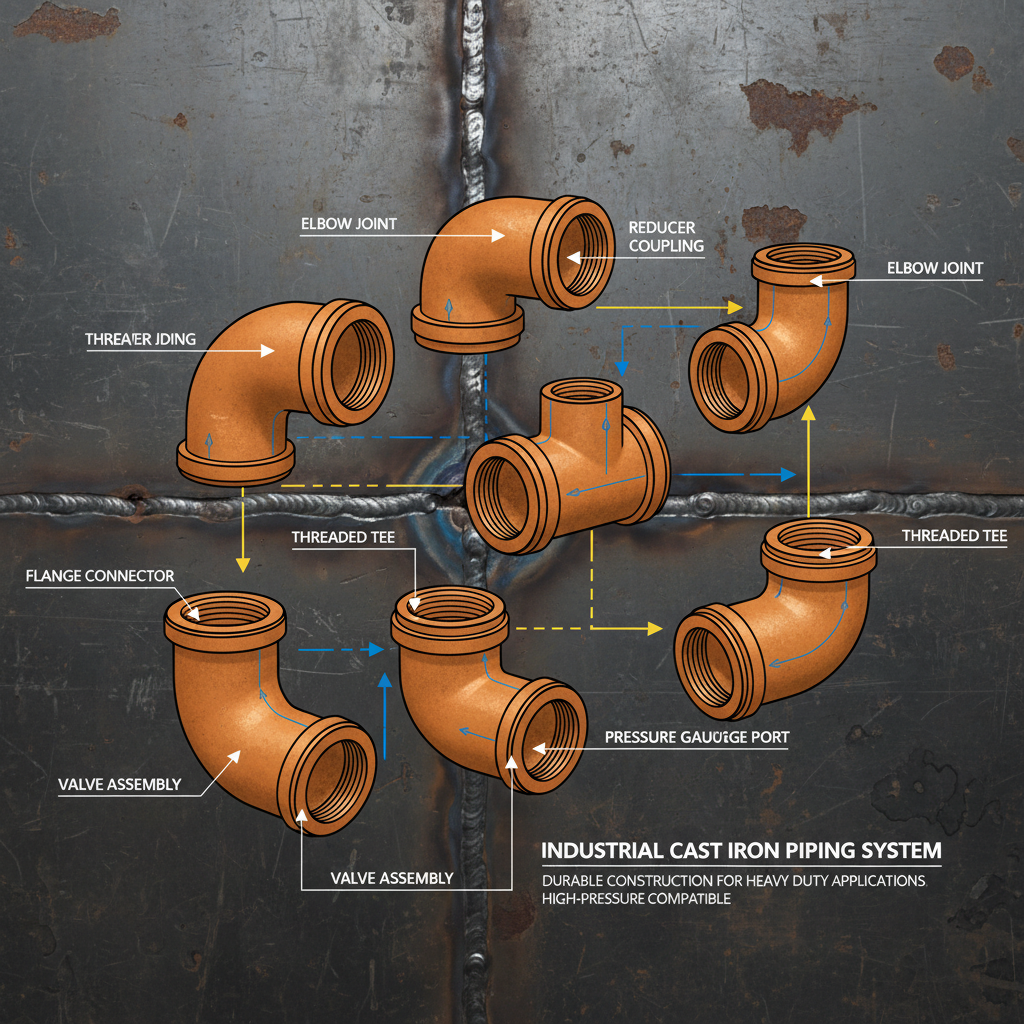
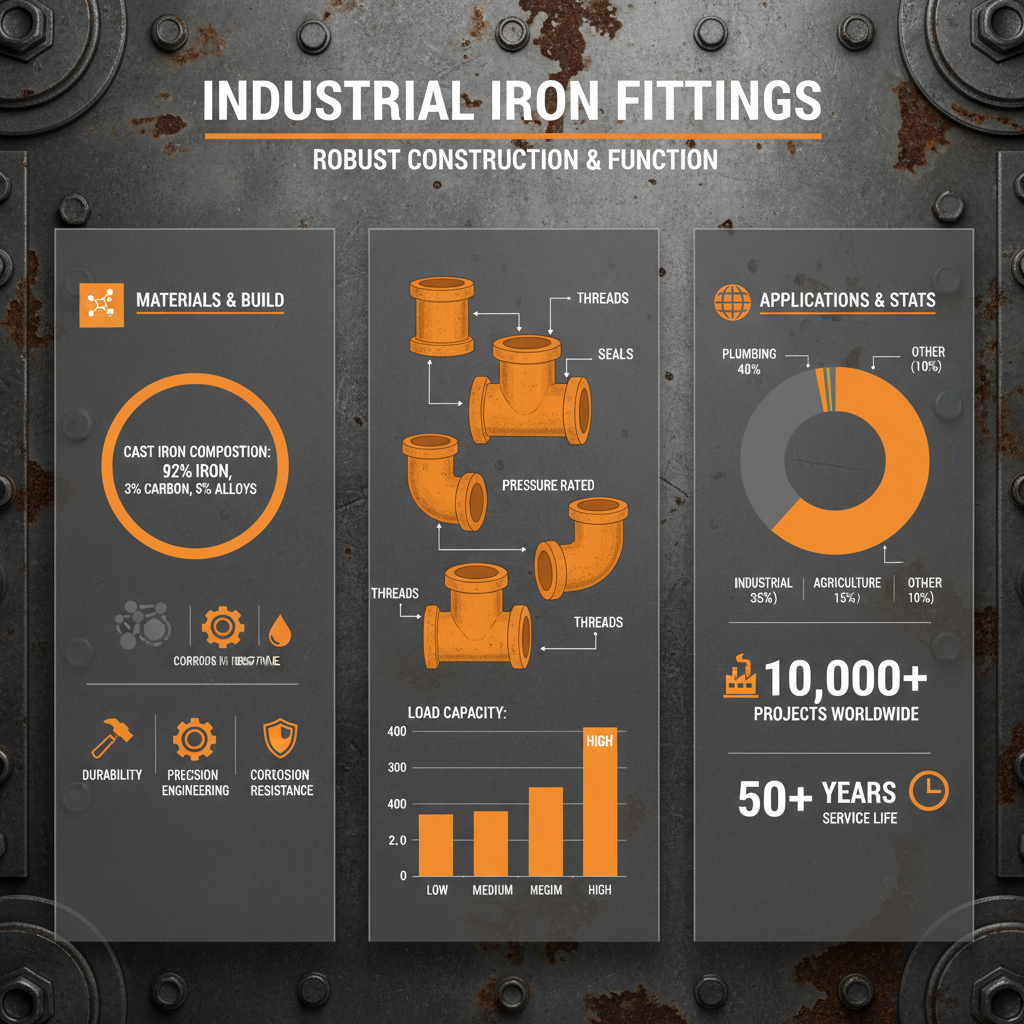
Orange cast iron fittings are specifically coated with a protective orange paint, typically an epoxy-based coating, to enhance corrosion resistance and provide visual identification. This distinctive color helps distinguish them from other piping materials and facilitates maintenance efforts. The coating doesn’t alter the fundamental strength or functionality of the cast iron itself; it's an added layer of protection.
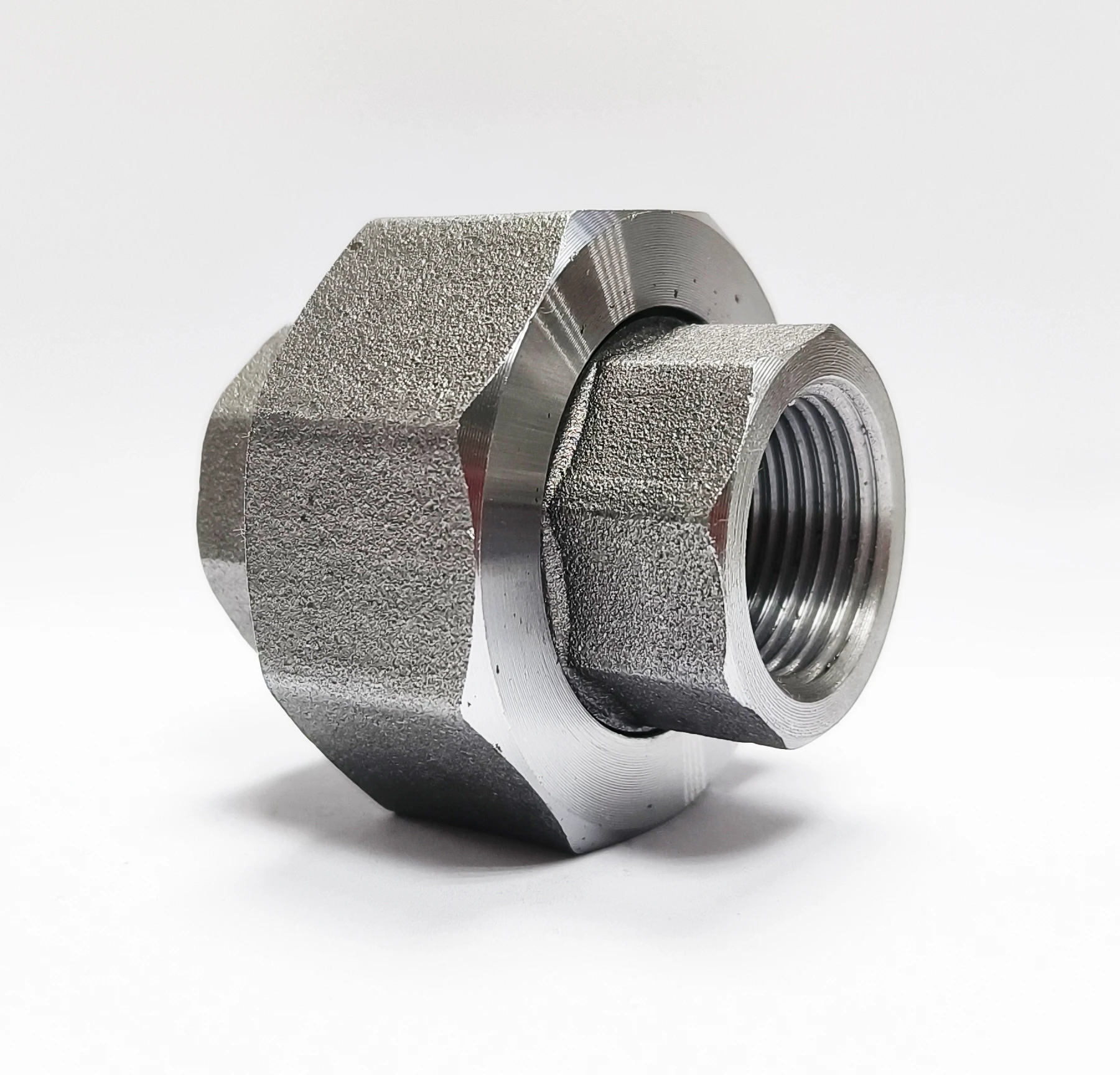
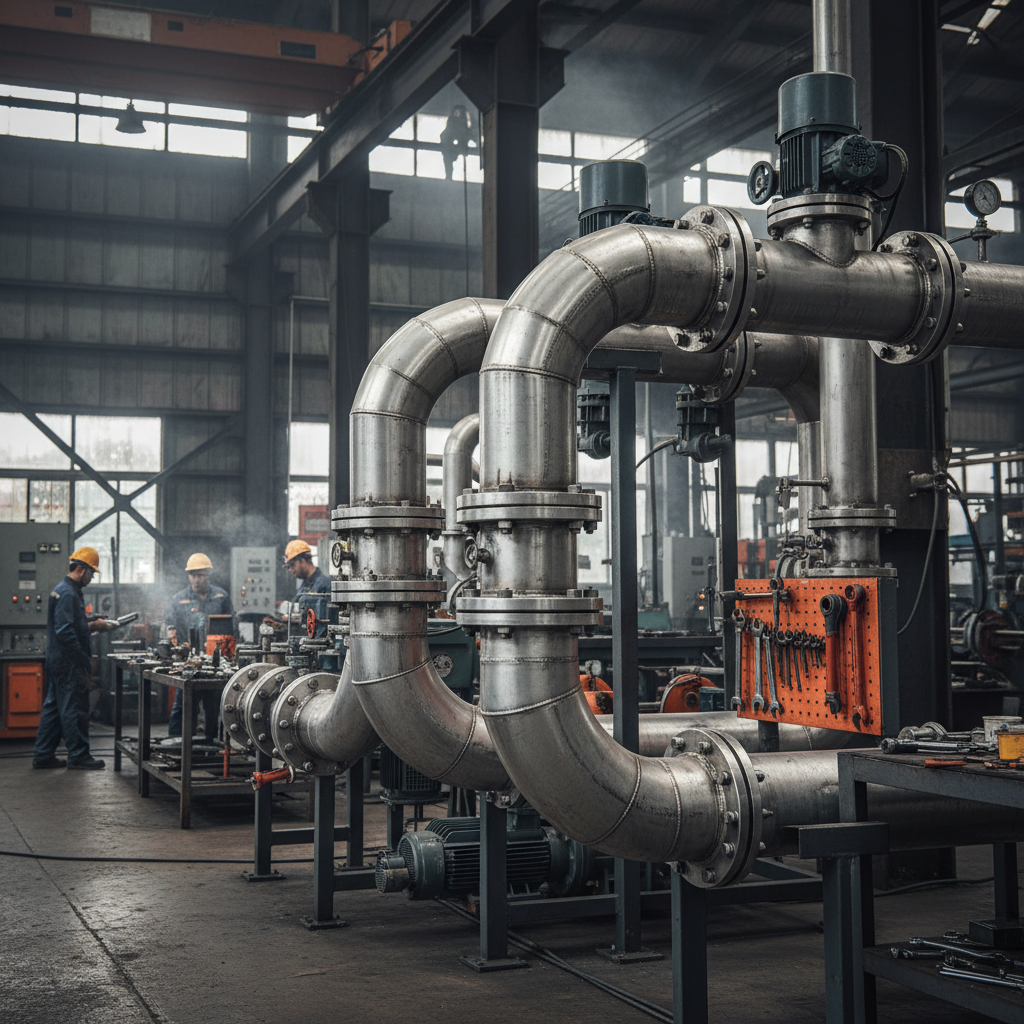
These fittings are critical for joining sections of cast iron pipe, directing flow, and providing access points for inspection and maintenance. They come in a wide array of configurations – elbows, tees, couplings, reducers, and flanges – to accommodate diverse piping system designs. Choosing the correct fitting is vital for ensuring the integrity and longevity of the entire network.
Orange cast iron fittings offer superior durability, strength, and longevity compared to PVC. They can withstand higher pressures and temperatures, and are significantly more resistant to physical damage. While PVC may be cheaper upfront, the longer lifespan and reduced maintenance costs of cast iron often result in lower lifecycle costs. Their sound dampening characteristics are also a distinct advantage in many applications.
The orange coating, typically an epoxy-based paint, acts as a barrier between the cast iron and corrosive elements in the surrounding environment. It prevents direct contact with moisture, oxygen, and other substances that can cause rust and degradation. While cast iron itself has some inherent corrosion resistance, the coating significantly enhances this property and extends the service life of the fitting.
With proper installation and maintenance, orange cast iron fittings can last for 50 to 100 years or even longer. The actual lifespan depends on factors such as the corrosivity of the environment, the operating pressure, and the quality of the coating. Regular inspections and timely repairs can further extend the service life.
Yes, cast iron is a highly recyclable material, making orange cast iron fittings a relatively sustainable choice. The ability to recycle the material at the end of its service life reduces the demand for virgin resources and minimizes waste. Furthermore, their durability reduces the need for frequent replacements, lowering overall material consumption.
Common connection methods include mechanical joints with gaskets, push-on joints (using rubber gaskets), and flanged connections. The specific type of connection depends on the application and the requirements of the piping system. It is important to use compatible sealing materials to ensure a leak-proof connection.
The frequency of inspections depends on the application and the environment. Generally, annual visual inspections are recommended to check for signs of corrosion, damage, or leaks. More frequent inspections may be necessary in harsh environments or for critical applications. Regular inspections can help identify potential problems early on and prevent costly failures.
Orange cast iron fittings remain a cornerstone of reliable fluid conveyance infrastructure worldwide. Their inherent durability, corrosion resistance, and long lifespan make them a cost-effective and sustainable solution for a wide range of applications, from municipal water systems to industrial processes. Understanding their characteristics and proper installation practices is crucial for ensuring the integrity and longevity of these vital systems.
Looking forward, innovations in coating technologies and digital monitoring will further enhance the performance and lifespan of orange cast iron fittings. Investing in these technologies and promoting best practices in installation and maintenance will be essential for maximizing the value of this time-tested material. For high-quality orange cast iron fittings, visit our website: www.mingdametals.com.