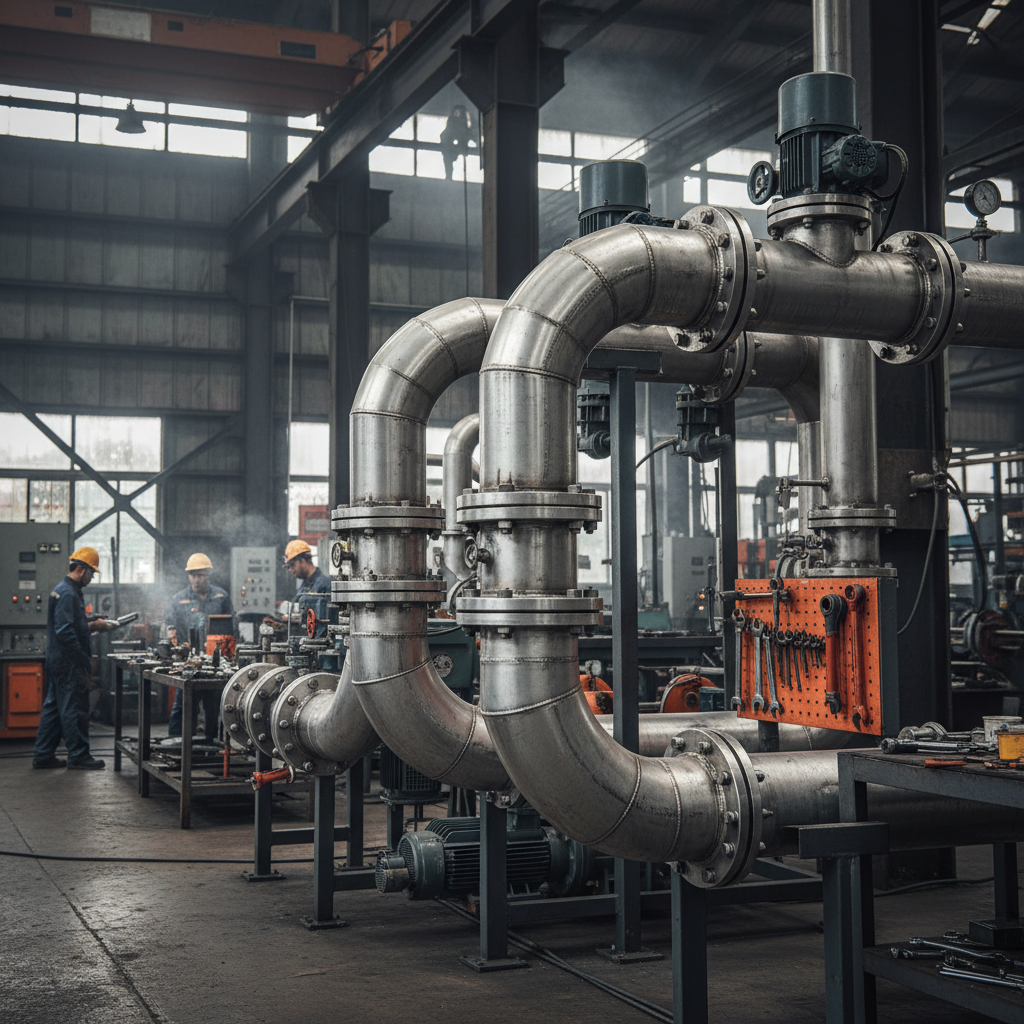
In the complex world of industrial fluid dynamics, the elbow pipe stainless steel serves as a critical junction, enabling the seamless redirection of liquid and gas flows without compromising system integrity. From high-pressure chemical reactors to sterile pharmaceutical lines, these components ensure that conduits can navigate tight architectural spaces while maintaining optimal flow rates and resisting the corrosive effects of harsh environments.
The global demand for high-grade piping solutions has surged as industries transition toward more sustainable and durable materials. By utilizing stainless steel, engineers can significantly reduce the frequency of replacements and the risk of catastrophic leaks, making the elbow pipe stainless steel an indispensable asset in modern infrastructure development and industrial safety protocols.
Understanding the nuances of material grades, bend radii, and wall thicknesses is essential for any procurement officer or system designer. This guide explores the technical specifications, global applications, and future innovations surrounding the elbow pipe stainless steel, providing a comprehensive roadmap for selecting the right components for diverse industrial challenges.
Global Relevance of Elbow Pipe Stainless Steel
The global industrial landscape relies heavily on the precision of fluid transport. According to standards aligned with ISO and ASTM, the integration of elbow pipe stainless steel has become a benchmark for quality in sectors ranging from petrochemicals to food processing. As urbanization increases, the need for corrosion-resistant piping in smart cities and high-density industrial zones has pushed the demand for these components to unprecedented levels.
A recurring challenge in older industrial setups is "piping fatigue" and oxidation, which lead to costly downtime and safety hazards. The shift toward stainless steel elbows addresses these vulnerabilities by providing a material that naturally forms a passive chromium-oxide layer, shielding the system from atmospheric and chemical degradation. This transition is not merely a preference but a strategic necessity for maintaining operational continuity in the 21st century.
Defining the Mechanics of Stainless Steel Elbows
At its core, an elbow pipe stainless steel is a specialized fitting designed to change the direction of a pipeline, typically at a 45 or 90-degree angle. Unlike simple bends, these precision-engineered components are manufactured to ensure that the interior diameter remains consistent, minimizing turbulence and pressure drops that could otherwise compromise the efficiency of the entire system.
In modern industry, these fittings are more than just connectors; they are critical nodes that facilitate the safe transport of hazardous chemicals or ultrapure water. For humanitarian needs, such as the deployment of rapid-response water purification systems in disaster-stricken areas, the reliability of a stainless steel elbow ensures that contaminated water is diverted and filtered without the risk of rust contamination, upholding the dignity and health of the recipients.
Whether produced via seamless extrusion or welded construction, the primary goal of the elbow pipe stainless steel is to provide a leak-proof transition. By balancing structural strength with chemical inertness, these components allow engineers to build complex networks that can withstand extreme temperatures and cryogenic conditions without deformation.
Core Components of High-Performance Fittings
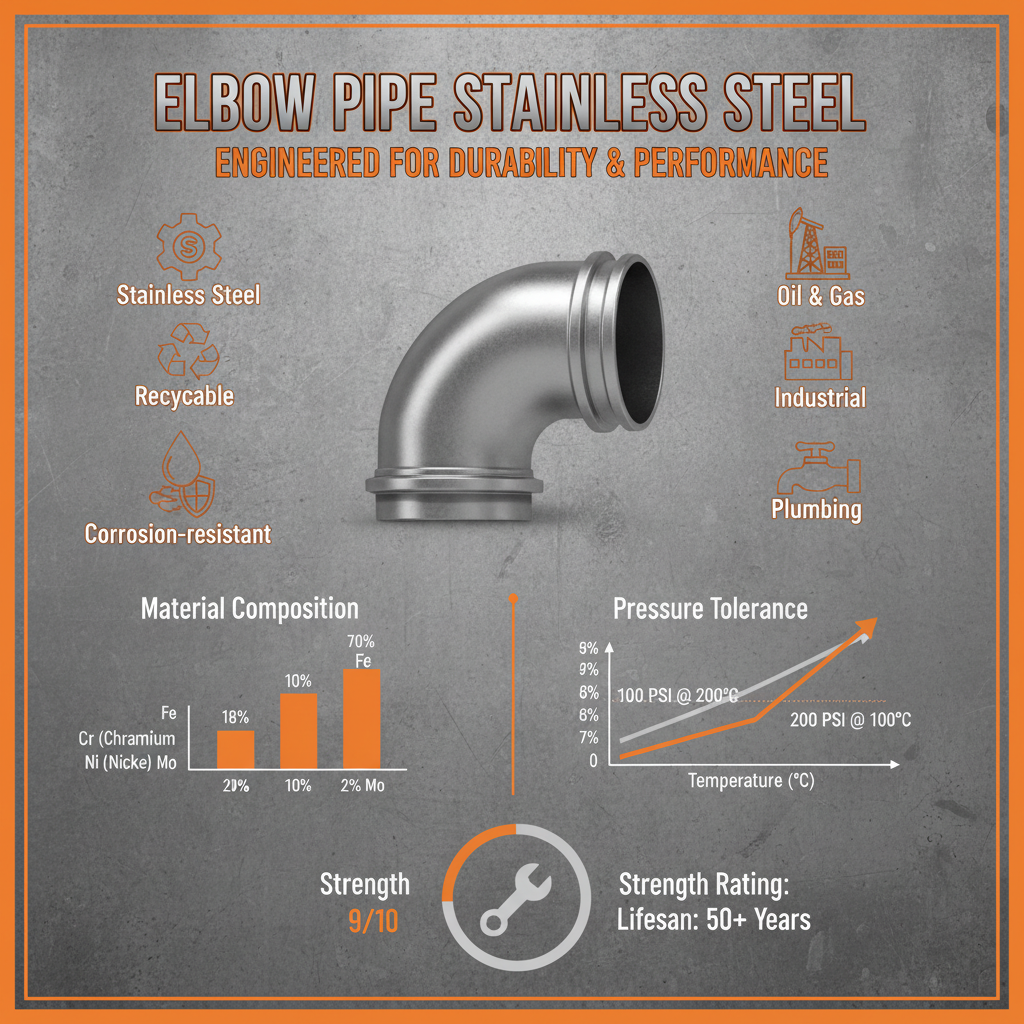
Durability is the foremost attribute of any elbow pipe stainless steel. The alloy composition, typically including chromium and nickel, allows the fitting to resist pitting and crevice corrosion. This durability ensures that the piping network remains operational for decades, reducing the total cost of ownership and minimizing the environmental impact associated with frequent material replacement.
Precision Engineering is the second pillar. A high-quality elbow pipe stainless steel must adhere to strict dimensional tolerances to ensure a perfect fit with other pipe fittings. Any deviation in the angle or wall thickness can lead to stress concentration points, which under high-pressure scenarios, could result in structural failure. Therefore, CNC machining and rigorous quality checks are paramount.
Finally, Versatility in Grade selection allows the elbow pipe stainless steel to be tailored to specific needs. For example, Grade 304 is ideal for general food processing, while Grade 316, with added molybdenum, is essential for marine environments or pharmaceutical plants where chloride exposure is high. This scalability in material properties ensures that the solution matches the severity of the environment.
Comparative Performance Analysis
When evaluating the efficiency of different manufacturing methods for an elbow pipe stainless steel, it is crucial to look at the trade-off between cost and structural integrity. Seamless elbows offer the highest pressure rating, whereas welded options may provide a more cost-effective solution for low-pressure applications.
The following data illustrates the performance ratings of various elbow pipe stainless steel variants based on key industrial metrics such as corrosion resistance, pressure tolerance, and installation ease.
Performance Metrics of Elbow Pipe Stainless Steel Variants
Global Industrial Applications
In the oil and gas sector, the elbow pipe stainless steel is used in offshore platforms where saltwater corrosion is a constant threat. These fittings ensure that volatile hydrocarbons are transported safely from the wellhead to the processing facility, preventing leaks that could lead to environmental catastrophes.
Similarly, in the food and beverage industry, these elbows are critical for maintaining "hygienic design." The smooth internal surface of a polished elbow pipe stainless steel prevents bacterial buildup and simplifies the Clean-in-Place (CIP) process, ensuring that consumer products remain free from contamination.
Long-Term Value and Sustainability
The long-term value of investing in a premium elbow pipe stainless steel extends beyond simple durability. From a sustainability perspective, stainless steel is 100% recyclable. This circular economy approach reduces the need for virgin ore mining and lowers the carbon footprint of industrial plant construction.
Logically, the reduction in maintenance cycles translates to lower operational costs. When a facility uses inferior materials, the frequent need for repairs results in unplanned downtime, which can cost companies millions in lost productivity. The reliability of stainless steel provides peace of mind and operational trust.
Moreover, the safety implications are profound. In high-pressure steam lines or chemical transport, a failure at a bend can be fatal. Choosing a certified elbow pipe stainless steel ensures that the system can handle surge pressures, thereby protecting the lives of workers and the integrity of the surrounding community.
Future Trends in Piping Technology
The future of the elbow pipe stainless steel is being shaped by the digital transformation. We are seeing the integration of "Smart Piping" where sensors are embedded near elbows to monitor flow turbulence and wall thinning in real-time. This predictive maintenance approach allows operators to replace components before a failure occurs.
Furthermore, additive manufacturing (3D printing) is beginning to enter the metal piping space. This allows for the creation of complex, optimized internal geometries in an elbow pipe stainless steel that can further reduce fluid friction and energy consumption, contributing to greener industrial operations.
As the world shifts toward hydrogen energy, new alloy compositions are being developed to prevent hydrogen embrittlement. The next generation of elbow pipe stainless steel will be designed specifically to handle these volatile gases, facilitating the global transition to zero-carbon energy sources.
Technical Specification Comparison of Stainless Steel Elbows
| Material Grade |
Corrosion Resistance |
Pressure Capability |
Primary Use Case |
| SS304 Seamless |
Moderate |
High |
Food & Beverage |
| SS316L Seamless |
Excellent |
High |
Chemical Processing |
| SS304 Welded |
Moderate |
Medium |
Water Distribution |
| SS316Welded |
High |
Medium |
Marine Piping |
| Duplex SS Elbow |
Superior |
Very High |
Oil & Gas Offshore |
| SS310S Elbow |
High Temp |
High |
Heat Exchangers |
FAQS
A long radius (LR) elbow has a bend radius of 1.5 times the nominal pipe size, which reduces friction and pressure drop, making it ideal for high-flow systems. A short radius (SR) elbow has a radius equal to the nominal pipe size, which is used in tight spaces where a compact turn is required, though it may increase turbulence.
While SS304 is corrosion-resistant, it is susceptible to pitting in high-chloride environments like saltwater. For marine applications, it is highly recommended to use SS316 or Duplex stainless steel, as the addition of molybdenum significantly enhances resistance to chloride-induced corrosion.
Always request Material Test Reports (MTRs) and Mill Certificates. These documents verify the chemical composition and mechanical properties of the steel. Additionally, ensure the product complies with international standards such as ASME B16.9 or DIN standards for dimensions and tolerances.
Generally, seamless elbows are stronger and can handle higher pressures because they have no weld seam, which is often the weakest point. Welded elbows are suitable for low to medium pressure applications and are typically more cost-effective for larger diameter pipes.
Wall thickness is usually categorized by "Schedules" (e.g., Sch 10, Sch 40, Sch 80). The choice depends on the internal pressure the system must withstand. Schedule 40 is the most common standard, while Schedule 80 is used for high-pressure industrial applications.
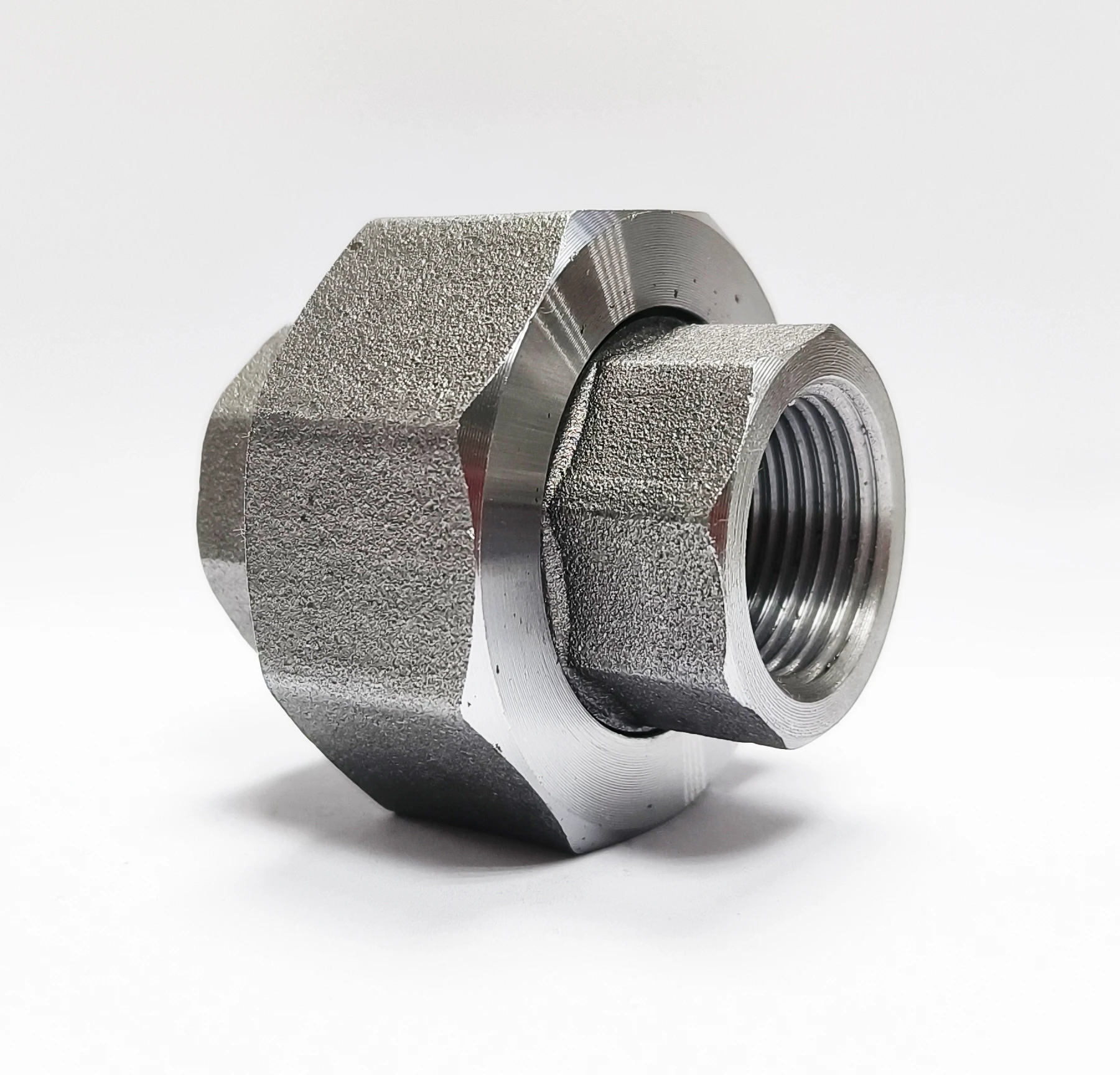
The most common methods are butt-welding, which provides a permanent, leak-proof seal, and socket welding for smaller diameters. In some low-pressure or temporary setups, threaded connections are used, though these are less common in high-grade industrial stainless steel systems.
Conclusion
In summary, the elbow pipe stainless steel is far more than a simple fitting; it is a cornerstone of industrial safety, efficiency, and sustainability. By blending material science with precision engineering, these components allow for the safe transport of critical fluids across the most demanding environments on earth, from the depths of the ocean to the sterile halls of a pharmaceutical lab.
As we look toward a future of green energy and smart manufacturing, the evolution of these fittings—through additive manufacturing and integrated sensing—will continue to drive industrial progress. We recommend that engineers and procurement specialists prioritize certified materials and precise grading to ensure the longevity and safety of their infrastructure. Visit our website for more high-quality solutions: www.mingdametals.com