Hydrants accessories are critical components within a broader infrastructure ensuring public safety and efficient resource management. These often-overlooked parts – from couplings and nozzles to valve stems and repair kits – play a vital role in maintaining the functionality of fire hydrants, crucial for extinguishing fires and providing a reliable water source. Understanding the nuances of these accessories isn't just a matter of technical specification; it’s about protecting lives and property, particularly as urban populations grow and infrastructure ages.
Globally, the demand for robust and reliable hydrants accessories is steadily increasing. This demand is fueled by factors like stricter fire safety regulations, aging water infrastructure in developed countries, and rapid urbanization in developing nations. The market isn’t solely focused on replacement parts; there’s a growing need for innovative materials and designs to enhance performance, reduce maintenance, and improve overall system resilience.
Furthermore, the effective use of hydrants accessories directly contributes to reduced insurance costs for communities and businesses. Proactive maintenance and the use of high-quality components can significantly minimize the risk of system failures, thus demonstrating a commitment to safety and responsible resource management.
The Importance of Durability in hydrants accessories
Durability is paramount when considering hydrants accessories. These components are constantly exposed to harsh environmental conditions – fluctuating temperatures, corrosive elements, and the physical stress of regular operation. Accessories crafted from substandard materials are prone to failure, leading to costly repairs, potential system outages, and, most critically, compromised fire safety.
High-quality accessories, often manufactured from materials like brass, stainless steel, or ductile iron, are designed to withstand these challenges. Investing in durable components reduces the frequency of replacements, lowers lifecycle costs, and ensures a consistently reliable water supply when it's needed most.
Material Science and hydrants accessories Performance
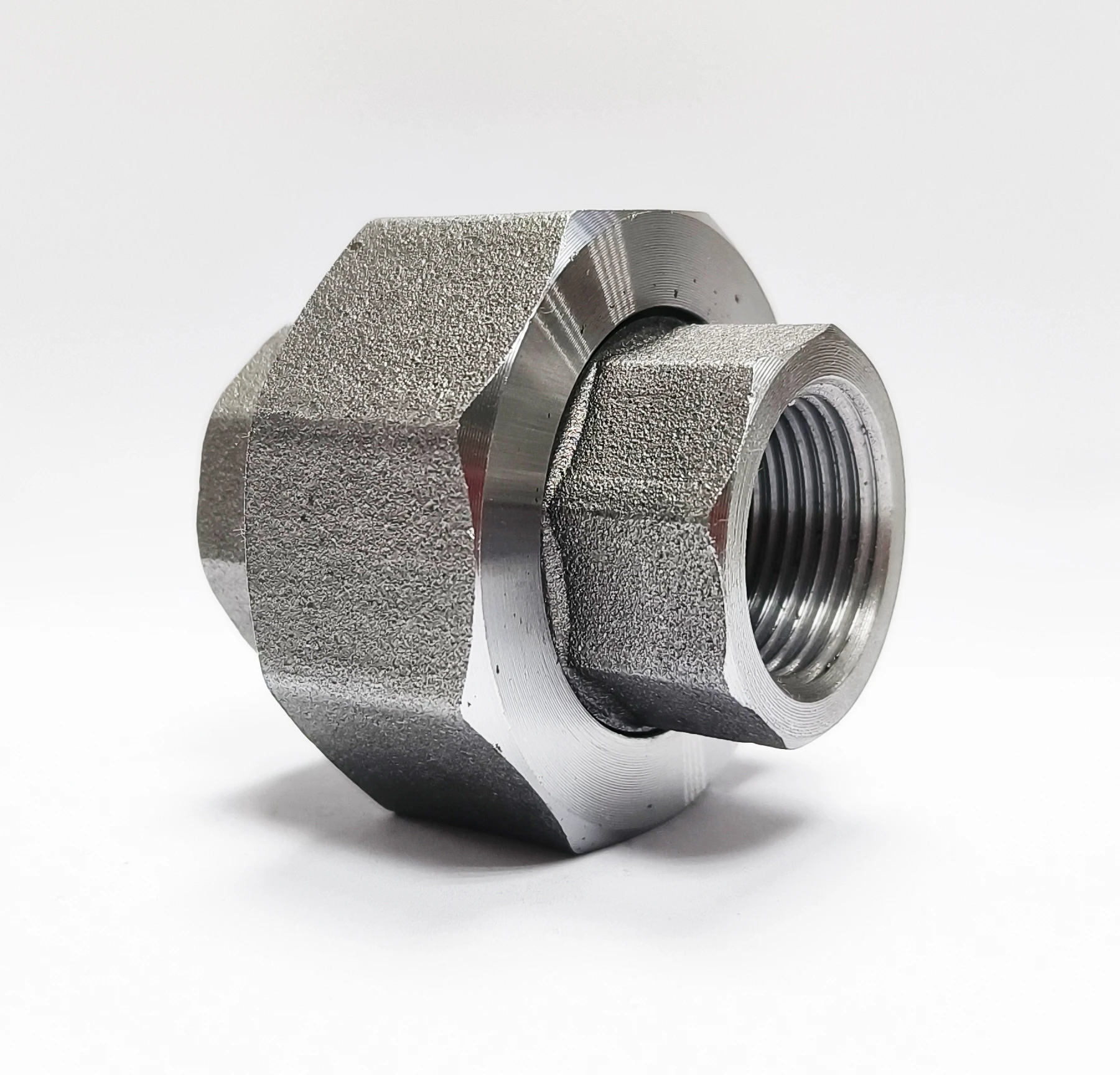
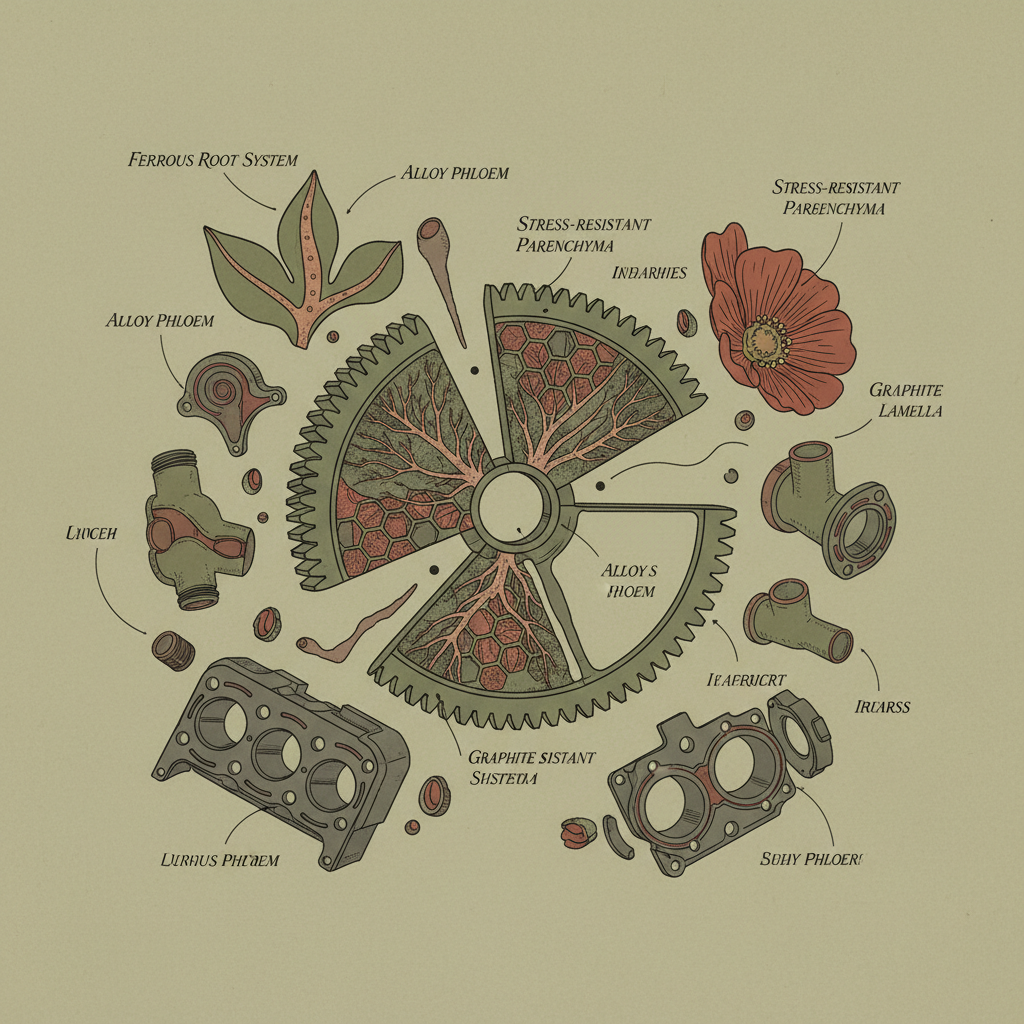
The performance of hydrants accessories is directly linked to the materials used in their construction. Brass, for example, provides excellent corrosion resistance and is frequently used in valve components and couplings. Stainless steel offers superior strength and is often found in critical parts requiring high tensile strength. Ductile iron, known for its toughness and ability to withstand pressure, is commonly used in hydrant bodies and larger fittings.
Advancements in material science are continually driving innovation in this field. New alloys and composite materials are being developed to enhance corrosion resistance, reduce weight, and improve overall performance. Furthermore, surface treatments and coatings are employed to protect accessories from wear and tear, extending their service life.
Selecting the appropriate material for each accessory is crucial. Factors such as water quality, operating pressure, and environmental conditions must be carefully considered to ensure optimal performance and longevity of the entire hydrant system.
The Role of Standardization in hydrants accessories
Standardization plays a vital role in ensuring the interoperability and reliability of hydrants accessories. Adherence to recognized standards, such as those established by the American Water Works Association (AWWA) or the International Organization for Standardization (ISO), guarantees that components from different manufacturers can be seamlessly integrated into a single system.
These standards define critical parameters like thread types, dimensions, pressure ratings, and material specifications. Compliance with these standards simplifies maintenance, reduces the risk of compatibility issues, and ensures that the hydrant system meets essential safety requirements.
Furthermore, standardization facilitates efficient procurement and inventory management. Municipalities and water utilities can rely on a consistent supply of compatible accessories, reducing the need for custom-made parts and streamlining maintenance operations.
Cost-Effectiveness and Lifecycle Analysis of hydrants accessories
While initial cost is a factor, a truly cost-effective approach to hydrants accessories focuses on lifecycle analysis. Investing in higher-quality, more durable components may have a higher upfront cost, but it can lead to significant savings over the long term.
Consider the costs associated with frequent replacements, labor for repairs, potential system downtime, and the risks associated with a compromised fire safety system. A lifecycle analysis evaluates these factors to determine the total cost of ownership, revealing the true value of investing in reliable hydrants accessories.
Lifecycle Cost Comparison of hydrants accessories
Global Applications of hydrants accessories in Fire Safety
The application of hydrants accessories extends far beyond urban centers. In remote industrial zones, where access to fire services may be limited, reliable hydrant systems are crucial for protecting valuable infrastructure and personnel. Similarly, in rural communities, where water supply infrastructure may be less developed, properly maintained hydrants can provide a vital lifeline during wildfires or other emergencies.
Furthermore, hydrants and their accessories are integral to fire safety protocols in large commercial buildings, airports, and industrial complexes. These systems must meet stringent safety standards and undergo regular inspections to ensure their operational readiness.
Long-Term Benefits and Reliability of hydrants accessories
Investing in high-quality hydrants accessories yields long-term benefits that extend far beyond immediate cost savings. Reliable systems contribute to enhanced public safety, reduced insurance premiums, and improved community resilience. Moreover, minimizing system downtime and maintenance requirements frees up valuable resources for other critical infrastructure projects.
The peace of mind knowing that a robust and dependable water supply is available during emergencies is invaluable. This assurance fosters trust within the community and reinforces the commitment of local authorities to protect lives and property.
Future Innovations and Challenges in hydrants accessories
The future of hydrants accessories is poised for innovation, driven by advancements in materials science, smart technologies, and a growing emphasis on sustainability. Expect to see the development of self-monitoring accessories that can provide real-time data on system performance, alerting operators to potential issues before they escalate.
Smart hydrants, equipped with sensors and communication capabilities, will enable remote monitoring, automated testing, and optimized water flow control. Furthermore, the use of eco-friendly materials and sustainable manufacturing processes will become increasingly important as communities strive to reduce their environmental footprint.
However, challenges remain. Aging infrastructure, limited funding for upgrades, and the need for skilled maintenance personnel pose significant obstacles. Addressing these challenges will require collaborative efforts between governments, utilities, and manufacturers to ensure the continued reliability of these critical systems.
Summary of Key Factors Influencing hydrants accessories Performance
| Material Composition |
Manufacturing Quality |
Environmental Exposure |
Maintenance Schedule |
| Brass (7/10) – Corrosion resistance, common material. |
Precision casting and machining (8/10) – Minimizes defects. |
Temperature fluctuations, corrosive water (6/10) – Accelerated degradation. |
Annual inspections, lubrication, and replacement of worn parts (9/10) – Proactive maintenance. |
| Stainless Steel (9/10) – Superior strength and corrosion resistance. |
Heat treatment and surface finishing (7/10) – Improves durability. |
High salinity, extreme temperatures (5/10) – Demanding conditions. |
Bi-annual inspections, pressure testing, and component replacement (7/10) – Regular maintenance. |
| Ductile Iron (8/10) – High tensile strength and pressure resistance. |
Quality control of casting process (7/10) – Minimizes porosity. |
Soil conditions, groundwater acidity (6/10) – Potential corrosion. |
Periodic cleaning, coating repairs, and corrosion monitoring (8/10) – Preventative measures. |
| Bronze (7/10) – Good corrosion resistance and wear properties. |
Precise alloy composition (6/10) – Impacts performance. |
Exposure to chlorides and sulfates (5/10) – Corrosion risk. |
Regular cleaning and inspection for wear (7/10) – Routine checks. |
| Polymer Composites (6/10) – Lightweight and corrosion resistant. |
Proper material bonding and curing (7/10) – Ensures integrity. |
UV exposure, temperature extremes (4/10) – Degradation potential. |
UV protection application, periodic inspection (6/10) – Maintain durability. |
| Aluminum Alloys (5/10) – Lightweight, low cost but less durable. |
Anodization for corrosion protection (6/10) – Enhances resistance. |
Exposure to corrosive environments (3/10) – Rapid degradation. |
Frequent inspection, replacement as needed (4/10) – Short lifespan. |
FAQS
The most common materials include brass, stainless steel, and ductile iron. Brass is favored for its corrosion resistance and ease of machining, making it ideal for valve components. Stainless steel offers superior strength and is used where high tensile strength is required. Ductile iron provides toughness and pressure resistance, suitable for larger fittings and hydrant bodies. The choice depends on the specific application and environmental factors.
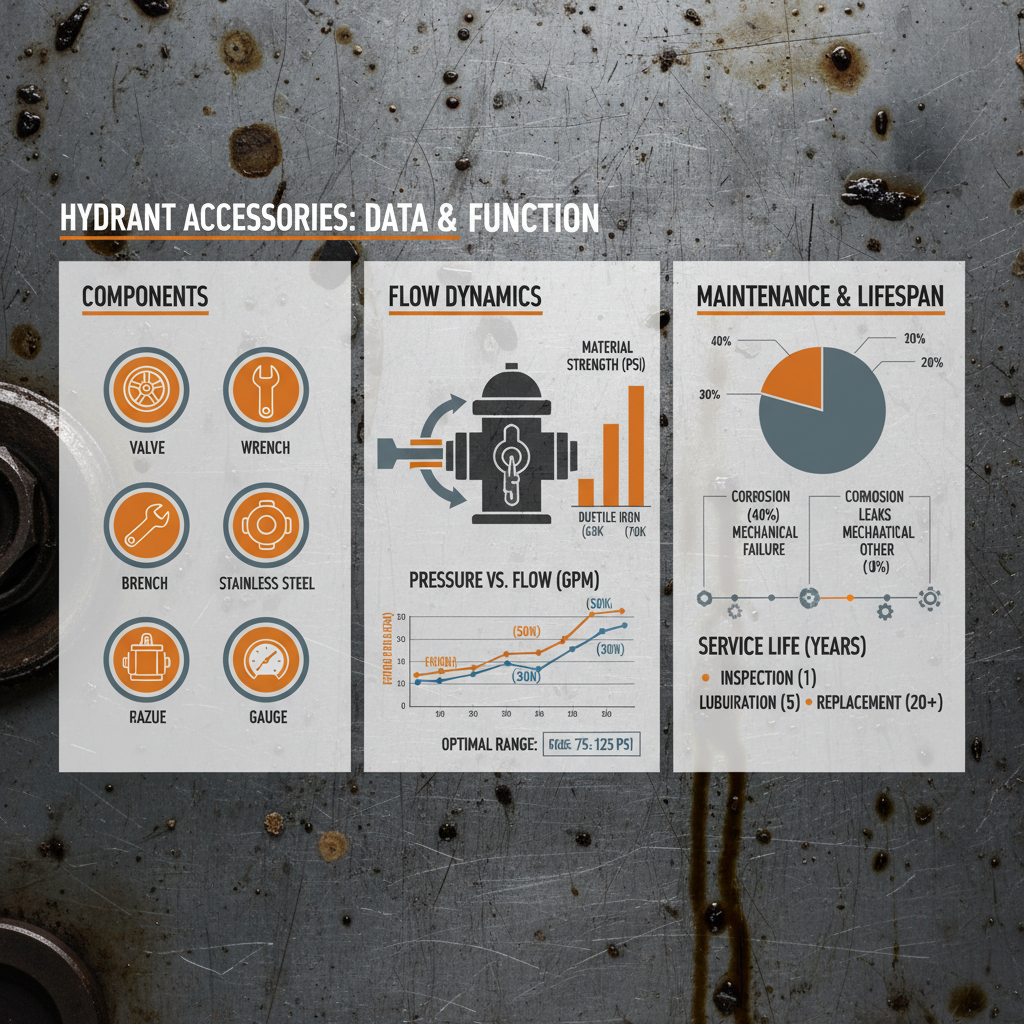
Hydrants accessories should undergo at least annual inspections, including visual checks for corrosion, wear, and damage. More frequent inspections (bi-annually) are recommended in harsh environments. Maintenance should include lubrication of moving parts, pressure testing, and prompt replacement of any worn or damaged components. Keeping a detailed maintenance log is crucial for tracking system performance.
Key standards include those set by the American Water Works Association (AWWA), the International Organization for Standardization (ISO), and relevant local regulations. Look for certifications verifying compliance with these standards, demonstrating that the accessories meet quality and safety requirements. These certifications ensure interoperability and reliability within the hydrant system.
Water quality significantly impacts the lifespan of hydrants accessories. Corrosive water with high levels of chlorides, sulfates, or acidity can accelerate degradation of metal components. Regular water quality testing and the selection of corrosion-resistant materials are essential. Protective coatings and cathodic protection can also be used to mitigate the effects of corrosive water.
Smart hydrants accessories, equipped with sensors and communication capabilities, offer several benefits. These include remote monitoring of system performance, automated testing, real-time leak detection, and improved water flow control. This data can optimize maintenance schedules and prevent costly failures, ultimately enhancing system reliability and efficiency.
Standardization simplifies procurement and inventory management, reducing the need for custom-made parts. It also ensures that components from different manufacturers are compatible, making maintenance and repairs more efficient. Furthermore, standardized accessories often have lower manufacturing costs due to economies of scale, contributing to overall cost savings for municipalities and water utilities.
Conclusion
In conclusion, hydrants accessories represent a critical, often underestimated, component of public safety and infrastructure resilience. Their durability, material composition, adherence to standards, and lifecycle cost-effectiveness are all paramount considerations. Investing in high-quality accessories and implementing robust maintenance programs are essential for ensuring the reliable operation of fire hydrant systems, protecting lives and property.
Looking ahead, continued innovation in materials science, smart technologies, and sustainable manufacturing practices will drive the evolution of hydrants accessories. Addressing the challenges of aging infrastructure and limited funding will require collaborative efforts and a long-term commitment to maintaining these vital systems. Visit Mingda Metals to explore our comprehensive range of high-quality hydrants accessories and discover how we can help you build a safer and more resilient future.