0%

Table of Contents

Precision cast stainless steel is a manufacturing process that combines the artistry of traditional casting with the precision of modern technology. Globally, the demand for high-quality, complex metal components is surging across various sectors – from aerospace and automotive to medical devices and energy production. This demand is fueled by the need for lighter, stronger, and more durable materials that can withstand extreme conditions and perform reliably. Understanding precision cast stainless is crucial because it offers a cost-effective solution for producing intricate geometries and tight tolerances, often exceeding the capabilities of traditional machining processes.

The importance of precision cast stainless extends beyond mere manufacturing efficiency. It plays a critical role in enabling innovation in critical industries. For example, advancements in medical implants heavily rely on the biocompatibility and precision achievable through this casting method. The UN’s Sustainable Development Goals (SDGs) – particularly those related to infrastructure, industry, and healthcare – are indirectly supported by the widespread availability of affordable, high-performance components produced via precision casting. ISO 9001 certification and adherence to stringent quality control standards are paramount in ensuring the reliability of these components.

Ultimately, the versatility and adaptability of precision cast stainless make it an indispensable element in modern supply chains, offering solutions to complex engineering challenges and driving progress across a broad spectrum of applications. It’s not simply about creating metal parts; it’s about enabling innovation and improving the quality of life.
Advancements in Precision Cast Stainless for Modern Engineering Solutions

Introduction to precision cast stainless

Advancements in Precision Cast Stainless for Modern Engineering Solutions

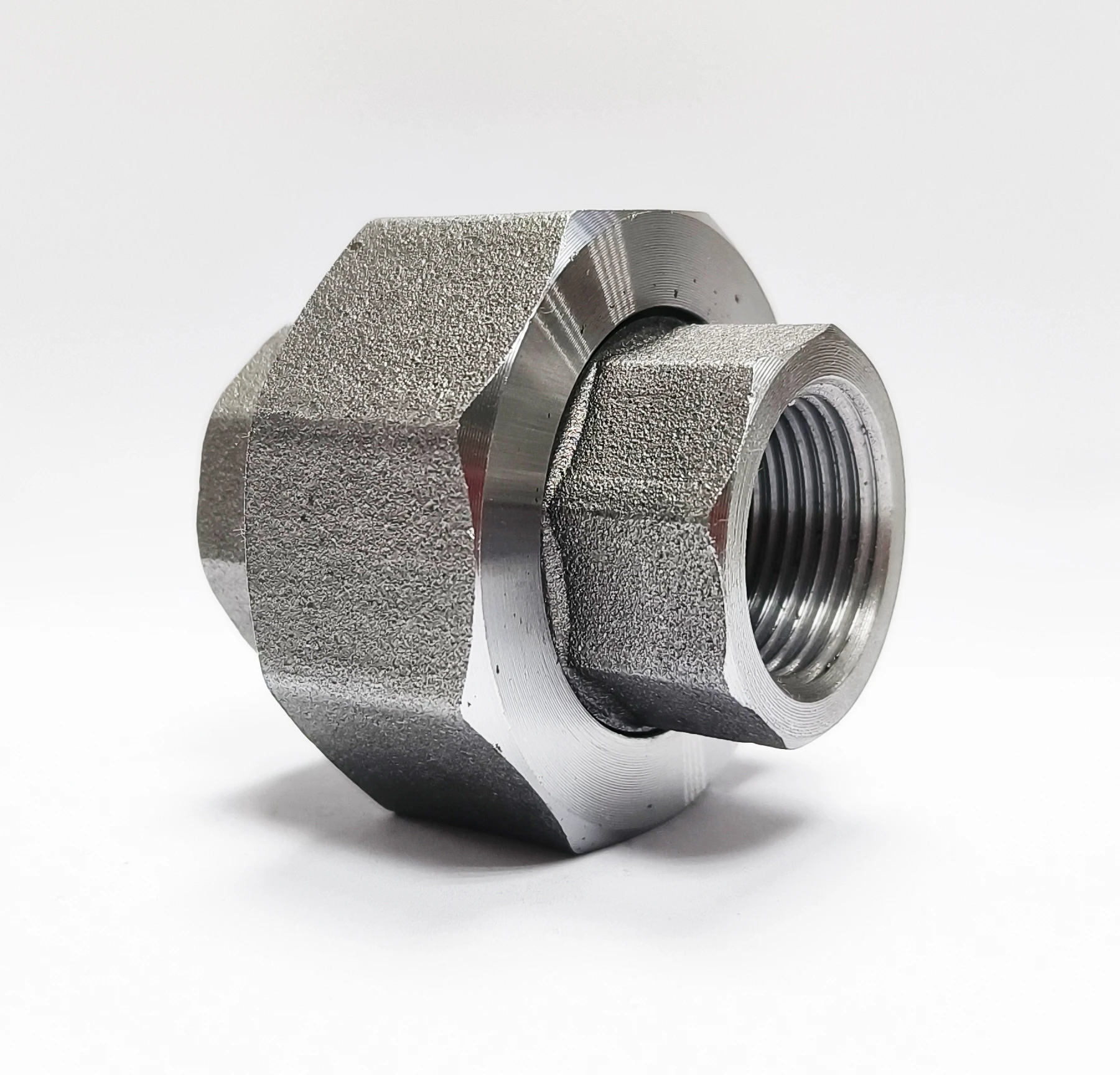
Precision cast stainless refers to a metal casting process where molten stainless steel is poured into a mold created with high accuracy and dimensional control. This method allows for the creation of complex shapes and intricate details, often eliminating the need for extensive machining. The process typically involves investment casting (lost-wax casting) or ceramic molds to achieve the desired precision and surface finish. precision cast stainless offers significant advantages in terms of design flexibility and material utilization.

The demand for precision cast stainless components is continuously increasing due to its versatility and ability to meet the stringent requirements of various industries. This growing need highlights the importance of understanding the nuances of the process, from material selection and mold design to casting techniques and post-processing treatments.

Defining Precision Cast Stainless

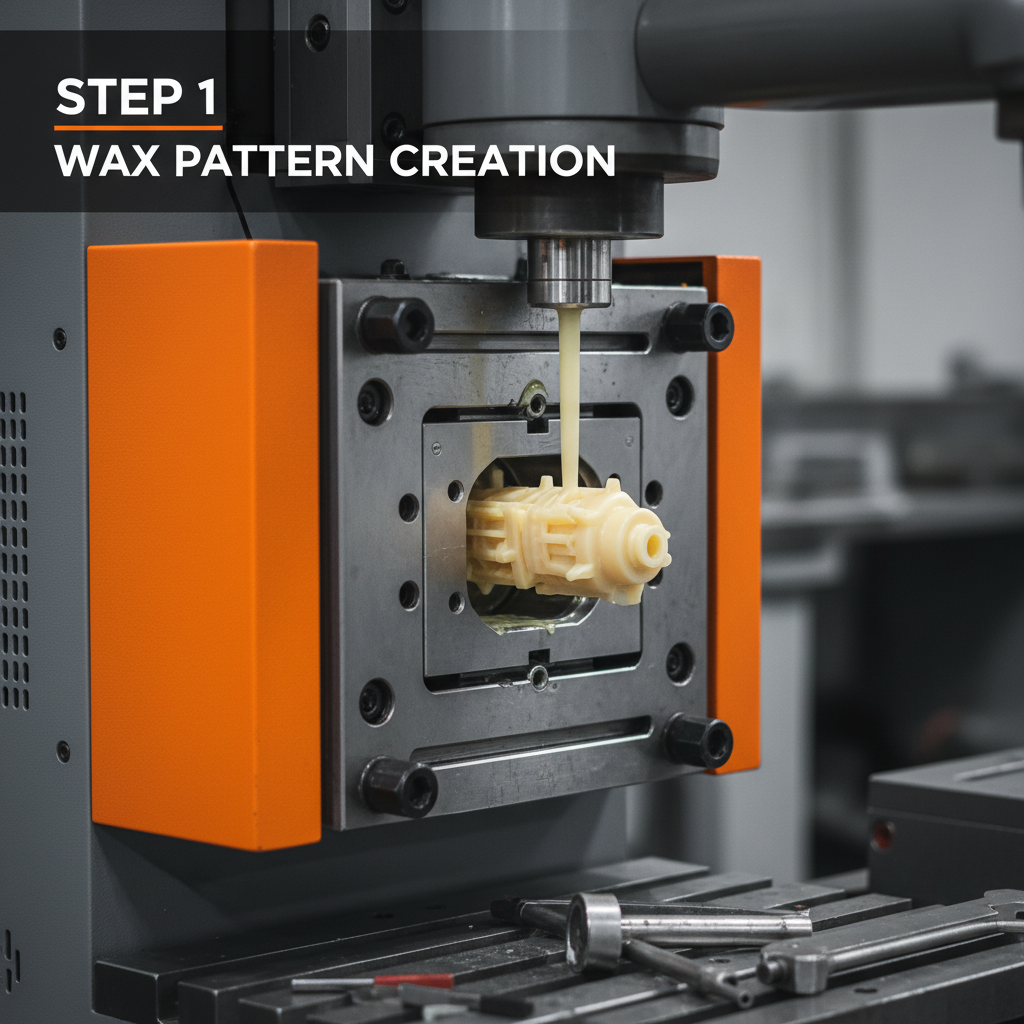
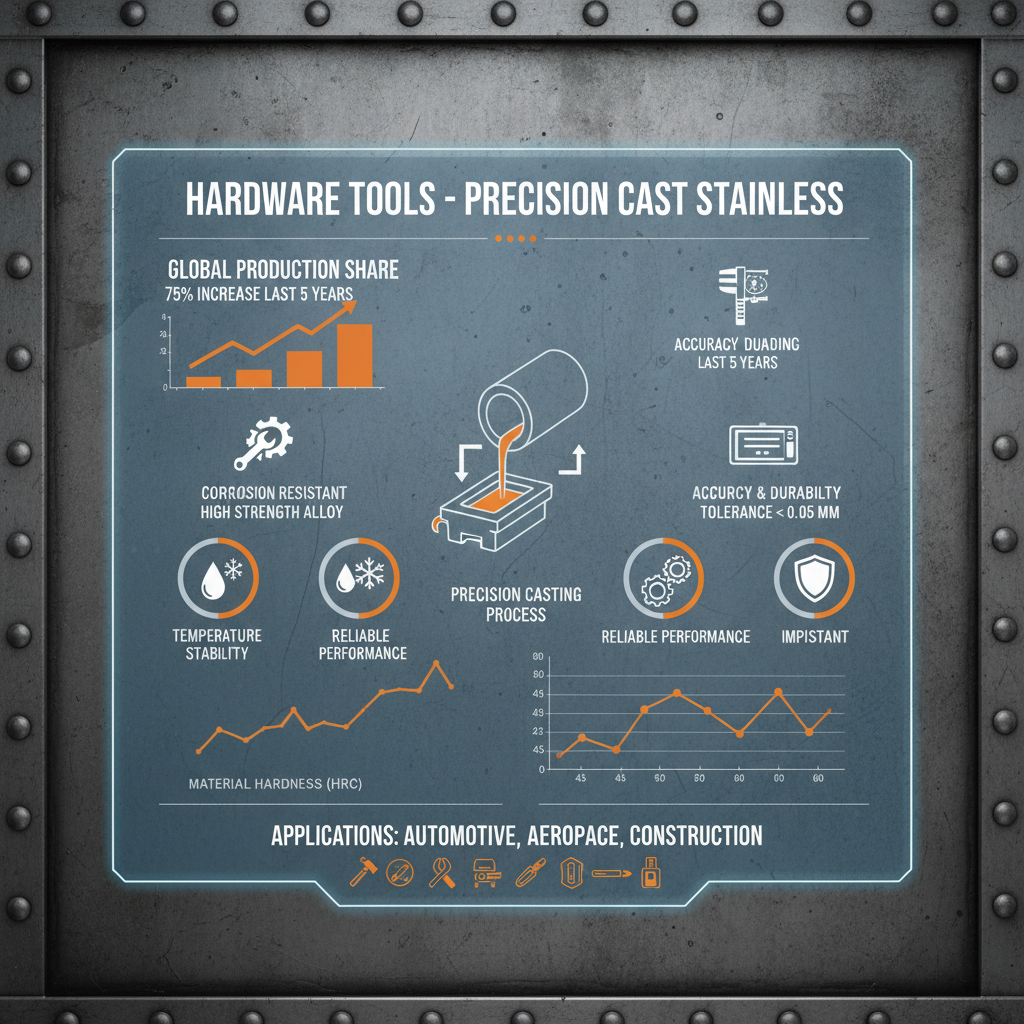
At its core, precision cast stainless is a manufacturing process used to create stainless steel parts with extremely tight tolerances and intricate geometries. Unlike traditional casting methods, it prioritizes accuracy and surface finish, often achieving dimensional accuracy within +/- 0.010 inches. This precision is achieved through techniques like investment casting, where a wax pattern is encased in a ceramic shell, melted out, and replaced with molten stainless steel.

This process is integral to modern industry, enabling the production of parts for critical applications where reliability and performance are paramount. From complex turbine blades in aerospace to miniature components in medical implants, precision cast stainless addresses needs where conventional machining is either impossible or prohibitively expensive.

The connection to humanitarian needs arises in areas requiring durable and corrosion-resistant equipment – for example, water purification systems in disaster relief efforts or long-lasting medical instruments for remote healthcare facilities. The ability to create components tailored to specific environmental conditions and operational requirements makes it a valuable asset.

Core Characteristics of Precision Cast Stainless

One of the defining characteristics of precision cast stainless is its exceptional dimensional accuracy. The investment casting process, often employed, allows for the replication of intricate details and complex shapes that are challenging to achieve through other manufacturing methods. This accuracy directly translates to improved fit and function in the final assembly.

Corrosion resistance is another key characteristic. Stainless steel, by its very nature, contains chromium, which forms a passive layer protecting the underlying metal from corrosion. Precision casting ensures this protective layer remains intact, even in challenging environments. Different grades of stainless steel (e.g., 304, 316) offer varying levels of corrosion resistance, allowing for tailored solutions.

Furthermore, precision cast stainless offers excellent mechanical properties, including high tensile strength, yield strength, and hardness. These properties ensure the durability and longevity of the components, making them suitable for demanding applications. Surface finish is also a crucial aspect, often requiring minimal post-processing.

Key Factors Influencing Precision Cast Stainless Quality

The quality of precision cast stainless components is heavily influenced by the selection of the appropriate stainless steel alloy. Different alloys offer varying levels of corrosion resistance, strength, and ductility, and the choice must align with the intended application’s requirements. For example, 316 stainless is favored for marine environments due to its superior resistance to chloride corrosion.

Mold design and material are equally critical. Precise mold creation, often using ceramic materials, is essential for achieving the desired dimensional accuracy and surface finish. The mold must withstand the high temperatures of molten stainless steel and prevent cracking or deformation during the casting process.

Precision Cast Stainless Quality Assessment


Global Applications of precision cast stainless

The aerospace industry is a major consumer of precision cast stainless components, utilizing them in turbine blades, engine parts, and structural components where high strength-to-weight ratios and corrosion resistance are crucial. In Europe and North America, stringent aerospace regulations drive demand for high-quality castings.

The medical device sector also relies heavily on precision cast stainless for producing surgical instruments, implants, and diagnostic equipment. The biocompatibility and sterilizability of stainless steel make it ideal for these applications. In regions with advanced healthcare systems, such as the United States and Japan, the demand for precision medical components is consistently high.

Long-Term Value and Advantages

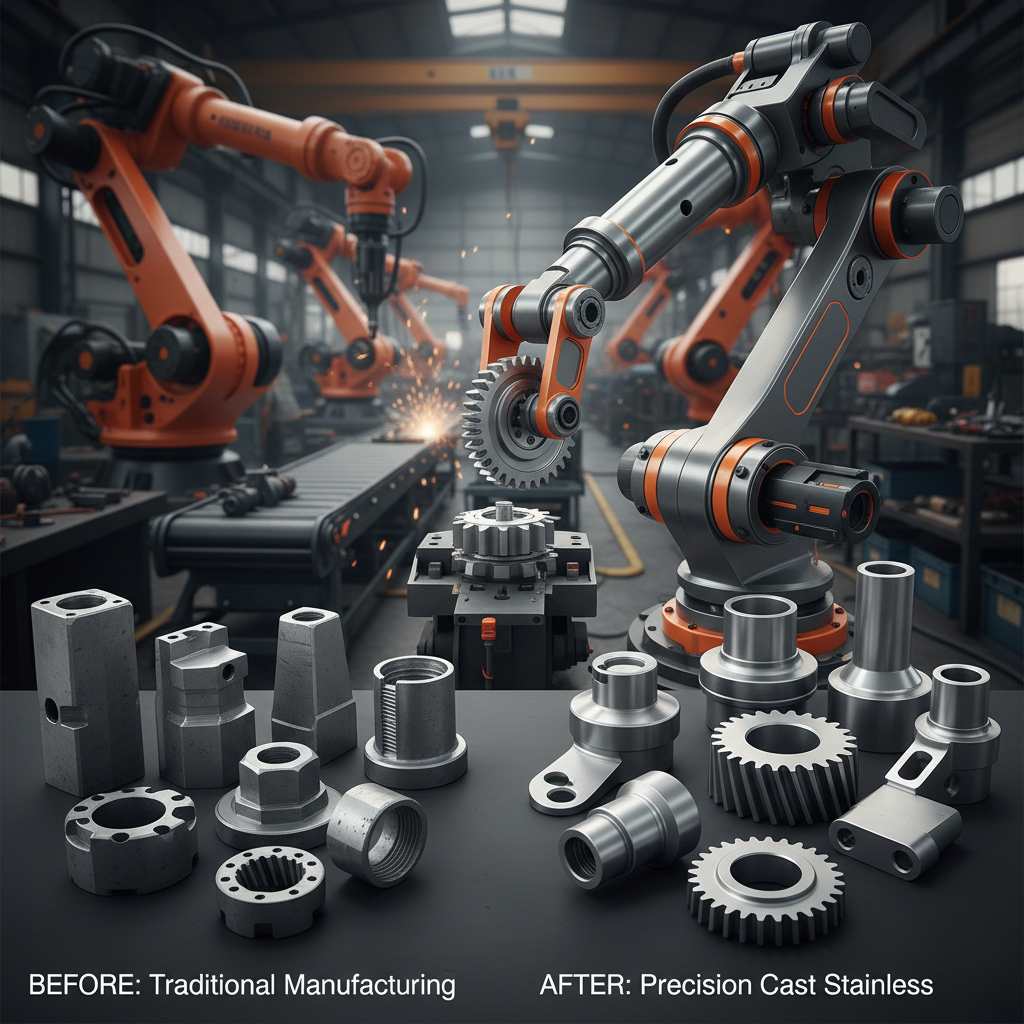
Precision cast stainless provides a substantial return on investment through reduced material waste, lower machining costs, and increased product reliability. The ability to near-net-shape components minimizes the need for secondary operations, streamlining the manufacturing process and lowering overall production expenses.

From a sustainability perspective, the durability of precision cast stainless components extends their lifespan, reducing the need for frequent replacements. Moreover, stainless steel is 100% recyclable, contributing to a circular economy. Emotionally, the reliability and safety offered by these components engender trust and confidence in the products they comprise.

The inherent corrosion resistance translates to lower maintenance costs and increased operational uptime, ultimately boosting productivity and profitability. The long-term value extends beyond cost savings, encompassing enhanced performance, improved safety, and reduced environmental impact.

Future Trends in precision cast stainless

Additive manufacturing (3D printing) is beginning to integrate with precision casting processes, enabling the creation of even more complex geometries and customized components. Hybrid approaches, combining the strengths of both technologies, are expected to become increasingly prevalent.

The development of new stainless steel alloys with enhanced properties, such as increased strength and corrosion resistance, will further expand the applications of precision cast stainless. Automation and robotic process control are also being implemented to improve efficiency, reduce labor costs, and enhance quality control.

Sustainable manufacturing practices, including the use of recycled stainless steel and energy-efficient casting processes, are gaining traction as companies strive to minimize their environmental footprint. The future of precision cast stainless lies in innovation, sustainability, and the ability to adapt to the evolving needs of various industries.

Summary of Key Factors in Precision Cast Stainless Casting Process Evaluation

Casting Method Dimensional Accuracy (Score 1-10) Surface Finish (Score 1-10) Cost Efficiency (Score 1-10)
Investment Casting 9 8 7
Shell Mold Casting 7 6 8
Vacuum Casting 8 9 6
Lost Foam Casting 6 5 9
Centrifugal Casting 5 4 7
Die Casting (Stainless Steel) 7 7 8

FAQS

What are the primary advantages of using precision cast stainless over traditional machining?

Precision cast stainless offers significant advantages over machining, particularly for complex geometries. Machining can be wasteful, removing large amounts of material, while precision casting creates near-net-shape components, reducing waste and machining time. Precision casting also allows for features that are difficult or impossible to achieve through machining, like internal cavities and intricate designs. Cost savings are frequently realized through reduced material usage and labor hours. The process is also ideal for low to medium volume production runs.

What types of stainless steel grades are most commonly used in precision casting?

The most common stainless steel grades used in precision casting include 304, 316, 17-4 PH, and 410. 304 offers excellent corrosion resistance and weldability, making it suitable for a wide range of applications. 316 provides enhanced corrosion resistance, particularly in chloride environments. 17-4 PH is a precipitation hardening stainless steel, offering high strength and hardness. 410 is a martensitic stainless steel often used for applications requiring wear resistance.

What are the typical lead times for precision cast stainless components?

Lead times can vary significantly depending on the complexity of the part, the quantity ordered, and the availability of tooling. Generally, lead times range from 4 to 12 weeks. Initial tooling creation can take 2-6 weeks. Once tooling is complete, production lead times are typically shorter. Expedited tooling and production services are often available for urgent orders, but they usually come at a premium.

What surface finishes can be achieved with precision cast stainless?

A wide range of surface finishes can be achieved with precision cast stainless, depending on the casting method and post-processing treatments. Typical surface finishes range from Ra 250 micro-inches to Ra 16 micro-inches. Polishing, grinding, and bead blasting can further refine the surface finish to meet specific requirements. Investment casting generally produces the smoothest surface finish, requiring minimal post-processing.

How does precision cast stainless compare to other casting methods in terms of cost?

Precision cast stainless generally has a higher upfront tooling cost than sand casting or die casting. However, the reduced machining requirements and material waste often result in lower overall costs, especially for complex parts and medium to low production volumes. Die casting is typically more cost-effective for high-volume production of simpler parts. Investment casting’s precision can avoid costly rework and scrap.

What are the quality control measures involved in precision cast stainless production?

Rigorous quality control measures are implemented throughout the entire precision cast stainless production process. These include dimensional inspections using coordinate measuring machines (CMMs), non-destructive testing (NDT) methods like radiography and dye penetrant inspection, and material analysis to verify alloy composition. Many manufacturers operate under ISO 9001 certification, ensuring adherence to internationally recognized quality standards.

Conclusion

Precision cast stainless stands as a cornerstone of modern manufacturing, offering a unique blend of design flexibility, material performance, and cost-effectiveness. Its ability to produce complex, high-quality components with tight tolerances makes it essential across diverse industries, from aerospace and medical to automotive and energy. The long-term benefits extend beyond immediate cost savings, encompassing enhanced product reliability, reduced material waste, and increased sustainability.

Looking ahead, the integration of additive manufacturing, the development of advanced stainless steel alloys, and a continued focus on sustainable practices will further solidify precision cast stainless’s role in driving innovation. We encourage you to explore the possibilities of precision cast stainless for your specific application. Visit our website at precision cast stainless to learn more and request a quote.

William Davis

William Davis

William Davis works as a Technical Support Specialist at Hebei Mingda International Trading Company, catering to our US-based customers. He possesses a strong engineering background and provides support on material selection, casting design, and machining processes. William excels at understanding client needs and translating them into actionable production instructions for
Previous Advancements in Precision Cast Steel Parts for Modern Industries
Next The Enduring Strength of Orange Cast Iron Fittings for Modern Infrastructure