Nodular cast iron fittings are essential components in a wide range of industries, from water and wastewater management to gas distribution and mechanical engineering. Their superior mechanical properties, including high strength, ductility, and impact resistance, make them a preferred choice over traditional materials like ductile iron or steel in numerous applications. Understanding the characteristics and benefits of these fittings is crucial for engineers, project managers, and anyone involved in infrastructure development and maintenance.
Globally, the demand for robust and reliable piping systems is steadily increasing, driven by population growth, urbanization, and the need for efficient resource management. Nodular cast iron fittings play a vital role in meeting this demand, providing long-lasting and dependable connections in critical infrastructure networks. The increasing focus on sustainability also favors these fittings, as their longevity reduces the need for frequent replacements, minimizing environmental impact and lifecycle costs.
The versatility of nodular cast iron fittings allows for customization to meet specific project requirements. Manufacturers like nodular cast iron fittings offer a diverse range of fittings in various sizes, configurations, and coatings, catering to diverse applications and ensuring compatibility with different piping materials. Investing in a thorough understanding of these fittings empowers informed decision-making and optimizes the performance of fluid handling systems.
Defining Nodular Cast Iron Fittings
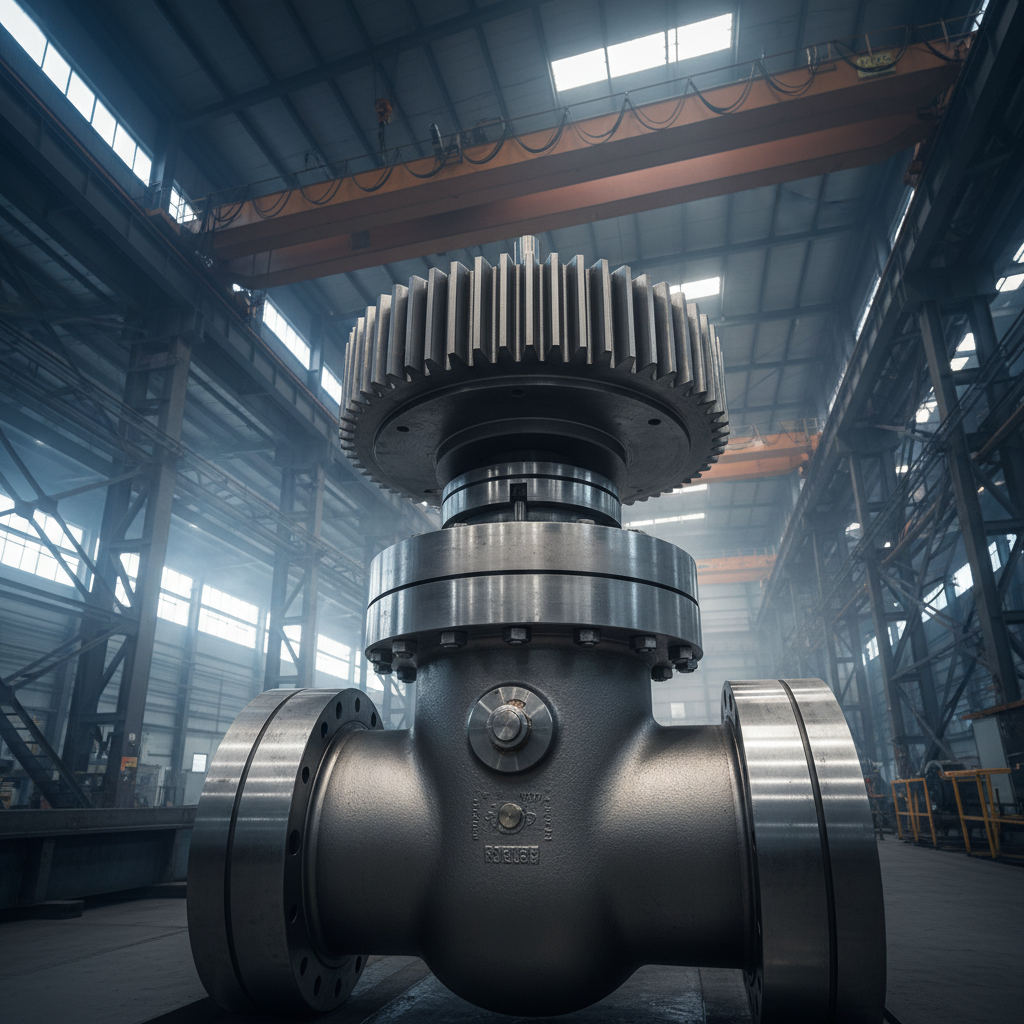
Nodular cast iron fittings, also known as ductile iron fittings, are piping components manufactured from cast iron modified with magnesium or cerium. This modification transforms the graphite structure within the iron from flakes to spheroids, dramatically improving the material's ductility and toughness. These fittings are used to connect sections of pipe, change flow direction, or regulate flow within a piping system.
These fittings are integral to modern infrastructure, particularly in scenarios where reliable fluid conveyance is paramount. They are closely linked to the basic human need for clean water and effective sanitation, as they form critical parts of water distribution networks. Moreover, their use in industrial processes contributes to efficient manufacturing and resource utilization, underpinning broader economic development.
Global Relevance and Industry Context
The global market for cast iron fittings, including nodular cast iron variants, is substantial and growing. According to industry reports, the global ductile iron pipe market alone was valued at over $7 billion in 2023 and is projected to reach over $9 billion by 2030. This growth is fueled by large-scale infrastructure projects in developing countries, coupled with ongoing modernization efforts in established economies. The United Nations Sustainable Development Goals, particularly SDG 6 (Clean Water and Sanitation), further underscore the importance of reliable piping systems and the materials used in their construction.
The challenge of aging infrastructure in many parts of the world necessitates the replacement of outdated piping systems with more durable and reliable alternatives. Traditional materials often suffer from corrosion, leaks, and frequent failures, leading to costly repairs and disruptions to service. Nodular cast iron fittings offer a long-term solution, minimizing maintenance requirements and ensuring consistent performance.
Furthermore, the increasing demand for sustainable infrastructure solutions is driving the adoption of nodular cast iron fittings. Their long lifespan reduces the need for frequent replacements, lowering overall environmental impact and promoting resource conservation. Manufacturers like nodular cast iron fittings are actively investing in environmentally responsible production processes to further enhance the sustainability of their products.
Understanding the Composition of Nodular Cast Iron Fittings
Nodular cast iron differs significantly from gray cast iron due to its unique microstructure. The key lies in the addition of magnesium (Mg) or cerium (Ce) to the molten iron. These elements cause the graphite to form into nodules or spheres, rather than flakes as found in gray cast iron. This spheroidal graphite dramatically alters the material's properties, providing increased strength, ductility, and impact resistance.
The specific chemical composition of nodular cast iron fittings is carefully controlled to meet industry standards such as ASTM A509. Common alloying elements include carbon, silicon, manganese, phosphorus, and sulfur. The precise proportions of these elements influence the final properties of the fitting, allowing manufacturers to tailor the material to specific applications. Proper control of these elements during the casting process is crucial for achieving the desired metallurgical characteristics.
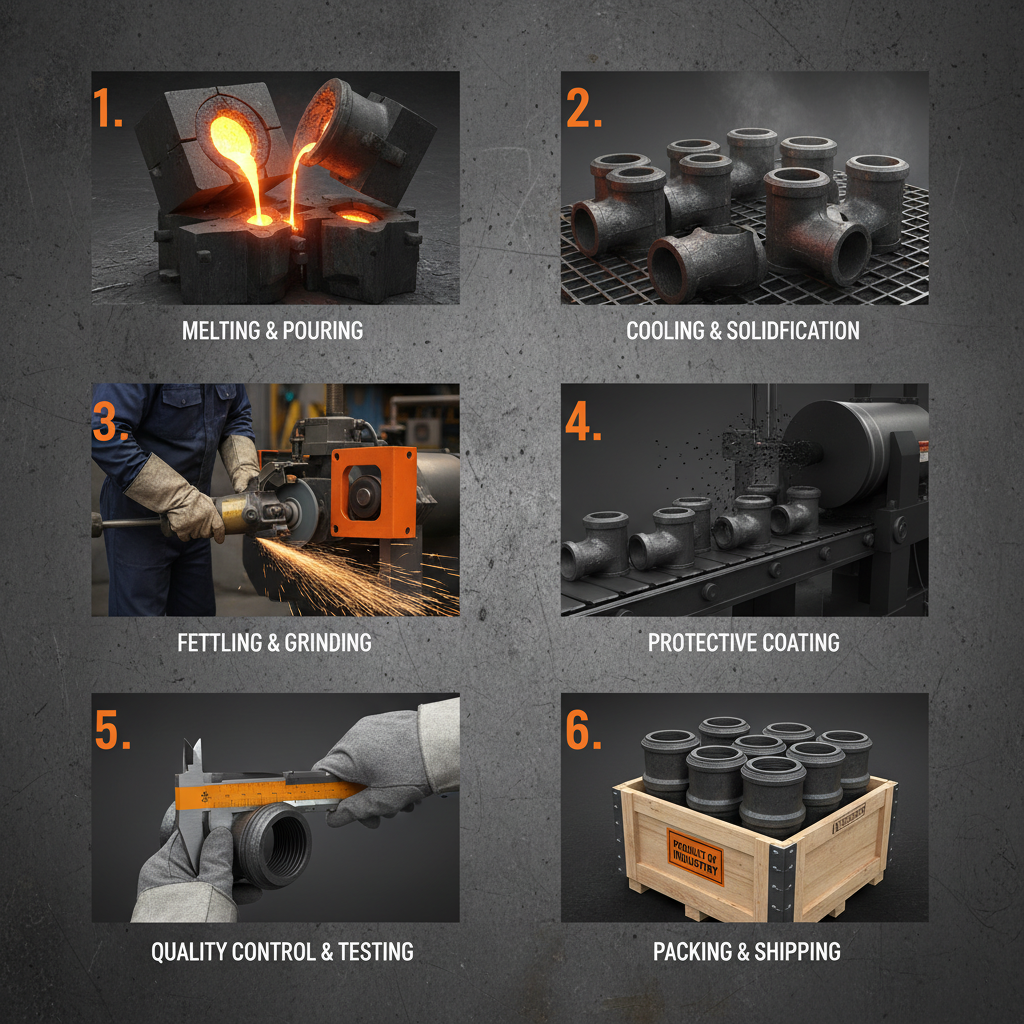
The production process of nodular cast iron fittings involves several key steps, including melting the iron, adding the modifying elements, pouring the molten metal into molds, and subsequent heat treatment. Quality control measures are implemented throughout the process to ensure that the finished fittings meet stringent standards for dimensional accuracy, mechanical properties, and surface finish.
Key Mechanical Properties and Performance
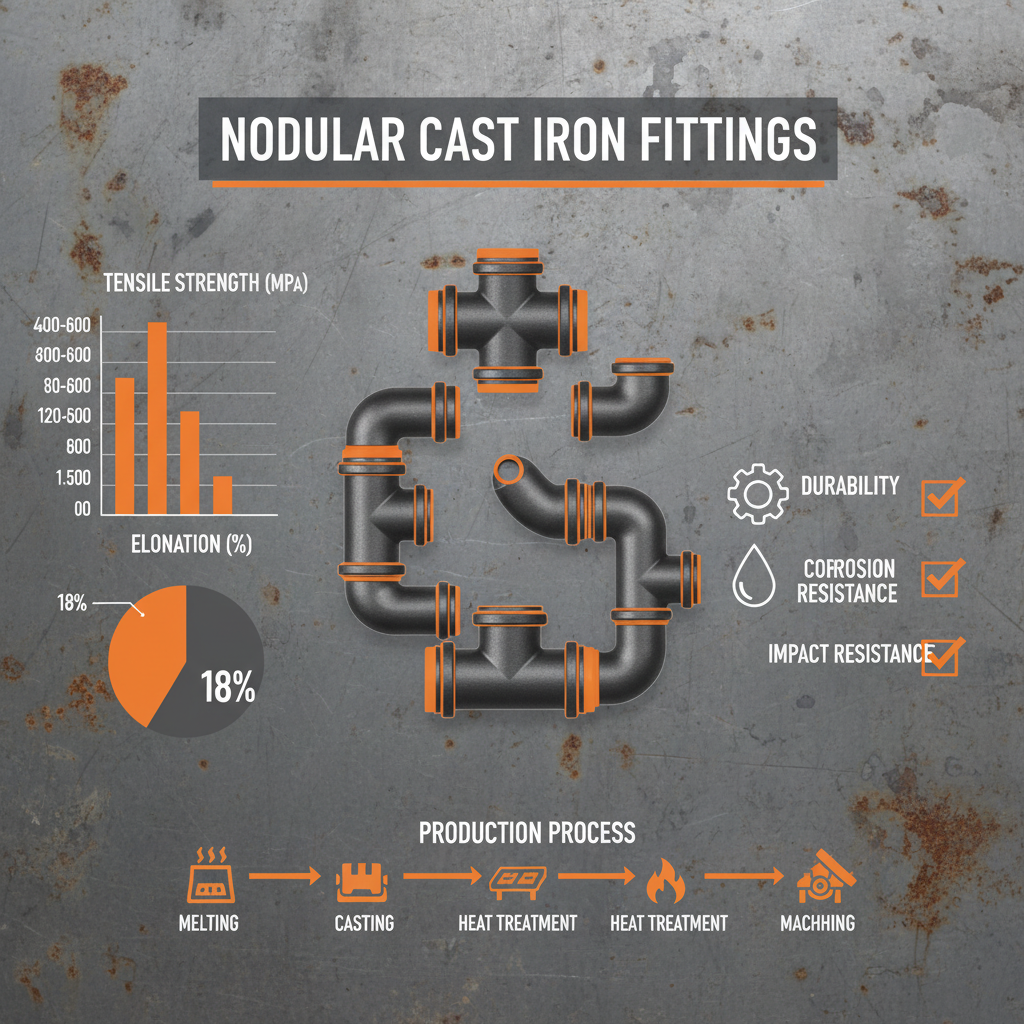
Nodular cast iron fittings exhibit several outstanding mechanical properties that make them suitable for demanding applications. These include high tensile strength, which is the ability to withstand pulling forces; excellent ductility, allowing the material to deform without fracturing; and superior impact resistance, preventing brittle failure under sudden loads. These properties collectively contribute to the long-term reliability and durability of piping systems.
Compared to other materials, nodular cast iron offers a unique combination of strength and flexibility. This allows it to withstand pressure fluctuations, thermal expansion and contraction, and ground movement without compromising the integrity of the connection.
Comparison of nodular cast iron fittings Performance Metrics
Diverse Applications Across Industries
Nodular cast iron fittings find widespread use in various industries. In the water and wastewater sector, they are used for distribution networks, pump stations, and treatment facilities. Their corrosion resistance and ability to withstand high pressures make them ideal for transporting potable water and handling wastewater.
In the gas distribution industry, nodular cast iron fittings are critical for safely conveying natural gas and other fuel gases. Their robust construction and leak-proof connections ensure the integrity of the gas network. Other applications include fire protection systems, mining operations, and industrial fluid handling, where reliable performance and durability are essential.
Long-Term Benefits and Value Proposition
Investing in nodular cast iron fittings translates to significant long-term benefits. Their extended lifespan minimizes the need for frequent replacements, reducing lifecycle costs and downtime. This is particularly important for critical infrastructure where disruptions can have severe consequences.
Beyond cost savings, these fittings offer enhanced safety and reliability. Their robust construction and resistance to failure provide peace of mind, knowing that the piping system will perform consistently under demanding conditions. Choosing nodular cast iron demonstrates a commitment to quality, sustainability, and responsible infrastructure management.
Future Trends and Technological Advancements
The future of nodular cast iron fittings is likely to be shaped by several key trends. The increasing focus on smart infrastructure and the Internet of Things (IoT) will drive the development of fittings with integrated sensors for monitoring pressure, flow, and other parameters. These sensors will enable predictive maintenance, optimizing performance and preventing failures.
Furthermore, advancements in materials science may lead to the development of even more durable and corrosion-resistant alloys. The adoption of additive manufacturing techniques, such as 3D printing, could also revolutionize the production of these fittings, allowing for greater customization and design flexibility.
Sustainable manufacturing practices and the use of recycled materials will become increasingly important as the industry strives to reduce its environmental footprint. Companies like nodular cast iron fittings are already exploring innovative approaches to minimize waste and optimize resource utilization.
FAQS
While both are robust, nodular cast iron fittings boast superior ductility due to the spheroidal graphite structure. This means they can withstand greater deformation without fracturing, making them more resilient to impacts and ground movement. They also offer improved corrosion resistance and a smoother internal surface, reducing friction and pressure loss within the piping system.
Nodular cast iron exhibits excellent corrosion resistance, particularly when coated with appropriate protective layers like epoxy or zinc. The spheroidal graphite structure limits the penetration of corrosive agents, slowing down the degradation process. However, the specific corrosion resistance depends on the type of corrosive agent and the quality of the coating.
With proper installation and maintenance, a nodular cast iron fitting can have a lifespan of 50 years or more. Their durability and resistance to corrosion contribute to their long-term reliability. Regular inspections and protective coatings can further extend their service life.
Nodular cast iron fittings are available in a wide range of sizes, typically from 2 inches to 60 inches in diameter. Manufacturers like nodular cast iron fittings offer both standard and custom sizes to meet specific project requirements. They can also be fabricated to different pressure ratings and connection types.
The initial cost of nodular cast iron fittings may be slightly higher than steel fittings. However, the long-term cost of ownership is often lower due to their superior corrosion resistance and longer lifespan. Steel fittings require more frequent maintenance and replacement, resulting in higher lifecycle costs.
Yes, nodular cast iron fittings are well-suited for high-pressure applications, particularly in water and gas distribution systems. They are designed and manufactured to withstand significant internal pressures without failure. Pressure ratings vary depending on the specific fitting design and the material grade. It is crucial to select fittings with appropriate pressure ratings for the intended application.
Conclusion
In summary, nodular cast iron fittings represent a vital component in modern infrastructure, offering a compelling combination of strength, durability, corrosion resistance, and cost-effectiveness. Their widespread application across diverse industries underscores their importance in ensuring reliable fluid conveyance and supporting sustainable development. By understanding their unique properties and benefits, engineers and project managers can make informed decisions that optimize performance and minimize lifecycle costs.
Looking ahead, continued innovation in materials science and manufacturing techniques will further enhance the capabilities of nodular cast iron fittings. The integration of smart technologies and the adoption of sustainable practices will solidify their position as a critical building block of resilient and environmentally responsible infrastructure. For high-quality nodular cast iron fittings and expert guidance, visit our website at www.mingdametals.com.