Phone:
+86 18631189888

Email:
liyanhui@bestcastings.cn

Industrial piping systems play a critical role in transporting liquids, gases, steam, and other process media across countless industries. Whether used in oil and gas facilities, chemical plants, power stations, water treatment systems, shipbuilding projects, or manufacturing facilities, the quality of piping components directly affects system safety, efficiency, and long-term reliability. Among these components, stainless steel pipe fittings are widely recognized for their durability, corrosion resistance, and ability to perform under demanding operating conditions.
As global industries continue to pursue higher performance standards and longer equipment lifecycles, demand for premium-quality pipe fittings continues to grow. Manufacturers increasingly seek reliable suppliers capable of providing customized products, strict quality control, and consistent production capabilities. This trend has encouraged many international buyers to cooperate with experienced suppliers and a professional china pipe fittings factory that can deliver high-quality products while maintaining competitive pricing and dependable delivery schedules.

One of the most significant advantages of stainless steel pipe fittings is their exceptional resistance to corrosion. Industrial piping systems are frequently exposed to moisture, chemicals, temperature fluctuations, and aggressive operating environments. In such conditions, conventional materials may deteriorate over time, leading to leakage, maintenance costs, and system failures.
Stainless steel contains chromium, which forms a protective oxide layer on the material's surface. This protective barrier helps prevent rust and corrosion while maintaining the integrity of the fitting throughout its service life. As a result, stainless steel pipe fittings are commonly selected for applications where reliability and durability are essential.
Their corrosion resistance makes them particularly suitable for industries that require strict cleanliness standards or operate in challenging environments. From chemical processing facilities to marine applications and food production systems, stainless steel fittings continue to provide dependable performance while minimizing maintenance requirements.
Modern industrial operations often involve demanding pressure and temperature conditions. Piping systems must be capable of maintaining structural integrity while transporting process media safely and efficiently.
Stainless steel pipe fittings offer excellent mechanical strength and thermal stability, making them well suited for high-pressure and high-temperature applications. Their ability to withstand extreme operating conditions allows them to be used in power generation facilities, refinery systems, industrial boilers, and petrochemical plants.
In addition to strength, stainless steel provides excellent resistance to thermal expansion and contraction compared with many alternative materials. This characteristic helps maintain system stability during temperature fluctuations and reduces the risk of component failure over time.
As industrial processes become increasingly complex, the need for reliable piping solutions continues to increase. Stainless steel pipe fittings remain one of the most trusted options for ensuring safe and efficient fluid transportation in critical operating environments.
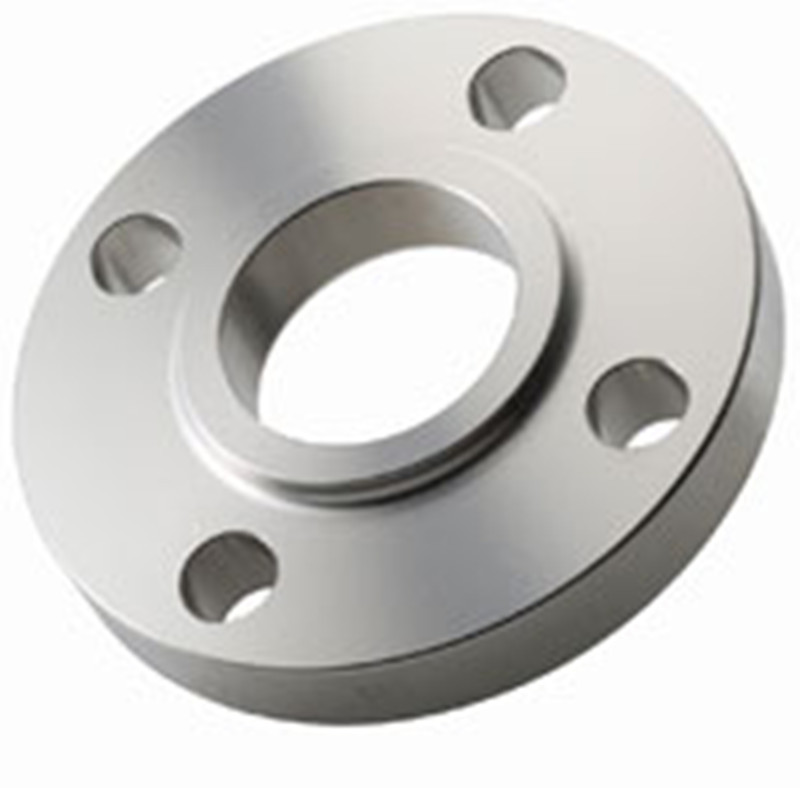
The overall performance of any piping system depends not only on pipes themselves but also on the quality of the pipe fittings used throughout the installation. Elbows, tees, reducers, couplings, unions, and other fittings enable fluid flow control, directional changes, system expansion, and equipment integration.
Poor-quality fittings can introduce leakage points, flow restrictions, and premature failures that negatively impact operational efficiency. High-quality pipe fittings, however, contribute to smooth fluid movement, reduced pressure loss, and improved system reliability.
Precision manufacturing is essential for achieving accurate dimensions and proper sealing performance. Modern production technologies help ensure that fittings meet strict tolerances and industry standards, reducing installation challenges and improving operational consistency.
For engineers and project managers, selecting reliable pipe fittings is a key factor in maintaining system performance and minimizing long-term operating costs.
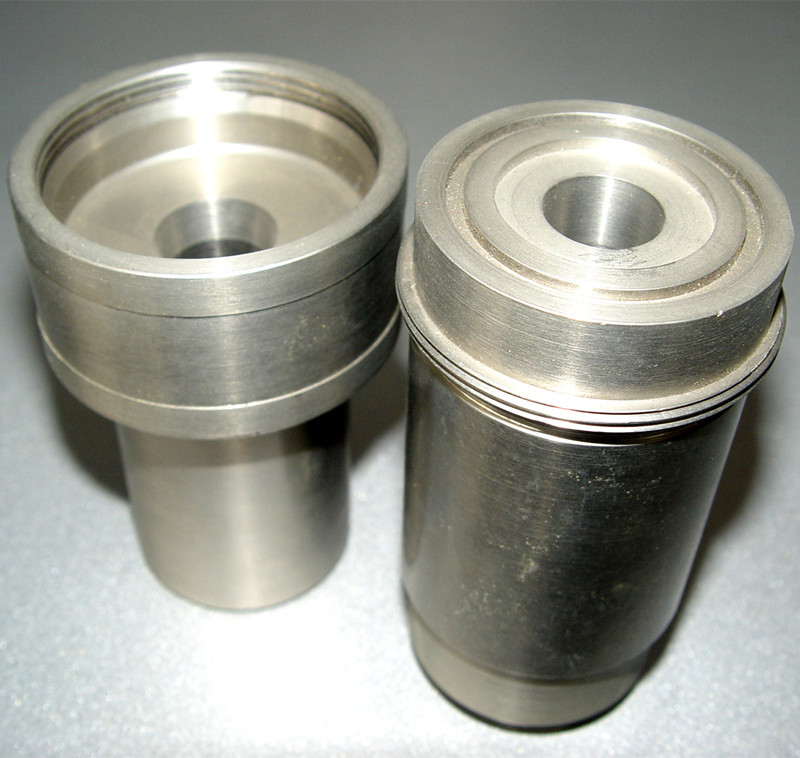
For applications requiring enhanced durability and structural performance, steel forging pipe fittings provide significant advantages. Forging is a manufacturing process that shapes metal under compressive force, refining the material's internal grain structure and improving mechanical properties.
Compared with many alternative production methods, forged fittings typically exhibit greater strength, improved impact resistance, and enhanced fatigue performance. These characteristics make steel forging pipe fittings particularly valuable in industries where safety and reliability are critical.
Oil and gas pipelines, high-pressure process systems, power generation facilities, and industrial manufacturing plants frequently utilize forged fittings because of their ability to withstand demanding service conditions. Their superior mechanical performance helps reduce the likelihood of failures while extending overall system lifespan.
As industries continue to demand higher operational reliability, steel forging pipe fittings remain an important solution for challenging engineering applications.
China has become one of the world's leading manufacturing centers for industrial piping products. Today, a professional china pipe fittings factory often combines advanced production equipment, experienced engineering teams, and strict quality management systems to serve customers across international markets.
Modern facilities are capable of producing a wide variety of stainless steel, carbon steel, alloy steel, and forged fittings according to international standards and customer specifications. Many factories also provide machining, testing, surface treatment, packaging, and logistics services to support complete project requirements.
International buyers frequently choose Chinese suppliers because they offer a combination of manufacturing expertise, production flexibility, and competitive pricing. These advantages allow customers to source high-quality components while maintaining cost control and supply chain efficiency.
As global demand for industrial piping products continues to grow, Chinese manufacturers remain important partners for projects requiring dependable quality and large-scale production capabilities.
Industrial infrastructure continues to expand as countries invest in energy, transportation, manufacturing, water treatment, and construction projects. These developments require durable and reliable piping systems capable of supporting long-term operation under increasingly demanding conditions.
Stainless steel pipe fittings are well positioned to meet these requirements because of their strength, corrosion resistance, and versatility. Advances in manufacturing technology are further improving product quality, dimensional accuracy, and production efficiency.
At the same time, industries are placing greater emphasis on sustainability and lifecycle performance. Stainless steel's durability and recyclability make it an environmentally responsible material choice that aligns with modern engineering objectives.
As infrastructure projects continue to evolve worldwide, stainless steel pipe fittings will remain essential components for ensuring safe, efficient, and reliable fluid transportation systems.
Hebei Mingda International Trading Company specializes in castings, forgings, machined components, and industrial metal products for customers around the world. Through close cooperation with qualified manufacturing partners across China, the company provides flexible production solutions tailored to customer drawings, technical specifications, and project requirements.
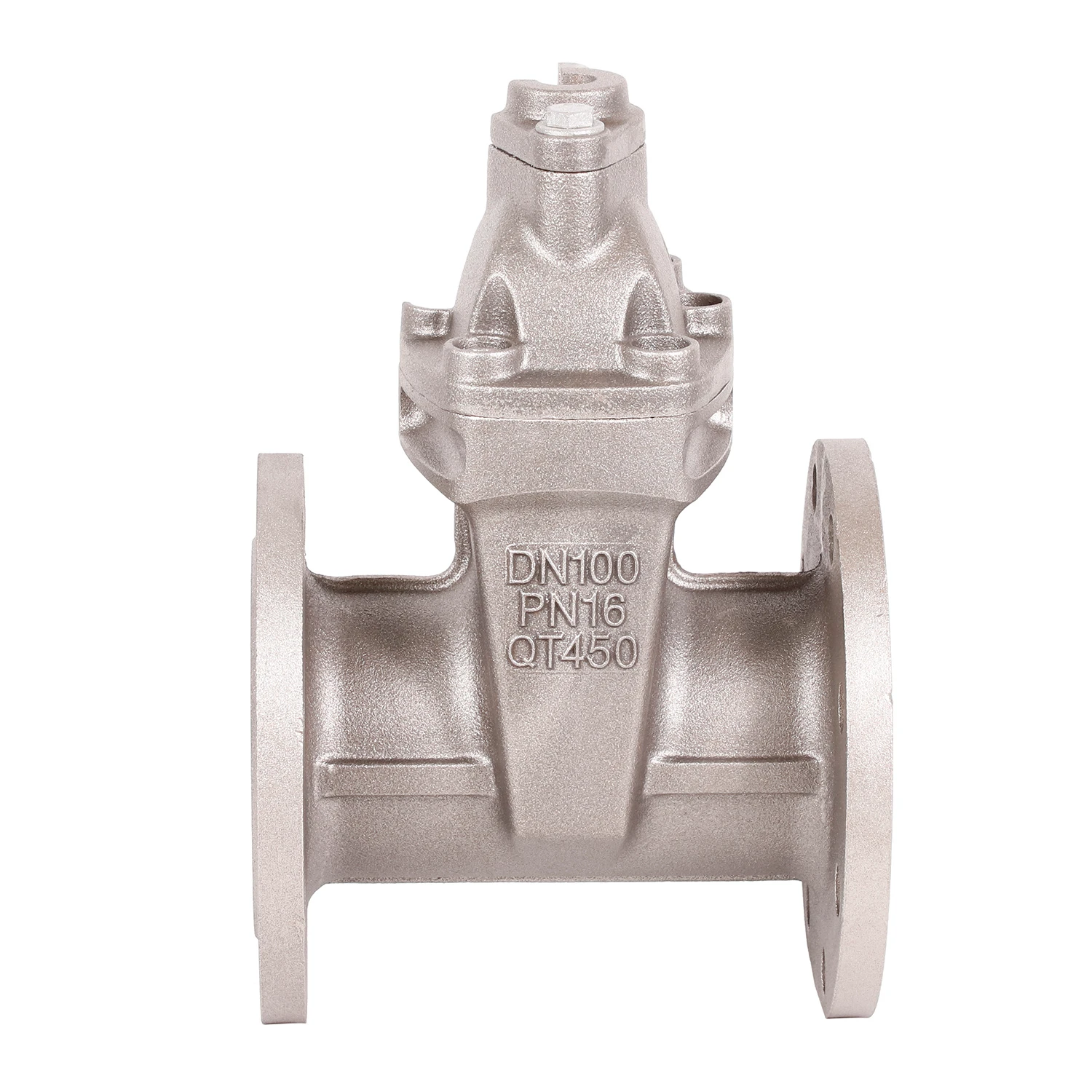
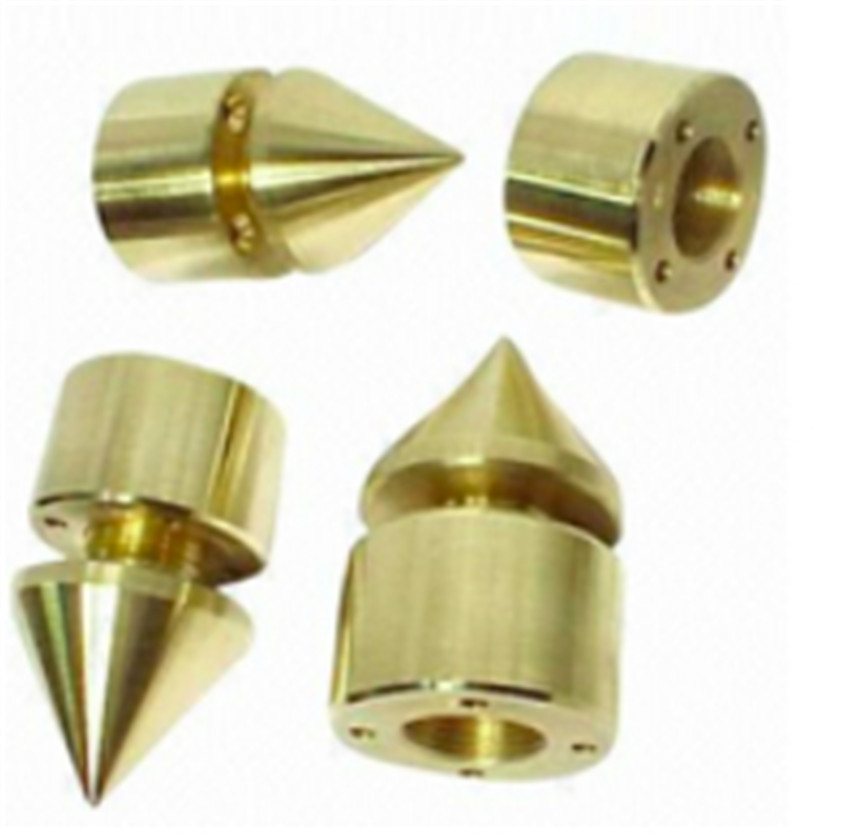
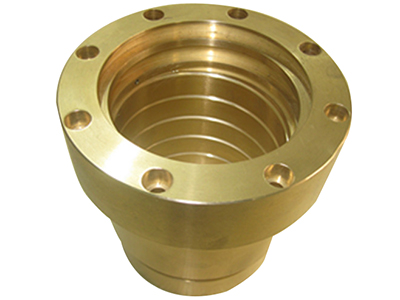
The company's product portfolio includes ductile iron castings, grey iron castings, stainless steel products, brass components, aluminum castings, machined parts, forged products, steel forging pipe fittings, and various industrial pipe fittings. Supported by advanced manufacturing processes such as resin sand casting, sand molding, hot core box production, lost-wax casting, lost-foam casting, forging, machining, and precision manufacturing technologies, Hebei Mingda delivers products that meet demanding international quality standards.
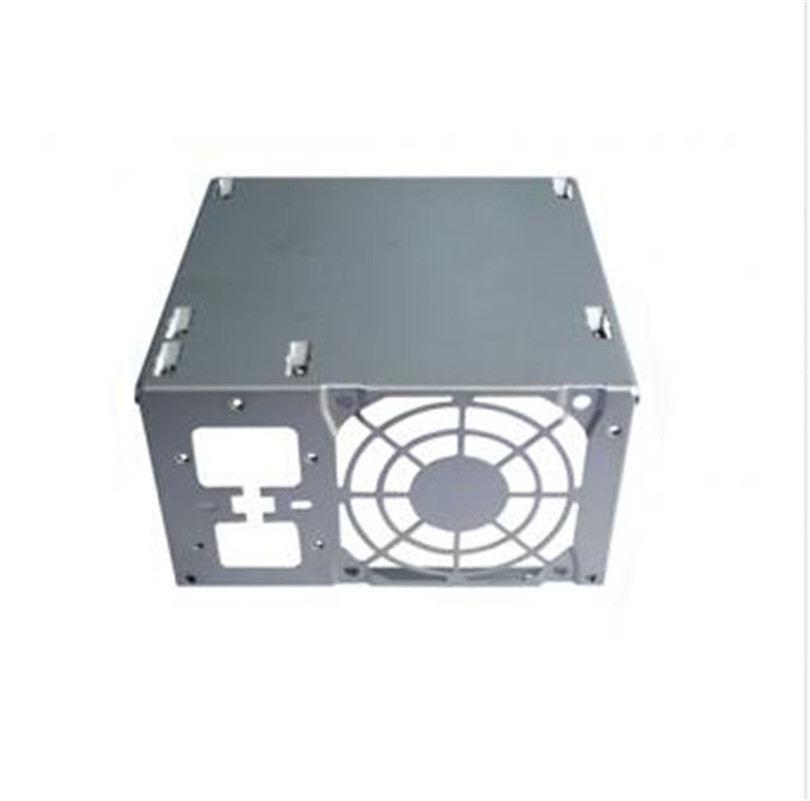
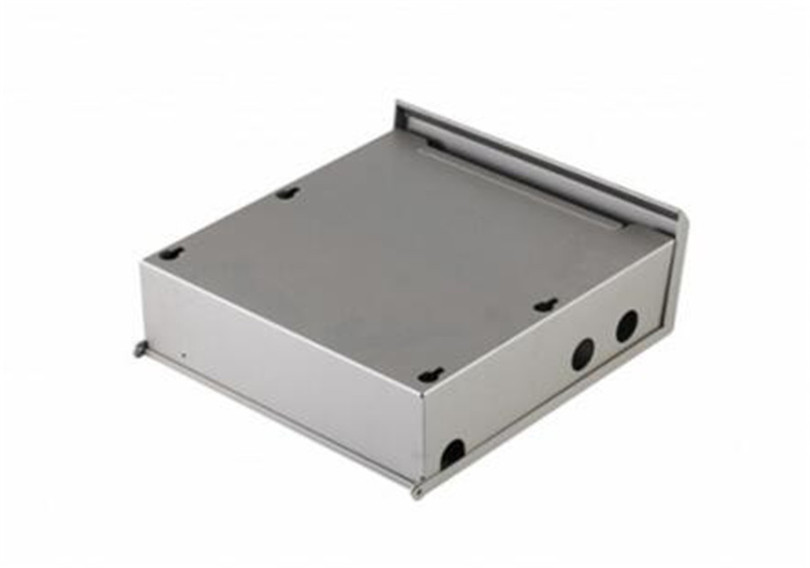
In addition to supplying premium stainless steel pipe fittings, the company also provides customized solutions for industrial applications requiring precision stamping parts and specialized piping components. Strict quality control procedures, competitive pricing, reliable delivery schedules, and extensive export experience have enabled Hebei Mingda to serve customers throughout Germany, Sweden, the United Kingdom, Denmark, France, the United States, the Middle East, and many other regions. Whether you are searching for a dependable china pipe fittings factory or a trusted supplier for custom piping components, Hebei Mingda is ready to support your project with professional service and cost-effective manufacturing solutions. Contact our team today to discuss your requirements and receive a competitive quotation.
Stainless steel pipe fittings are used to connect, control, and redirect fluid flow in industrial piping systems across industries such as oil and gas, chemical processing, power generation, water treatment, and manufacturing.
Stainless steel pipe fittings offer excellent corrosion resistance, high mechanical strength, long service life, and reliable performance in demanding environments.
Steel forging pipe fittings provide superior strength, improved fatigue resistance, enhanced durability, and greater reliability for high-pressure and high-temperature applications.
Precision stamping parts help manufacturers achieve consistent quality, high production efficiency, and accurate dimensions for machinery, equipment, and industrial assemblies.
A professional china pipe fittings factory can provide competitive pricing, advanced manufacturing capabilities, flexible production capacity, and comprehensive quality control to support global industrial requirements.