Phone:
+86 18631189888

Email:
liyanhui@bestcastings.cn


Industrial equipment operating under high loads, pressure, impact, and demanding environmental conditions requires components that can maintain structural integrity throughout long service periods. stainless steel forging parts have become an important choice for manufacturers seeking a combination of mechanical strength, corrosion resistance, dimensional reliability, and long-term durability. Through controlled forging processes, stainless steel can be formed into components with refined grain structures and excellent mechanical properties, making forged parts suitable for applications where conventional manufacturing methods may not provide the required performance. As global industries continue to upgrade machinery and infrastructure, demand for custom steel forging, oem steel forging parts, and reliable forged components from experienced Chinese manufacturers continues to grow.

The fundamental advantage of stainless steel forging parts comes from the way forging changes the internal structure of the metal. During forging, stainless steel is shaped under controlled compressive forces, allowing the material's grain flow to follow the general geometry of the component. This can improve strength, toughness, fatigue resistance, and structural reliability compared with some manufacturing methods.
These characteristics are especially valuable for components exposed to repeated mechanical loads or demanding operating conditions. Forged stainless steel parts can be manufactured for applications involving pressure, vibration, impact, and temperature fluctuations, helping equipment maintain dependable performance over extended service periods.
The combination of stainless steel's inherent corrosion resistance and forging's mechanical advantages makes these components particularly useful in industrial environments where both durability and resistance to deterioration are essential.
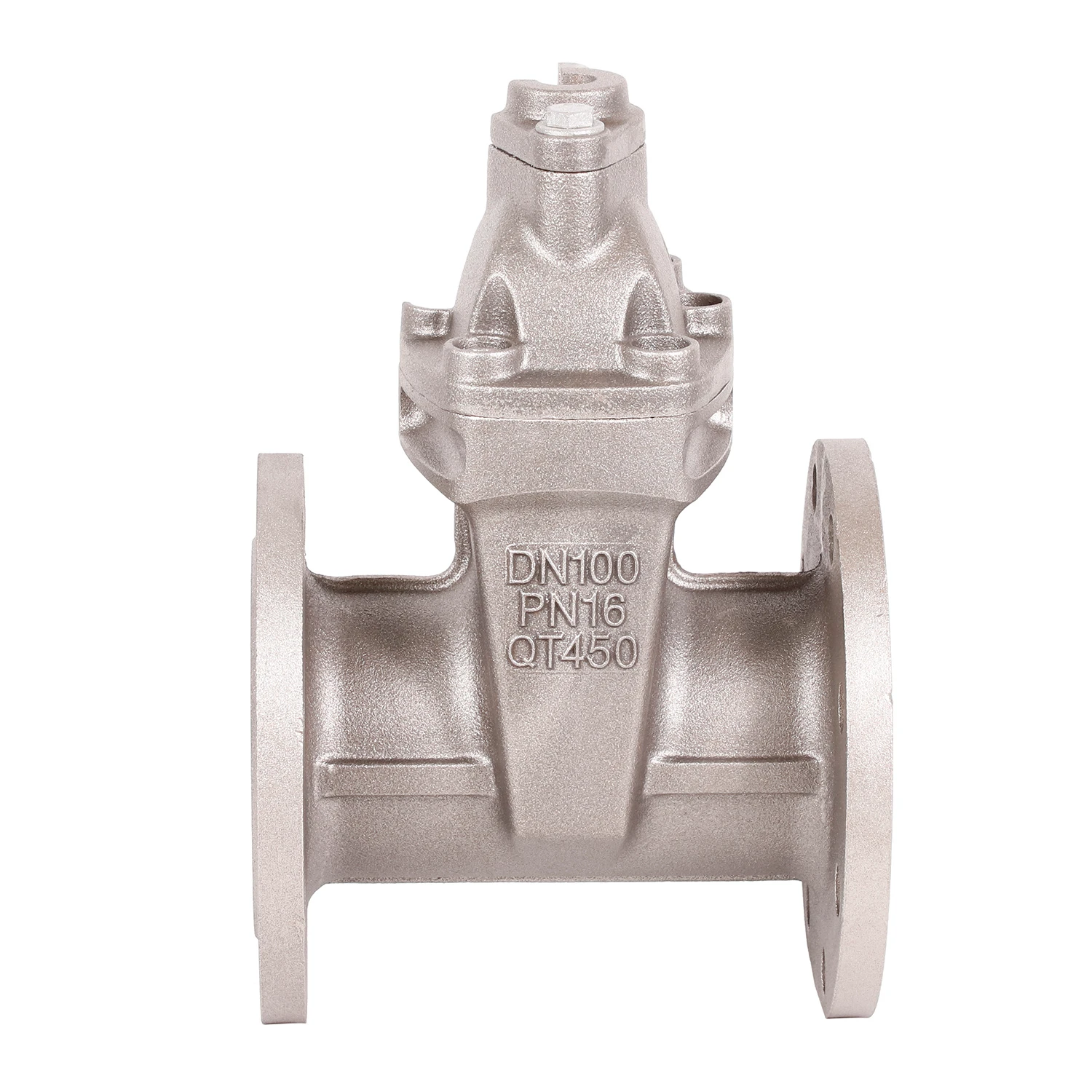
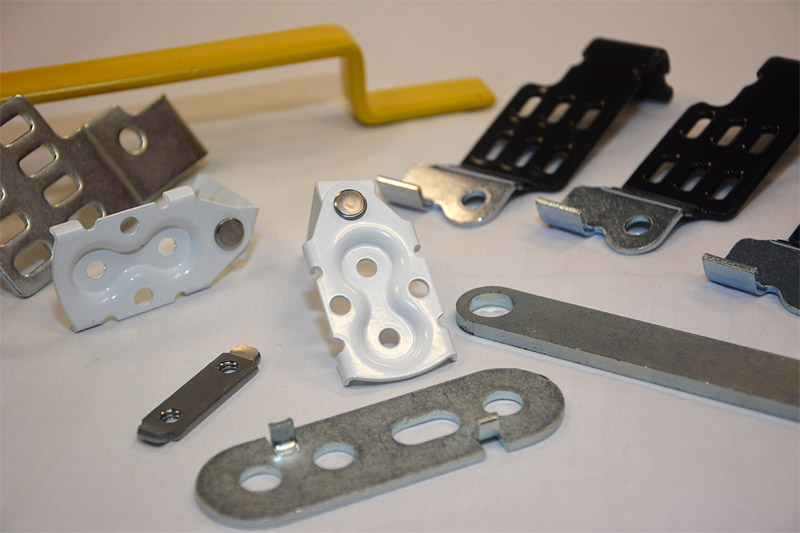
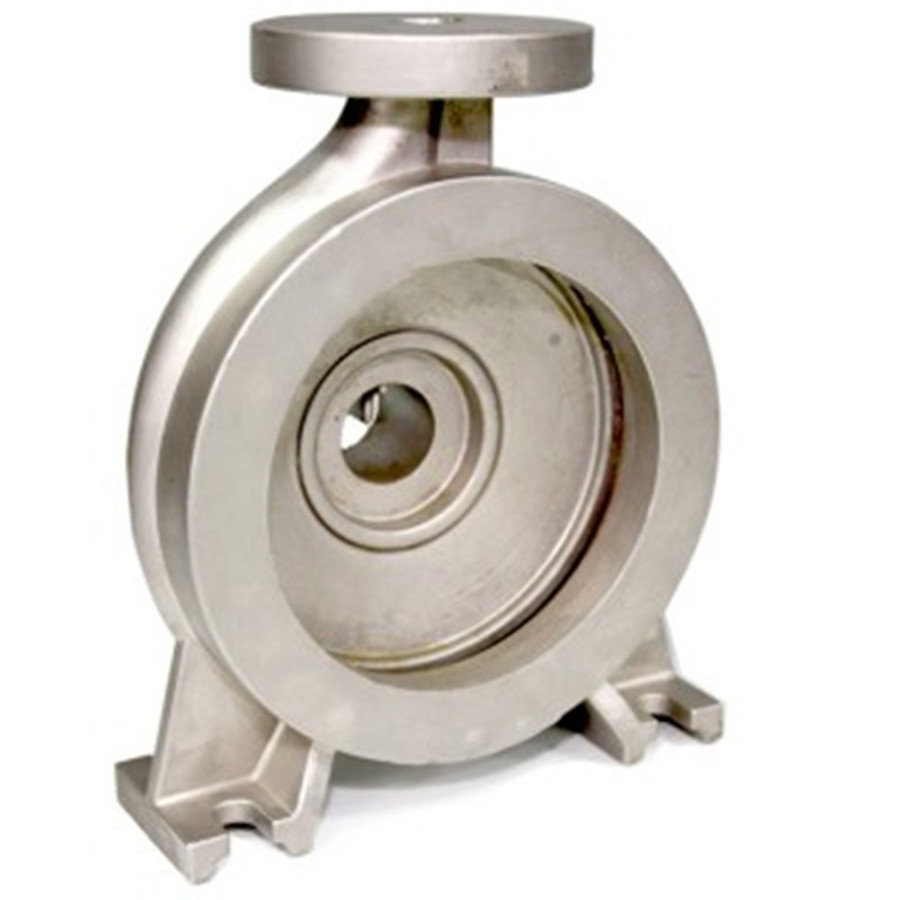
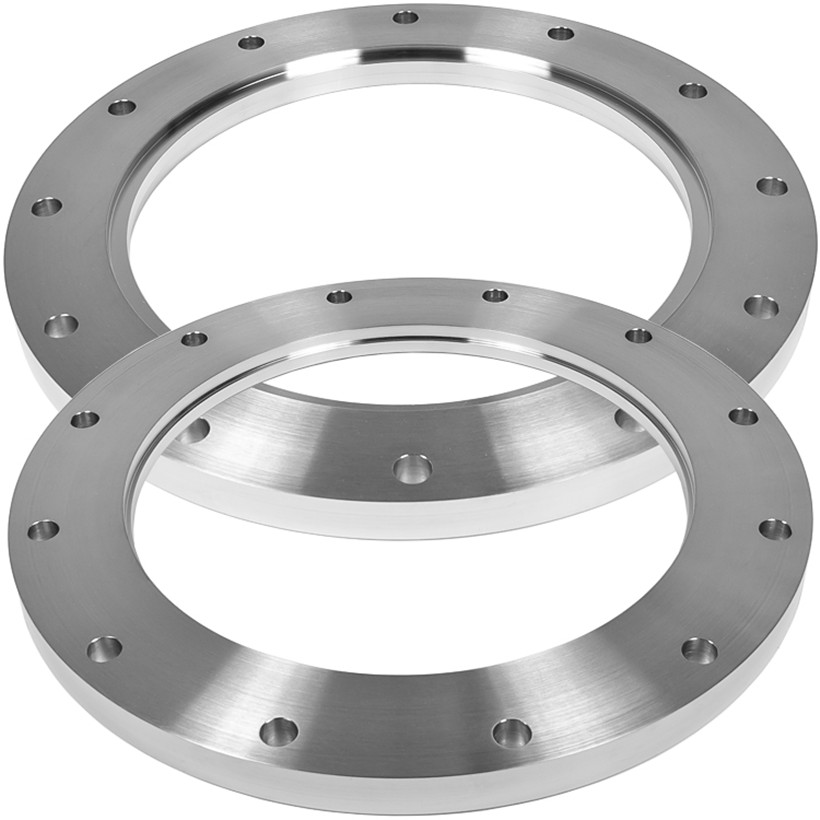
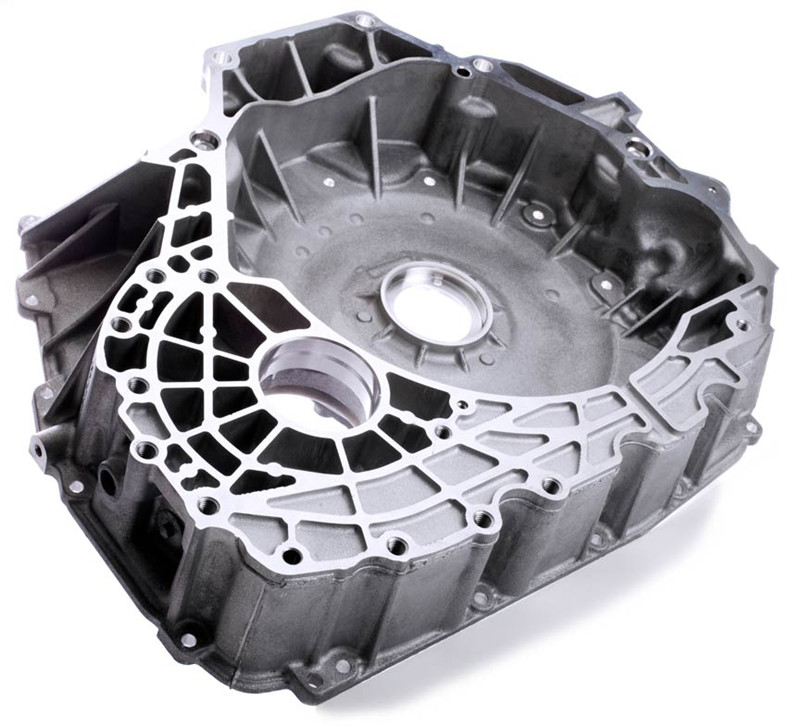
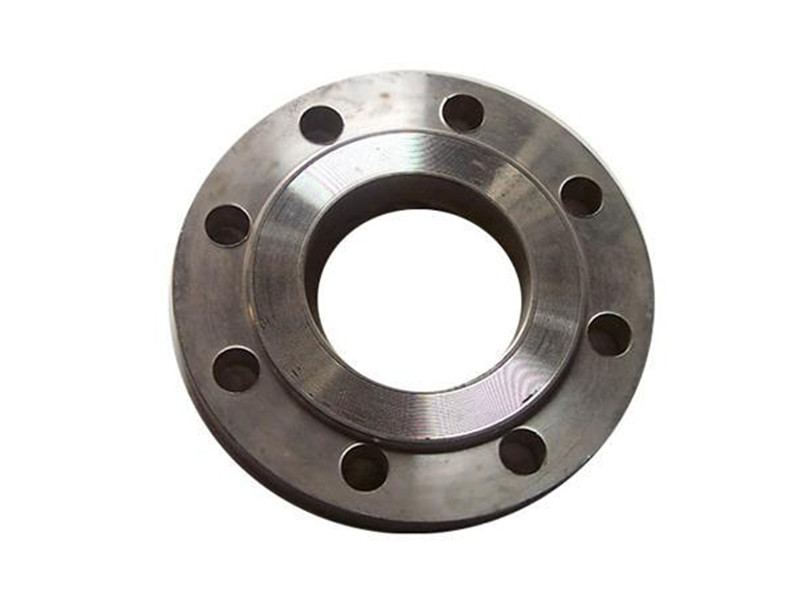
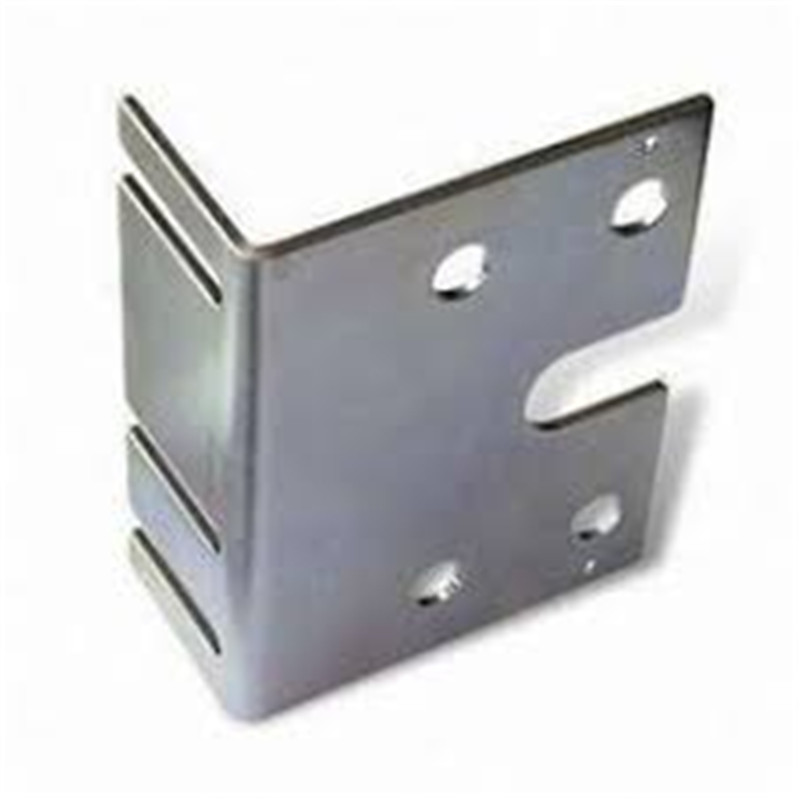
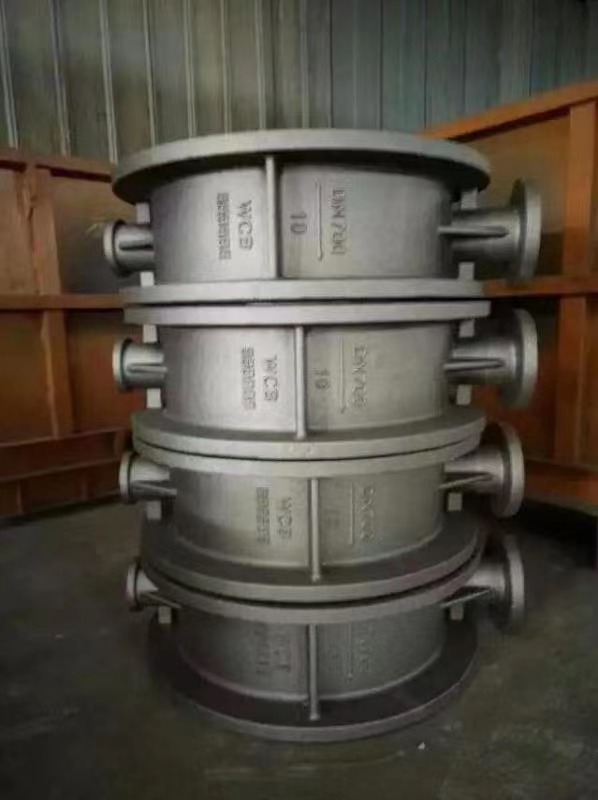
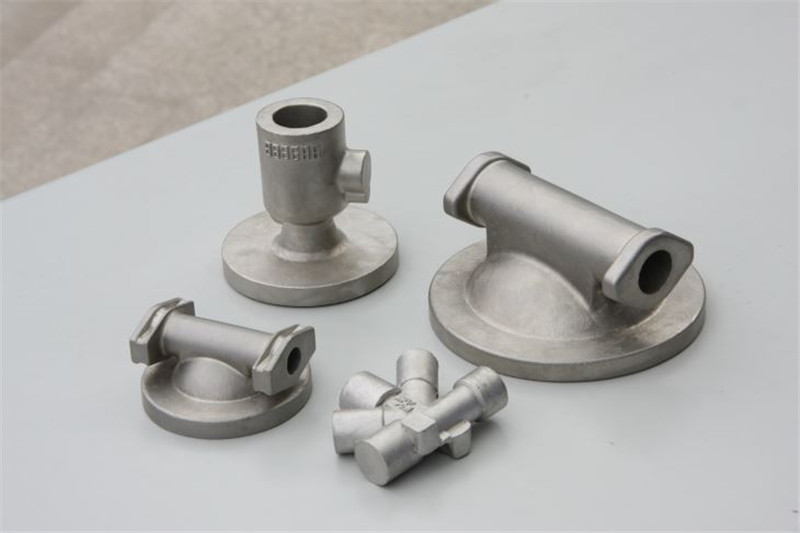
Different industries have different requirements for forged components, but many share the need for high strength and reliable performance. Stainless steel forging parts can be manufactured into shafts, flanges, connectors, valve components, brackets, mechanical assemblies, and other customized industrial parts according to specific engineering requirements.
In oil and gas applications, forged stainless steel components can be used in equipment exposed to pressure, corrosive media, and demanding operating environments. In chemical processing systems, corrosion resistance becomes particularly important because components may come into contact with aggressive substances. Power generation equipment can also benefit from forged components that provide dependable mechanical performance under continuous operating loads.
Marine equipment, food processing machinery, construction equipment, transportation systems, and industrial automation are additional areas where stainless steel forged components can provide practical advantages. Their versatility allows manufacturers to adapt the forging process to different geometries, material grades, dimensional requirements, and performance specifications.
Standard components cannot always satisfy the specific requirements of modern industrial equipment. Differences in dimensions, loads, connection structures, installation conditions, and operating environments often require specially designed parts. custom steel forging provides manufacturers with the flexibility to develop components according to individual engineering specifications.
With custom forging, customers can provide drawings, three-dimensional models, samples, or detailed technical requirements. The manufacturing process can then be developed around the required material grade, component geometry, forging method, heat treatment, machining allowance, and final dimensions.
This approach is particularly valuable when a component must withstand specific loads or operate under unusual conditions. Rather than modifying an existing standard product, manufacturers can develop a forged component that is optimized for the intended application.
Custom steel forging can also help reduce unnecessary material usage and improve component integration. When the design and forging process are properly coordinated, manufacturers can achieve an effective balance between structural performance, production efficiency, and overall project cost.
Many equipment manufacturers prefer outsourcing component production so that they can concentrate on product development, assembly, and their core manufacturing activities. OEM steel forging parts provide an effective way to integrate externally manufactured forged components into finished equipment while maintaining the required technical specifications.
OEM forging production generally begins with customer drawings or technical documentation. The supplier is responsible for organizing material procurement, tooling, forging, heat treatment, machining, inspection, and packaging according to the agreed requirements. This integrated approach allows customers to receive finished or semi-finished components that are ready for subsequent assembly or processing.
For international equipment manufacturers, OEM cooperation can also simplify supply chain management. An experienced forging supplier can coordinate different production stages and provide consistent quality across repeated orders. This is particularly important for projects involving large quantities of components or long-term equipment production.
The ability to customize dimensions, materials, machining requirements, and surface treatments makes OEM steel forging suitable for a broad range of industrial applications.
China has developed a mature industrial manufacturing network covering steel production, forging, heat treatment, machining, inspection, and international logistics. This provides global customers with access to a broad range of manufacturing resources when sourcing from a china steel forging parts supplier.
Experienced Chinese suppliers can provide different forging methods and production capabilities according to component size, geometry, material, and order volume. Their access to established manufacturing facilities also enables flexible cooperation for both customized components and repeat production orders.
For international buyers, supplier selection should focus on manufacturing capabilities, material control, inspection procedures, production experience, communication efficiency, and delivery reliability. A supplier with strong coordination capabilities can help customers manage the entire process from initial drawings through finished products.
Competitive manufacturing costs are another factor that drives international sourcing from China. When supported by appropriate quality control and engineering management, Chinese forging suppliers can provide a practical combination of production efficiency and cost competitiveness for global industrial projects.
The range of china steel forging parts products available to international buyers continues to expand as manufacturers develop more specialized forging and machining capabilities. From relatively simple forged blanks to fully machined precision components, production can be adapted to different project requirements.
Material selection is an important part of the process. Carbon steel, alloy steel, stainless steel, and other engineering materials can be selected according to the required strength, corrosion resistance, temperature performance, and application environment. For projects requiring excellent resistance to corrosion and demanding service conditions, stainless steel is often an appropriate material option.
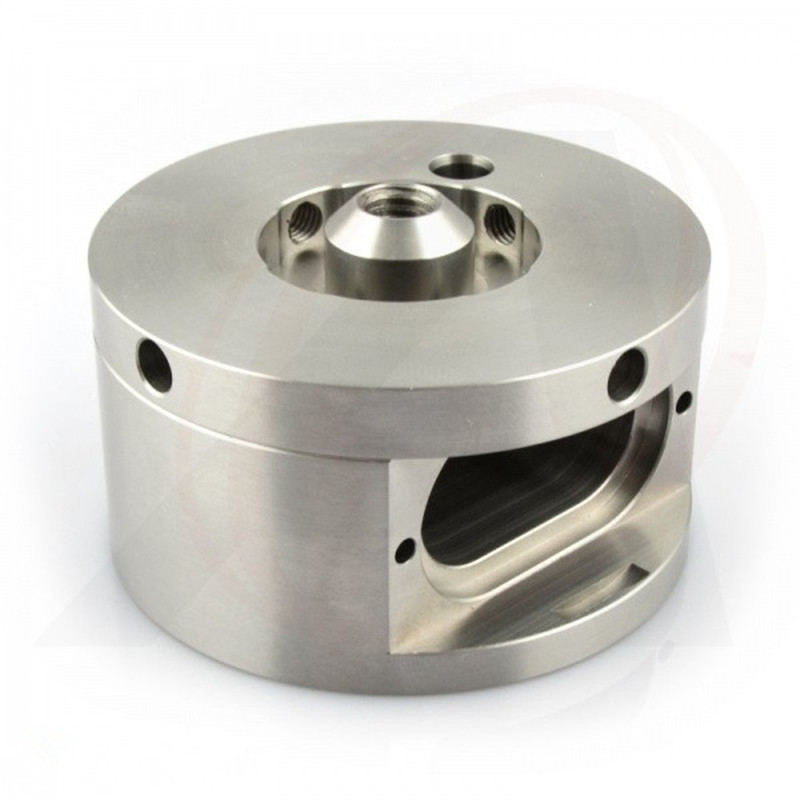
Production may also include heat treatment and secondary machining to achieve the required mechanical properties and dimensional accuracy. CNC turning, milling, drilling, threading, grinding, and other processes can transform forged blanks into finished components with precise functional surfaces.
This combination of forging and machining allows china steel forging parts products to serve both heavy industrial applications and precision equipment manufacturing.
One of the key reasons for selecting stainless steel forging parts is the combination of material and manufacturing advantages. Stainless steel provides natural resistance to oxidation and corrosion, while forging can improve the structural integrity and mechanical performance of the component.
This combination is especially useful in applications where components must withstand both mechanical stress and corrosive environments. Marine equipment, chemical processing systems, food processing machinery, pharmaceutical equipment, and industrial piping systems can all benefit from stainless steel components manufactured through controlled forging processes.
Different stainless steel grades can provide different balances of corrosion resistance, strength, temperature performance, and machinability. Selecting the appropriate grade should therefore be based on the actual operating environment and technical requirements of the finished component.
When material selection, forging parameters, heat treatment, and machining are properly coordinated, stainless steel forged components can deliver reliable performance throughout demanding service conditions.
Forging establishes the basic geometry and structural characteristics of a component, while subsequent machining can achieve the dimensional accuracy required for final assembly. This combination is particularly useful for stainless steel forging parts with complex functional surfaces or strict tolerance requirements.
CNC machining can be used to refine critical dimensions, holes, threads, mounting surfaces, and connection areas. Precision inspection equipment can then verify whether finished components conform to customer drawings and technical specifications.
Surface treatment may also be applied when additional protection, appearance, or functional performance is required. By combining forging, machining, inspection, and finishing processes, manufacturers can provide components that are ready for direct integration into industrial equipment.
This integrated production approach reduces the need for customers to coordinate multiple suppliers and can simplify international procurement.
Hebei Mingda International Trading Company specializes in castings, forgings, and machinery parts, working closely with manufacturing partners across major industrial regions of China. The company provides flexible sourcing and production support for customers requiring components manufactured according to drawings, samples, technical specifications, and quality standards.
Its product range covers ductile iron, grey iron, brass, stainless steel, aluminum castings, machined castings, forged components, and customized machinery parts. For forging projects, Hebei Mingda can coordinate suitable production processes and manufacturing facilities according to material requirements, component geometry, production volume, and required quality levels.
The company's experience in castings and machinery parts is supported by strict quality control throughout production. For custom steel forging projects, customer drawings and quality requirements can be matched with appropriate manufacturing resources to achieve a practical balance between performance, cost, and delivery time. Its capabilities also support oem steel forging parts, allowing equipment manufacturers to obtain customized forged components for their own products.
Hebei Mingda serves customers in Germany, Sweden, the United Kingdom, Denmark, France, the United States, the Middle East, and other international markets. With flexible access to different production facilities in China, the company can identify suitable manufacturing processes for different china steel forging parts products while maintaining competitive pricing and dependable delivery schedules.
If you are sourcing stainless steel forging parts for industrial equipment, machinery, valves, piping systems, energy projects, or other applications, contact Hebei Mingda with your drawings or technical requirements. Our team can help evaluate the appropriate manufacturing process, coordinate production, and provide a competitive quotation for your project.