Phone:
+86 18631189888

Email:
liyanhui@bestcastings.cn



Sheet metal fabrication plays an important role in modern manufacturing, providing customized metal components for machinery, industrial equipment, electrical enclosures, construction systems, and many other applications. With the development of advanced processing technologies, laser cutting has become a widely used method for producing metal parts with accurate shapes, clean edges, and flexible design options. For businesses seeking customized components, sheet metal fabrication laser cutting parts offer a practical solution for meeting specific product and assembly requirements.
Hebei Mingda International Trading Company is a trading company specializing in castings, forgings, and machinery parts. Through close business relationships with manufacturers in major cities across China, we provide flexible sourcing support for customers with different industrial component requirements. Our business focuses on coordinating customer specifications with manufacturing resources to help meet expectations for product quality and delivery time.
Whether you need metal plates, brackets, mounting panels, structural components, or customized sheet metal parts, understanding the manufacturing process and product requirements can help you make informed purchasing decisions.

Different industries require metal components with specific shapes, dimensions, thicknesses, and structural features. Sheet metal laser cutting parts provide flexibility for manufacturers that need components designed according to technical drawings, samples, or project-specific requirements.
Laser cutting uses a focused laser beam to cut material along a programmed path. The process can produce a wide variety of shapes, openings, slots, and detailed profiles, depending on the material, thickness, equipment capabilities, and processing parameters. Compared with some conventional cutting methods, laser cutting can offer greater flexibility when manufacturing complex two-dimensional profiles.
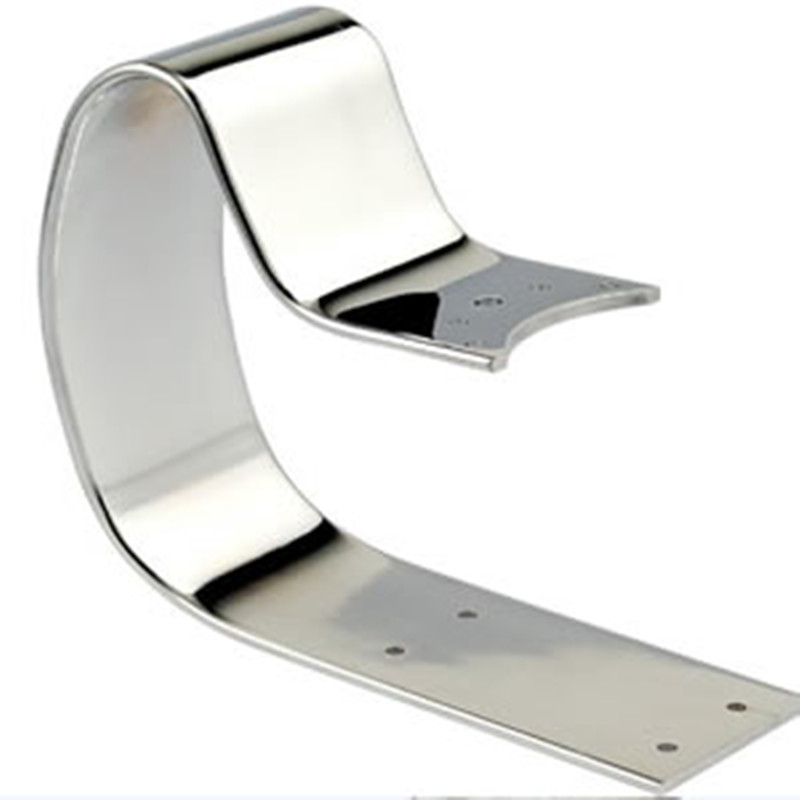
Common applications for custom sheet metal fabrication parts include machinery panels, equipment covers, mounting brackets, support plates, metal enclosures, machine guards, and structural components. These parts may be used in industrial automation, agricultural machinery, electrical equipment, manufacturing systems, and construction-related projects.
For example, equipment manufacturers may require laser-cut metal panels with precisely positioned mounting holes to support assembly. Machinery producers may need brackets and support plates that fit particular structures. Electrical equipment manufacturers may use cut sheet metal components as part of an enclosure or protective housing.
Customization is particularly valuable when standard components cannot meet a project's design requirements. Buyers can specify the external dimensions, hole positions, cutout shapes, material thickness, and other important details. Depending on the design, additional operations such as bending, drilling, welding, machining, or surface finishing may also be required to complete the component.
Custom laser cutting parts can be manufactured from different sheet metal materials, depending on the intended application. Common options may include carbon steel, stainless steel, and aluminum. Each material has different characteristics related to strength, corrosion resistance, weight, thermal behavior, and processing requirements. The appropriate choice depends on the component's working environment and functional purpose.
At Hebei Mingda International Trading Company, we understand that industrial buyers often require products tailored to their equipment and production processes. Through our business relationships with manufacturers in major Chinese cities, we can coordinate sourcing discussions for customized metal components based on customer specifications.
Customers seeking sheet metal laser cutting services can provide technical drawings, product photographs, samples, or written requirements. Clear product information helps establish a common understanding of the component design and provides a starting point for evaluating suitable manufacturing arrangements.
Precision is an important consideration when sourcing precision sheet metal laser cutting parts. Dimensional accuracy, edge quality, material consistency, and compatibility with other components can all influence the performance of the finished assembly. Defining these requirements before production helps reduce misunderstandings and supports more consistent purchasing outcomes.
The manufacturing process generally begins with a review of the product drawing or digital design file. The drawing identifies the required dimensions, cutout positions, material thickness, and other geometric features. Based on the design and material properties, the manufacturer can evaluate whether laser cutting is suitable and whether additional fabrication processes are needed.
Material selection should be based on the component's intended use. Carbon steel is commonly considered for general structural and machinery applications. Stainless steel may be selected when corrosion resistance or surface appearance is important. Aluminum can be useful where reduced component weight is a priority. However, the actual performance of each material depends on its grade, thickness, processing conditions, and service environment.
The material thickness and geometry also affect the cutting process. Fine features, narrow slots, small holes, and closely spaced cutouts may require careful evaluation to ensure that they can be manufactured within the required tolerances. For components that will be bent or welded after cutting, the design should also account for the requirements of subsequent fabrication steps.
Quality verification can include several checks, depending on the product specifications and the manufacturer's procedures:
Dimensional inspection: Checking length, width, thickness, hole positions, and critical dimensions.
Edge quality inspection: Examining cut edges for excessive burrs, irregularities, or other unacceptable conditions.
Material verification: Confirming the specified material grade and thickness when required.
Visual inspection: Checking the component for visible surface defects or processing damage.
Assembly verification: Confirming that critical holes, slots, and mounting features align with the intended design.
Additional testing: Arranging specific tests or documentation when required by the application or customer.
Not every component requires the same inspection plan. Acceptance criteria should be agreed upon according to the part's function, technical drawings, applicable standards, and project requirements.
For products that require further processing, quality considerations extend beyond cutting accuracy. Bending dimensions, weld quality, surface finishing, and the relationship between different fabricated features may also affect the final component. Communicating the complete manufacturing requirements helps ensure that the finished product meets the intended design.
Hebei Mingda International Trading Company maintains close business relationships with manufacturers in major cities across China. This gives us flexibility when coordinating sourcing requirements for custom laser cut metal parts, castings, forgings, and other machinery components.
We recognize that buyers may have different priorities, including dimensional requirements, material selection, production quantities, and delivery schedules. By clarifying these factors before an order is confirmed, customers and manufacturing partners can establish a clearer basis for production coordination and quality expectations.
Choosing a suitable sheet metal fabrication parts supplier involves more than comparing unit prices. Buyers should also consider manufacturing resources, technical communication, quality requirements, production flexibility, and delivery coordination. A supplier that understands the project specifications can help simplify the sourcing process and support more efficient procurement.
Hebei Mingda International Trading Company specializes in castings, forgings, and machinery parts. Our established business relationships with manufacturers in major Chinese cities allow us to coordinate a variety of industrial sourcing requirements and explore solutions based on customer needs.
As a trading company, we focus on connecting customers with suitable manufacturing resources. For businesses seeking laser cutting metal parts, this approach provides a way to discuss customized components based on drawings, samples, dimensions, materials, and intended applications.
The sourcing process begins with clear technical communication. Customers should provide the part drawing, material specification, thickness, required quantity, tolerances, and any special finishing requirements. If the component must fit an existing assembly, information about mating parts or critical installation dimensions can also be helpful.
Once the requirements are understood, the manufacturing approach can be evaluated. Some parts may only require laser cutting, while others may need bending, welding, machining, or surface treatment. The combination of processes depends on the product design, material, and intended use. Discussing these details in advance can help establish realistic expectations for manufacturing arrangements and delivery.
Order quantity is another important factor. Prototype parts and small batches may have different sourcing considerations from large-volume production orders. Tooling requirements, material purchasing, setup costs, and processing time can all influence the overall cost structure. Buyers should communicate both initial requirements and potential repeat-order demand when discussing a project.
Delivery planning is equally important for international procurement. Production schedules, inspection arrangements, protective packaging, shipping methods, and destination requirements all contribute to the final delivery plan. For components with finished surfaces or delicate edges, suitable packaging can help reduce the risk of damage during transportation.
In addition to laser-cut sheet metal components, our sourcing scope includes castings, forgings, and machinery parts. Customers who need several categories of metal components for the same equipment or engineering project can discuss these requirements together. Coordinating different product categories through a trading partner may help simplify supplier communication and procurement planning.
For manufacturers, distributors, and industrial buyers, reliable communication is an important part of long-term cooperation. Clear drawings, confirmed specifications, agreed inspection requirements, and timely updates can help reduce uncertainty throughout the purchasing process.
Hebei Mingda International Trading Company aims to support customers by understanding their requirements and coordinating with manufacturing partners to explore appropriate sourcing solutions. We value flexibility and recognize the importance of balancing product specifications, quality expectations, and delivery schedules.
Before purchasing custom sheet metal laser cutting parts, buyers should review several factors to ensure that the selected components are suitable for their projects.
These steps can help businesses source precision laser cut sheet metal parts more efficiently and establish a clear foundation for cooperation with manufacturing partners.
Hebei Mingda International Trading Company is focused on castings, forgings, and machinery parts, supported by close business relationships with manufacturers in major cities across China.
We understand that international customers need flexibility when sourcing industrial components. Different projects may involve customized shapes, specific material requirements, multiple component categories, and particular delivery expectations. Our trading business allows us to coordinate these requirements with manufacturing partners and explore suitable sourcing options.
For customers interested in sheet metal fabrication laser cutting parts, we welcome inquiries supported by technical drawings, samples, material specifications, and estimated order quantities. This information helps clarify project requirements and provides a basis for discussing potential manufacturing arrangements.
Our broader sourcing scope also includes castings, forgings, and other mechanical components. This enables customers to discuss related product requirements alongside their sheet metal fabrication needs, particularly for machinery and industrial equipment projects.
We believe successful cooperation begins with understanding the customer's requirements. By maintaining effective communication and coordinating with manufacturing partners, we aim to support practical sourcing solutions that address product specifications, quality expectations, and delivery planning.
If your business requires sheet metal fabrication laser cutting parts for machinery, industrial equipment, electrical enclosures, structural assemblies, or other applications, Hebei Mingda International Trading Company welcomes your inquiry.
Please share your technical drawings, material requirements, part dimensions, sheet thickness, estimated order quantity, surface finishing requirements, and expected delivery schedule. Product samples or reference photographs can also help clarify your needs.
Whether you are developing a new product, sourcing replacement components, or looking for a supplier for ongoing production, we can discuss your requirements and explore suitable sourcing arrangements with our manufacturing partners in China.
Contact Hebei Mingda International Trading Company to discuss your next project and learn more about our sourcing services for laser-cut sheet metal parts, castings, forgings, and machinery components.