Phone:
+86 18631189888

Email:
liyanhui@bestcastings.cn



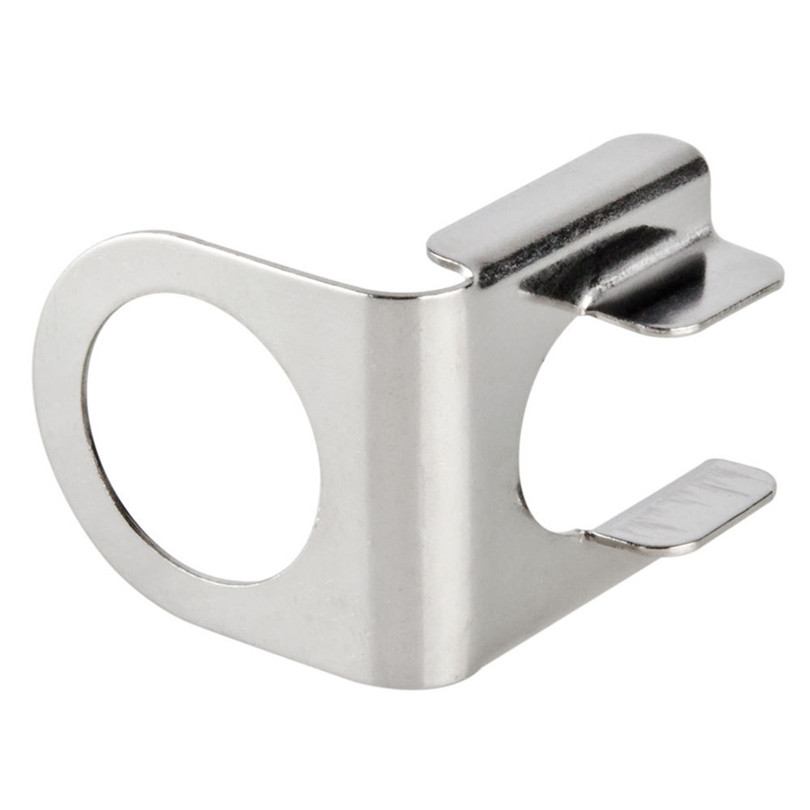
Precision metal stamping angle brackets are widely used in machinery, construction, furniture, electrical equipment, and industrial assembly systems. Designed to connect, support, and reinforce different components, these metal brackets help improve structural stability and simplify installation. With customized shapes, dimensions, and mounting holes, precision metal stamping angle brackets can meet a wide range of requirements in modern manufacturing.
Hebei Mingda International Trading Company is a trading company specializing in castings, forgings, and machinery parts. Through close business relationships with manufacturers in major cities across China, we offer flexible sourcing solutions for customers seeking customized industrial components. We understand the importance of product specifications, quality requirements, and delivery schedules, and we work with manufacturing partners to coordinate different customer needs.
Whether you need angle brackets for equipment assembly, structural connections, or customized mechanical applications, selecting suitable materials and manufacturing processes is essential for achieving reliable results.

Angle brackets are practical fastening and support components used to connect two surfaces, reinforce joints, and maintain the relative position of assembled parts. Their L-shaped structure provides a convenient solution for joining perpendicular surfaces, while different mounting configurations allow them to be integrated into various products and systems.
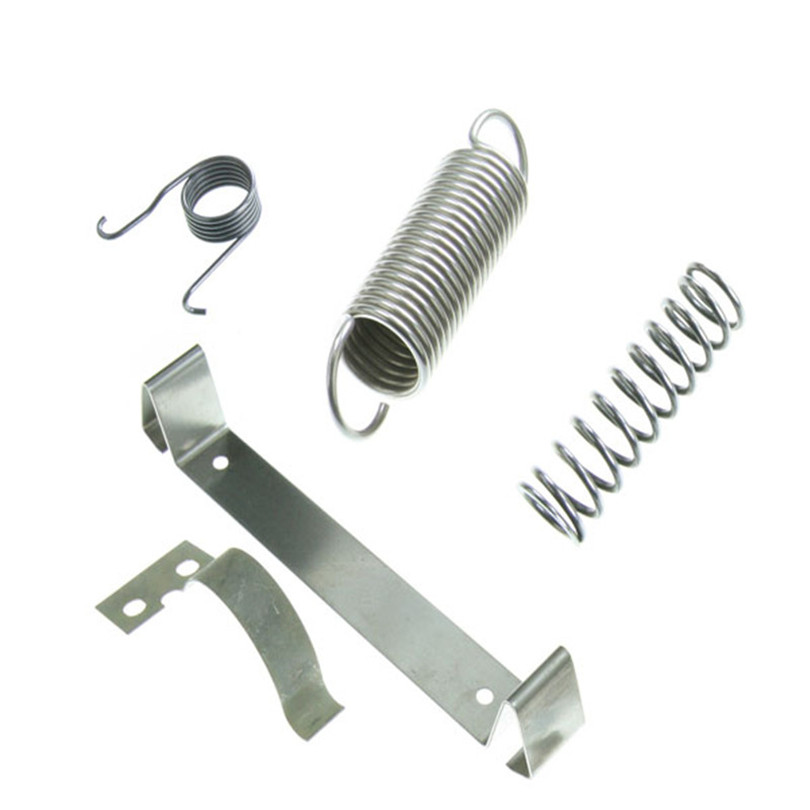
Precision metal stamping angle brackets are manufactured by forming sheet metal into a specified angle and shape. Depending on the design, the process may include blanking, punching, bending, and other stamping operations. These processes can produce repeatable component geometries and mounting features for different industrial applications.
In machinery manufacturing, metal angle brackets can be used to secure equipment panels, support internal structures, connect machine frames, and position components during assembly. In electrical equipment, they may serve as mounting supports for enclosures, control boxes, and related hardware. Construction and furniture manufacturers may also use angle brackets to reinforce joints, connect panels, and support structural connections.
The specific design of an angle bracket depends on the loads it must withstand, the surfaces it connects, and the conditions in which it operates. Factors such as bracket dimensions, material thickness, bend angle, hole position, and mounting method can influence its suitability for a particular application.
For example, a bracket designed for lightweight equipment panels may have different requirements from one used to support a heavy mechanical assembly. The former may prioritize compact dimensions and convenient installation, while the latter may require greater thickness, appropriate material strength, and carefully evaluated load-bearing performance.
Customization is therefore an important consideration when sourcing custom metal stamping angle brackets. Buyers may specify the overall length and width, flange dimensions, mounting hole diameters, hole spacing, bend angles, and surface finishes according to their product designs. Customized configurations can help ensure that brackets fit existing structures and support efficient assembly.
Different applications may also require different materials. Carbon steel is commonly considered for general-purpose brackets, while stainless steel may be suitable for environments where corrosion resistance is important. Aluminum may be selected when reduced weight is a priority. The appropriate material depends on the required strength, operating environment, budget, and intended service life.
Hebei Mingda International Trading Company works closely with manufacturers in major cities across China, providing flexibility when coordinating sourcing requirements for industrial metal products. Customers looking for precision stamped angle brackets can share their drawings, samples, or technical specifications so that suitable manufacturing arrangements can be evaluated.
Dimensional accuracy and consistent forming are essential considerations when purchasing precision metal stamping brackets. Brackets must align correctly with mounting surfaces and connected components. Variations in bend angles, hole positions, or overall dimensions may create assembly difficulties or affect the performance of the finished product.
The manufacturing process generally begins with a review of the product drawing or sample. This information establishes the bracket's dimensions, material requirements, thickness, mounting configuration, and acceptable tolerances. A clear understanding of these details helps manufacturers evaluate the appropriate production method and identify important quality requirements.
Metal stamping is a suitable manufacturing approach for many sheet metal brackets, particularly when consistent shapes and repeatable production are required. Depending on the component design and order volume, the process may involve blanking the sheet metal, punching mounting holes, and bending the material into the required angle. Specialized dies and tooling may be used to achieve the desired geometry.
The selection of material thickness is particularly important. A bracket that is too thin may not provide sufficient rigidity for its intended application, while excessive thickness can increase weight, material consumption, and forming requirements. Buyers should specify the expected loads and operating conditions where relevant so that the bracket design can be evaluated appropriately.
Bend accuracy is another key factor in precision metal stamping angle brackets. The final angle and flange dimensions influence how the bracket fits against adjoining surfaces. Material properties, sheet thickness, tooling design, and manufacturing parameters can all affect the bending result.
Mounting holes also require attention. Their diameters, spacing, and positions must correspond to the fasteners and components used during installation. Accurate hole placement can reduce alignment problems and help simplify the assembly process.
Depending on the product specifications, quality checks may include:
Dimensional inspection: Verifying overall length, width, flange dimensions, and material thickness.
Bend angle inspection: Checking the formed angle and the consistency of the bracket geometry.
Hole position verification: Confirming hole diameters, spacing, and alignment with technical drawings.
Surface inspection: Checking for visible scratches, burrs, deformation, or other unacceptable defects.
Material verification: Confirming the specified material grade when required.
Additional testing: Evaluating load-bearing performance or other functional characteristics when required by the application.
The inspection plan should be based on the component's intended use, customer requirements, and applicable standards. Not every bracket requires the same tests, and load-bearing claims should be supported by appropriate design calculations or testing where necessary.
Surface finishing may also be important. Depending on the material and operating environment, brackets may require deburring, polishing, plating, painting, powder coating, or other suitable treatments. These processes can improve surface appearance or provide additional protection, depending on the selected finish and application.
At Hebei Mingda International Trading Company, we recognize that different customers have different expectations regarding dimensions, materials, quality, and delivery. Our close relationships with manufacturers in major Chinese cities allow us to coordinate sourcing discussions for custom stamped metal brackets, castings, forgings, and machinery parts.
By confirming drawings, technical requirements, and inspection expectations before an order is placed, buyers can establish a clearer basis for manufacturing coordination and product acceptance.
Choosing a suitable precision metal stamping angle bracket supplier involves more than comparing prices. Buyers should also evaluate communication efficiency, manufacturing resources, customization options, quality requirements, and delivery arrangements. A supplier that understands the project specifications can help simplify sourcing and support consistent procurement.
Hebei Mingda International Trading Company specializes in castings, forgings, and machinery parts. Through established business relationships with manufacturers in major cities across China, we offer flexible sourcing coordination for customers with different industrial component requirements.
For businesses seeking OEM metal stamping angle brackets, product drawings and technical documentation provide a useful foundation for communication. These materials help clarify the component's geometry, dimensions, mounting requirements, material selection, and intended application.
The sourcing process typically starts with a review of the customer's requirements. Buyers can provide technical drawings, reference samples, product photographs, or written specifications. Important details may include the material grade, sheet thickness, bracket dimensions, bend angle, hole configuration, surface treatment, packaging, and estimated order quantity.
Once these details are clarified, the manufacturing approach can be evaluated with suitable manufacturing partners. Depending on the component's design, production may require dedicated tooling, stamping operations, bending, finishing, and inspection. The specific process will depend on product complexity, manufacturing capabilities, and order volume.
Production quantity can affect both cost and lead time. Small orders for product development or equipment maintenance may have different requirements from repeat orders for large-scale manufacturing. Buyers should communicate their expected demand as accurately as possible so that suitable sourcing options can be considered.
Delivery coordination is equally important for international procurement. Packaging should protect the brackets from scratches, deformation, and other damage during storage and transportation. Buyers should also clarify labeling requirements, shipping arrangements, and expected delivery schedules before confirming an order.
In addition to custom metal stamping angle brackets, Hebei Mingda International Trading Company specializes in coordinating sourcing for castings, forgings, and other machinery parts. Customers whose projects require multiple types of metal components can discuss these requirements together, helping establish a more organized procurement process.
Our business relationships with manufacturers across China provide flexibility when exploring sourcing solutions. We understand that every project has its own specifications and purchasing priorities, and we aim to coordinate these needs through clear communication and practical arrangements.
For long-term OEM cooperation, consistent drawings, confirmed material specifications, documented inspection requirements, and effective communication can help maintain product consistency between orders. Establishing these expectations early can also make future repeat purchases easier to manage.
Before purchasing precision metal stamping angle brackets, buyers should evaluate several important factors.
These considerations can help businesses source custom precision stamped brackets that match their product designs and procurement needs.
Hebei Mingda International Trading Company is a trading company specializing in castings, forgings, and machinery parts. We maintain close business relationships with manufacturers in major cities across China, enabling flexible coordination for a range of industrial sourcing requirements.
We understand that customers need products that meet their specifications while supporting practical purchasing and delivery arrangements. Our business focuses on communicating customer requirements to manufacturing partners and exploring suitable solutions based on product drawings, samples, and technical information.
For customers interested in precision metal stamping angle brackets, we welcome inquiries with detailed product specifications and estimated order quantities. This information helps clarify project needs and provides a starting point for evaluating potential manufacturing arrangements.
Our broader sourcing scope also includes castings, forgings, and other mechanical components, allowing customers to discuss related metal product requirements alongside their bracket orders.
We value clear communication, flexibility, and attention to customer requirements. By coordinating with manufacturing partners, we aim to support sourcing arrangements that take product specifications, quality expectations, and delivery schedules into account.
If your business requires precision metal stamping angle brackets for machinery, industrial equipment, electrical enclosures, furniture, or structural assemblies, Hebei Mingda International Trading Company welcomes your inquiry.
Please provide your product drawings, material specifications, bracket dimensions, sheet thickness, surface finishing requirements, estimated order quantity, and preferred delivery schedule. Reference samples or product photographs can also help communicate your requirements.
Whether you need customized brackets for a new product, replacement components for existing equipment, or recurring supplies for manufacturing, we can discuss your sourcing needs and explore suitable arrangements with our manufacturing partners in China.
Contact Hebei Mingda International Trading Company to discuss your project and learn more about our sourcing services for metal stamping brackets, castings, forgings, and machinery parts.