pipi production refers to the specialized industrial manufacturing of high-precision metal components, specifically focusing on the casting, forging, and machining of flanges and pipe fittings. In the context of modern metal fabrication, this process encompasses the conversion of raw materials like carbon steel, stainless steel, and titanium into critical structural components that ensure leak-proof connections in piping systems.
For procurement managers and engineers, the primary challenge lies in selecting materials that balance structural integrity with environmental resistance. Whether facing extreme high-temperature surfaces in petrochemical plants or cryogenic conditions in specialized infrastructure, the choice of material grade—ranging from standard carbon steel to exotic alloys like Inconel and Hastalloy—directly impacts the safety and longevity of the entire system.
This guide provides a technical analysis of the production methods used in pipi production, evaluates the performance of various material grades, and offers a procurement framework to help professionals select the right components for their specific industrial application, ensuring compliance with international quality standards.

1Fundamentals of Flange and Fitting Fabrication

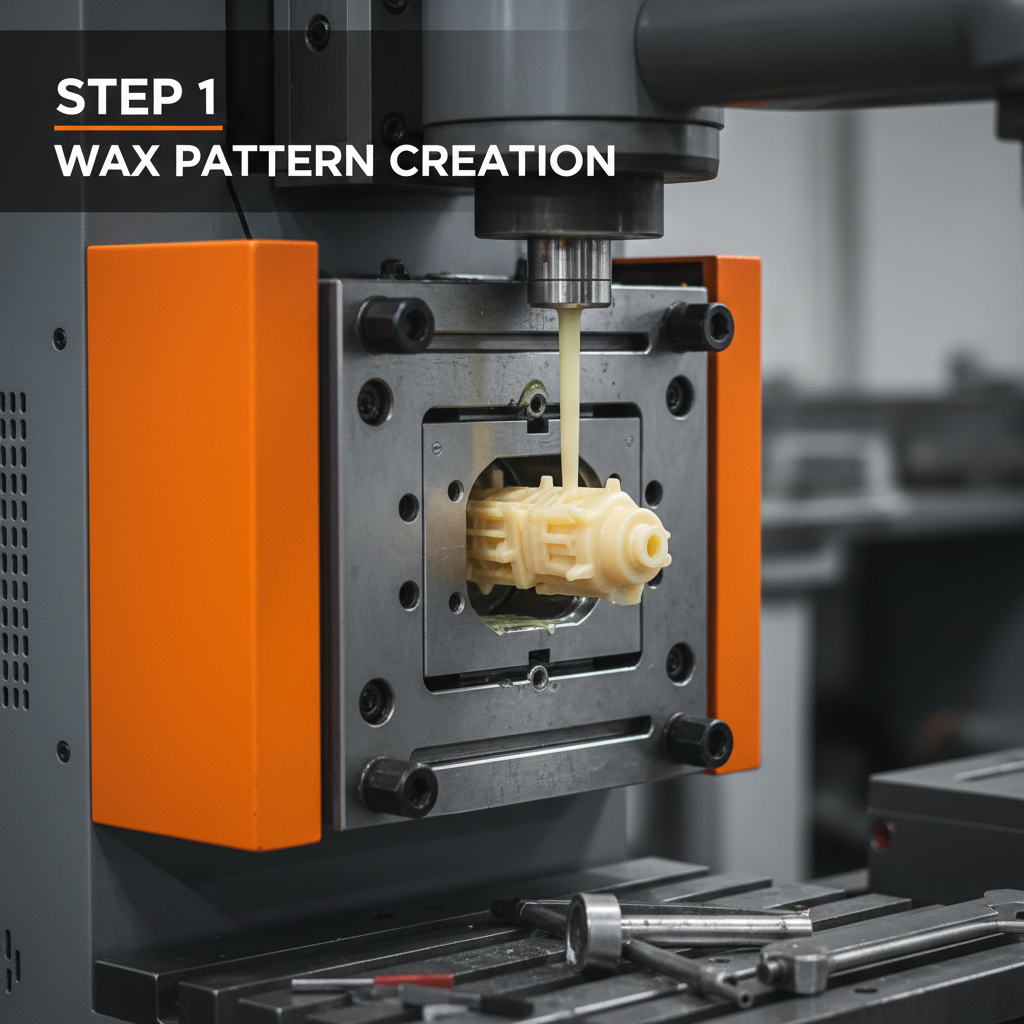
The core of pipi production involves various shaping techniques including resin sand molding, lost-wax casting, and precision forging. These methods allow for the creation of complex geometries, such as weld neck flanges and socket weld flanges, which are essential for maintaining pressure seals in industrial piping. The process begins with precise drawings, followed by the selection of the appropriate production craft to ensure dimensional accuracy.
Forging is typically employed when superior mechanical strength is required, as it refines the grain structure of the metal. This is particularly critical for forged spec flanges used in high-pressure petrochemical applications where any structural flaw could lead to catastrophic failure.
Machining follows the casting or forging stage to achieve the final tolerances. Precision machining of aluminum or stainless steel parts ensures that the flange faces are perfectly flat, allowing for a seamless seal with gaskets under extreme compression.
2Material Grade Selection and Technical Properties
Selecting the correct material grade is the most critical decision in pipi production. Carbon steel remains the most popular choice for general purpose infrastructure due to its cost-effectiveness and reliability. However, for environments where oxidation or chemical corrosion is a risk, stainless steel is mandated to provide a protective chromium oxide layer.
For weight-sensitive projects that cannot compromise on strength, titanium and aluminum flanges are utilized. These materials offer an exceptional strength-to-weight ratio, making them ideal for aerospace or specialized automotive machinery where reducing the overall mass of the system improves efficiency.
In extreme heat or corrosive chemical environments, nickel-based alloys such as Inconel, Incoloy, and Hastalloy are employed. These materials maintain their mechanical properties at temperatures where standard steels would soften or succumb to rapid corrosion.
3Industrial Application Scenarios and Challenges
Waterworks and petrochemical applications represent the bulk of flange usage. In waterworks, the focus is often on corrosion resistance and long-term durability against soil minerals. In contrast, petrochemical plants require components that can withstand volatile chemicals and fluctuating pressure cycles.
Low-temperature applications, such as LNG (Liquefied Natural Gas) transport, require high-yield carbon flanges specifically treated to prevent brittle fracture. At cryogenic temperatures, standard metals can lose ductility, making the selection of the correct alloy critical for safety.
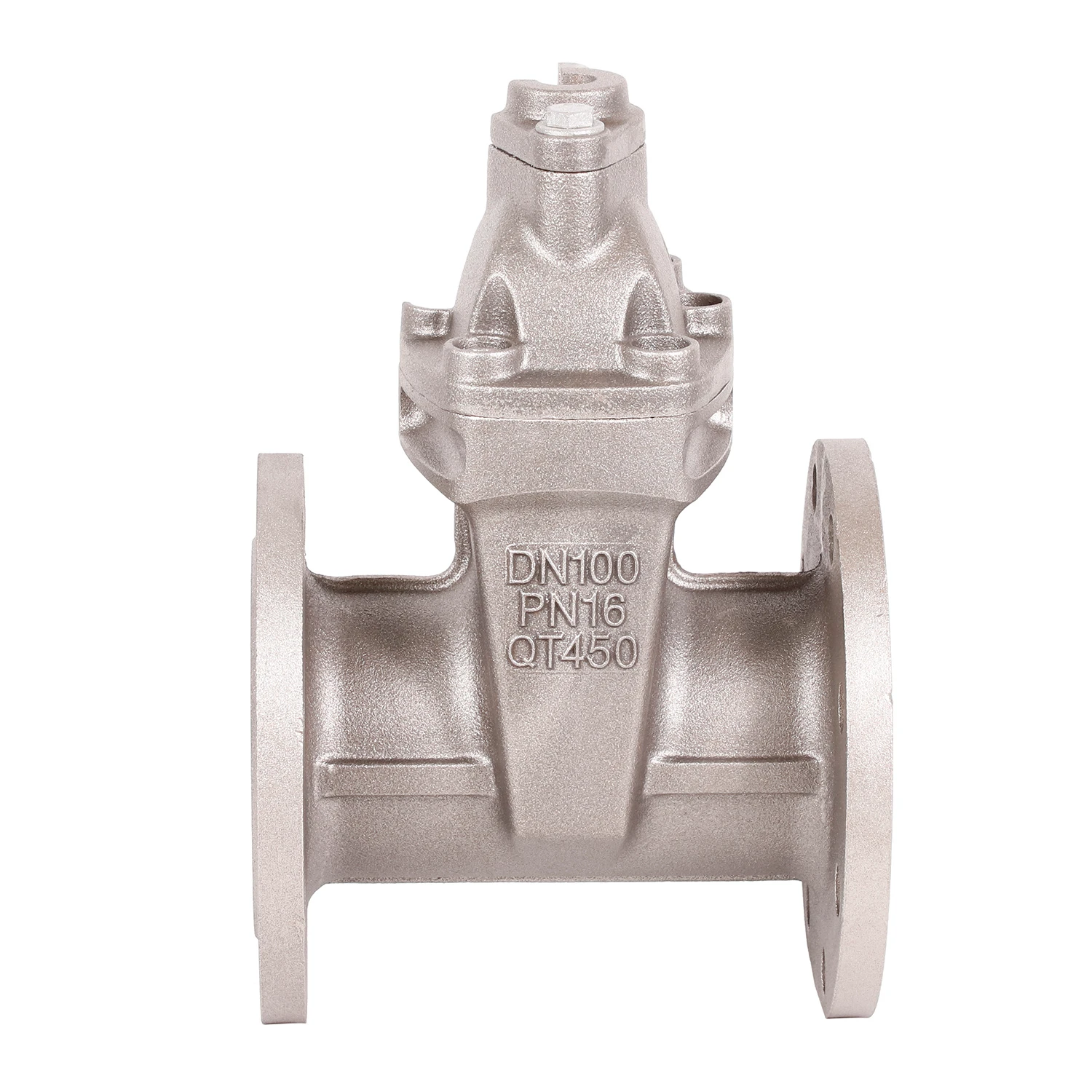
Furthermore, the integration of customized stamping parts and precision castings allows for the creation of bespoke valves and hydrant bodies, which are essential for municipal fire safety systems and specialized industrial fluid control.
4Performance Metrics for High-Stress Environments
Measuring the efficacy of pipi production requires an analysis of several key metrics: tensile strength, yield point, and corrosion rate. When comparing standard fabrication to high-precision optimized production, there is a noticeable improvement in the consistency of the material's grain structure.
High-performance alloys demonstrate a significant advantage in thermal stability. While carbon steel may expand or warp under extreme heat, materials like Hastalloy maintain dimensional stability, reducing the risk of leaks at the flange joint.
pipi production Performance Metrics
The data indicates that precision-controlled production processes significantly enhance the reliability of components in specialized sectors. By optimizing the casting temperature and cooling rates, manufacturers can achieve a higher density and fewer internal voids in the final part.
5Procurement Standards and Quality Control
Effective procurement of metal components requires a strict adherence to quality assurance systems. This involves not only checking the final dimensions but also verifying the chemical composition through spectrometry and the internal integrity via non-destructive testing (NDT) such as ultrasonic or X-ray inspection.
Lead time is another critical factor in the supply chain. Standard production usually takes around 30 days, but extraordinary requirements may necessitate accelerated 20-day cycles. Managing these timelines is essential to avoid costly air freight and project delays.
A robust quality control system saves costs for both the buyer and the supplier by reducing the rate of rejects and ensuring that the parts fit perfectly upon arrival, eliminating the need for expensive on-site modifications.
6Trends in Precision Casting and Forging
The industry is moving toward highly customized OEM services, where components are tailored to exact customer drawings rather than standard catalog dimensions. This shift is driven by the need for more efficient, lighter, and more durable systems in specialized machinery.
Innovation in production crafts, such as the adoption of advanced resin sand and hot core boxes, has allowed for tighter tolerances in complex castings. This reduces the amount of waste material during the machining process and lowers the overall cost of production.
Sustainability is also becoming a factor, with an increase in the use of recyclable aluminum and ductile iron to reduce the environmental footprint of large-scale infrastructure projects.
7Comparative Analysis of Metal Component Options
When choosing between different metal options for pipi production, it is essential to weigh the trade-offs between cost, weight, and environmental resistance. While carbon steel is economical, it requires more maintenance (painting/coating) than stainless steel in humid environments.
The following table summarizes the typical selection criteria for different industrial metal components to assist in the decision-making process.
| Material | Best Use Case | Main Strength | Primary Limitation |
|---|---|---|---|
| Carbon Steel | General Piping | Cost-Efficiency | Corrosion Risk |
| Stainless Steel | Chemical Plants | Oxidation Resistance | Higher Material Cost |
| Titanium | Aerospace/Marine | Strength-to-Weight | Difficult Machining |
| Aluminum | Lightweight Frames | Low Density | Lower Heat Limit |
| Inconel | Gas Turbines | Extreme Heat Stability | Very High Cost |
| Ductile Iron | Manhole Covers | Impact Resistance | Heavier Weight |
Ultimately, the choice should be driven by the operational environment. For those seeking a comprehensive range of high-quality castings and forgings, reviewing the technical capabilities at www.mingdametals.com can provide the necessary guidance for complex projects.
Frequently Asked Questions
Conclusion
The success of any industrial piping system depends on the precision and material integrity of its components. From the initial selection of material grades—whether standard carbon steel or advanced alloys—to the final machining tolerances, pipi production requires a rigorous approach to quality and engineering.
By understanding the trade-offs between casting and forging and aligning material properties with operational environments, procurement teams can ensure system safety and longevity. For those evaluating suitable high-precision solutions, detailed product specifications can be found at www.mingdametals.com.