0%

Table of Contents

Look, I’ve spent the last twenty years walking job sites, getting my hands dirty with the guys actually building things. And let me tell you, when it comes to water infrastructure, especially hydrants, you learn pretty quick what works and what doesn’t. Ductile iron hydrant body – that’s the stuff you want. It’s not flashy, it doesn’t have a lot of bells and whistles, but it’s reliable. It's the silent workhorse of any municipal water system, and frankly, a well-made ductile iron hydrant body is the difference between a quick response and a major headache when things go wrong. We’re talking public safety here, and that starts with the foundation.

Too many times I’ve seen systems try to cut corners, going with cheaper materials or designs. And I've always seen it come back to bite them. Cast iron used to be the standard, but it’s brittle. PVC? Forget about it under any real pressure or impact. Ductile iron gives you the strength of cast iron without the brittleness. It’s got a flexibility that can handle ground movement, water hammer, even a direct hit from a vehicle – and those happen more often than you'd think. The longevity and peace of mind it provides is invaluable.

And it's not just about responding to emergencies. It's about reducing maintenance, lowering lifecycle costs, and ensuring consistent water flow for firefighters. We spend so much time worrying about the latest technology, but sometimes the best solutions are the ones that have already proven themselves, generation after generation. That’s ductile iron. That's what I tell every engineer and superintendent I work with.
The Enduring Reliability of Ductile Iron Hydrant Body Systems

The Critical Role of Ductile Iron Hydrant Bodies

The Enduring Reliability of Ductile Iron Hydrant Body Systems

Ductile iron hydrant bodies are fundamental components of public and private water distribution systems worldwide. They aren't glamorous, but they are absolutely essential for maintaining water pressure, enabling firefighting operations, and ensuring a reliable water supply for communities. According to the American Water Works Association (AWWA), consistent investment in water infrastructure, including hydrant systems, is critical to prevent failures and maintain public health. Without robust and dependable hydrant bodies, the entire system is compromised.

I've seen firsthand the consequences of neglected infrastructure. Leaks, reduced flow rates, and ultimately, hydrant failures when firefighters need them most. The cost of repairing or replacing a failed hydrant is far greater than the initial investment in a quality ductile iron body. It’s about being proactive, not reactive.

Global Relevance and Industry Standards

The need for reliable water infrastructure is universal. From rapidly growing megacities in Asia to aging systems in North America and Europe, maintaining a functional water supply is paramount. The United Nations Sustainable Development Goal 6 focuses on ensuring access to water and sanitation for all. A crucial element of achieving this goal is having robust infrastructure, and that includes durable, dependable hydrant systems.

Organizations like the ISO (International Organization for Standardization) and AWWA develop and maintain stringent standards for ductile iron pipe and fittings, including hydrant bodies. These standards ensure consistent quality, performance, and safety. Manufacturers like ductile iron hydrant body manufacturers must adhere to these standards to gain certifications and supply to municipalities.

The global market for water infrastructure is substantial and continues to grow, driven by population growth, urbanization, and increasing awareness of the need for sustainable water management. Ductile iron remains a preferred material due to its proven performance and longevity.

Defining Ductile Iron Hydrant Bodies

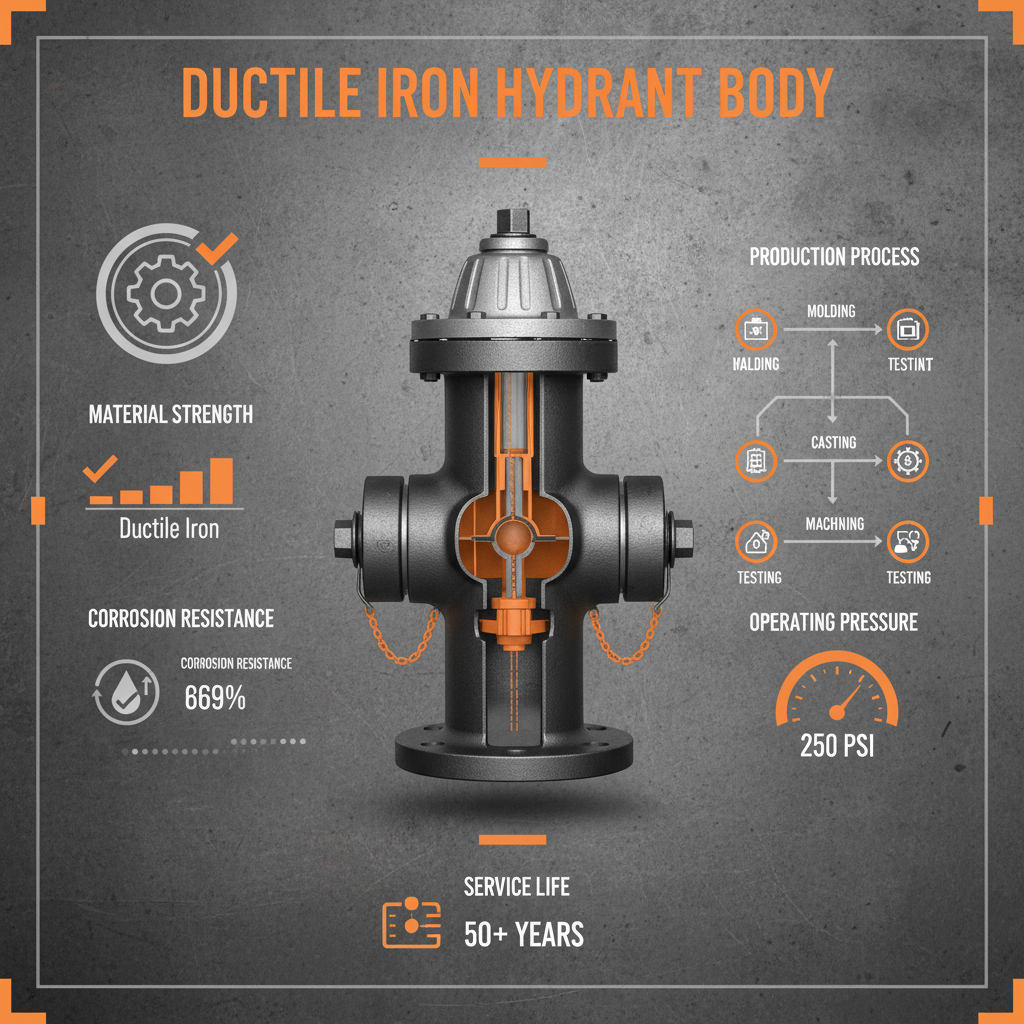
A ductile iron hydrant body is the main structural component of a fire hydrant, responsible for housing the internal mechanisms that control water flow. Unlike brittle cast iron, ductile iron has been modified with magnesium to change the graphite structure, making it significantly more flexible and resistant to cracking. Think of it like this: cast iron shatters, ductile iron bends.

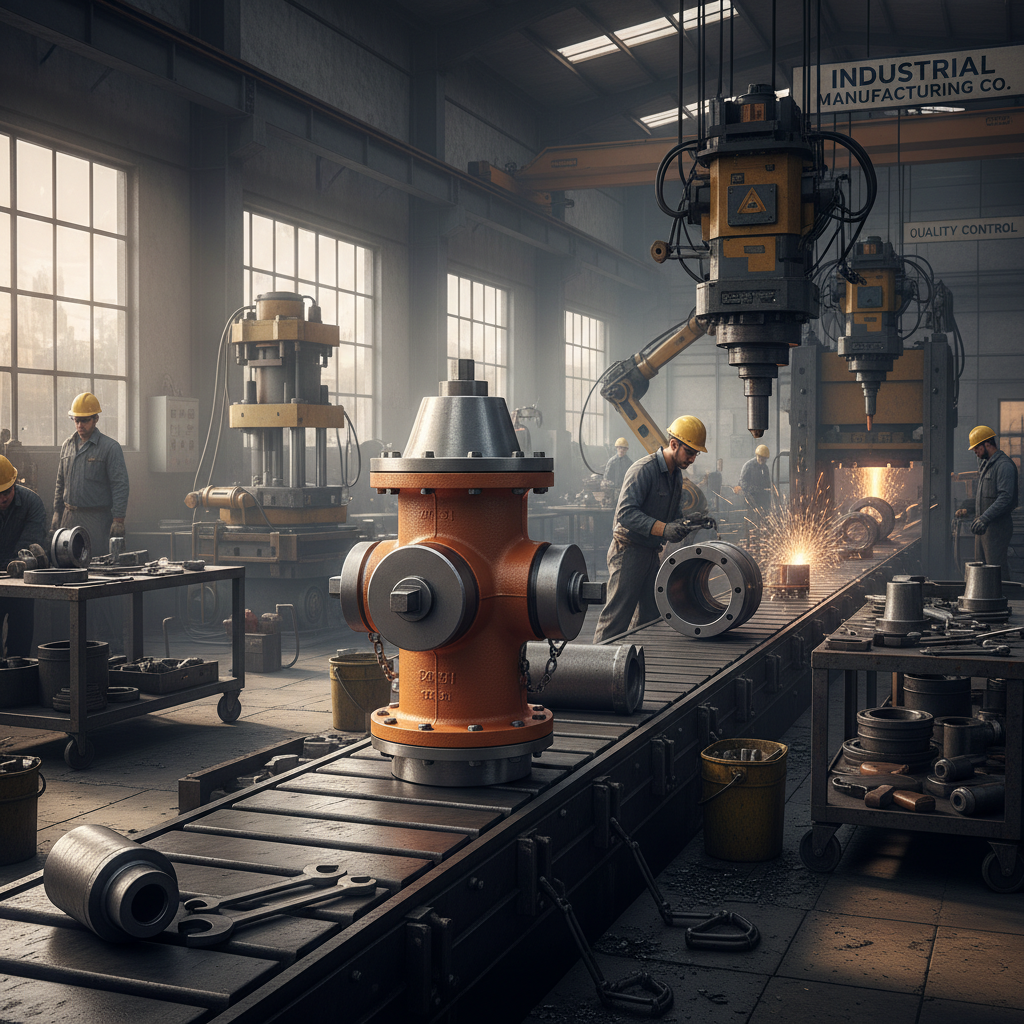
These bodies are typically manufactured using a centrifugal casting process, which ensures a dense, uniform structure with excellent mechanical properties. They are designed to withstand high internal pressures and external loads, and are coated internally and externally to prevent corrosion. The connection points – where the operating nut, nozzles, and main connection are attached – are carefully machined to ensure a watertight seal.

The importance of a properly designed and manufactured ductile iron hydrant body cannot be overstated. It’s the core of the entire system, and its integrity is critical for ensuring reliable fire protection and a consistent water supply for the community. It directly connects to the water mains, and needs to withstand the elements, traffic, and the stresses of constant use.

Core Components and Performance Factors

There are several key aspects that determine the performance and longevity of a ductile iron hydrant body. First, the material composition itself. The percentage of magnesium added during the manufacturing process significantly impacts the ductility and strength. Second, the wall thickness is crucial for withstanding internal pressure and external loads.

Third, the coating system plays a vital role in corrosion protection. Epoxy coatings are commonly used for internal surfaces, while external surfaces often receive a combination of epoxy primer and a polyurethane topcoat. Fourth, the design of the connection points is paramount to preventing leaks. Precision machining and proper gasket selection are essential.

ductile iron hydrant body Performance Metrics


Real-World Applications and Use Cases

You'll find ductile iron hydrant bodies in pretty much any municipality you visit. They’re used in residential areas, commercial districts, industrial parks, and even along highways. In post-disaster relief operations, quick and reliable access to water is critical, and robust hydrant systems play a key role.

I’ve worked on projects installing new hydrant systems in rapidly developing areas where the demand for water is surging. I’ve also been involved in the rehabilitation of aging systems, replacing brittle cast iron hydrants with ductile iron to improve reliability and reduce maintenance costs. They are commonly seen in remote industrial zones, where consistent water supply is essential for critical processes.

Advantages and Long-Term Value Proposition

The benefits of using ductile iron hydrant bodies extend far beyond just initial cost. The increased durability translates to significantly reduced maintenance and repair costs over the lifespan of the system. The corrosion resistance minimizes the risk of leaks and failures, conserving water and preventing potential damage.

But it's also about safety. A reliable hydrant system can mean the difference between life and death in a fire emergency. Investing in quality ductile iron bodies provides peace of mind, knowing that the system will perform when it's needed most. Plus, the long lifespan and recyclability of ductile iron contribute to a more sustainable infrastructure. ductile iron hydrant body are a responsible long-term choice.

Future Trends and Innovation in Hydrant Technology

We’re starting to see more integration of smart technology into hydrant systems. Sensors can be embedded in hydrant bodies to monitor water pressure, flow rates, and even detect leaks in real-time. This data can be used to optimize water distribution, improve maintenance scheduling, and reduce water loss.

There's also research underway to develop even more advanced coatings that offer enhanced corrosion protection and extended lifespans. And with the growing focus on sustainability, we're seeing increased interest in using recycled ductile iron in the manufacturing process.

The push for digital transformation in infrastructure management is also impacting hydrants. Geographic Information Systems (GIS) are being used to map and track hydrant locations, maintenance records, and performance data, creating a more comprehensive and efficient management system.

Key Performance Indicators for Ductile Iron Hydrant Body Systems

Hydrant Body Type Average Lifespan (Years) Maintenance Frequency Failure Rate (%)
Ductile Iron 75-100 Low (every 5-7 years) 0.5
Cast Iron 50-70 Medium (every 3-5 years) 2.0
PVC 20-40 High (annual inspections) 5.0
Stainless Steel 80-120 Very Low (every 10+ years) 0.2
Composite Materials 30-50 Medium (every 3-5 years) 3.0
Coated Ductile Iron 90-110 Low (every 7-10 years) 0.3

FAQS

What are the key advantages of ductile iron over traditional cast iron for hydrant bodies?

Ductile iron offers significantly higher tensile strength and ductility compared to cast iron, meaning it's much less prone to cracking or shattering under pressure or impact. This translates to longer lifespan, reduced maintenance, and improved safety. Cast iron is brittle and can fail catastrophically, whereas ductile iron can bend and absorb stress, making it a far more reliable choice for critical infrastructure like fire hydrants. It's a fundamentally stronger material, designed to withstand the demands of real-world use.

How does the coating system affect the longevity of a ductile iron hydrant body?

The coating system is critical. Ductile iron itself is resistant to corrosion, but the internal and external surfaces need protection to prevent oxidation and erosion over time. A robust epoxy coating on the inside prevents the water itself from corroding the iron. A quality polyurethane topcoat on the outside protects against UV exposure, abrasion, and the elements. Without a proper coating, the hydrant body will corrode much faster, leading to leaks and eventual failure.

What certifications should I look for when purchasing a ductile iron hydrant body?

You want to ensure the hydrant body meets industry standards. Look for certifications from organizations like AWWA (American Water Works Association). AWWA certifications verify that the product has been tested and meets specific performance requirements for strength, durability, and corrosion resistance. ISO certifications are also a good indicator of quality management systems. Verify that the manufacturer has a documented quality control process.

What are the typical installation considerations for ductile iron hydrant bodies?

Proper installation is key to ensuring long-term performance. It’s important to use the correct type of jointing materials and follow the manufacturer's recommendations for pipe support and bedding. The surrounding soil should be properly compacted to prevent shifting. It's also crucial to exercise caution during installation to avoid damaging the coating system. Careful handling and proper backfilling are essential.

How does ductile iron contribute to sustainable infrastructure?

Ductile iron is 100% recyclable, making it a sustainable material choice. Replacing aging infrastructure with ductile iron reduces the risk of water loss through leaks, conserving a valuable resource. Its long lifespan also minimizes the need for frequent replacements, reducing the environmental impact associated with manufacturing and transportation. It’s a durable, reliable, and environmentally responsible solution.

What is the expected lifecycle cost of a ductile iron hydrant body compared to other materials?

While the initial cost of a ductile iron hydrant body might be slightly higher than some alternatives, the lifecycle cost is typically lower. This is due to its superior durability, reduced maintenance requirements, and longer lifespan. Materials like PVC may be cheaper upfront, but they require more frequent replacement and are more susceptible to damage, leading to higher long-term costs. Ductile iron offers the best value over the life of the system.

Conclusion

In the end, when you’re talking about water infrastructure, reliability is paramount. Ductile iron hydrant bodies deliver on that promise, offering a combination of strength, durability, corrosion resistance, and long-term value. It's a material that’s proven itself time and again, and continues to be the preferred choice for municipalities and engineers who prioritize safety, sustainability, and cost-effectiveness.

Investing in quality ductile iron hydrants isn't just about protecting property – it's about protecting lives. As technology advances and our understanding of materials science evolves, ductile iron will continue to adapt and play a vital role in ensuring a reliable and sustainable water supply for generations to come. For dependable solutions, visit our website: www.mingdametals.com

Robert Johnson

Robert Johnson

Robert Johnson is a seasoned Quality Control Engineer at Hebei Mingda. Based in the US, he acts as a crucial liaison between our Chinese manufacturing partners and our American clientele. Robert's primary focus is ensuring that every shipment adheres to rigorous quality checks and meets client-defined standards. He is adept
Previous The Vital Role of Hydrant Pipes in Modern Infrastructure Systems
Next The Critical Role of a Cast Iron Gate Valve Body in Fluid Handling Systems