Phone:
+86 18631189888

Email:
liyanhui@bestcastings.cn

When engineers evaluate the efficiency of high-volume component production, the choice between machining and stamping often comes down to a balance of precision and speed. For complex geometries that require consistent repeatability, custom stamping parts offer a streamlined path to scalability, reducing the per-unit cost significantly compared to subtractive methods. The challenge, however, lies in achieving tight tolerances while maintaining material integrity during the deformation process.
The integration of precision stamping into broader manufacturing workflows—alongside Aluminium Casting and Stainless Steel Forging—allows companies to optimize their assembly lines. By leveraging materials like brass, copper, and various alloys, manufacturers can ensure that lightweight components maintain high stiffness and structural strength. This synergy is critical for industries where component failure is not an option, such as in valve bodies, pumps, and automotive railway systems.
Understanding the technical nuances of die design and material behavior is essential for any procurement manager seeking to reduce waste. This guide analyzes how custom stamping parts impact overall product lifecycle and performance, providing a framework for selecting the right materials and production crafts to meet rigorous industrial standards.


Precision stamping is a cold-forming process where sheet metal is pressed into a specific shape using a custom-engineered die. Unlike machining, which removes material to create a part, stamping utilizes the pressure of a press to deform the metal. This process is ideal for producing high volumes of components with consistent dimensions, ensuring that each part is interchangeable within a larger assembly.
The process begins with the selection of a suitable sheet material—ranging from stainless steel to brass. The die is then designed to perform a series of operations, which may include blanking, piercing, bending, and coining. By controlling the pressure and the sequence of strikes, manufacturers can create complex shapes that would be prohibitively expensive to mill or turn on a CNC machine.
Achieving high dimensional accuracy in custom stamping requires a meticulous focus on tool clearance and material springback. Springback occurs when the metal attempts to return to its original shape after the pressure is released, which can lead to angular deviations. To counteract this, engineers implement over-bending techniques and optimize die geometry based on the material's elastic modulus.
The precision of the stamping die is the primary driver of part consistency; uniform die size ensures that thousands of units remain within tight tolerances without the need for secondary machining, drastically reducing lead times and production costs.
Furthermore, the surface quality of the raw material plays a pivotal role. Clean, scale-free sheets prevent scoring during the stamping process, ensuring a smooth finish. This is particularly important when parts are destined for electroplating or phosphating, as any surface imperfection can be magnified during the treatment process, affecting the final aesthetic and protective properties.
One of the most significant technical advantages of the stamping process is the improvement of the metal's internal structure. When a material undergoes plastic deformation during pressing, it experiences work hardening. This physical change increases the yield strength of the component, allowing for a lightweight part that can withstand higher mechanical stresses than a cast or machined equivalent.
By optimizing material consumption and utilizing the strength gains from plastic deformation, stamping produces parts with superior stiffness-to-weight ratios, which is essential for high-performance industrial machinery.
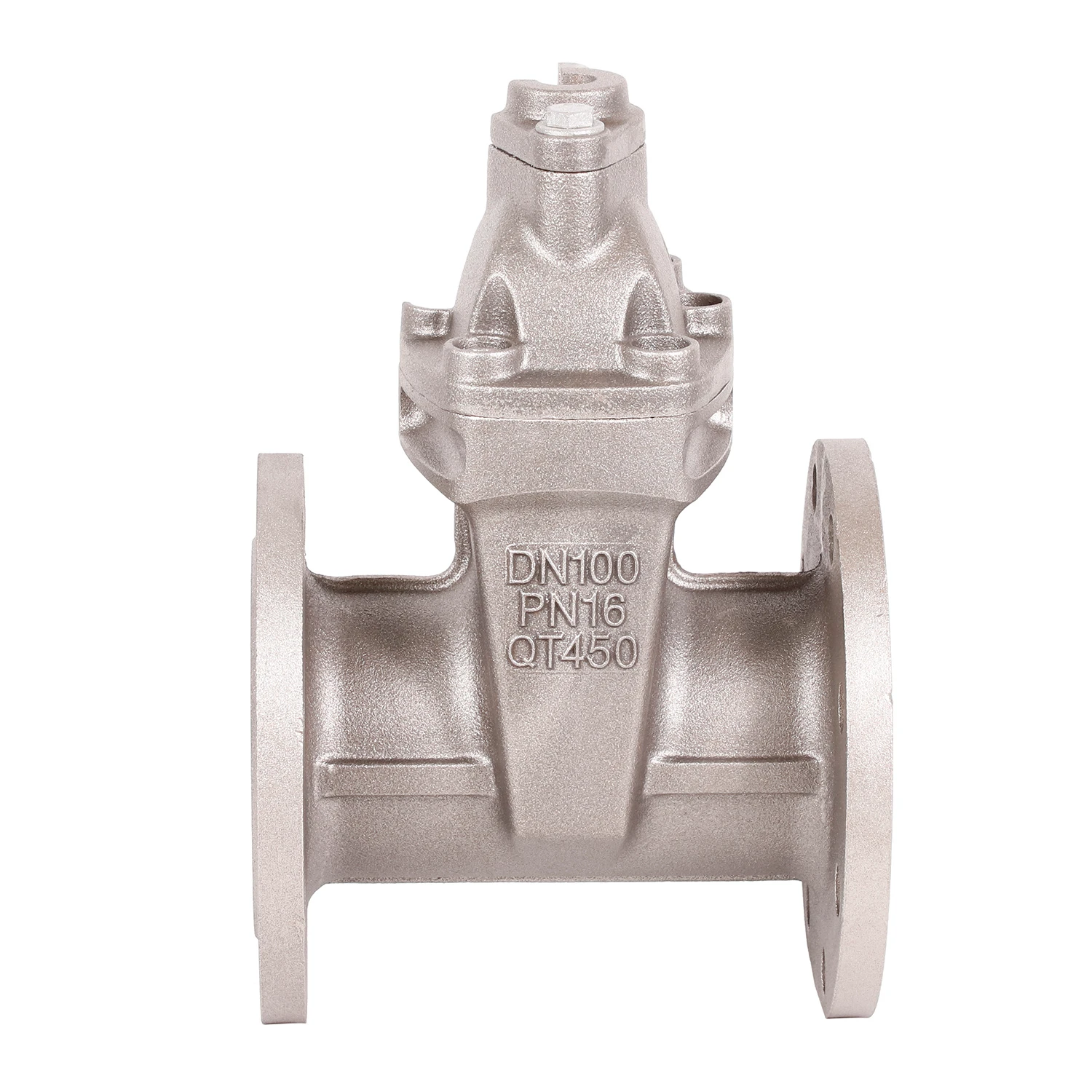
This strength enhancement is complemented by the absence of material removal, which preserves the grain flow of the metal. In contrast to machining, where the grain is cut, stamping bends and stretches the grain, maintaining the structural integrity of the part across its entire geometry. This makes stamped components ideal for load-bearing applications in valve and hydrant bodies.
The choice of material directly dictates the feasibility and cost of the stamping process. Stainless steel is preferred for corrosive environments, while brass and bronze are utilized for their superior conductivity and machining characteristics. Aluminium provides a lightweight alternative without sacrificing too much structural rigidity, making it a staple in aerospace and automotive components.
Comparing these materials requires an analysis of their formability and the wear they impose on the stamping dies. For instance, harder alloys may require more frequent tool maintenance but offer longer component lifecycles in abrasive environments. The following data illustrates the relative suitability of common materials based on key performance indicators.
Custom stamped parts are indispensable in the production of hydraulic and pneumatic systems. In these applications, precision-stamped washers, spacers, and brackets ensure leak-proof seals and precise alignment of valves. Because these components often operate under high pressure, the inherent strength gained from the stamping process prevents deformation over thousands of cycles.
Beyond hydraulics, the electrical industry relies on stamped copper and brass contacts for their high conductivity and precise fit. In the infrastructure sector, stamped components are integrated into manhole covers and drainage channels to provide reinforcing structures that are both lightweight and durable, reducing installation costs while meeting municipal safety standards.
Modern tooling is shifting toward high-durability coatings to extend the life of stamping dies. The use of vanadium alloys and specialized heat treatments allows dies to maintain their edge longer, reducing the frequency of downtime for tool sharpening. This evolution is critical for maintaining high precision in long-term production runs of stainless steel parts.
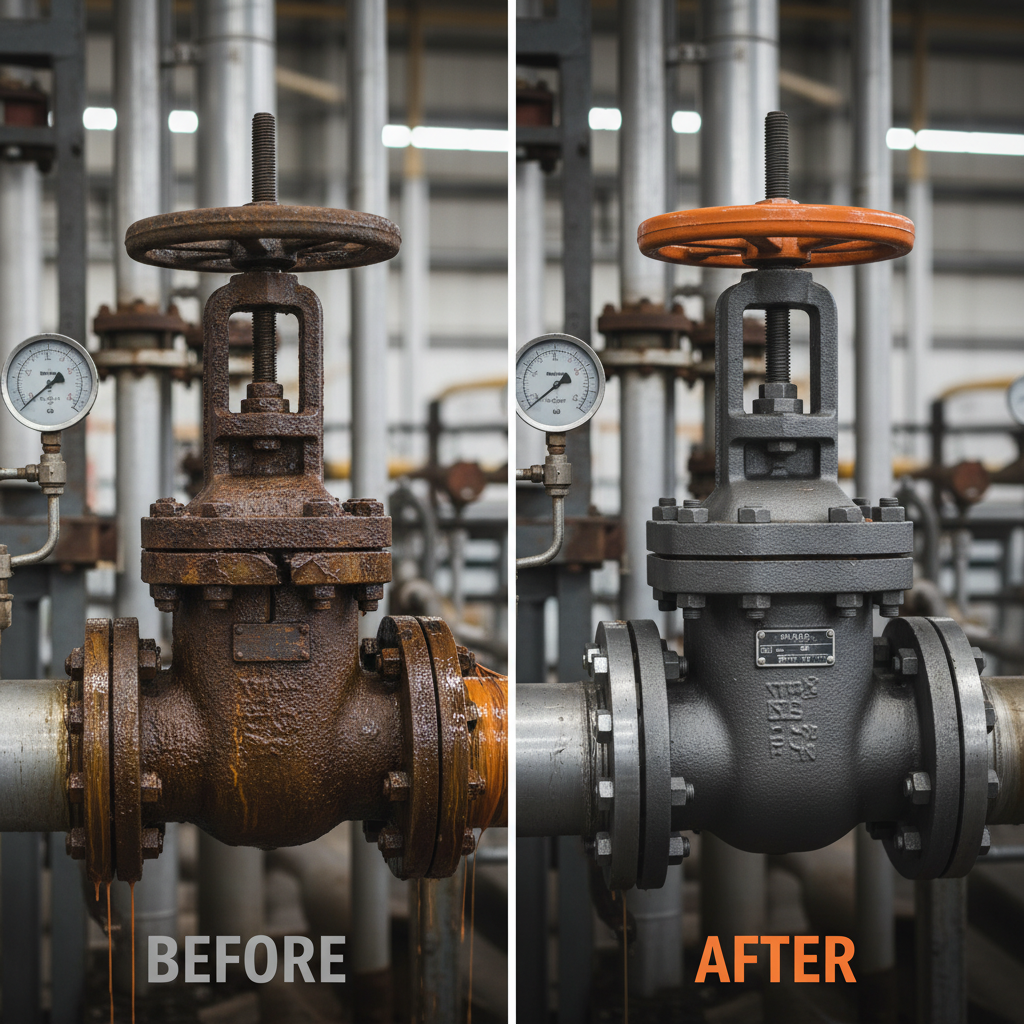
Surface treatments have also become more sophisticated. Electroplating in silver and gold is commonly used to enhance wear resistance and electrical conductivity. Additionally, phosphating is employed to create a base layer that improves paint adhesion and provides an initial layer of corrosion protection for parts used in outdoor industrial environments.
The trend toward integrated secondary processing is also evident. Many manufacturers now combine stamping with CNC turning or milling for parts that require hybrid precision. This allows the bulk of the part to be produced rapidly via stamping, while critical mating surfaces are refined via CNC machining to meet sub-micron tolerances.
Despite the efficiency of stamping, challenges such as material waste and tool wear are persistent. Material optimization, or "nesting," is used to arrange parts on the sheet to minimize scrap. Advanced software now allows for dynamic nesting, which significantly reduces raw material costs, especially when working with expensive alloys like bronze.
Another common issue is surface scratching during the ejection phase. This is solved by utilizing polished die surfaces and optimizing the lubrication process. Using synthetic lubricants reduces friction between the sheet and the die, ensuring that the final part maintains a high clean degree and a smooth appearance.
Finally, managing lead times for custom dies can be a bottleneck. To mitigate this, many firms utilize a modular tool design, allowing for quicker adjustments and replacements of specific die components without needing to rebuild the entire toolset from scratch.
| Metric | Stamping Process | CNC Machining | Impact on Value |
|---|---|---|---|
| Production Speed | Very High | Moderate | Unit Cost Reduction |
| Material Waste | Low (with Nesting) | High (Chips) | Resource Efficiency |
| Structural Strength | Higher (Work Hardened) | Standard | Component Durability |
| Initial Tooling Cost | High (Die Cost) | Low | Upfront Investment |
| Dimensional Repeatability | Excellent | High | Assembly Consistency |
| Lead Time (Mass Prod) | Fast | Slow | Time-to-Market |
Custom stamping parts are metal components formed by pressing sheet metal into a shaped die using a press. This process uses plastic deformation to create precise, repeatable shapes without removing material, making it highly efficient for high-volume production across various metals including steel, aluminium, and brass.
The best material depends on the application. Stainless steel is ideal for corrosion resistance; brass and bronze are chosen for conductivity and aesthetic finish; and aluminium is used for weight reduction. The key is matching the material's ductility to the complexity of the part design to avoid cracking during deformation.
Stamping utilizes a phenomenon called work hardening. As the metal is deformed under pressure, its internal grain structure is compressed and reorganized, which increases the yield strength of the material. This results in a part that is stiffer and more durable than one created through casting or subtractive machining.
Yes, this is a common industrial practice. Stamping is used to create the primary shape rapidly, and CNC machining is used for secondary processing on critical areas, such as adding precise threads or ultra-tight tolerance holes. This hybrid approach balances cost-efficiency with extreme precision.
The primary cost drivers are the complexity of the die design, the type of material used, and the total order volume. While initial tooling costs are high, the cost per unit drops significantly as volume increases. Material waste and required surface treatments (like electroplating) also impact the final price.
Quality is ensured through strict control of the die dimensions, regular tool maintenance to prevent wear, and the use of precision measurement tools. We also implement strict quality assurance systems that verify dimensional accuracy and surface cleanliness before shipping to ensure a satisfaction rate above 90%.
Precision metal stamping remains a cornerstone of modern industrial manufacturing due to its ability to combine structural strength with extreme production efficiency. By understanding the relationship between material selection, die precision, and plastic deformation, companies can produce components that are not only cost-effective but also technically superior in terms of stiffness and durability. Whether for hydraulic valves or electrical contacts, the right stamping strategy reduces waste and ensures long-term reliability.
For organizations seeking to optimize their component sourcing, partnering with a supplier that understands the nuances of both stamping and precision machining is critical. If you require high-quality, custom-engineered metal components tailored to your specific technical drawings, you can explore the comprehensive manufacturing capabilities at www.mingdametals.com to find the most efficient production solution for your project.