Phone:
+86 18631189888

Email:
liyanhui@bestcastings.cn

Petrochemical equipment operates under demanding conditions in which high pressure, elevated temperatures, chemical exposure, vibration, and continuous mechanical loads can impose significant stress on critical components. For this reason, manufacturers and equipment operators need reliable parts that can maintain structural integrity throughout long operating cycles. Steel forging is an important manufacturing process for producing strong and durable components for petrochemical applications. Through controlled heating and mechanical deformation, steel forging can improve the strength, toughness, and structural consistency of steel materials. From pipelines and pressure systems to valves, pumps, connections, and heavy-duty machinery, forged parts, forged steel flanges, and other forged components provide dependable performance where component failure can lead to costly downtime and safety risks.
The reliability of petrochemical equipment depends greatly on the mechanical performance of its individual components. Components used in oil and gas processing systems may be exposed to high internal pressure, repeated loading, temperature fluctuations, and corrosive substances. Under these conditions, ordinary components may experience deformation, fatigue, cracking, or premature wear. Steel forging provides a manufacturing method that can produce components with excellent mechanical properties for demanding industrial environments.
During the steel forging process, heated steel is shaped through controlled pressure and deformation. This process can refine the grain structure of the material and help reduce certain internal discontinuities associated with other manufacturing methods. As a result, properly manufactured forging parts can offer high strength and toughness while maintaining dimensional stability under mechanical stress.
For petrochemical applications, these properties are especially valuable because equipment often operates continuously for extended periods. Strong forged components can withstand repeated mechanical loads and help maintain equipment performance over time. When combined with appropriate heat treatment, precision machining, and quality inspection, steel forging can contribute significantly to the overall reliability of industrial equipment.

Pressure is one of the most important factors influencing the selection of components for petrochemical systems. Pipelines, pressure vessels, valves, pumps, and process equipment may operate under considerable internal pressure. A weak connection or damaged component can result in leakage, production interruption, or equipment failure.
The strength provided by steel forging makes it suitable for many pressure-bearing applications. The controlled deformation involved in forging can produce a dense and mechanically consistent material structure. This allows forged parts to perform effectively when exposed to tensile stress, impact loads, vibration, and pressure fluctuations.
In particular, forged components are often selected for applications where strength and durability are more important than simple manufacturing convenience. Components such as shafts, fittings, valve parts, connectors, and pressure-related components can benefit from the mechanical characteristics achieved through steel forging.
The actual performance of a forged product also depends on material selection, forging temperature, deformation control, heat treatment, machining accuracy, and inspection procedures. Therefore, reliable steel forging requires not only appropriate raw materials but also controlled production and quality assurance throughout the manufacturing process.
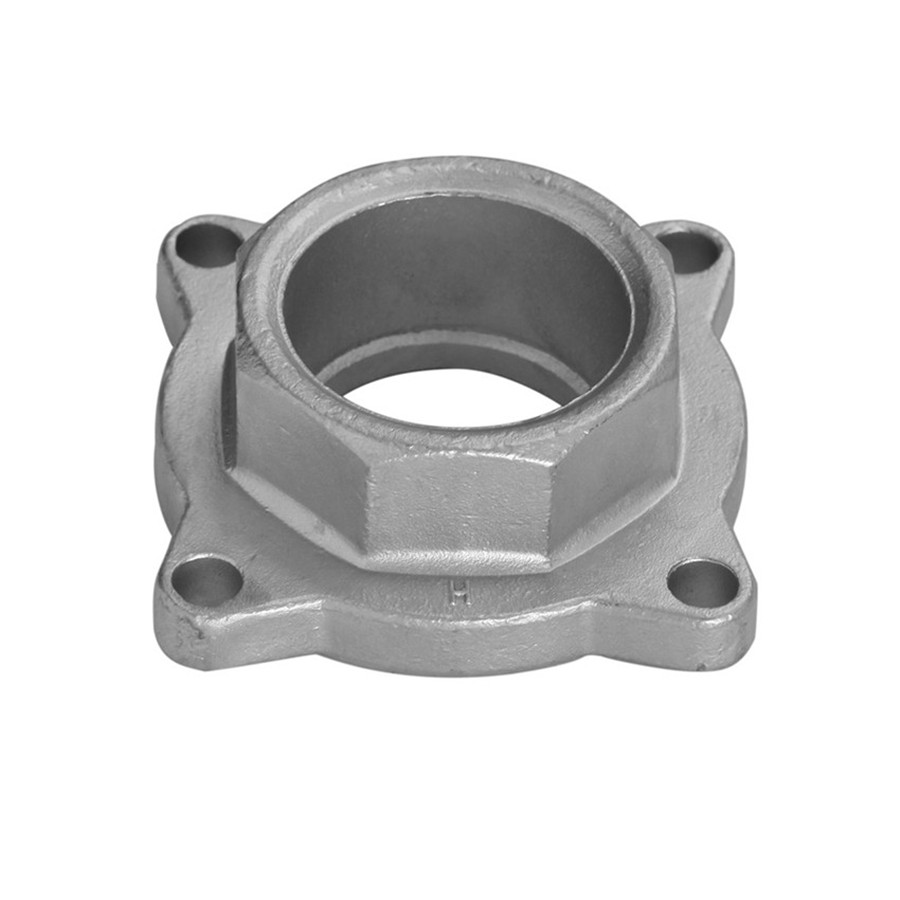
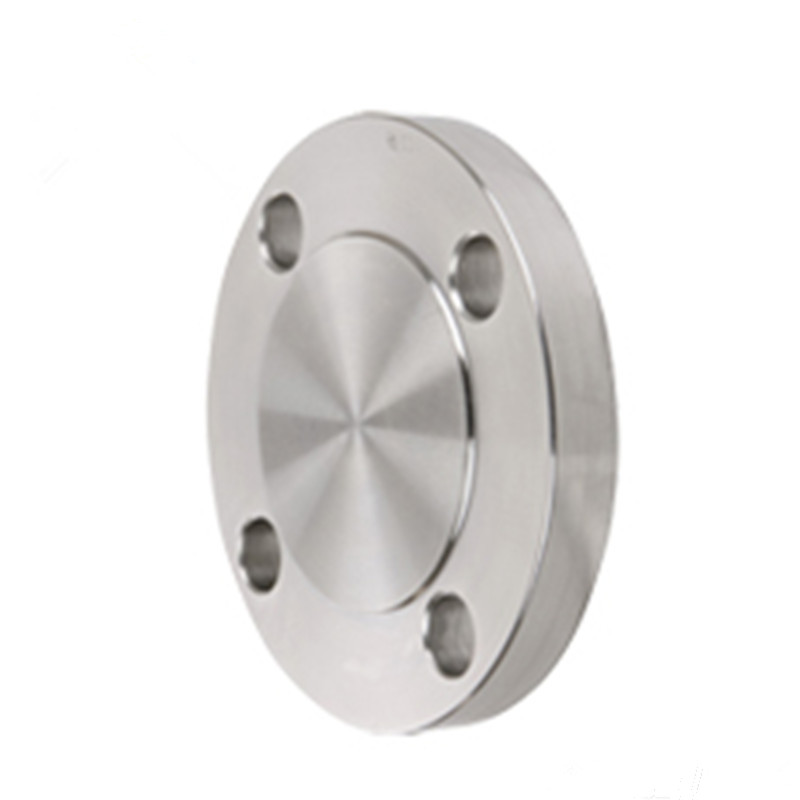
Flanges play an essential role in petrochemical piping systems because they connect pipes, valves, pumps, and other equipment while providing a secure and serviceable joint. These connections may experience pressure, vibration, thermal expansion, and repeated maintenance operations. Forged steel flanges are widely considered for demanding applications because the forging process can provide high mechanical strength and structural consistency.
The performance of forged steel flanges depends on their ability to maintain dimensional accuracy and mechanical integrity under operating conditions. When produced through controlled steel forging, flange materials can achieve the strength required for many industrial pressure and piping systems.
A properly manufactured flange can help maintain a stable connection between components and reduce the possibility of deformation under load. This is particularly important in petrochemical installations where pipeline connections may remain in service for long periods. The use of suitable forged components at critical connection points can therefore contribute to safer and more dependable equipment operation.
Material selection is another important consideration when purchasing petrochemical forging parts. A carbon steel flange is commonly used in many industrial piping and equipment applications because carbon steel provides a practical balance of strength, machinability, availability, and cost.
When a carbon steel flange is manufactured through steel forging, the resulting product can provide the mechanical performance required for various pressure and structural applications. Depending on the specific grade and manufacturing requirements, carbon steel forged components can be used in pipelines, pumps, valves, process systems, and other industrial equipment.
However, selecting a carbon steel flange requires consideration of the actual working environment. Temperature, pressure, fluid characteristics, corrosion conditions, and applicable technical standards should all be evaluated before choosing a material. For applications involving highly corrosive media or extreme temperatures, alternative steel grades may be more appropriate.
This is why experienced suppliers should understand both the customer's drawings and the intended application. The right steel forging solution should be selected according to technical requirements rather than simply based on material price.
Long service life is an important consideration in petrochemical equipment because replacing critical components can require equipment shutdown, labor, transportation, and additional maintenance costs. Components that can maintain their mechanical properties under repeated loading can help reduce the frequency of unplanned replacement.
High-quality forging parts can provide excellent toughness and fatigue resistance when suitable steel grades and controlled production processes are used. The improved structural consistency associated with steel forging can help components withstand repeated stress and mechanical impact.
For example, forged steel flanges installed in pipeline systems may experience pressure fluctuations and thermal expansion during normal operation. Strong and dimensionally stable flange connections can help maintain system integrity throughout repeated operating cycles.
Similarly, other forged components used in valves, pumps, machinery, and pressure systems can contribute to reliable operation when they are correctly designed and manufactured. By selecting suitable steel forging products, equipment manufacturers can improve component reliability while potentially reducing maintenance requirements over the equipment's service life.
The quality of steel forging directly affects the reliability of finished components. A professional manufacturing process should control material selection, heating, forging, heat treatment, machining, dimensional accuracy, and final inspection. Each stage can influence the mechanical and functional performance of the finished forging parts.
For petrochemical applications, quality control is particularly important because components may be exposed to high pressure and demanding operating environments. Depending on customer requirements, forged components can be inspected for dimensional accuracy, surface condition, material properties, and potential internal or external defects.
For forged steel flanges, dimensional accuracy is also essential because the flange must match the connected piping or equipment correctly. A properly controlled steel forging process combined with accurate machining can help ensure that the final product meets the customer's drawings and technical specifications.
Working with a supplier that understands different production processes can also improve purchasing efficiency. Instead of using the same manufacturing method for every product, the appropriate steel forging or machining solution can be selected according to the component's design, material, quantity, quality requirements, and delivery schedule.
Hebei Mingda International Trading Company is a trading company specialized in castings, forgings, and machinery parts. Through deep business interaction with manufacturers in major cities of China, the company can flexibly match customers with suitable production resources according to their drawings, quality requirements, and delivery schedules.
Its product range includes raw castings made from ductile iron, grey iron, brass, stainless steel, and aluminum, as well as machined castings and forged parts. Depending on product requirements, suitable manufacturing processes and equipment can be arranged, including resin sand, sand molding, hot core boxes, lost-wax, lost-foam, forging, and machining. This flexible production network enables customers to obtain suitable steel forgings, forging parts, and forged components for different industrial applications.
The company's access to multiple factories and production facilities also provides flexibility in both manufacturing method and pricing. By evaluating the customer's drawings and quality requirements, Hebei Mingda can identify an appropriate production facility for steel forging, forged steel flanges, carbon steel flange products, and other forged components. Its normal lead time is around 30 days, while special orders may be completed in approximately 20 days when production conditions allow.
If you are looking for reliable forging parts for petrochemical equipment, pipelines, valves, pumps, or other industrial applications, Hebei Mingda International Trading Company can provide customized steel forging solutions based on your drawings and specifications. Contact the company today, send your drawings and technical requirements, and request a quotation for your forged components, forged steel flanges, or carbon steel flange products. Choose a suitable steel forging solution and place your order with a supplier focused on quality, competitive pricing, and dependable delivery.
Steel forging parts are commonly used for applications that require high strength, toughness, and structural reliability. Typical products include forging parts, shafts, fittings, valve components, connectors, and forged steel flanges used in pipelines and process equipment.
Forged steel flanges are suitable for many petrochemical applications because they can provide high mechanical strength and dimensional stability. When produced through controlled steel forging, they can withstand pressure, vibration, and repeated mechanical loads in demanding piping systems.
A carbon steel flange is commonly used to connect pipes, valves, pumps, and other equipment in industrial piping systems. When produced using steel forging, a carbon steel flange can provide a strong and reliable connection for many pressure-bearing applications.
Buyers should consider material grade, operating pressure, temperature, corrosion conditions, dimensions, applicable standards, machining requirements, and production capabilities. An experienced supplier can recommend suitable steel forging, forging parts, and forged components according to the customer's drawings and application requirements.
Yes. Hebei Mingda International Trading Company works with manufacturing partners across China and can arrange customized steel forging, forged components, forged steel flanges, and other forging parts according to customer drawings, material requirements, quality standards, and delivery requirements.