Phone:
+86 18631189888

Email:
liyanhui@bestcastings.cn

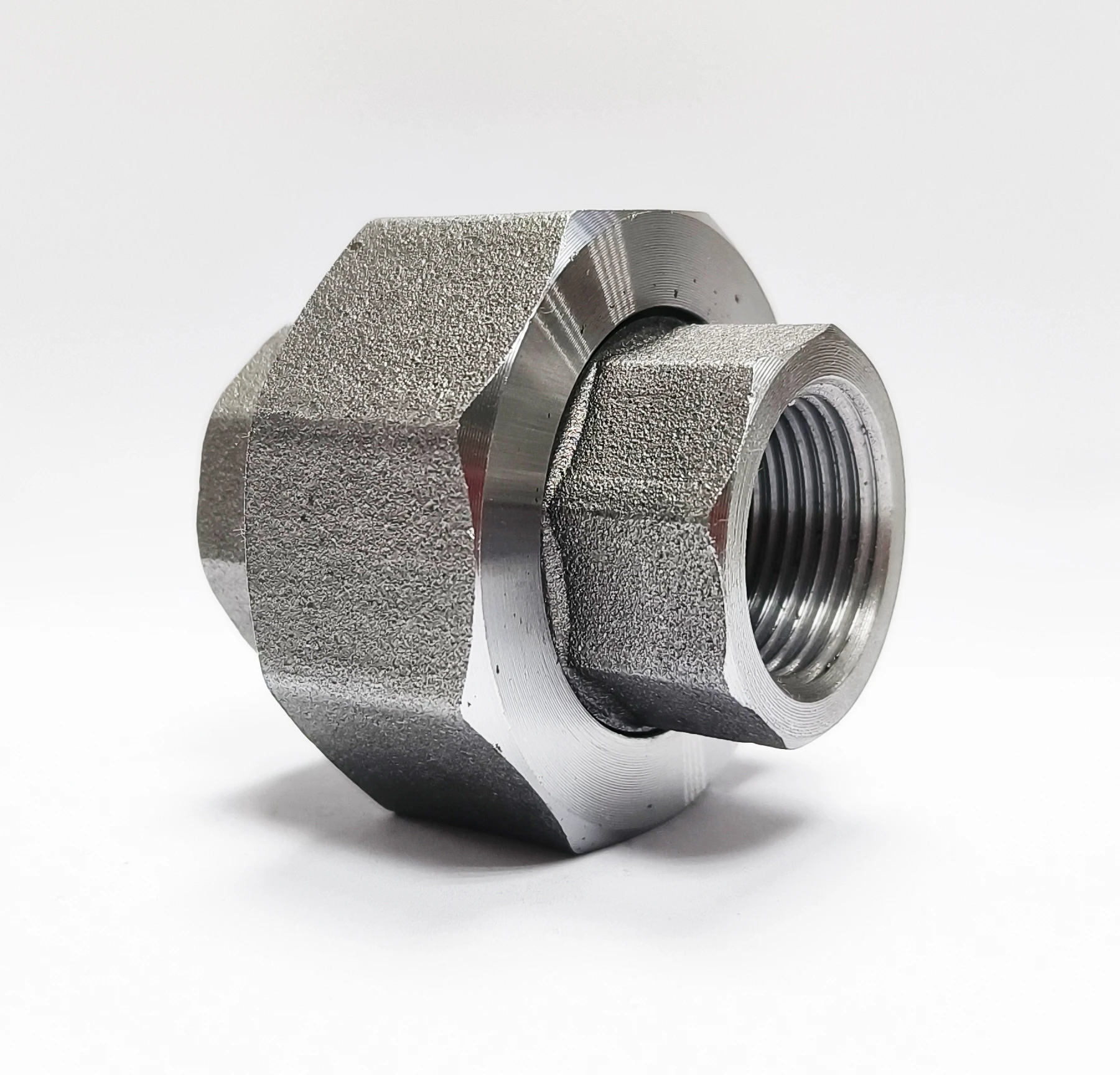
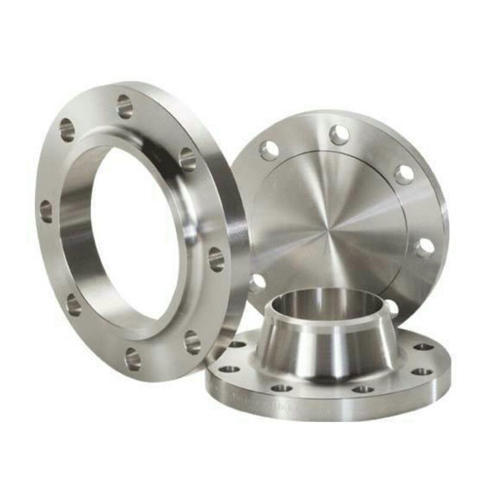
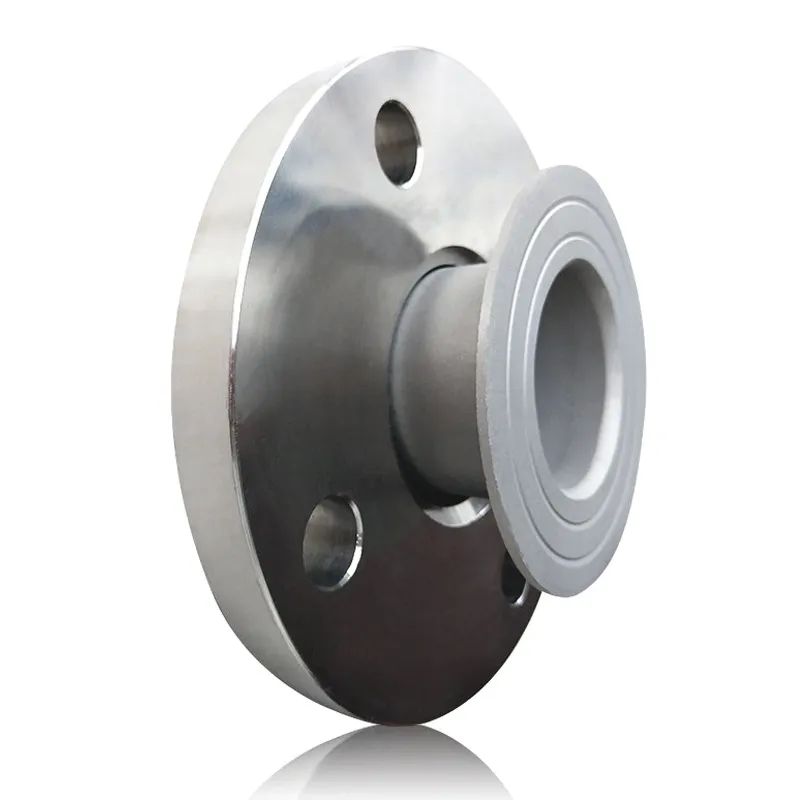
I started this piece because clients kept asking about performance trade-offs between forged and slip-on designs — and the product mix that keeps coming up is Stainless Steel Forged Flanges,Straight Hub Welding Flanges,Carbon Steel Slip On Flanges. To be honest, it's a mouthful, but it reflects how buyers combine materials and joint types to hit cost, strength and fabrication targets.
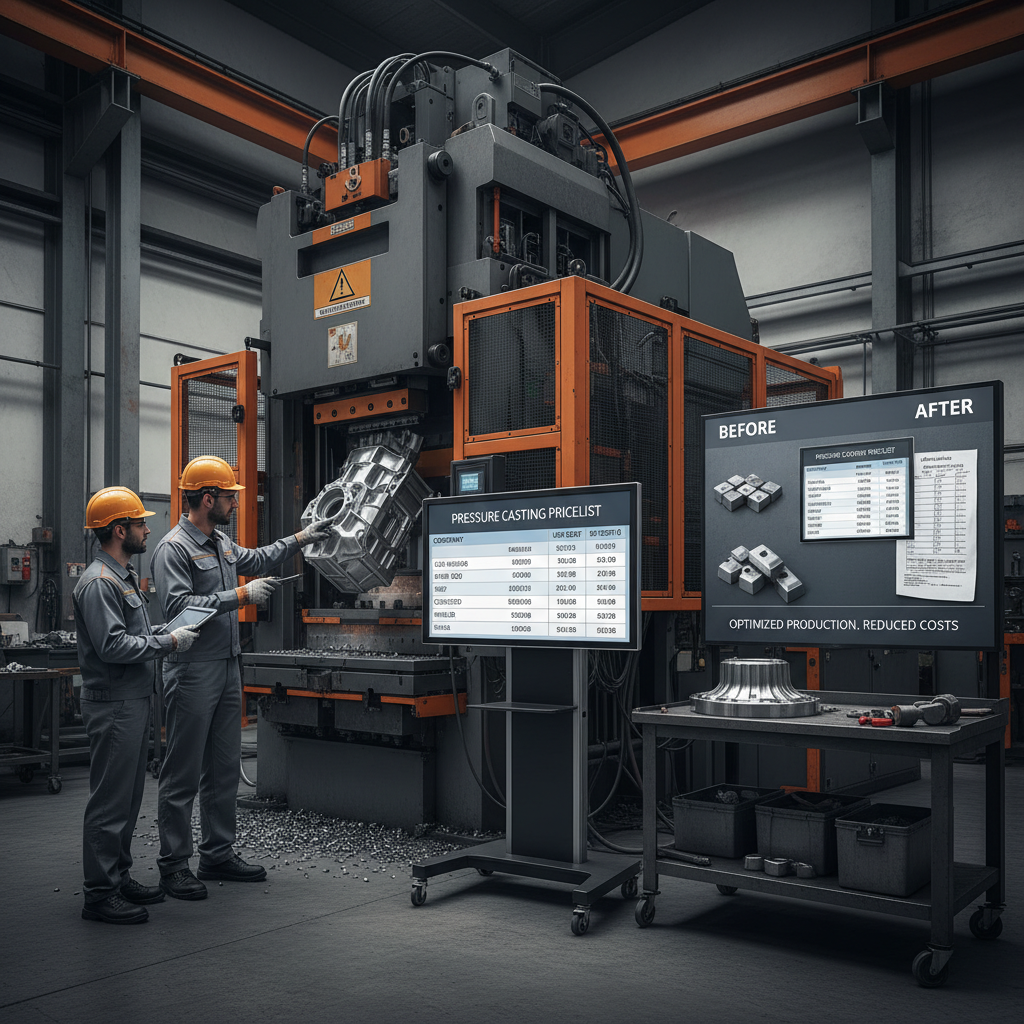
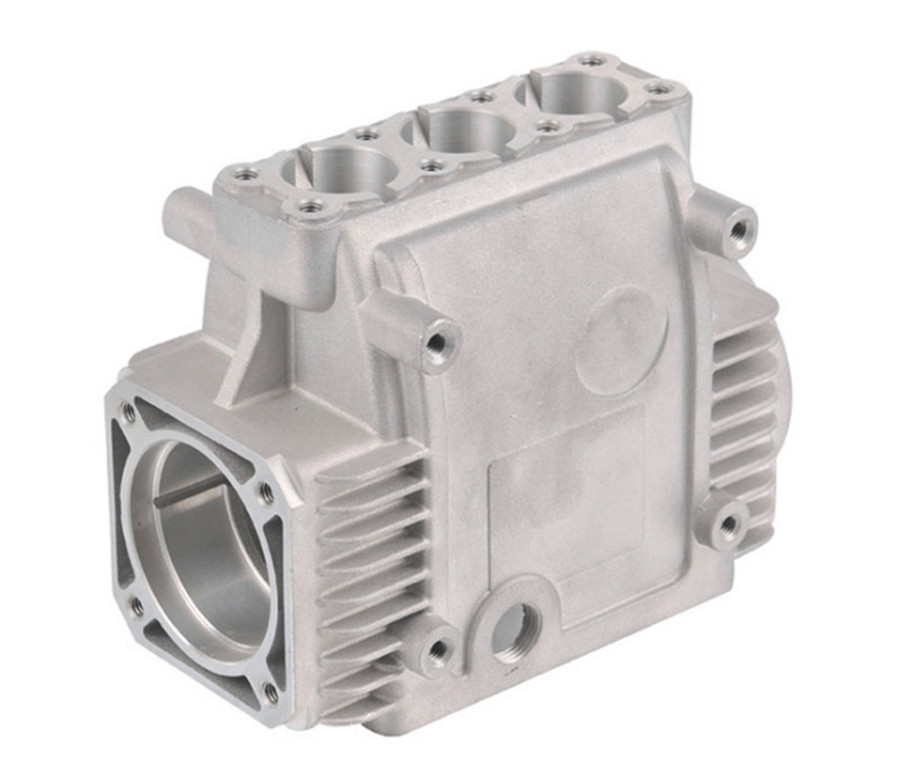
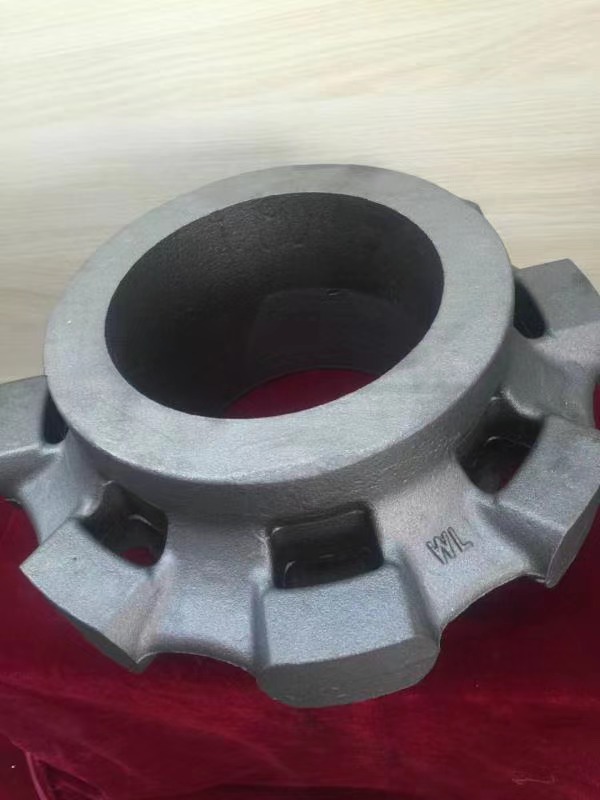
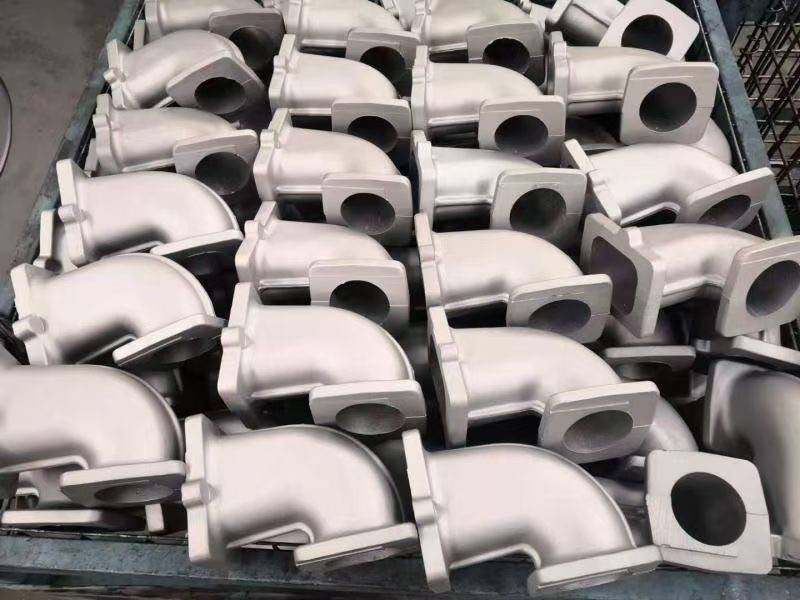
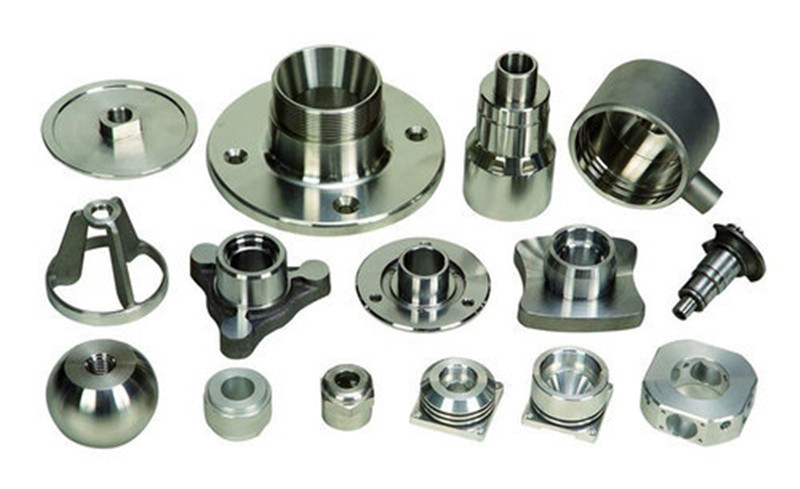
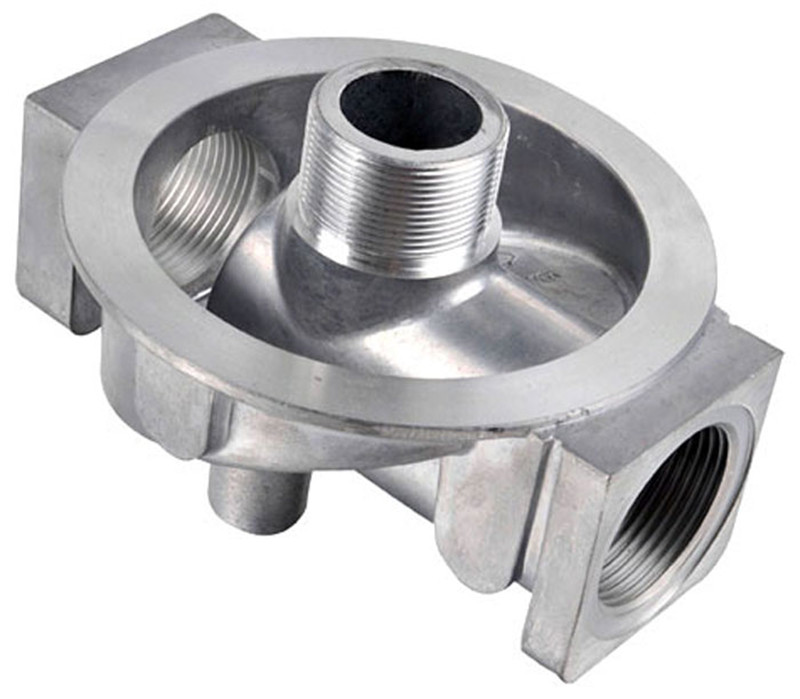
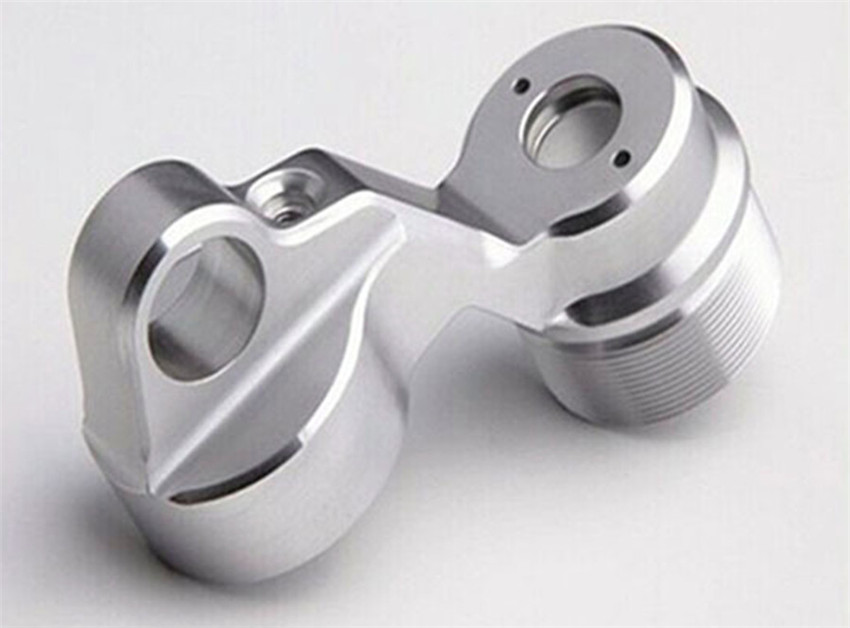
Most of the components in this family are made from carbon or stainless steel using established foundry techniques. For the OEM Custom Carbon Steel Casting line, Mingda Metals lists:
|
Attribute |
Specification (≈ real-world) |
|
Casting method |
Thermal gravity casting |
|
Process |
Lost wax casting |
|
Molding |
Pressure casting |
|
Material |
Carbon Steel (others on request) |
|
Surface finish |
Polishing, Ra≈6.3 |
|
Machining tolerance |
±0.01mm (real-world use may vary) |
In practice: melt → pour (thermal gravity) → solidify in lost-wax mold → pressure finish → stress-relief → CNC machining → polishing → inspection. Testing often includes MT/UT for surface and subsurface defects, PMI for chemistry, hardness and tensile checks. Many customers ask for third-party witness testing — not surprising in critical industries.
These parts show up in pumps, valves, petrochemical piping, and heavy machinery. With correct material selection and welding practices the service life is usually years to decades — of course corrosion, cyclic loads and environment matter. In chloride-heavy environments, stainless options outperform carbon steel.
|
Vendor |
Strengths |
Typical lead-time |
|
Mingda Metals |
Strong OEM casting, tight tolerances, Ra6.3 finish |
≈4–8 weeks |
|
Large foundry A |
High-volume, lower unit cost |
≈6–12 weeks |
|
Specialist B |
Exotic alloys, extensive NDT |
≈8–14 weeks |
If you're sourcing Stainless Steel Forged Flanges,Straight Hub Welding Flanges,Carbon Steel Slip On Flanges, expect trade-offs: forged components give better fatigue resistance and smaller grain flow discontinuities, slip-on reduces machining cost and simplifies alignment.
A midwest OEM replaced ASTM A105 slip-on flanges with a forged straight-hub design for a slurry pump. Result: leak incidents fell by ≈70% over 18 months due to better weld geometry and material cleanliness. Customers said downtime savings offset higher unit price in under a year.
Look for ASME B16.5/B16.47, ASTM material specs (A105, A350, A182 for steels), ISO 9001, and NDT certificates (UT/MT/RT) on delivery. PMI reports are common for stainless batches.
Want help specifying tolerances or getting a sample? Ping the vendor and ask for machining drawings, NDT reports, and a sample to evaluate surface finish. It seems obvious, but not everyone asks.
Product reference: OEM Custom Carbon Steel Casting — Thermal Gravity Casting, Lost Wax, Pressure Casting, Ra6.3, ±0.01mm machining tolerance. See vendor page for details.