Phone:
+86 18631189888

Email:
liyanhui@bestcastings.cn

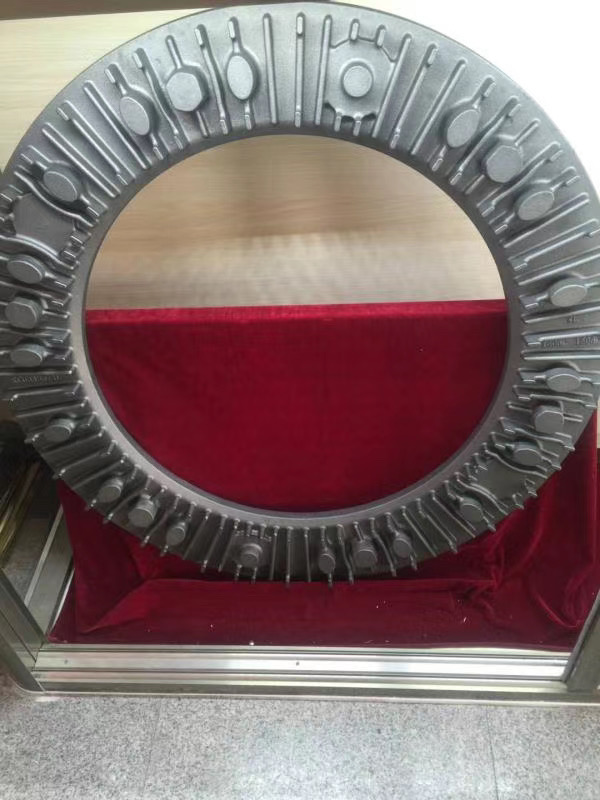
First off, if you're researching tough, reliable rotating masses for engines or industrial drives, check this product: Cast Iron Flywheel,Cast Iron And Steel. I’ve handled specs on both cast iron flywheels and mixed iron/steel solutions for years — to be honest, there’s no one-size-fits-all answer.
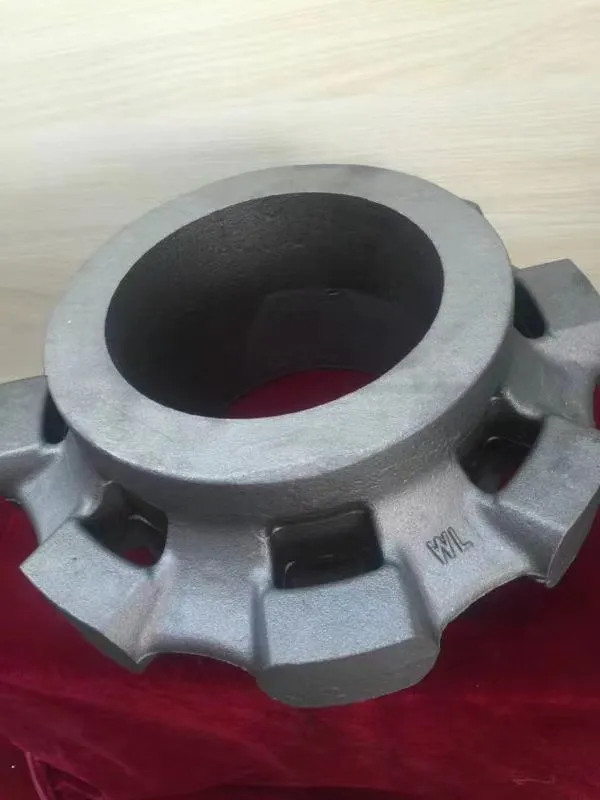
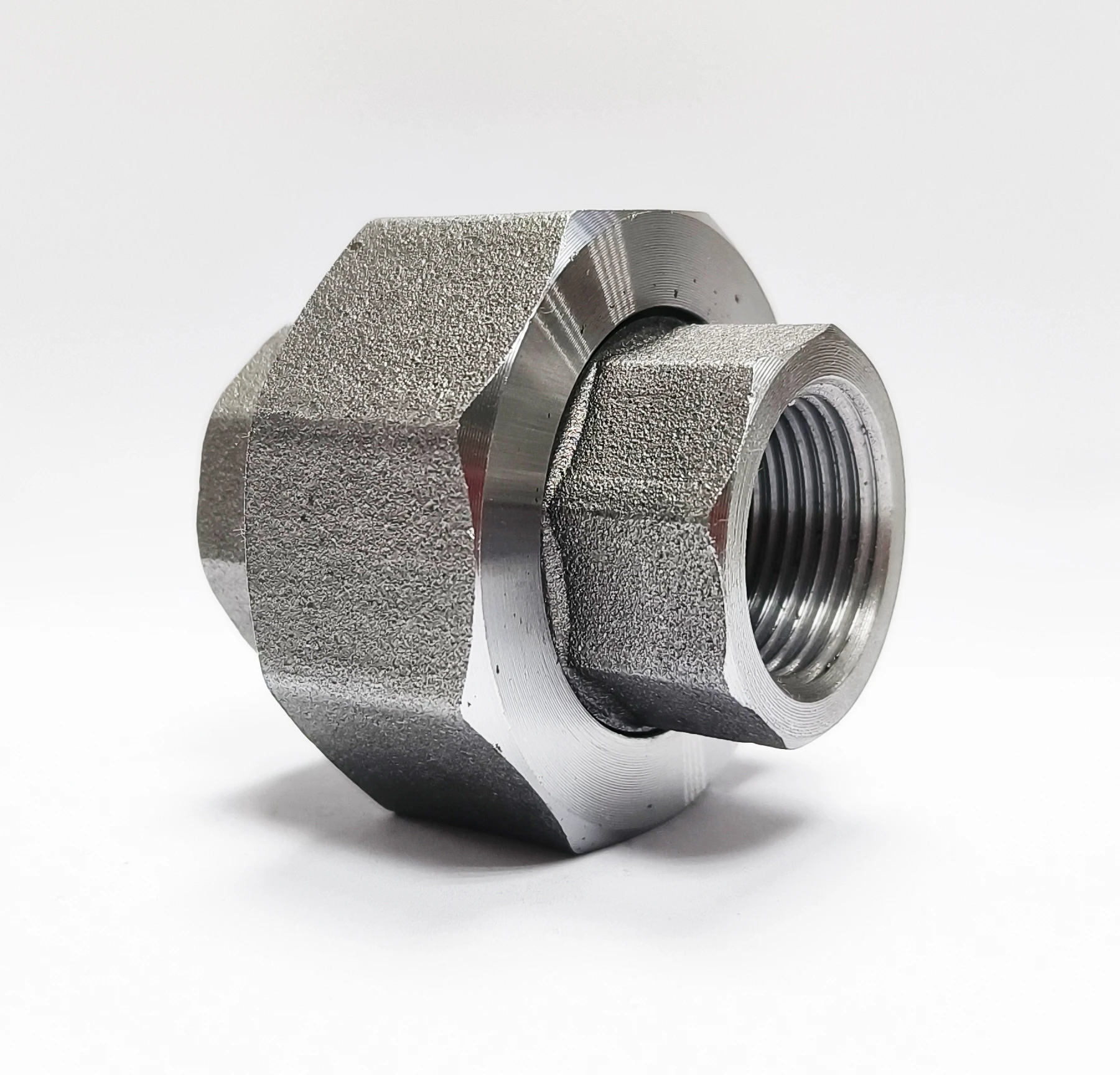
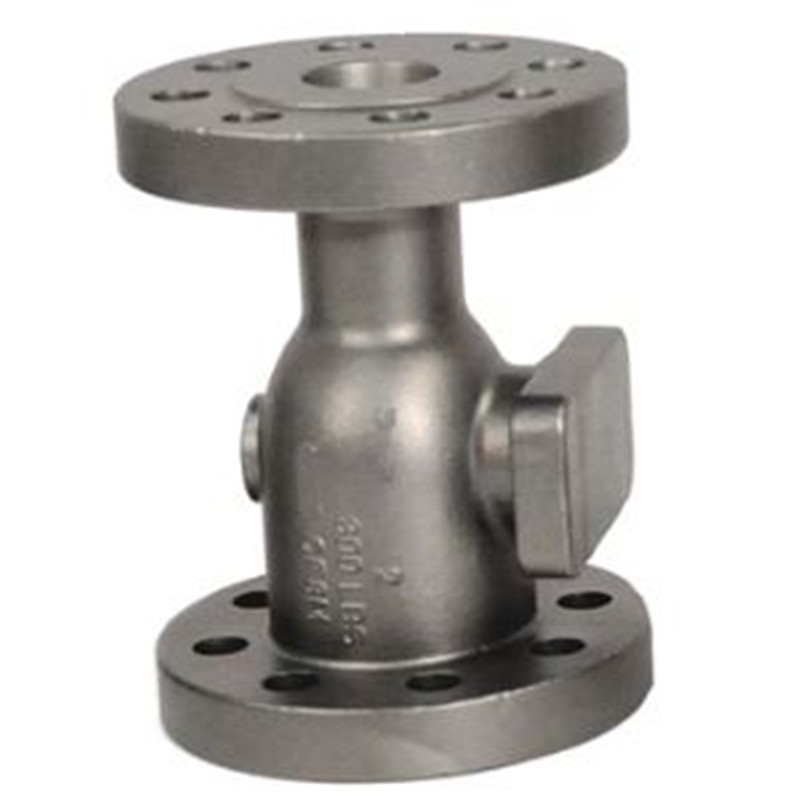
Product visual for reference (single-view).
Cast iron offers damping and wear resistance that steels sometimes lack; steels bring toughness. Many customers say cast iron buckles (I mean the Cast Iron Flywheel,Cast Iron And Steel family) pair nicely with steel hubs or inserts — hybrid designs give the inertia of CI and the shear strength of steel. In real-world use, that balance often extends service life by ≈20–40% compared with cheap stamped parts.
Common standards: ASTM A48/A536 (cast iron), ISO 8062 (geometrical tolerances), ISO 1940 (balancing).
|
Spec |
Value (typical) |
|
Material |
Gray cast iron (EN-GJL-200) or ductile (GJS-400); steel inserts C45 |
|
Weight range |
≈ 2–120 kg (custom available) |
|
Hardness |
HB 150–220 (depending on grade) |
|
Tolerances |
Machined faces H7; bores H8; balance grade up to G2.5 |
|
Lead time |
≈ 15–45 days (project dependent) |
|
Vendor |
Materials |
MOQ |
Certs / Notes |
|
Mingda Metals |
Cast iron, ductile iron, steel inserts |
Small batches accepted |
ISO 9001, QC reports, sample testing |
|
Local job shop |
Varied; small runs |
Often 10–50 pcs |
Less formal certs; quicker turn |
Typical uses: automotive flywheels, generator rotors, conveyor pulleys, and agricultural machinery. Test data commonly cited: dynamic balancing to ISO 1940, MT/UT to rule out cracks, hardness and tensile tests per ASTM. Customers often report quieter operation and longer-bearing life with cast iron flywheels — surprisingly good noise damping is a standout benefit.
If you want a hybrid: consider a ductile iron disc with a heat-treated steel hub. I guess that's the sweet spot for many OEMs.
If you need drawings, balance specs, or a quote, mention desired material and tolerance — vendors like Mingda Metals can usually provide samples and test certificates.