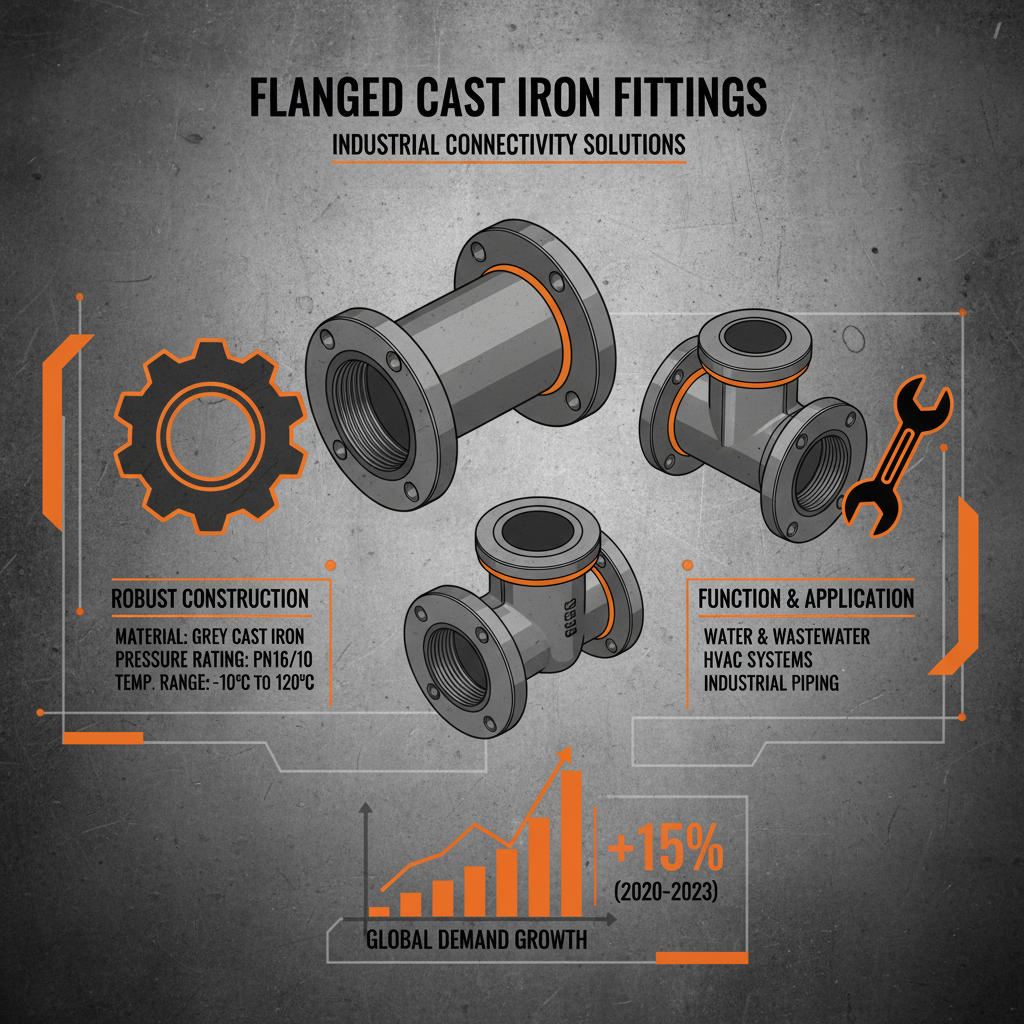
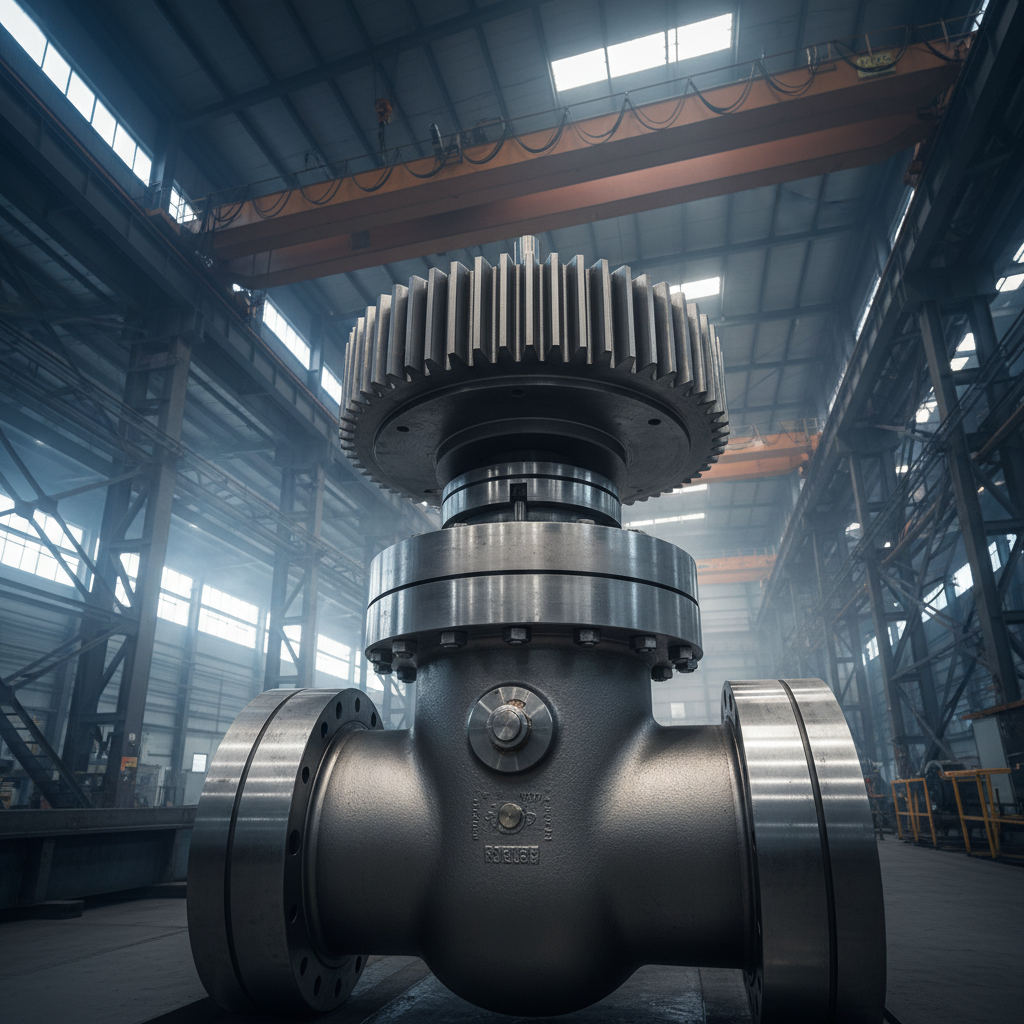
Flanged cast iron fittings are essential components in a wide range of piping systems, historically and continuing today. Their robust construction and reliable sealing properties make them a cornerstone of infrastructure across numerous industries, from water and wastewater treatment to chemical processing and even HVAC systems. Understanding the characteristics, applications, and future of these fittings is crucial for engineers, procurement specialists, and anyone involved in maintaining and developing critical infrastructure.
Globally, the demand for robust and cost-effective piping solutions remains high, driven by population growth, industrial expansion, and aging infrastructure in developed nations. The United Nations estimates that billions of dollars are needed annually to improve water and sanitation infrastructure globally, a need where flanged cast iron fittings play a vital role. Furthermore, the increasing emphasis on sustainable infrastructure and responsible resource management necessitates durable, long-lasting components—a key strength of cast iron.
These fittings, distinguished by their flanged connections, offer a significant advantage over other joining methods, particularly when frequent disassembly for inspection or maintenance is required. They provide a secure and leak-proof seal, are capable of withstanding high pressures and temperatures, and represent a time-tested solution for fluid conveyance. The adaptability of flanged cast iron fittings contributes to their widespread use.
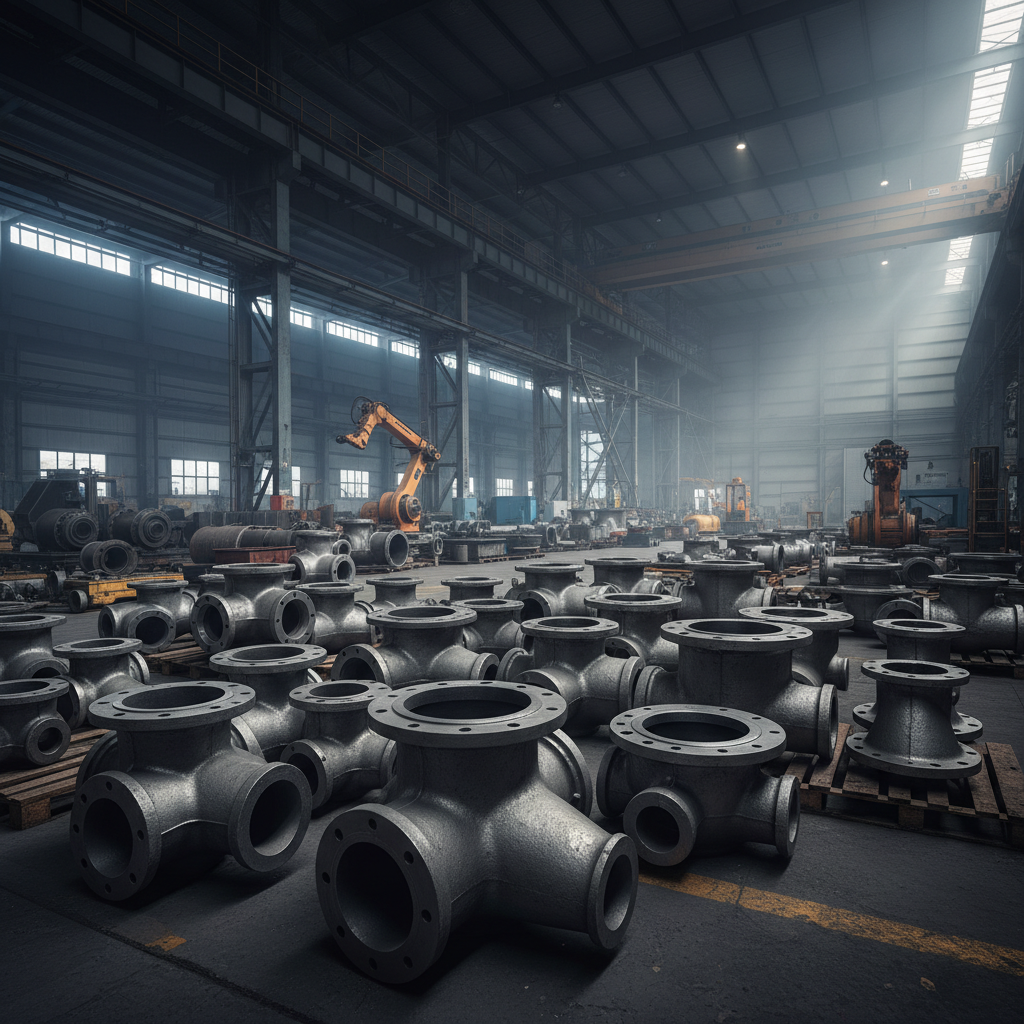
Flanged cast iron fittings are an enduring presence in piping systems worldwide, prized for their strength and reliability. Their ability to create a secure, leak-proof connection makes them indispensable in industries requiring safe and efficient fluid transfer. The widespread use of flanged connections simplifies maintenance and allows for easy inspection of pipelines, contributing to longer operational lifespans.
These fittings, though seemingly simple in design, represent a significant advancement in fluid conveyance technology. They have evolved over decades, with improvements in casting techniques and materials leading to increased performance and durability. The versatility of flanged cast iron fittings makes them suitable for a broad spectrum of applications, including water distribution, sewage systems, and industrial processing.
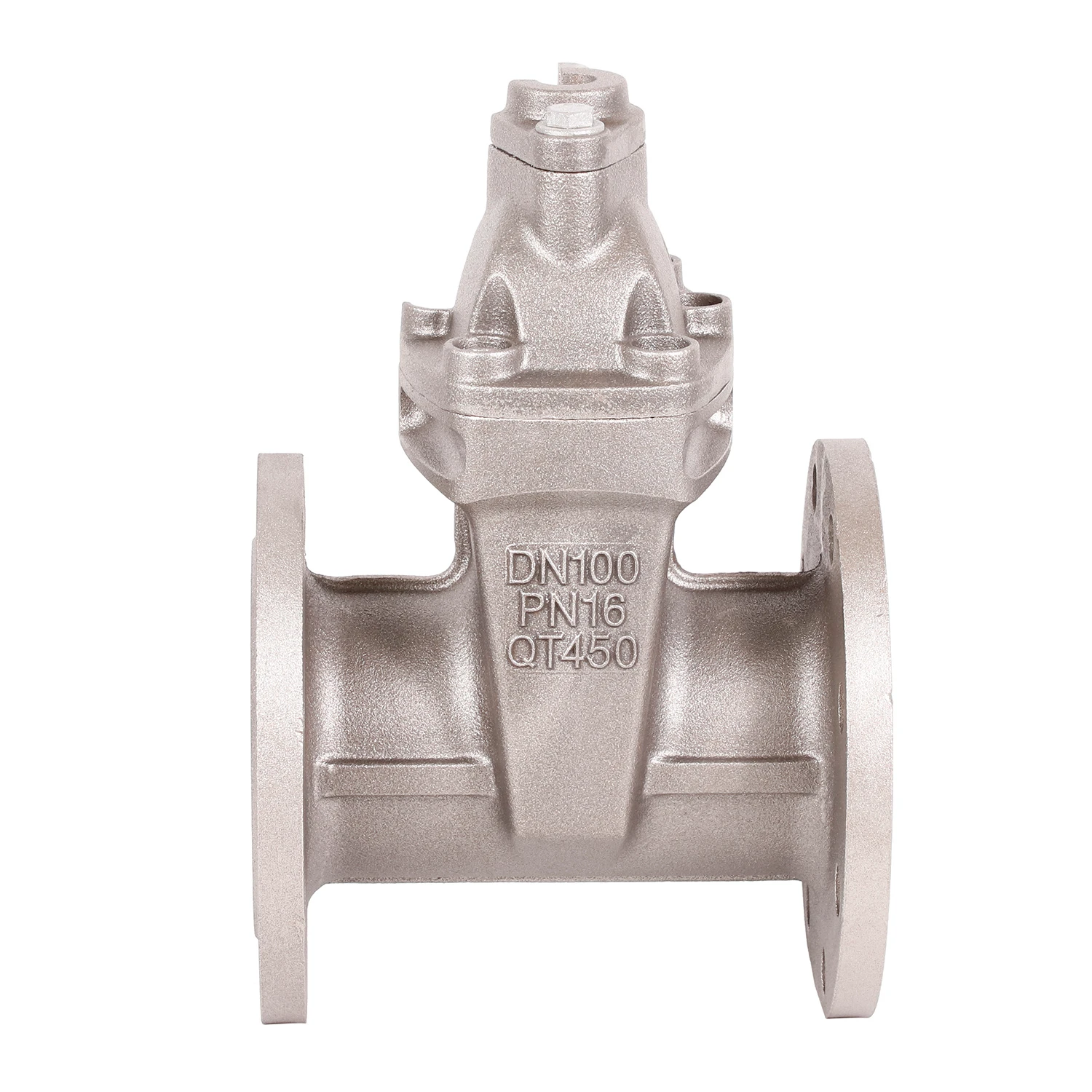
A flanged cast iron fitting is a pipe component manufactured from cast iron and featuring an outward-extending flange. These flanges are typically drilled with bolt holes to facilitate connection to mating flanged fittings, valves, or equipment. The flanges create a secure joint when bolted together with a gasket between them, ensuring a tight seal. Cast iron, an alloy of iron, carbon, and silicon, provides excellent strength, durability, and resistance to corrosion.
Unlike welded or threaded connections, flanged fittings allow for easy disassembly without damaging the piping system. This is particularly valuable in applications where regular maintenance, inspection, or component replacement is necessary. The ability to quickly disconnect and reconnect sections of pipe minimizes downtime and reduces maintenance costs.
Their importance extends beyond simple plumbing. Flanged cast iron fittings are integral to the reliable transport of essential resources, playing a role in both public health and industrial productivity. Their enduring presence signifies a cost-effective and dependable solution for fluid handling.
The core strength of flanged cast iron fittings lies in a combination of material properties and design features. First and foremost is the inherent durability of cast iron, offering excellent resistance to wear, corrosion, and impact. This translates to a long service life, minimizing the need for frequent replacements and reducing lifecycle costs.
Secondly, the flanged connection method provides exceptional sealing capabilities. When combined with an appropriate gasket material, flanged joints can reliably withstand high pressures and temperatures. The large surface area of the flange allows for even distribution of clamping force, minimizing the risk of leaks. Third, cast iron possesses excellent vibration damping qualities, which are beneficial in applications where noise and vibration are concerns.
Finally, cast iron is relatively inexpensive compared to other materials used in pipe fittings, such as stainless steel or specialized alloys. This cost-effectiveness, coupled with its durability, makes flanged cast iron fittings an attractive option for a wide range of projects.
Flanged cast iron fittings find extensive use in water and wastewater treatment plants, where they are responsible for transporting large volumes of water and sewage. Their ability to withstand corrosive environments and maintain a leak-proof seal is critical in these applications. They are also commonly found in fire protection systems, providing reliable connections for sprinkler lines and fire hydrants.
In the chemical processing industry, flanged cast iron fittings are used to handle a variety of fluids, including acids, bases, and solvents. Their robust construction and resistance to corrosion make them suitable for these demanding environments. HVAC systems also rely on these fittings for circulating hot and chilled water, ensuring efficient temperature control in buildings.
The primary advantage of flanged cast iron fittings is their exceptional durability and long service life. This translates to lower lifecycle costs, as replacements are less frequent. The cost-effectiveness of cast iron itself further enhances this value proposition. Moreover, the ease of maintenance offered by flanged connections reduces downtime and labor expenses.
From a sustainability perspective, cast iron is a recyclable material, minimizing its environmental impact. The longevity of these fittings also contributes to sustainability by reducing the need for resource-intensive replacements. Reliable and robust, these fittings also contribute to the safety of piping systems, preventing leaks and potential hazards.
While traditional cast iron remains a mainstay, advancements in materials science are leading to the development of enhanced cast iron alloys with improved corrosion resistance and mechanical properties. These new alloys are better suited for harsh environments and demanding applications. Digital technologies, such as 3D printing, are also being explored for the fabrication of complex fitting designs.
Furthermore, the integration of smart sensors into flanged cast iron fittings is gaining traction. These sensors can monitor pressure, temperature, and flow rates, providing valuable data for predictive maintenance and optimizing system performance. This aligns with the broader trend of digital transformation in industrial infrastructure.
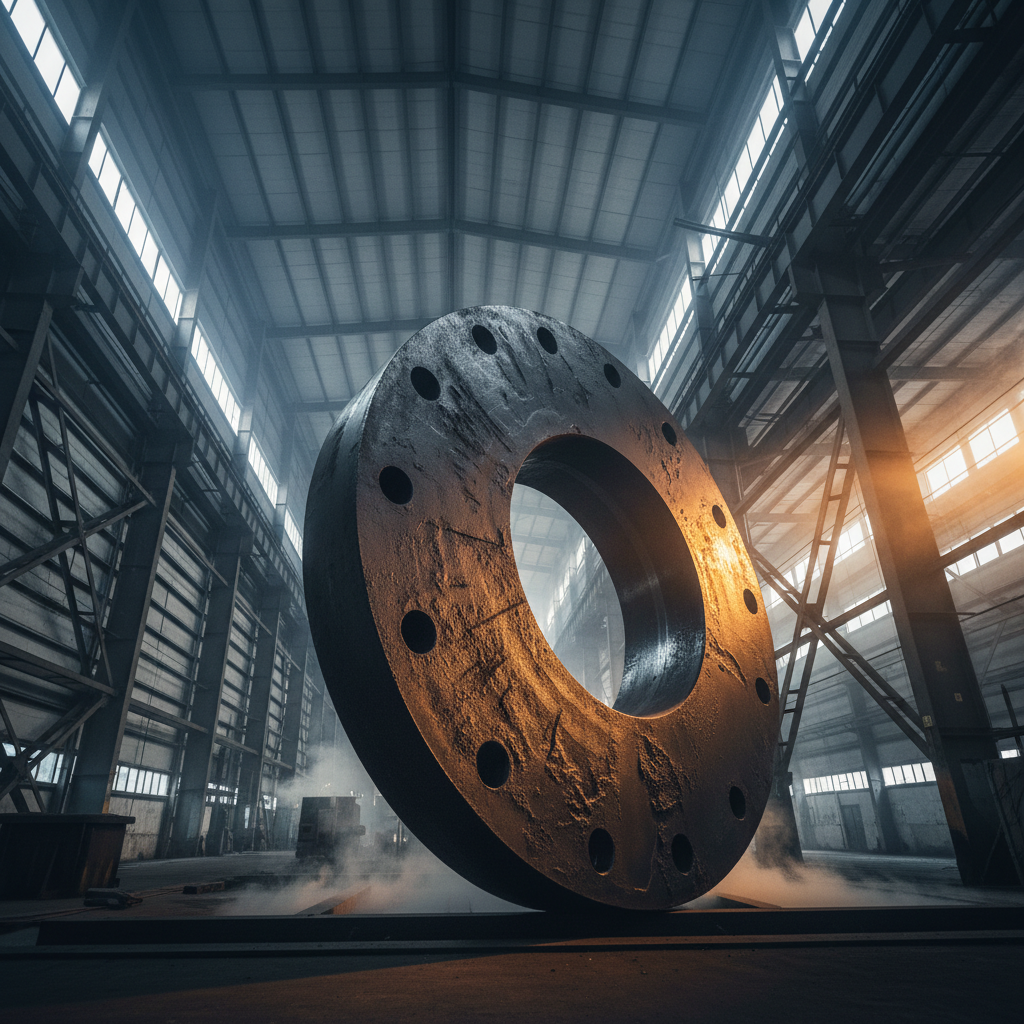
One of the primary challenges associated with flanged cast iron fittings is their weight. Cast iron is a dense material, which can make installation and handling difficult. However, this can be mitigated by using appropriate lifting equipment and employing proper installation techniques. Another challenge is the potential for corrosion, particularly in aggressive environments. This can be addressed by utilizing corrosion-resistant coatings or selecting specialized cast iron alloys.
Ensuring proper gasket selection is crucial for maintaining a leak-proof seal. Choosing the wrong gasket material can lead to premature failure and costly repairs. Adhering to industry standards and best practices for gasket selection and installation is essential. Also, while durable, cast iron can be brittle and susceptible to cracking under extreme stress; careful design and load distribution are critical.
Addressing these challenges requires a proactive approach, encompassing careful material selection, proper installation, and ongoing maintenance. Flanged cast iron fittings remain a vital part of many systems when these factors are considered.
| Application | Material Composition | Maintenance Requirements | Cost Effectiveness |
|---|---|---|---|
| Water Distribution Systems | Ductile Iron with Epoxy Coating | Periodic Inspection & Gasket Replacement | High – Low Lifecycle Cost |
| Wastewater Treatment Plants | Gray Cast Iron | Regular Cleaning & Corrosion Monitoring | Moderate – Durable Material |
| Chemical Processing Industries | Alloyed Cast Iron (Nickel/Chrome) | Specialized Coating Maintenance | Moderate - High Initial Cost |
| HVAC Systems | Standard Cast Iron | Minimal - Routine Checks | Low - Widely Available |
| Fire Protection Systems | Ductile Cast Iron | Annual Inspection & Pressure Testing | Moderate – Reliable Performance |
| Industrial Piping Networks | Cast Iron with Protective Coating | Periodic Coating Repair & Joint Tightening | High – Long-Term Savings |
Flanged cast iron fittings offer a compelling combination of durability, cost-effectiveness, and ease of maintenance. Their robust construction provides excellent resistance to wear and corrosion, leading to a long service life. They are also relatively inexpensive compared to stainless steel or specialized alloys. The flanged connection allows for easy disassembly for inspection or repair, reducing downtime and maintenance costs. Their weight and dimensional stability also contribute to their suitability in many applications.
Selecting the right gasket material is critical to ensuring a leak-proof seal. Consider the fluid being conveyed, the operating temperature and pressure, and the chemical compatibility of the gasket material with the fluid and the cast iron. Common gasket materials include rubber, EPDM, PTFE, and compressed fiber. Consult industry standards and manufacturer's recommendations for specific guidance. Incorrect gasket selection can lead to premature failure and costly repairs.
Proper installation is essential for optimal performance. Ensure the mating flange surfaces are clean and free of debris. Use a torque wrench to tighten the bolts to the manufacturer's specified torque values. Follow a star pattern when tightening the bolts to distribute the clamping force evenly. Inspect the gasket for damage before installation. And always verify that the piping system is properly aligned to prevent stress on the fittings.
Corrosion can be a concern in certain environments. Applying a protective coating, such as epoxy or paint, can significantly extend the lifespan of the fittings. Consider using corrosion-resistant cast iron alloys, such as ductile iron, for applications in harsh environments. Regular inspection and maintenance can help identify and address corrosion issues before they become severe. Proper drainage and ventilation also help to minimize corrosion.
Yes, flanged cast iron fittings can be suitable for high-pressure applications, but it depends on the specific fitting design, the material grade, and the operating conditions. Ductile iron fittings generally offer higher pressure ratings than gray cast iron fittings. Ensure the fittings are rated for the maximum operating pressure of the system. Proper gasket selection and bolt tightening are also crucial for maintaining a leak-proof seal at high pressures.
Cast iron is a recyclable material, making flanged cast iron fittings a relatively sustainable option. Their long service life also reduces the need for frequent replacements, minimizing waste. However, the manufacturing process does consume energy and resources. Choosing suppliers committed to sustainable practices can help minimize the environmental impact. Proper disposal and recycling of end-of-life fittings are also important.
In conclusion, flanged cast iron fittings remain an indispensable component in a wide range of piping systems, offering a unique balance of durability, cost-effectiveness, and reliability. Their ability to withstand harsh conditions, provide secure connections, and simplify maintenance makes them a preferred choice for countless applications, from water treatment plants to industrial processing facilities. Understanding their core properties, applications, and future trends is essential for engineers, technicians, and anyone involved in infrastructure development.
Looking ahead, continued advancements in materials science and manufacturing techniques will likely enhance the performance and sustainability of flanged cast iron fittings. The integration of smart technologies, such as sensors for monitoring and predictive maintenance, will further optimize their use and extend their lifespan. Visit our website to learn more about our wide range of flanged cast iron fittings and how we can help you meet your piping system needs.