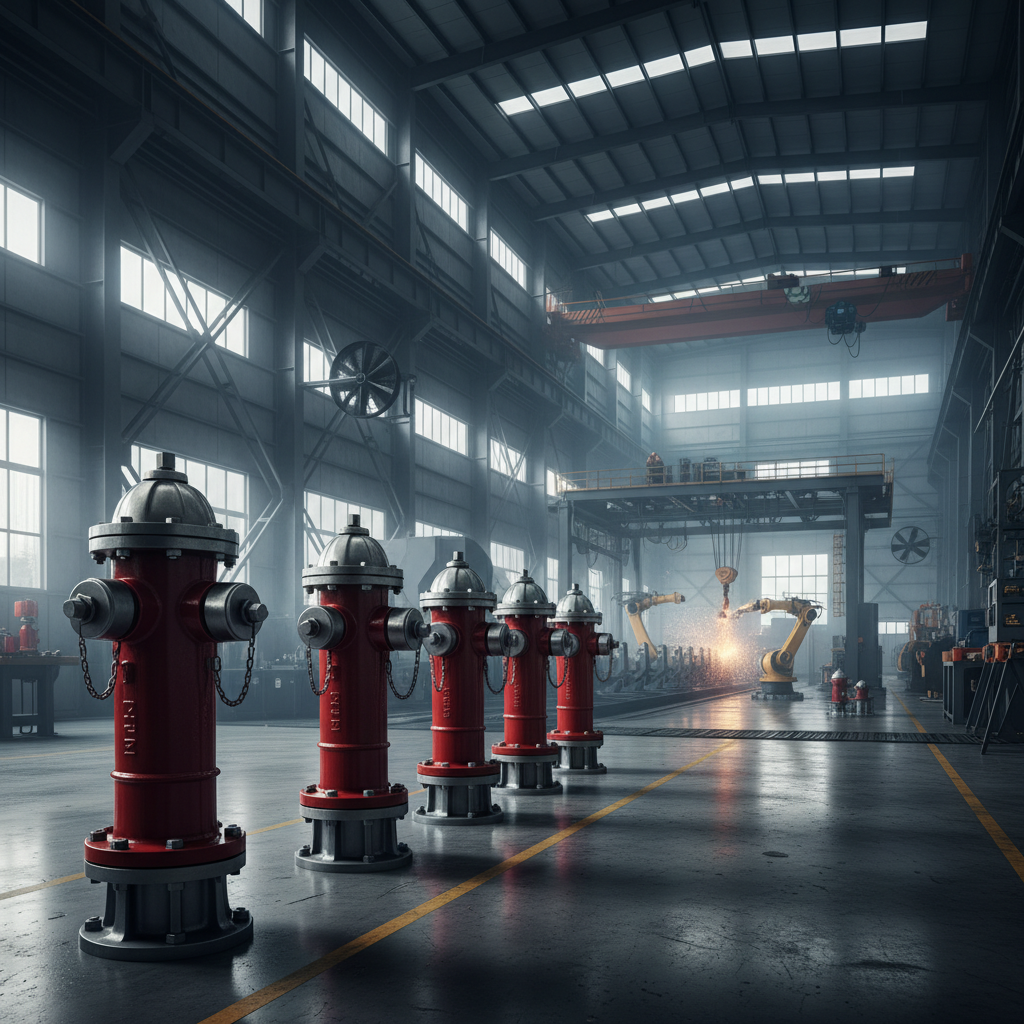
Hydrants are critical components of modern infrastructure, playing a vital role in fire suppression and public safety across the globe. These seemingly simple devices are the first line of defense in countless communities, safeguarding lives and property from the devastating effects of fire. Understanding the intricacies of hydrants, from their design and materials to their installation and maintenance, is paramount for ensuring their reliability and effectiveness. The global market for fire hydrants is continually evolving, driven by increasing urbanization, stricter safety regulations, and advancements in materials science.
The demand for robust and dependable hydrants extends beyond municipal fire departments. Industrial facilities, airports, and other high-risk environments rely heavily on these systems to mitigate fire hazards. Furthermore, the increasing frequency of extreme weather events and natural disasters has highlighted the importance of resilient infrastructure, including hydrants that can withstand harsh conditions and continue to operate reliably when needed most. The cost of inaction - a hydrant that fails during an emergency – is immeasurable.
Investing in high-quality hydrants, coupled with proactive maintenance programs, is a fundamental investment in community resilience and public well-being. This article will explore the key aspects of hydrants, their applications, advantages, future trends, and address common challenges to provide a comprehensive overview of this essential safety equipment. We at Mingda Metals are proud to contribute to this vital infrastructure by supplying key components for durable and effective hydrant systems.
The Importance of Hydrants in Modern Infrastructure
Hydrants represent a fundamental element of urban and industrial safety. Their consistent availability and functionality are directly linked to the prevention of catastrophic fire-related damages. Reliable hydrants dramatically reduce property loss, minimize injuries, and ultimately save lives. The effective integration of hydrants within a broader fire safety plan is vital for protecting communities and critical assets. At Mingda Metals, we understand the significance of this, offering high-quality components to ensure dependable hydrant operation.
The presence of strategically placed hydrants empowers firefighters to respond swiftly and efficiently to emergencies. The immediate availability of a substantial water supply minimizes the time needed to establish a water source, crucial during the initial stages of fire suppression. This rapid response capability is particularly critical in densely populated areas and industrial complexes where fire spread can be rapid and devastating.
Global Context and Regulatory Framework
Globally, fire safety regulations and standards governing hydrants vary significantly, reflecting diverse national and regional priorities. Organizations like the International Organization for Standardization (ISO) and the National Fire Protection Association (NFPA) provide guidelines and standards that are widely adopted, but local codes often impose additional requirements. Understanding these regulations is crucial for manufacturers, installers, and end-users alike. A lack of adherence can result in non-compliance and compromise safety.
The United Nations (UN) Sustainable Development Goal 11, focused on sustainable cities and communities, implicitly highlights the importance of fire safety infrastructure, including hydrants. Investment in these systems contributes directly to building resilient urban environments and protecting populations from disasters. The World Bank also supports infrastructure development initiatives that prioritize safety and disaster risk reduction.
Increasingly, governments are focusing on proactive measures such as regular hydrant inspections and maintenance programs. These initiatives are aimed at identifying and addressing potential issues before they escalate into emergencies. The implementation of smart hydrant technologies, which incorporate sensors and data analytics, is also gaining traction as a means of improving monitoring and maintenance efficiency.
Defining Hydrants: Function and Components
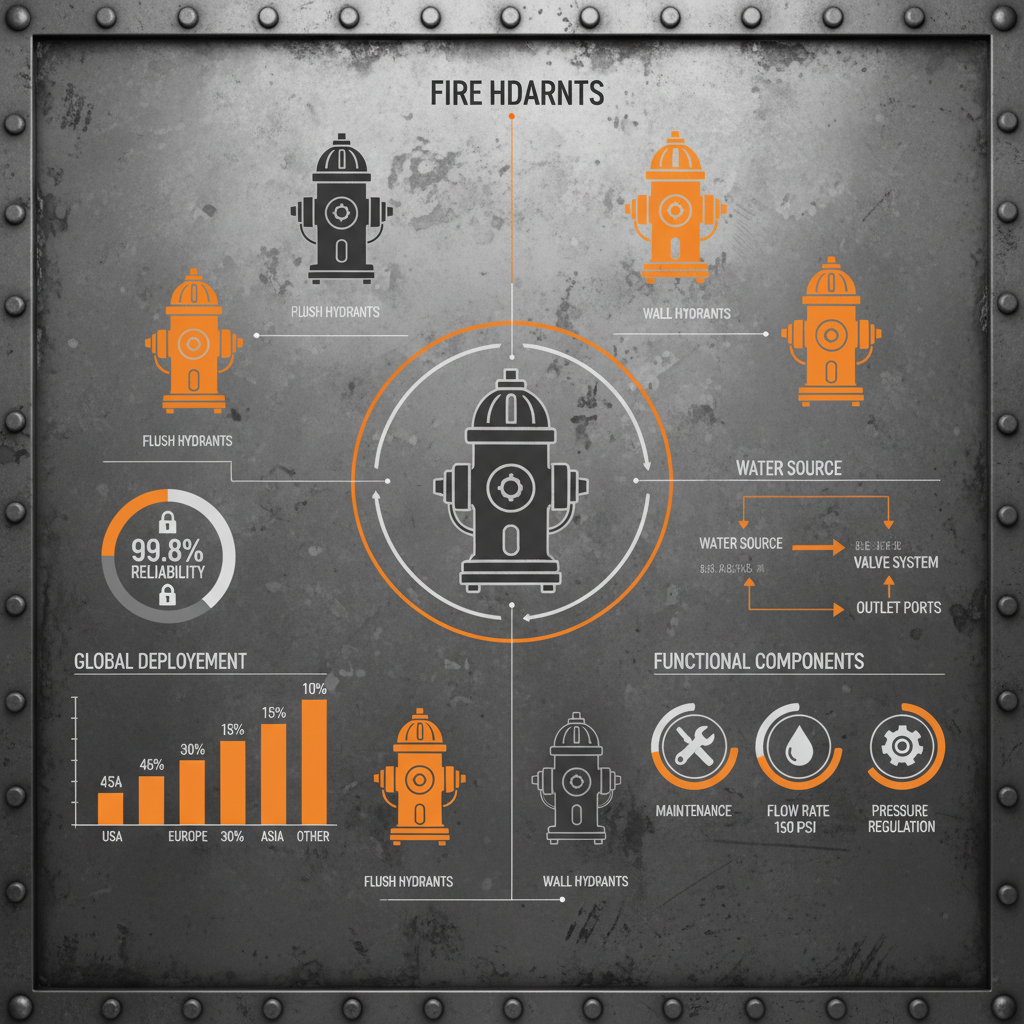
A fire hydrant is essentially a connection point to a water supply, designed to deliver large volumes of water to firefighters for suppressing fires. Typically, hydrants consist of a body, nozzle, valve, and connection to the underground water mains. The body is usually constructed from durable materials like cast iron or ductile iron, while the valve controls the flow of water. Nozzles provide access for firefighters to attach hoses.
The internal mechanisms of a hydrant are critical for its reliable operation. A main valve stem controls the water flow, and a packing gland prevents leaks. Different types of hydrants exist, including dry-barrel hydrants (where the main valve is underground and the barrel is dry when not in use) and wet-barrel hydrants (where the barrel is constantly filled with water). Choosing the appropriate type depends on the climate and specific application.
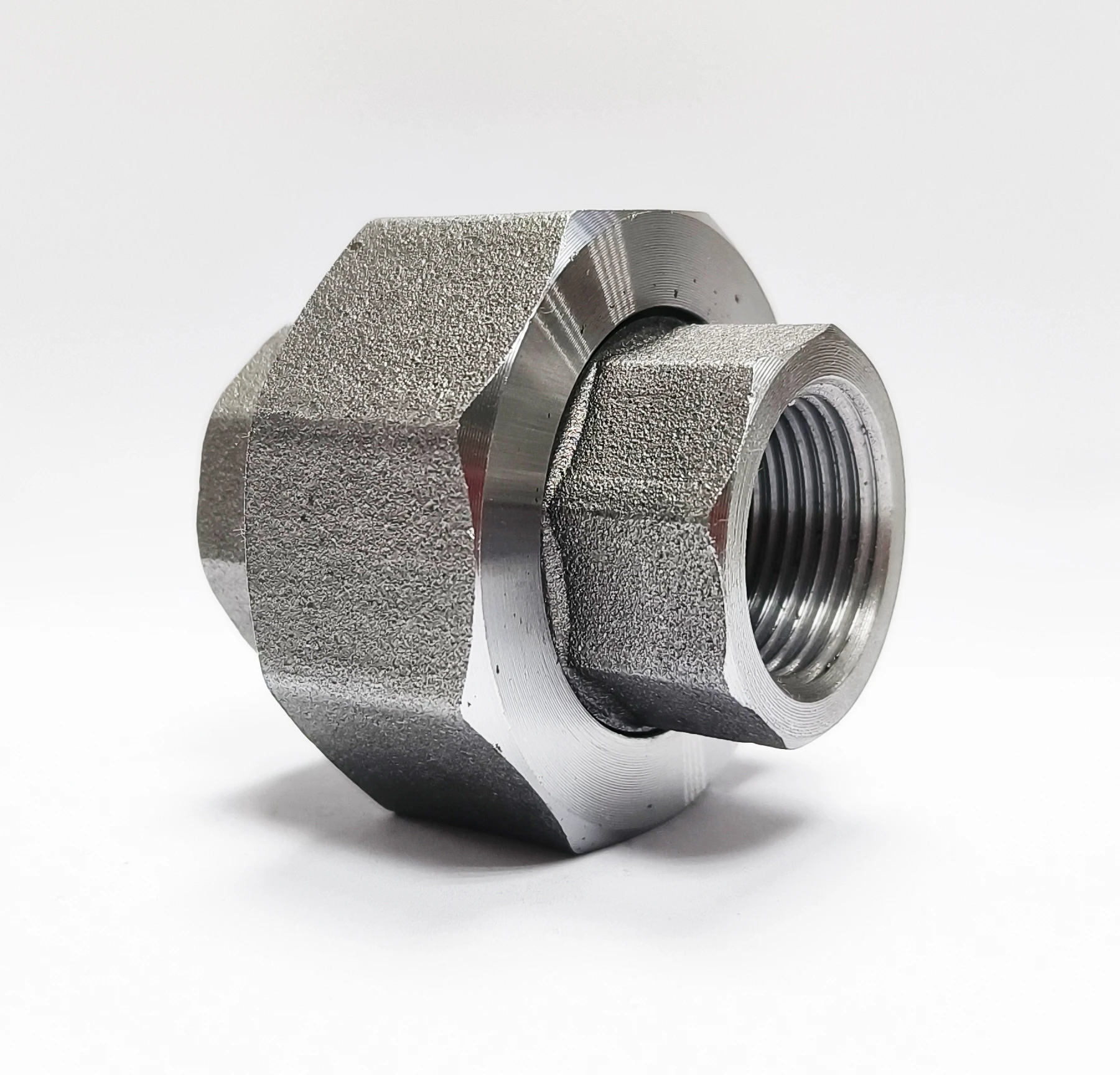
Effective hydrant operation relies on a network of underground water pipes, valves, and pressure regulators. The water supply must be sufficient to meet the demands of firefighting operations, and the system must be regularly inspected and maintained to ensure its integrity. Properly functioning hydrants are essential for a quick and effective fire response. Mingda Metals provides critical components for these vital systems.
Key Factors for Hydrant Performance
Several key factors contribute to optimal hydrant performance. First and foremost is durability, encompassing the materials used and the quality of construction. Hydrants must withstand harsh environmental conditions, including extreme temperatures, corrosion, and physical impact. Second, flow rate is crucial – a hydrant must deliver a sufficient volume of water to meet firefighting needs.
Another essential factor is ease of operation. Hydrants should be easy for firefighters to connect to and operate quickly, even under stressful conditions. Accessibility is also vital; hydrants must be readily accessible and not obstructed by vegetation or other obstacles. Finally, maintenance plays a significant role in ensuring long-term reliability. Regular inspections and preventative maintenance can identify and address potential issues before they lead to failures.
Hydrant Performance Factors
Diverse Applications of Hydrants Worldwide
Hydrants are ubiquitous across a wide range of settings. In urban centers, they are strategically positioned throughout residential, commercial, and industrial districts to provide fire protection. Rural communities also rely on hydrants, often supplemented by water tanks and booster pumps to ensure adequate water pressure.
Beyond municipal applications, hydrants are essential in industrial facilities that handle flammable materials, such as oil refineries, chemical plants, and manufacturing facilities. Airports also utilize hydrants for aircraft fire protection. In remote industrial zones, or offshore platforms, robust and reliable hydrants are crucial for ensuring the safety of personnel and assets.
Advantages and Long-Term Value Proposition
The advantages of investing in high-quality hydrants are multifaceted. From a financial perspective, effective fire suppression minimizes property damage and business interruption costs. The ability to quickly control a fire can prevent significant financial losses. From a social perspective, hydrants safeguard lives and protect communities.
Long-term, well-maintained hydrants contribute to increased property values and enhanced community safety ratings. The peace of mind knowing that reliable fire protection is in place is an invaluable benefit. Moreover, sustainable hydrant systems, constructed from durable materials and designed for longevity, reduce the need for frequent replacements, minimizing environmental impact and lifecycle costs.
The trust that communities place in their fire protection infrastructure is paramount. A reliable hydrant system fosters a sense of security and well-being. Investing in this infrastructure demonstrates a commitment to public safety and responsible stewardship of community resources.
Future Trends and Innovations in Hydrant Technology
The future of hydrant technology is being shaped by several emerging trends. Smart hydrants, equipped with sensors and IoT connectivity, are enabling remote monitoring of water pressure, flow rates, and hydrant status. This data can be used to optimize maintenance schedules, detect leaks, and improve overall system performance. The integration of digital twins – virtual replicas of physical hydrants – allows for predictive maintenance and optimized asset management.
New materials, such as advanced polymers and corrosion-resistant alloys, are being explored to enhance the durability and longevity of hydrants. Research is also focused on developing more efficient and sustainable water delivery systems, reducing water waste and minimizing environmental impact. These innovations will play a vital role in building more resilient and sustainable communities.
Additionally, advancements in automation and robotics are streamlining the inspection and maintenance processes, reducing labor costs and improving efficiency. These technologies will become increasingly important as cities and industries seek to optimize their infrastructure investments.
FAQS
Modern hydrants are predominantly constructed from ductile iron due to its superior strength, corrosion resistance, and durability. Other materials commonly used include brass for valve components, stainless steel for internal parts requiring high corrosion resistance, and various polymers for seals and gaskets. The selection of materials is dictated by the specific environmental conditions and performance requirements.
Hydrants should be inspected at least annually, and preferably twice a year, to ensure their operational readiness. Routine maintenance should include flushing the hydrant to remove sediment, lubricating moving parts, and inspecting for leaks or corrosion. A comprehensive maintenance program also includes exercising the valve to verify proper operation and documenting all inspection and maintenance activities.
A properly maintained fire hydrant can have a lifespan of 50 years or more. However, this is contingent on regular inspections, preventative maintenance, and the environmental conditions it is exposed to. Factors such as soil corrosivity, water quality, and climate can all affect the lifespan of a hydrant. Proactive maintenance significantly extends the operational life.
Water pressure is a critical factor affecting hydrant performance. Insufficient water pressure can significantly reduce the flow rate, hindering firefighters' ability to suppress fires effectively. Maintaining adequate water pressure requires a well-designed and maintained water distribution system, including booster pumps where necessary. Regular pressure testing is essential.
Hydrants in freezing climates face unique challenges, including the risk of freezing and damage to internal components. Dry-barrel hydrants are commonly used in these regions, as the main valve is located underground, preventing water from freezing within the barrel. However, proper draining and winterization procedures are crucial to prevent damage. Insulation and heat tracing can also be employed.
Standardization, such as adherence to NFPA and ISO standards, is crucial for ensuring hydrant compatibility. Standardized thread sizes and nozzle configurations allow firefighters to quickly and easily connect hoses from different manufacturers. This interoperability is essential during mutual aid responses and complex firefighting operations. Consistent standards also simplify maintenance and replacement procedures.
Conclusion
Hydrants are indispensable components of our collective safety infrastructure, playing a critical role in protecting lives and property from the devastating effects of fire. Understanding their design, operation, and maintenance is paramount for ensuring their reliability and effectiveness. From the materials used in their construction to the emerging technologies shaping their future, a comprehensive approach to hydrant management is essential.
Looking ahead, the integration of smart technologies, the development of sustainable materials, and a commitment to proactive maintenance will be key to building more resilient and safe communities. Mingda Metals is dedicated to providing high-quality components and supporting innovation in the hydrant industry. Visit our website at hydrants to learn more about our products and services.