Phone:
+86 18631189888

Email:
liyanhui@bestcastings.cn


When you think about a sturdy roof, most minds wander to tiles, shingles, or panels. But oddly enough, the humble galvanized coil roofing nails often play a pivotal role in protecting homes worldwide. Understanding their importance is not just for builders; it’s a vital piece in the puzzle of global infrastructure and humanitarian relief efforts.
Roofing nails are everywhere—from cities in the US to rural areas in Southeast Asia. The galvanized kind, coated with a zinc layer to resist rust, are especially crucial where weather conditions can be harsh. According to the ISO standards and recent reports from the World Bank, corrosion-resistant materials improve the longevity and safety of housing.
Yet, global challenges remain. Many regions face rapidly changing climates, where rain and humidity accelerate metal degradation. This makes reliably protective fasteners like galvanized coil roofing nails invaluable, particularly in emergency housing or long-standing construction needing resilience.
Mini takeaway: Using galvanized coil roofing nails improves structural durability across differing climates, addressing widespread issues in housing longevity worldwide.
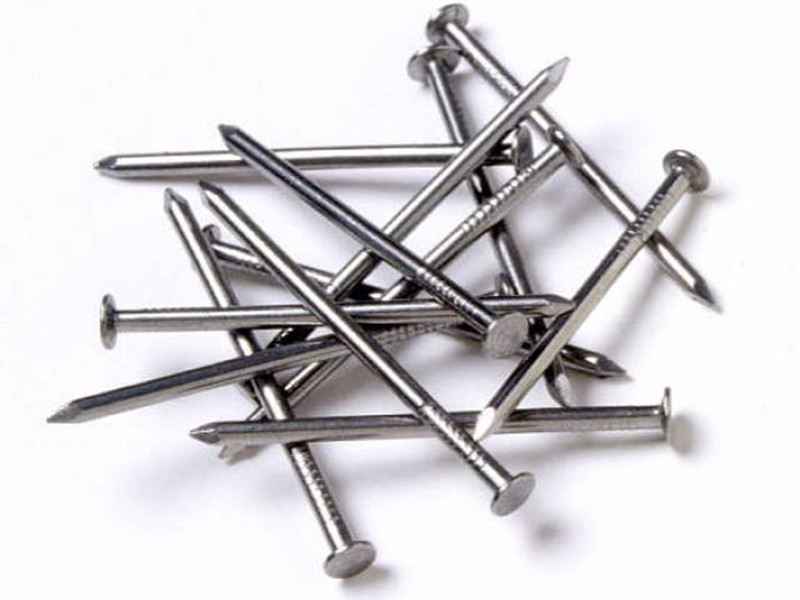
Put simply, these are nails made of steel wire wound tightly in coils, dipped or coated in zinc (galvanized) to protect against rust and corrosion. They’re specifically designed for fastening roofing materials like shingles, tiles, metal sheets, or membranes efficiently.
Imagine a coil loaded into a nail gun — it saves lots of time for roofers compared to hand-driving each nail. This combination of speed and protection links directly to modern construction demands for durability and efficiency. Plus, in disaster relief settings, their reliability supports quick, safe shelter setup.
Thanks to the zinc galvanization, these nails withstand corrosion for years — even decades. This extends the lifespan of roofing and keeps water out.
CoILS are suited perfectly for pneumatic guns, meaning large-scale projects get done faster — crucial where roofing labor is tight.
While a bit pricier upfront than plain nails, their longevity and installation speed offset overall costs. Plus, less roof repair means savings down the road.
They mesh well with varied roofing materials, from asphalt shingles to metal roofs, creating versatile options for builders worldwide.
Nails with spiral or ring shanks (common in these coils) resist pull-out better than smooth nails, improving wind resistance and occupant security.
| Parameter | Value/Range |
|---|---|
| Material | Steel wire, zinc galvanized |
| Length | 1" to 2.5" (25 mm to 65 mm) |
| Diameter (Wire gauge) | 0.080” to 0.113” (18 to 15 gauge) |
| Shank type | Smooth, spiral, or ring |
| Head type | Clipped or full round |
| Coating thickness | Typically 5-10 microns zinc |
From North America’s harsh winters to Southeast Asia’s humid monsoons, galvanized coil roofing nails hold roofs together reliably:
Mini takeaway: Galvanized coil roofing nails’ combination of speed and corrosion protection makes them essential worldwide for both temporary and permanent roofing needs.
Why do so many experts advocate galvanized coil nails despite alternatives? It’s a blend of emotion and logic:
As sustainability becomes a louder conversation, manufacturers are rethinking coatings, using eco-friendlier zinc processing or even exploring bio-inspired anti-corrosion treatments. On the technology side, smart roofing fasteners embedded with RFID tags to track materials at scale are emerging.
Automation, too, will tweak coil designs, optimizing wire gauge and shapes for specific climates or materials. It's odd, but even something as simple as a roofing nail is becoming a little smarter.
Despite their benefits, galvanized coil roofing nails aren't perfect. Some challenges include:
Experts recommend sourcing nails certified to international standards (like ASTM or ISO), and performing site-specific material compatibility tests before large projects.
| Vendor | Coating Standard | Price Range (per 1000 nails) | Lead Time | Distribution Regions |
|---|---|---|---|---|
| Mingda Metals | ASTM F1667 Hot-Dip Galvanized | $60 - $85 | 2 weeks | Global |
| NailPro Suppliers | Electro-Galvanized | $50 - $70 | 3-4 weeks | North America, Europe |
| SteelFix Group | Zinc Alloy Coating | $70 - $90 | 1-2 weeks | Asia-Pacific |
Galvanized coil roofing nails resist corrosion much better, leading to longer roof life and fewer maintenance costs. The coil format speeds up installation, especially for large projects. This combination reduces both labor and durability concerns.
With proper zinc coating, these nails can last 15-30 years in humid climates before significant corrosion occurs, depending on exposure conditions. Proper roofing and maintenance extend this lifespan.
They’re very suitable for metal roofing thanks to their corrosion resistance and compatibility. Different shank types and lengths are available to match the roofing material thickness.
Yes, manufacturers offer bulk orders worldwide. It’s best to coordinate directly with reputable suppliers like Mingda Metals who understand international shipping and certification requirements.
Look at coating type, nail length, shank design, and the roofing material compatibility. Also, ensure nails meet recognized standards like ASTM or ISO for quality assurance.
In real terms, galvanized coil roofing nails might seem like minor hardware, but their impact on construction durability and safety is anything but small. If you’re involved in roofing or infrastructural projects, choosing quality galvanized coil nails means investing in longevity, efficiency, and peace of mind.
For sourcing trusted galvanized coil roofing nails that balance quality and price, visit Mingda Metals — your partner in durable roofing solutions worldwide.
Oddly enough, no roof is complete without them.