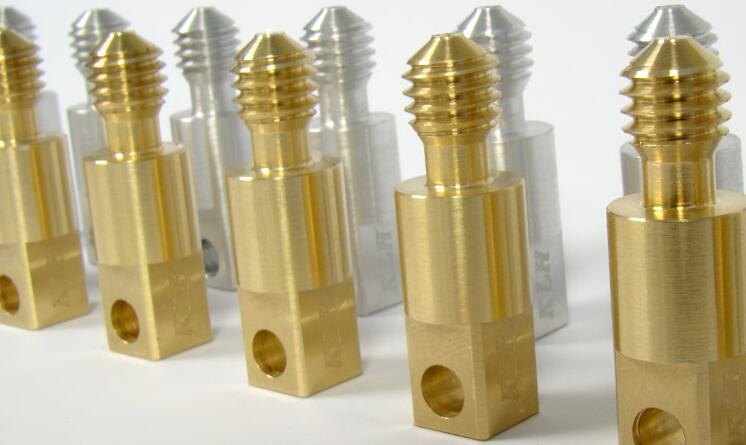
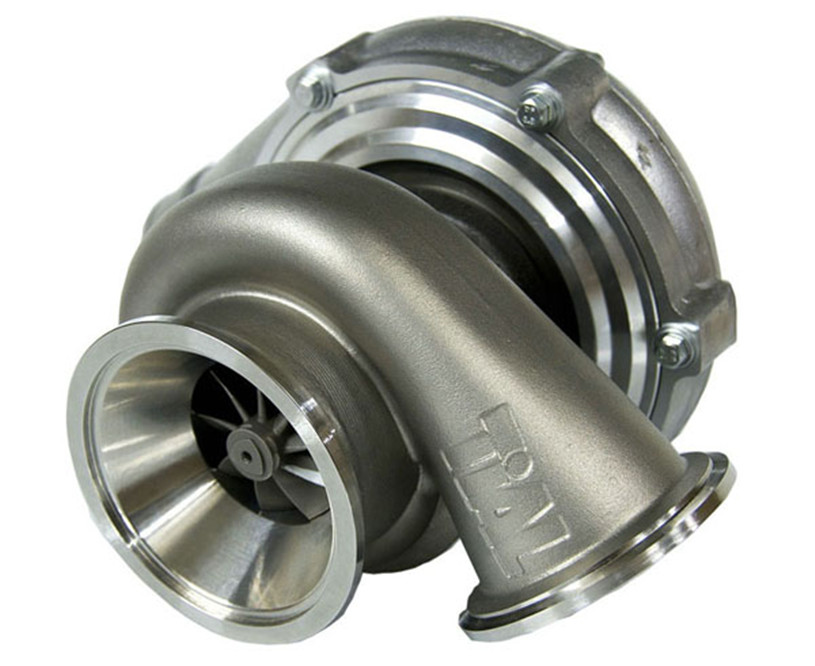
Brass Machining Parts Factory

Elbow Aluminum: Lightweight, Durable Pipe Fittings for Modern Industry

Elbow Aluminum: Lightweight, Durable Pipe Fittings for Modern Industry


Understanding Elbow Aluminum: An Unsung Hero in Modern Industry

If you’ve ever dealt with piping, infrastructure, or lightweight framing, chances are you’ve bumped into elbow aluminum. But why should we care about this unassuming metal fitting beyond its obvious bend in pipes and ducts? The short answer: elbow aluminum plays an increasingly crucial role in industries worldwide, supporting everything from aerospace to renewable energy projects. Its blend of lightweight, corrosion resistance, and adaptability has made it a foundational component that quietly knits together complex systems. Globally, demand for sustainable and efficient materials is surging. According to the International Aluminium Institute, global aluminum production grew by nearly 5% annually, fueled by industries seeking alternatives to heavier metals like steel. Here lies the big deal: elbow aluminum’s versatility isn’t just about convenience — it’s about meeting modern engineering challenges with smart, durable solutions. Mini takeaway: Elbow aluminum isn’t just a pipe fitting — it’s a key player addressing global industry’s call for lightweight, corrosion-resistant, and adaptable components.

Why Elbow Aluminum Matters Globally: Context and Challenges

On a global scale, industries face pressures to reduce carbon footprints and improve efficiency. Lightweight materials like aluminum, particularly elbow fittings, are vital for these goals. For instance, in transportation industries, reducing weight translates directly into fuel savings and lower emissions (source: International Energy Agency). The construction sector, with rising urbanization in Asia and Africa, demands materials that are quick to install yet dependable over decades. However, challenges abound: while aluminum is lighter than steel, it can be prone to stress fractures in complex bends, especially if not alloyed or treated correctly. There’s also a delicate balance in production costs and the engineering precision needed to produce elbow aluminum fittings that meet strict standards (think ISO 9001 compliance). In simple terms, elbow aluminum addresses the classic problem of combining flexibility with strength in a material that doesn’t weigh down entire systems — a small but significant puzzle piece in large-scale industrial advances. Mini takeaway: The global appetite for lightweight, efficient infrastructure elevates elbow aluminum from a niche product to an industrial solution bridging cost, sustainability, and strength.

What Exactly Is Elbow Aluminum?

At its core, elbow aluminum is a pipe or duct connector made of aluminum, designed to change the flow direction, usually at a 45° or 90° angle. It’s used to reroute liquids, gases, or wire conduits without sharp corners that cause stress or flow resistance. More than just a connector, elbow aluminum is often part of modular assemblies in sectors like HVAC, aerospace, and even remote humanitarian infrastructure. Aluminum’s corrosion resistance coupled with its light weight ensures these elbows aren’t just durable but also easy to transport and install in harsh environments. I often find it fascinating how such a simple shape can be a keystone in massively complex systems — the quiet elbow doing the heavy lifting behind the scenes. Mini takeaway: Elbow aluminum is a specialized fitting made of aluminum, designed for changing flow direction in pipes or ducts, combining lightweight and corrosion resistance for modern needs.

Core Components that Make Elbow Aluminum Tick

1. Durability

Aluminum alloys used in elbows resist corrosion, which is why they often outlast steel in harmful environments like coastal or industrial zones. Proper anodizing or coating further extends life.

2. Weight Advantage

At roughly one-third the weight of steel, elbow aluminum helps engineers cut total system mass — a huge win in transportation or remote installations.

3. Cost Efficiency

While aluminum can cost slightly more per pound than steel, savings accrue in labor (ease of installation), transportation, and maintenance over time.

4. Thermal Conductivity

Aluminum elbows handle heat transfer more effectively, beneficial for HVAC or engine systems where temperature regulation is critical.

5. Scalability

Elbow aluminum can be easily produced in varying sizes and temper strengths, meeting specifications from microdrones to oil pipelines. Mini takeaway: Durability, lightweight, cost savings, heat handling, and scalability make elbow aluminum a practical choice across diverse industrial needs.

Where in the World Is Elbow Aluminum Making an Impact?

Elbow aluminum’s global footprint stretches from the bustling aerospace hubs of the US and Europe to emerging industrial zones in Southeast Asia. In post-disaster relief, modular structures relying on aluminum elbows can be rapidly deployed, reducing setup time and logistical strain. For example, organizations in Africa have used lightweight aluminum frames with elbow connections to build temporary clinics swiftly. In remote industrial areas, such as offshore oil rigs or wind farms, elbow aluminum fittings are valued for their resistance to harsh environments where corrosion is a constant enemy. The automotive industry increasingly favors aluminum in exhaust and cooling systems, leaning on the elbows’ thermal advantages. Mini takeaway: Whether in disaster relief tents, offshore rigs, or next-gen aircraft, elbow aluminum is vital in sectors demanding strength, speed, and corrosion resilience.

Advantages and the Lasting Value of Elbow Aluminum

Let’s talk benefits beyond specs — there’s a real emotional side here. Aluminum elbows don’t just reduce costs; they can improve lives. By lowering weight and enhancing durability, they enable safer and more reliable infrastructure — from hospitals to transportation. This reliability breeds trust among engineers and clients alike. Environmentally, aluminum is highly recyclable, saving up to 95% energy compared to primary production (according to the Aluminum Association). The use of elbow aluminum helps create materials-efficient systems that align well with global sustainability targets. Plus, the speed of installation reduces downtime and labor costs, which frankly can save huge headaches in complex projects. Mini takeaway: Elbow aluminum assures safety, boosts trust, cuts environmental impact, and simplifies logistics — a compelling package that delivers long-term industrial value.

Innovations Shaping the Future of Elbow Aluminum

Material science continues evolving. New aluminum alloys infused with trace rare earth elements promise even greater strength with lightweight profiles. Digital manufacturing techniques like 3D printing now allow for on-demand elbow aluminum fittings customized for unique applications — a game-changer in fields like aerospace or medical gas delivery. Green policies push for lower embedded carbon in materials. Aluminum supply chains are becoming cleaner through renewable energy integration, and circular economy models encourage reprocessing elbow aluminum without loss of quality. Automation in assembly lines is trimming production times and errors, making high-quality elbows more accessible worldwide. Mini takeaway: From alloys to 3D printing and greener supply chains, elbow aluminum’s future looks lighter, smarter, and more sustainable.

Overcoming Challenges in Using Elbow Aluminum

Despite all its perks, elbow aluminum isn’t perfect. Its susceptibility to galvanic corrosion when coupled improperly with other metals can undermine system integrity. Also, precise manufacturing tolerance is critical — poorly made elbows can cause leaks or flow turbulences. Engineers often need to insist on certified vendors and rigorous testing standards. Some budget-sensitive projects hesitate with upfront costs, even though life-cycle economics favor aluminum. Strategies to overcome this include modular designs, supplier partnerships, and exploring regional manufacturing hubs to lower freight costs. Many engineers say updated training on aluminum handling and connections can make huge differences in performance and reliability. Mini takeaway: Careful alloy choice, certified production, and skilled handling solve most challenges associated with elbow aluminum use.

Frequently Asked Questions About Elbow Aluminum

Q: How durable is elbow aluminum compared to steel fittings?
A: Elbow aluminum is generally more resistant to corrosion, especially in marine or chemical environments, though steel may outperform in high-impact settings. Proper anodizing further enhances aluminum’s durability.
Q: Can elbow aluminum be used in high-temperature HVAC systems?
A: Yes, aluminum’s excellent thermal conductivity makes it suitable for HVAC applications, particularly in sections requiring heat dissipation or flow redirection.
Q: Is manufacturing elbow aluminum more expensive than steel?
A: Upfront costs can be slightly higher but are often offset by savings in installation, transportation, and longer lifespan.
Q: How can NGOs quickly procure elbow aluminum for disaster relief projects?
A: NGOs can partner with certified suppliers such as elbow aluminum providers who specialize in rapid manufacturing and export logistics for modular infrastructure components.

Product Specification Table for Elbow Aluminum

Specification Details
Material Grade 6061-T6 Aluminum Alloy
Standard Angles 45°, 90°, Custom
Wall Thickness 2 - 6 mm (varies by size)
Surface Finish Anodized / Powder Coated / Mill Finish
Operating Temperature -40°C to 150°C
Max Pressure Rating Up to 250 psi

Vendor Comparison Table: Leading Elbow Aluminum Suppliers

Feature Mingda Metals AlumTech Solutions GlobalMetal Works
Material Quality 6061-T6 Alloy, ISO 9001 5052-H32 Alloy Custom Alloys
Customization Options High (angles & sizes) Medium (standard sizes only) Low
Lead Time 2-4 weeks 4-6 weeks 6-8 weeks
Price Range $$ $ $$$
Sustainability Practices Recycling & waste reduction Limited No info

Conclusion: Why Elbow Aluminum Deserves Your Attention

So, elbow aluminum — a modest turn in the maze of modern infrastructure — is anything but trivial. It’s the kind of component that engineers quietly depend on to push boundaries of sustainability, cost-efficiency, and innovation. From remote clinics built in emergencies to fast-moving industrial plants, its role is foundational and growing. Given its advantages and the exciting future ahead, now’s a great time to explore more on lightweight aluminum fittings. For those interested, visiting Mingda Metals offers a front-row seat to quality, customizable elbow aluminum fittings shipped worldwide. Thanks for reading — sometimes the smallest bends have the biggest impact.

References

  1. The Aluminum Association – Sustainability & Recycling
  2. International Energy Agency – Transport Sector Efficiency
  3. Wikipedia – Aluminium

If you are interested in our products, you can choose to leave your information here, and we will be in touch with you shortly.