Phone:
+86 18631189888

Email:
liyanhui@bestcastings.cn


When it comes to assembling piping systems, one small component often goes unnoticed but plays a crucial role: the wholesale blind flange. These seemingly simple metal discs might look unassuming, yet they’re fundamental in ensuring safety, operational flexibility, and maintenance ease in industries worldwide.
Why does this matter on a global scale? Well, think about the vast webs of pipelines transporting oil, gas, water, and chemicals across continents—without reliable blind flanges, these systems would be prone to leaks, downtime, or catastrophic failures. Understanding wholesale blind flanges not only helps engineers and safety professionals but also gives procurement officers and project managers the insight needed for making smart choices that affect budgets, timelines, and lives.
The global piping components market is projected to grow steadily, driven by expanding infrastructure projects, especially in emerging economies like India and Brazil (source: Statista). Blind flanges are indispensable here—they enable temporary sealing of pipe ends or access points for inspection and maintenance.
ISO standards for pipe flanges (ISO 7005) cover specifications to ensure a uniform quality benchmark worldwide, which is crucial for projects that demand safety assurances across borders. Still, challenges exist—misalignment of parts, material corrosion, and pressure endurance issues plague many operations.
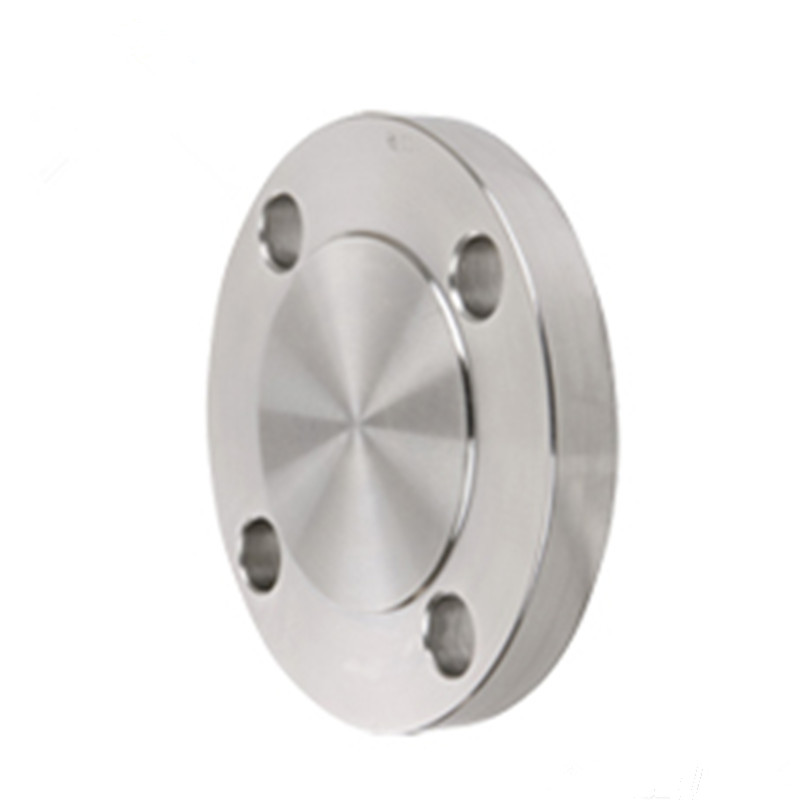
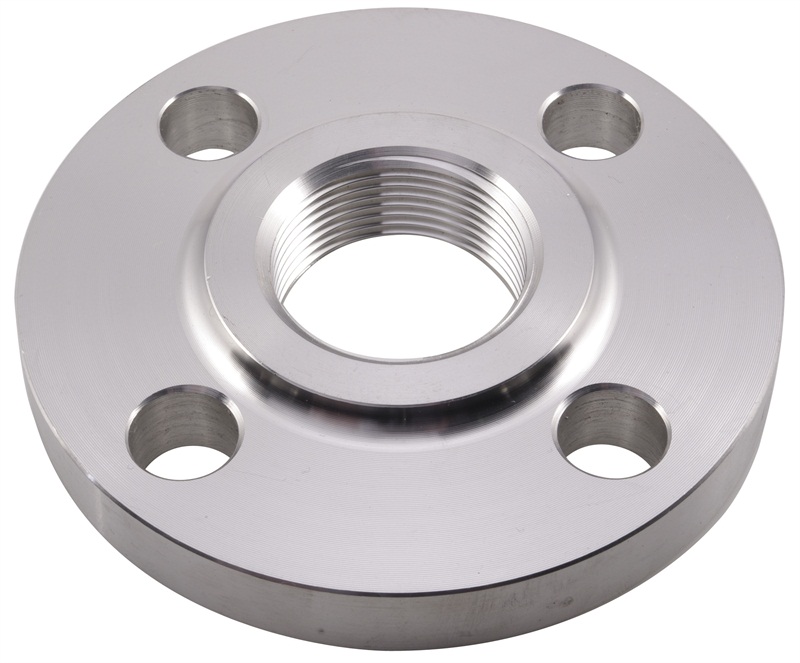
Simply put, a blind flange is a plate used for closing off the end of a piping system or pressure vessel opening. It doesn’t allow flow; instead, it “blinds” the pipe or valve, ensuring a leak-proof seal. Wholesale blind flanges come in bulk, usually catering to manufacturers, contractors, and suppliers who require large quantities at competitive prices.
They connect to the broader industrial realm by enabling system isolation for repair or testing, thus preventing downtime and environmental release of hazardous materials. Wholesale blind flange suppliers serve industries like oil & gas, chemical manufacturing, water treatment, and power generation.
Material choice governs lifespan. Stainless steel (SS304, SS316), carbon steel, alloy steel, and even exotic metals ensure resistance against corrosion, high temperatures, and mechanical stresses. Durability directly impacts maintenance schedules and safety records.
Blind flanges come rated for different pressure classes: 150, 300, 600, or even 2500 lbs. A flange used in a high-temperature refinery will differ vastly from one in a chilled water system. Matching flange specs to operational conditions is non-negotiable.
The ability to source flanges ranging from 1/2 inch to 48 inches or larger is crucial for scalability. Wholesale suppliers typically stock a broad size range to meet both small-scale and large pipeline needs.
Raised face, flat face, ring-type joint (RTJ) — these designs affect how the flange seals. Selection depends on the media handled and pressure demands.
Bulk purchasing from wholesalers reduces unit cost, crucial for large projects. Standardization by industry groups helps lower complexity and price, but customization can spike costs.
| Specification | Values |
|---|---|
| Material | Carbon Steel, Stainless Steel (SS304/316), Alloy Steel |
| Size Range | 1/2 inch to 48 inch+ Diameter |
| Pressure Class | 150, 300, 600, 900, 1500, 2500 lbs |
| Face Types | Raised Face, Flat Face, RTJ |
| Standards | ANSI, ASME, ISO, DIN |
Industries worldwide rely on wholesale blind flanges across various settings:
In disaster-stricken regions, emergency pipeline repairs use blind flanges shipped in bulk to restore water supply swiftly. Regions like Southeast Asia, with frequent typhoons, see huge demand for such components. Oddly enough, seeing a product so basic yet so vital reminds one how infrastructure resilience hinges on metal discs and knowledgeable sourcing.
| Vendor | Material Range | Size Range | Certifications | Typical Lead Time |
|---|---|---|---|---|
| Mingda Metals | Carbon Steel, SS304, SS316, Alloy | 1/2" to 48" | ISO, ASME, API | 2-3 Weeks |
| Global Flanges Ltd. | Carbon & Stainless Steel | 1" to 36" | ANSI, ISO9001 | 3-4 Weeks |
| PipeTech Supplies | Alloy steel, Some custom materials | Custom sizes | API, CE | 4-6 Weeks |
Choosing wholesale blind flanges delivers several key benefits:
There's also a subtle emotional trust component—for engineers, knowing that a flange is rated correctly and built to spec provides peace of mind. That trust, combined with the logical benefits, makes wholesale blind flange procurement a smart call.
Looking ahead, the industry is shifting towards:
Common issues include material mismatch, delayed deliveries, or improper installation causing premature failure. Expert advice stresses strict adherence to standards, supplier vetting, and onsite training. Innovative coating technologies and modular designs help extend flare durability across harsher environments.
In real terms, the humble wholesale blind flange quietly supports the backbone of countless industries, ensuring safety, operational flexibility, and cost-efficiency. For anyone managing industrial piping, understanding this component’s nuances is invaluable. If you’re looking to source reliable wholesale blind flanges that meet stringent quality standards, don’t hesitate to visit Mingda Metals — a trusted source blending quality with competitive pricing.
Quick takeaway: Investing time in understanding wholesale blind flanges pays off in safety, durability, and peace of mind over the long haul.
References: