Phone:
+86 18631189888

Email:
liyanhui@bestcastings.cn


Aluminium casting is an important manufacturing process for producing lightweight, durable, and accurately shaped components for machinery, automotive systems, industrial equipment, and other engineering applications. By forming molten aluminum into a mold or die, manufacturers can create complex geometries while reducing the amount of material removed during subsequent machining. Depending on component design, production volume, dimensional requirements, and application conditions, different casting methods can be selected to achieve the required balance of efficiency and quality. Aluminium pressure die casting is particularly suitable for repeat production of complex components, while CNC machining can be added when critical holes, threads, mounting surfaces, or other features require tighter dimensional control. For OEM buyers seeking customized aluminum die casting, the combination of suitable casting technology, secondary machining, surface treatment, inspection, and reliable production coordination can provide a complete solution for customized machinery parts.

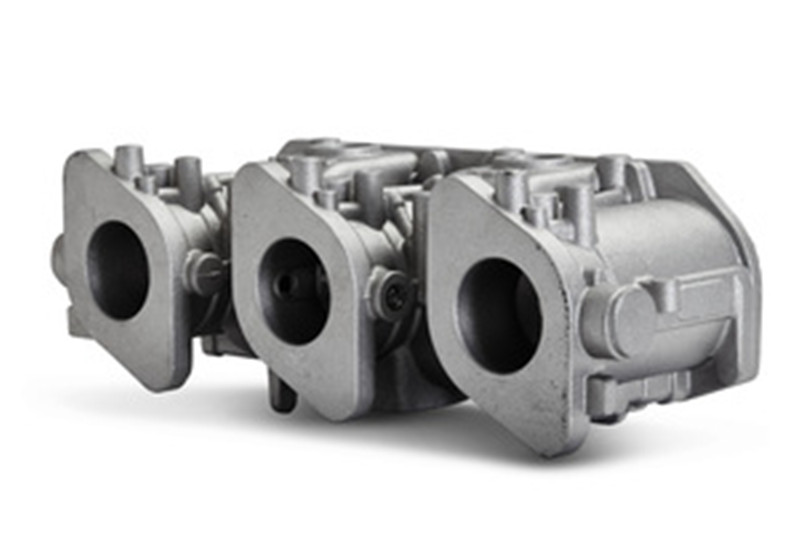
Aluminium casting provides manufacturers with considerable flexibility when producing components with complex shapes. Instead of machining the entire component from a solid aluminum block, molten aluminum is formed directly into a near-net-shape part. This can reduce machining time and material waste, especially when the finished component contains ribs, bosses, curved surfaces, recessed areas, or other complicated structural features.
The casting method should be selected according to the component's geometry and production requirements. Sand casting can accommodate a broad range of component sizes and designs, while die casting is generally more suitable for repeat production where dimensional consistency and production efficiency are important. Aluminum alloys are commonly used in casting because they combine relatively low weight with useful mechanical, corrosion-resistant, and machinable properties.
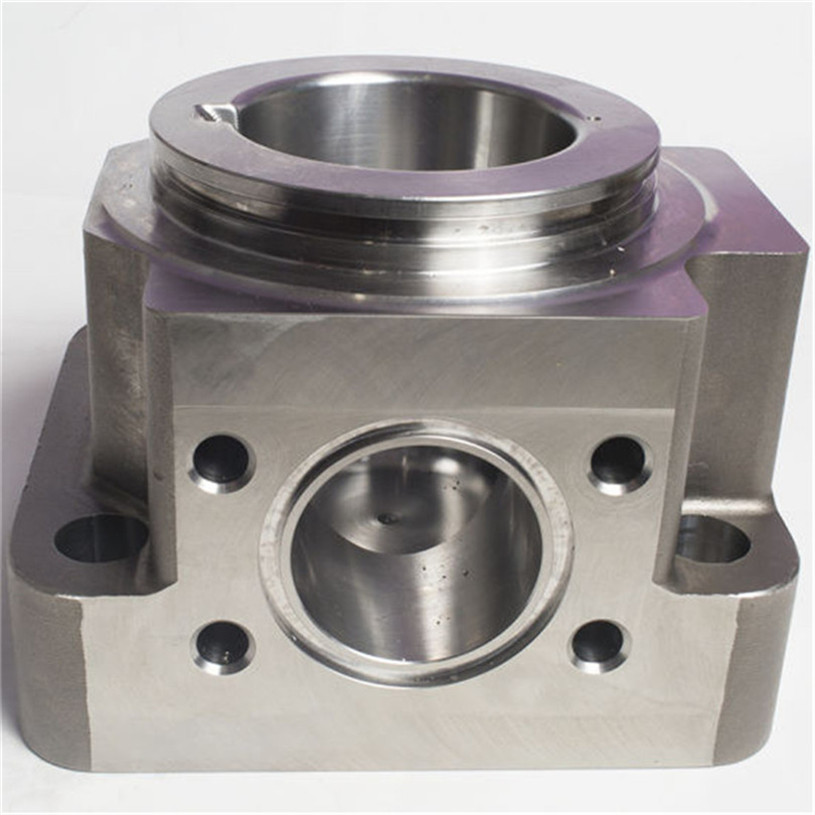
For industrial machinery, aluminium casting can be used for housings, brackets, covers, supports, frames, and various mechanical components. In applications where the casting itself cannot achieve the required precision, additional CNC machining can be used to finish functional surfaces. This approach allows the casting process to produce the main geometry while machining is concentrated on areas that directly affect assembly and performance.
The result is a manufacturing route that can be adapted to both standard industrial components and highly customized OEM parts. Rather than using one process for every project, an experienced supplier can evaluate the drawing and determine which combination of casting and machining processes is appropriate.
Aluminium pressure die casting is a specialized form of aluminium casting in which molten aluminum is injected into a reusable metal die under pressure. The process allows molten material to fill the die cavity rapidly before solidifying, making it suitable for producing repeated components with relatively complex shapes.
Die design plays an important role in the final quality of the casting. The parting line, gate system, runner design, vents, cooling channels, ejector system, and draft angles all need to be considered during tooling development. Proper die design can help improve cavity filling and reduce problems such as excessive flash, incomplete filling, dimensional variation, or other casting defects.
The design of the component itself should also be considered before tooling begins. Wall thickness, internal corners, ribs, bosses, holes, and machining allowances can affect both mold complexity and production stability. When a part requires subsequent CNC machining, sufficient material should be reserved in the casting for machining critical surfaces.
For large-volume projects with a stable product design, aluminium pressure die casting can provide consistent production and efficient cycle times. The initial tooling investment can then be distributed across a larger number of components. This makes the process particularly relevant to OEM customers with established designs and recurring production requirements.
At the same time, not every aluminum component needs pressure die casting. For lower-volume parts, larger components, or designs requiring a different manufacturing approach, other casting processes may be more appropriate. The final selection should therefore be based on the actual drawing, quantity, material requirements, and dimensional specifications.
Customized aluminum die casting starts with the customer's specific engineering requirements. OEM buyers can provide 2D drawings, 3D CAD models, samples, dimensions, tolerances, material specifications, surface treatment requirements, and estimated order quantities. These details allow the manufacturer to evaluate the component before tooling and production begin.
The casting design may require modifications to improve manufacturability. Draft angles can help the finished component release from the die, while suitable wall thickness and radius design can support more stable metal flow. Additional machining allowance may also be required for holes, mounting surfaces, threads, or sealing areas.
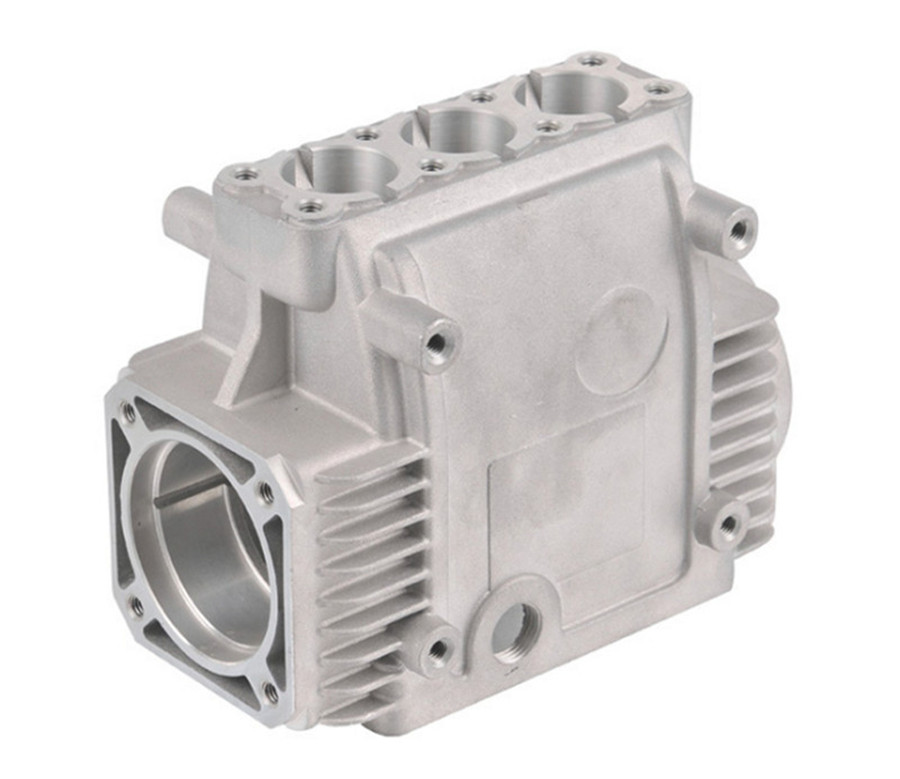
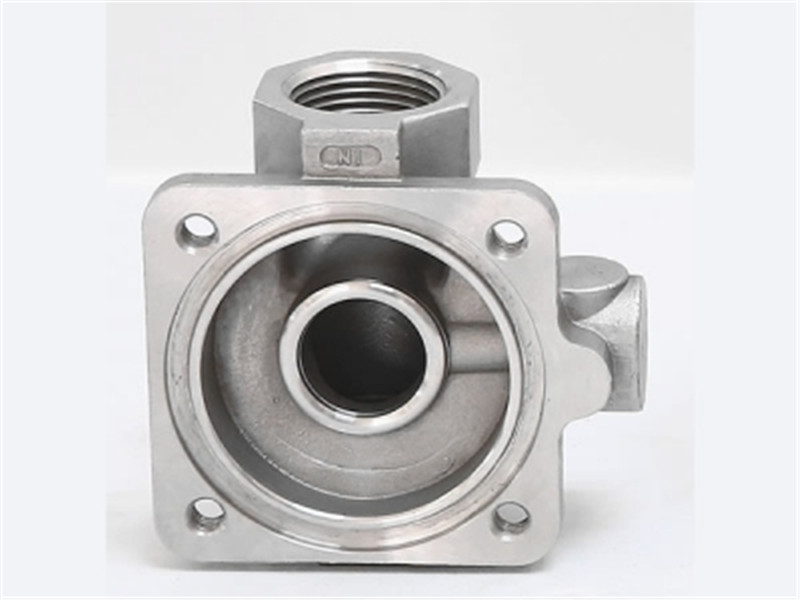
A customized component may combine complex cast geometry with precision-machined features. For example, the external housing and reinforcing ribs can be formed during casting, while mounting holes and critical flat surfaces can be completed through CNC milling or drilling. This combination reduces the need to machine the entire part from solid aluminum.
Surface treatment can also be incorporated according to the final application. Depending on the product, polishing, anodizing, deburring, or other finishing processes may be considered. The appropriate treatment depends on appearance, corrosion resistance, dimensional requirements, and operating conditions.
For this reason, customized aluminum die casting should be treated as an integrated manufacturing project rather than simply a casting order. Tooling, casting, machining, finishing, inspection, and packaging all need to work together to achieve the customer's final specifications.
For international buyers sourcing China die casting and machinery parts, aluminium casting provides a practical manufacturing option for customized industrial components that require both complex geometry and controlled weight. Aluminum can be formed into housings, brackets, covers, supports, and other machinery components through suitable casting processes, while CNC machining can be added to achieve accurate holes, threads, mounting surfaces, and other functional features. For projects requiring repeated production, aluminium pressure die casting can provide consistent component shapes and efficient production once the tooling has been properly developed. For lower-volume or more complex components, other aluminium casting methods may be considered according to the part structure and technical requirements. A reliable Chinese supplier should also be able to coordinate casting, machining, surface treatment, inspection, and packaging rather than focusing only on the initial casting stage. By providing technical drawings, material specifications, tolerances, surface requirements, and estimated quantities, OEM buyers can work with manufacturers to determine a suitable production process and receive a more accurate quotation for customized aluminium casting and machinery parts.
Hebei Mingda International Trading Company specializes in castings, forgings, and machinery parts and has established business relationships with manufacturing facilities in major cities across China. Its product range covers ductile iron, grey iron, brass, stainless steel, and aluminum castings, as well as machined castings and forged parts.
For aluminium casting projects, Mingda can arrange production according to customer drawings, samples, material specifications, dimensional requirements, and application conditions. Its manufacturing resources include different casting processes such as resin sand, sand molding, hot core box, lost-wax, and lost-foam casting, allowing the appropriate production method to be selected according to the component.
The company has extensive experience in customized castings and has supplied components for international customers in Germany, Sweden, the UK, Denmark, France, the United States, and the Middle East. Its network of manufacturing facilities allows Mingda to evaluate different production options according to drawings, quality requirements, order quantities, and delivery schedules.
Aluminium casting is a manufacturing process in which molten aluminum is poured or injected into a mold or die and then solidified to form a specific component. Different casting methods can be selected according to the part's size, geometry, production quantity, and required quality.
Aluminium pressure die casting is generally used for producing repeated aluminum components with relatively complex shapes and consistent dimensions. Molten aluminum is injected into a reusable metal die under pressure, making the process suitable for many medium- and high-volume production projects.
Yes. CNC machining can be performed after aluminium casting to improve the accuracy of selected functional areas. Common operations include milling, drilling, boring, tapping, and machining of mounting or sealing surfaces.
A customized aluminum die casting project normally begins with drawings, CAD files, samples, material requirements, tolerances, surface treatment specifications, and order quantities. The manufacturer evaluates the part design and determines suitable tooling, casting, machining, and finishing processes before production.
When comparing aluminium die casting manufacturers in China, consider their casting processes, tooling capabilities, CNC machining resources, quality control, production capacity, communication, and delivery arrangements. For customized OEM projects, a supplier capable of coordinating casting and secondary machining can simplify the overall sourcing process.