


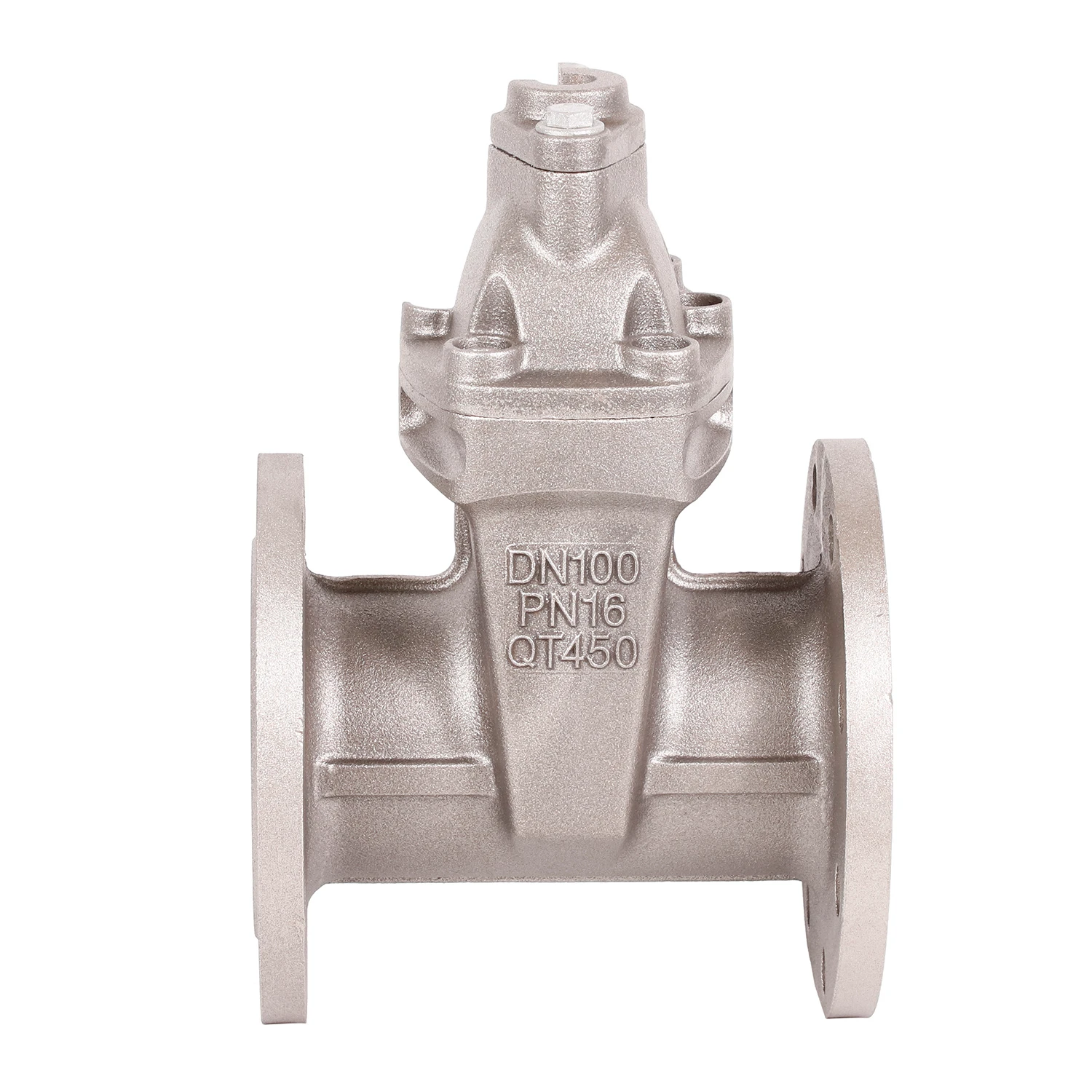

Aluminum die casting is a cornerstone of modern industrial manufacturing, enabling the production of complex, lightweight, and durable metal components. By forcing molten aluminum under high pressure into a steel mould, manufacturers can achieve high dimensional accuracy and excellent surface finishes. This process is critical for industries requiring a balance between strength and weight, such as automotive, aerospace, and heavy machinery.
For procurement managers and engineers, sourcing china aluminum die casting services requires a deep understanding of the intersection between material science and manufacturing scalability. The challenge lies in finding a partner who can bridge the gap between raw casting and a fully machined, ready-to-assemble part, while maintaining tight tolerances and consistent material integrity across large batches.
This guide provides a technical roadmap for evaluating die casting solutions. We will explore material properties, the integration of CNC precision machining, and the quality control frameworks necessary to ensure that components meet rigorous international standards. By the end of this analysis, readers will have a clear set of criteria for selecting a supplier capable of delivering high-performance aluminum components.
Aluminum Die Casting Fundamentals
The efficacy of the die casting process depends on the synergy between the alloy composition and the thermal management of the mould. Aluminum alloys are preferred for their excellent castability, corrosion resistance, and thermal conductivity. In a professional production environment, the process begins with precise alloy melting, followed by high-pressure injection into a carefully designed die. The cooling rate must be strictly controlled to prevent porosity and shrinkage, which are the primary causes of structural failure in cast parts. Beyond the basic casting, the ability to handle complex geometries—such as internal galleries for valves or reinforced ribs for structural brackets—defines the technical capability of a foundry. Modern operations integrate automated injection systems to ensure repeatability, reducing the variance between the first and ten-thousandth part produced. This foundation allows for the creation of components that serve as the skeletal structure for everything from hydraulic pumps to railway components.
Strategic Sourcing and Technical Evaluation
Selecting a manufacturing partner involves more than comparing quotes; it requires an audit of their technical ecosystem. A comprehensive solution should encompass the entire lifecycle from the raw casting to the final secondary processing, ensuring that the transition from a rough cast to a precision component is seamless and cost-effective.
Material Selection Criteria
Choosing the right aluminum alloy is critical to the part's performance. Depending on the application, the priority may shift between tensile strength, fluidity for complex shapes, or corrosion resistance. Hebei Mingda International Trading Company coordinates with various foundries to provide a range of aluminum and alloy options tailored to specific customer drawings, ensuring the material matches the mechanical requirements of the end-use environment.
| Material Type | Key Property | Primary Application | Critical Check |
|---|---|---|---|
| ADC12 / A380 | High Fluidity | Automotive Housings | Porosity Levels |
| AlSi10Mg | Strength-to-Weight | Aerospace Brackets | Grain Structure |
| Aluminum Alloy | Corrosion Resistance | Marine Components | Oxide Layer |
| Ductile Iron | High Toughness | Valve Bodies | Spheroidization |
| Stainless Steel | Chemical Stability | Medical Parts | Surface Finish |
| Brass/Bronze | Wear Resistance | Pipe Fittings | Alloy Purity |
Precision Machining Integration
Raw castings often require secondary operations to achieve tight tolerances. Integration of CNC turning and milling is essential for parts with complicated shapes. With over 10 years of experience in precision machining, capabilities include producing parts from 1mm to 300mm. This ensures that critical interfaces, such as threaded holes or mating surfaces in pumps and trucks, are machined to exact specifications after the casting phase.
Moulding Process Optimization
The choice of moulding craft—whether resin sand, lost-wax, or high-pressure die casting—is determined by the required tolerance and order volume. For instance, vacuum moulding may be selected for high-precision requirements. Optimizing the mould design reduces waste and prevents common defects like cold shuts or flashing, directly impacting the final unit cost and assembly time.
Quality Assurance Systems
A robust quality assurance system is the only way to guarantee consistency in B2B procurement. Strict quality control involves verifying material certifications and performing dimensional inspections against customer drawings. By implementing a rigorous internal QA system, suppliers can reduce the risk of rejected batches and save significant time and money for both the buyer and the manufacturer.
Surface Treatment Options
Aluminum components often require surface enhancements for protection or aesthetics. Depending on the operational environment, options may include anodizing for hardness, powder coating for corrosion resistance, or precision grinding for ultra-smooth finishes. These treatments are vital for components used in railway and train systems where environmental exposure is high.
Lead Time and Supply Chain
In industrial procurement, lead time is a critical risk factor. Standard lead times typically hover around 30 days, but flexible supply chains can compress this to 20 days in urgent cases to avoid expensive air freight. Having a network of multiple foundries allows for better capacity management and the ability to match the specific production craft to the customer's demand.
Customization Capabilities
True customization goes beyond following a drawing; it involves suggesting improvements in production craft to enhance part performance. Whether it is OEM service for bronze pipe fittings or specialized hydrant bodies, the ability to adapt the manufacturing process to the actual tolerance request ensures that the final product is optimized for its specific mechanical function.
FAQ
What is the primary advantage of aluminum die casting over other methods?
The primary advantage is the ability to produce complex, thin-walled parts with high dimensional repeatability and an excellent surface finish. Compared to sand casting, die casting offers much tighter tolerances and faster production cycles, making it ideal for high-volume industrial components where weight reduction is critical.
How do you ensure the quality of castings for critical applications like valves?
Quality is ensured through a multi-stage verification process: first, by selecting the correct material (such as ductile iron or aluminum) and moulding craft based on the tolerance request; second, by implementing strict internal quality assurance systems that check dimensions against drawings; and third, by utilizing precision CNC machining for critical mating surfaces.
Can you provide both raw castings and finished machined parts?
Yes, integrated services are available. We provide raw castings in ductile iron, grey iron, brass, stainless steel, and aluminum, as well as complete CNC precision machining services (turning, milling, and engraving) to deliver a finished component that meets the final assembly requirements.
What factors affect the lead time for custom die casting orders?
Lead time is primarily affected by mould design and fabrication, the complexity of the part, and the required secondary machining. While a standard lead time is 30 days, optimized production planning and the use of existing factory facilities can sometimes reduce this to 20 days for urgent shipments.
Which materials are best for high-pressure valve bodies?
For high-pressure applications, ductile iron is often preferred due to its higher toughness and plasticity compared to grey iron. However, for corrosion-prone environments, stainless steel or specific aluminum alloys are used. The choice depends on the pressure rating and the medium being transported.
How should I evaluate a supplier for large-scale casting projects?
Evaluate the supplier's ability to match the production craft (e.g., lost-foam, resin sand) to your specific tolerances. Check their experience in your specific industry (e.g., railway or pump manufacturing) and their capacity to handle integrated CNC machining, as this reduces the risk and cost of managing multiple vendors.
References and further reading
- International Standards for Aluminum Alloy Castings (ISO/ASTM)
- Technical Manual on High-Pressure Die Casting Process Optimization
- Guide to CNC Precision Machining for Cast Components


