The backbone of any reliable fluid handling system, a cast iron gate valve body isn't glamorous, but it’s absolutely critical. I’ve spent years on site, watching projects grind to a halt because of valve failures – often traced back to substandard materials in the body itself. It’s not about just stopping flow, it's about ensuring consistent performance, handling pressure fluctuations, and ultimately, safeguarding the entire system. cast iron gate valve body quality directly impacts project timelines and budget, and more importantly, safety. We're not just moving liquids; we’re ensuring peace of mind.
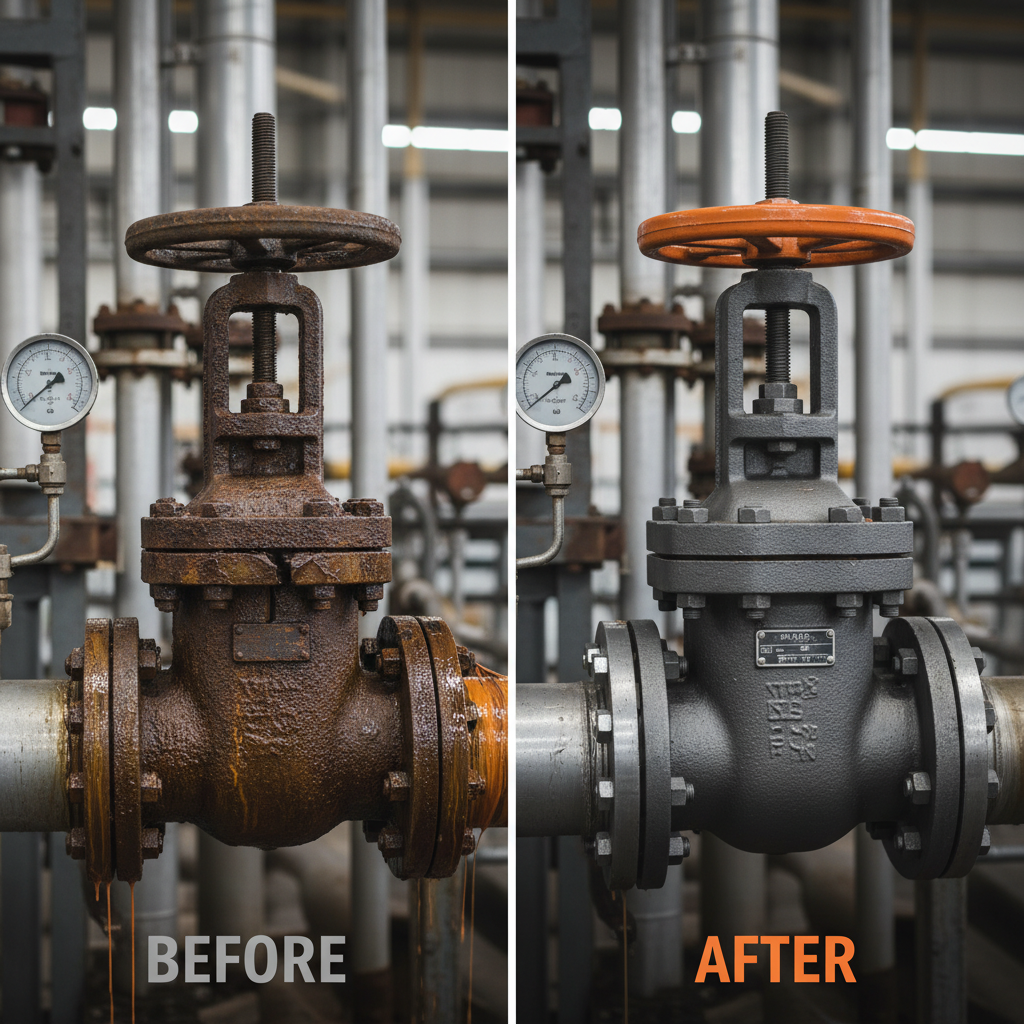
You see a lot of shortcuts taken in this industry, especially when budgets get tight. But skimping on the gate valve body is a false economy. I’ve seen too many ‘cheaper’ options corrode prematurely, crack under stress, or simply fail to seal properly. That leads to leaks, downtime, and costly repairs. And those repairs aren’t just about replacing a valve; they're often about shutting down operations, potentially causing environmental damage, and disrupting critical processes.
What’s often overlooked is the long-term lifecycle cost. A well-built cast iron gate valve body, properly specified and installed, can operate reliably for decades. It’s a foundational element, and investing in quality upfront pays dividends over the system’s lifespan. From water treatment plants to oil pipelines, understanding the nuances of these components is paramount.
The Importance of cast iron gate valve body
Let’s be clear: the cast iron gate valve body is rarely the star of the show. But it is the workhorse. I’ve seen projects delayed, even shut down, due to failure in this seemingly simple component. It's the first line of defense when you need to isolate a section of pipe, and its reliability is paramount. It is a component that quietly dictates the efficiency and safety of countless systems.
From the trenches to the control room, it's about mitigating risk. A leaking or failing cast iron gate valve body isn’t just a nuisance; it’s a potential catastrophe. Understanding its material properties, manufacturing processes, and application limitations is something every good engineer – and a savvy project manager – needs to grasp.
Global Relevance & Industry Applications
The need for reliable fluid control is universal. Whether it’s delivering potable water to a city, managing wastewater treatment, or transporting oil and gas across continents, cast iron gate valve bodies are essential. According to the World Bank, significant investments are still needed in water infrastructure globally, and valve reliability is a major component of those projects. The ISO standards for valve manufacturing are continually evolving to meet these demands.
We’re seeing increased demand in emerging economies rapidly expanding their infrastructure, particularly in Southeast Asia and Africa. But even in established markets, aging infrastructure requires constant maintenance and replacement. The sheer volume of existing installations means a continuous need for durable, high-quality valve bodies. It's a global market with a consistent demand.
The challenge is ensuring that the valve bodies used meet the specific requirements of the application and the local conditions. Coastal environments, for example, require materials resistant to saltwater corrosion. High-pressure systems demand higher strength and more precise manufacturing tolerances. Knowing your application is key.
Defining the cast iron gate valve body
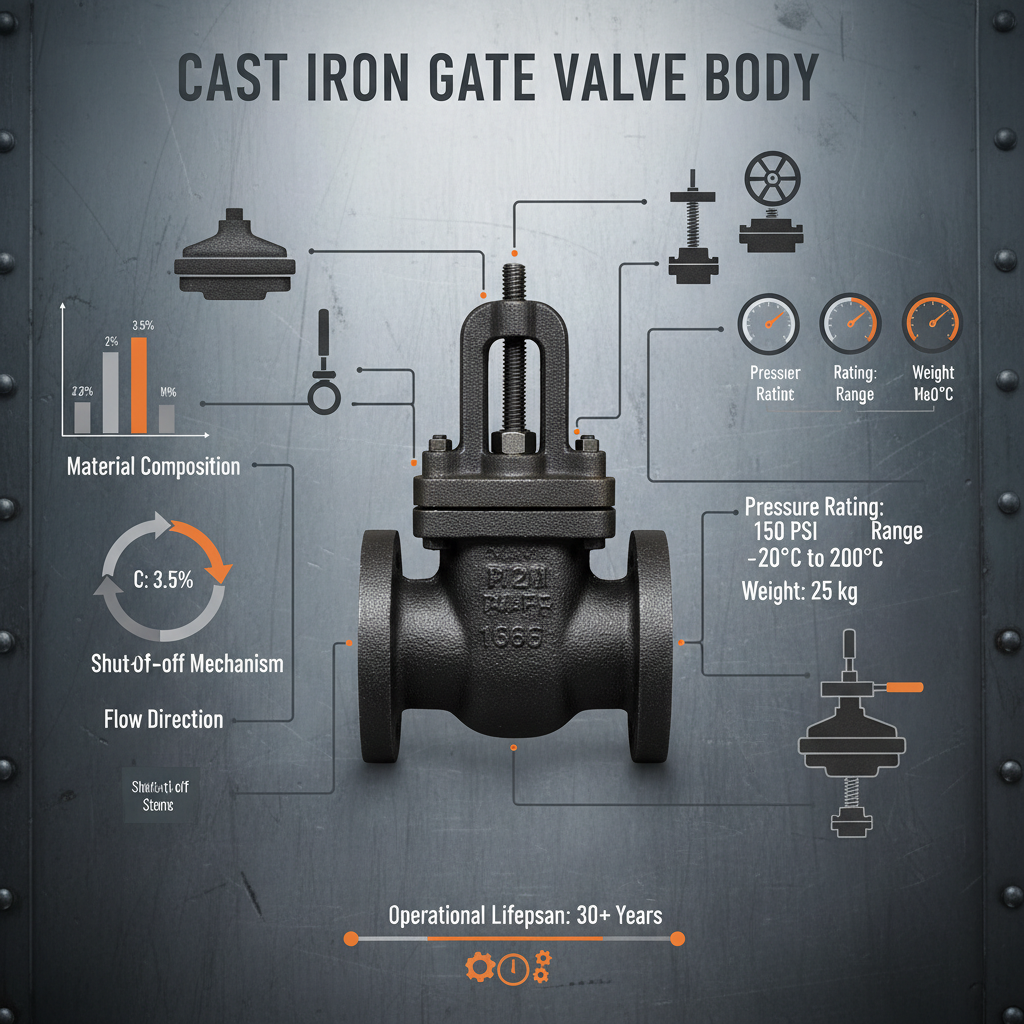
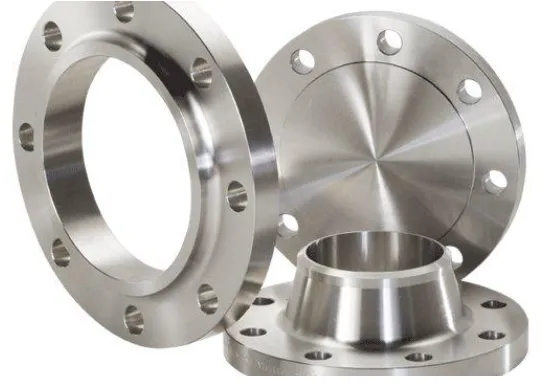
Simply put, a cast iron gate valve body is the main pressure-containing component of a gate valve. It’s the shell that houses the gate, seat, and other internal parts, providing the connection points for the pipeline. Cast iron, despite its name, is an alloy of iron, carbon, and silicon – giving it good strength, rigidity, and resistance to corrosion in many applications.
It differs significantly from valve bodies made from materials like stainless steel or ductile iron. While those materials may offer benefits in specific scenarios, cast iron provides a cost-effective solution with acceptable performance characteristics for many general service applications. Its weight and damping properties can also be advantageous in certain situations.
This isn’t just about a piece of metal; it's about a critical component of a larger system ensuring safe and efficient fluid control. Its function is to isolate or regulate the flow of liquids or gases, and its integrity is crucial for the overall performance of the pipeline or process.
Core Components & Critical Factors
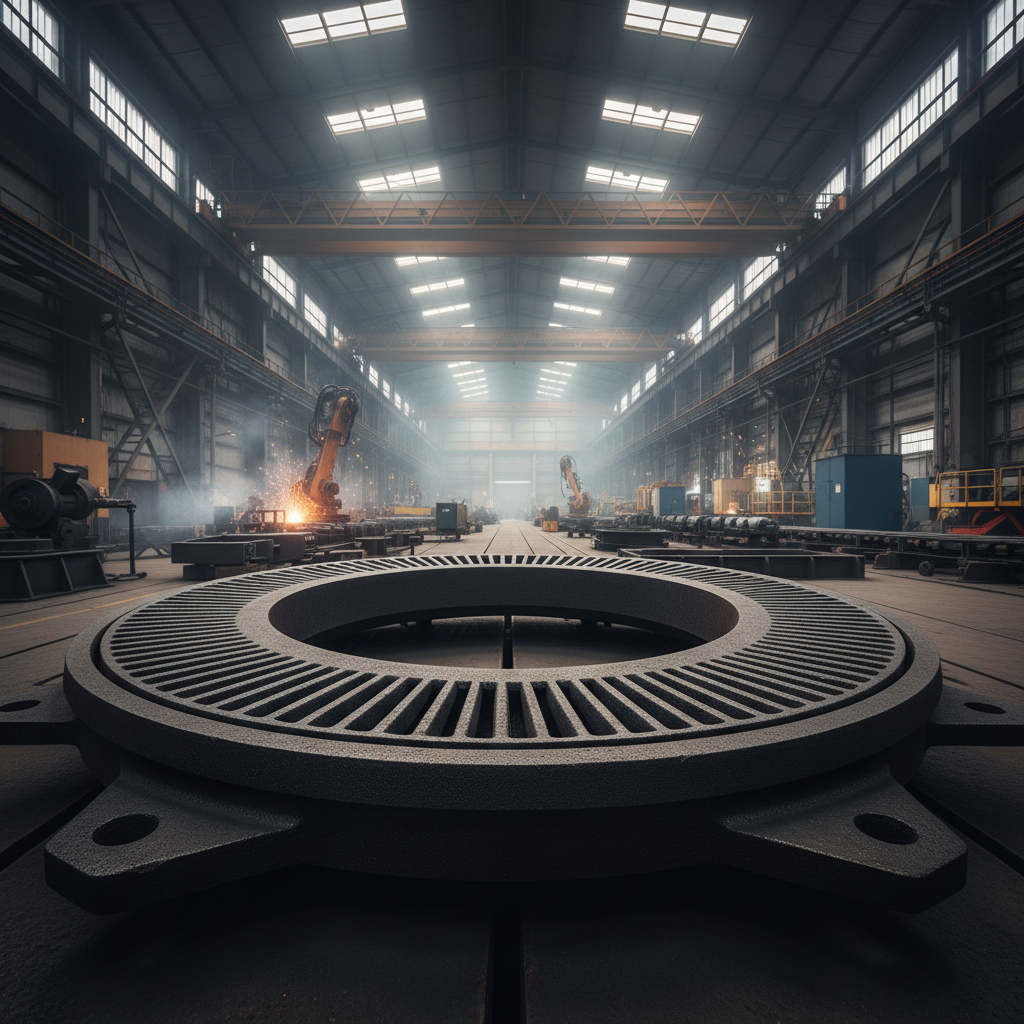
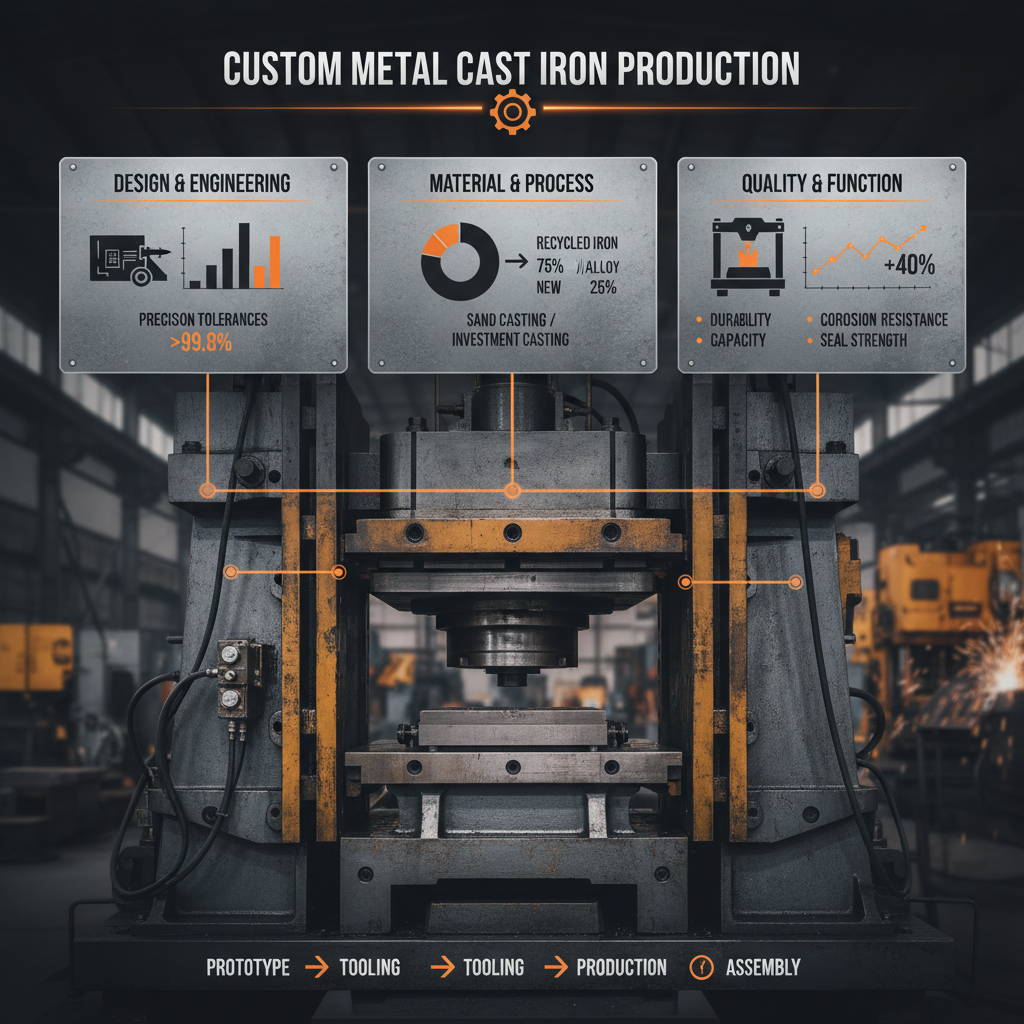
Let’s talk specifics. Durability is paramount. Cast iron, when properly alloyed and cast, can withstand significant pressure and temperature fluctuations. Scalability is also key – valve bodies need to be available in a range of sizes to accommodate different pipeline diameters. The manufacturing process, particularly the casting method, directly impacts the internal surface finish and structural integrity of the body.
Another critical factor is corrosion resistance. While cast iron itself isn't inherently corrosion-proof, coatings and internal linings (like epoxy) can significantly extend its lifespan in corrosive environments. Finally, dimensional accuracy is essential for a proper seal. Even slight imperfections in the body can lead to leaks and reduced performance.
Cast Iron Gate Valve Body Performance Metrics
Real-World Applications & Use Cases
You’ll find these valve bodies everywhere. Water treatment plants use them extensively for controlling water flow and isolating sections for maintenance. In the oil and gas industry, they’re used in pipelines and refineries, although often with specialized coatings and materials for increased corrosion resistance.
I’ve seen them in irrigation systems, power plants, and even in some industrial chemical processing facilities. In post-disaster relief operations, providing a reliable water supply often relies on robust gate valves with dependable cast iron bodies. Even in remote industrial zones, where replacement parts are hard to come by, the longevity of a well-made valve body is invaluable.
Advantages & Long-Term Value Proposition
The biggest advantage? Cost-effectiveness. Cast iron valve bodies are generally less expensive than those made from stainless steel or exotic alloys. But cost isn't everything. Their inherent strength and rigidity contribute to long-term reliability, reducing the need for frequent replacements. That translates to lower lifecycle costs.
From a sustainability standpoint, cast iron is recyclable, reducing its environmental impact. The proven track record of these components builds trust and confidence in the system’s overall performance. And let's not forget the safety aspect – a reliable valve body prevents leaks and minimizes the risk of accidents, ensuring the safety of personnel and the environment.
Future Trends & Innovations in Valve Body Technology
We’re seeing a growing interest in ductile iron, which offers higher strength and ductility than traditional cast iron. New coating technologies are also emerging, providing enhanced corrosion resistance in challenging environments. Digitalization is playing a role, with sensors being integrated into valve bodies to monitor performance and predict failures.
The push for sustainable solutions is driving research into alternative materials and manufacturing processes. Automation and advanced casting techniques are improving dimensional accuracy and reducing defects. And as the world transitions to green energy, the demand for reliable valve bodies in renewable energy systems will only increase.
The focus is on creating ‘smart’ valve bodies that can communicate their status and performance data, enabling proactive maintenance and preventing costly downtime. This is where the future of fluid control is heading.
Summary of Common Cast Iron Gate Valve Body Issues and Mitigation Strategies
| Issue |
Root Cause |
Severity (1-10) |
Mitigation Strategy |
| Corrosion |
Exposure to corrosive fluids or environments |
7 |
Apply protective coatings (epoxy, etc.), use corrosion-resistant alloys |
| Cracking |
Stress exceeding material strength, material defects |
9 |
Ensure proper material selection, conduct non-destructive testing |
| Leakage |
Poor sealing surfaces, wear and tear |
6 |
Regular maintenance, replace seals, ensure proper torque |
| Dimensional Inaccuracy |
Poor casting process, inadequate quality control |
8 |
Implement strict quality control procedures, use precision casting techniques |
| Erosion |
High-velocity fluid flow, abrasive particles |
5 |
Reduce flow velocity, use erosion-resistant materials |
| Manufacturing Defects |
Porosity, shrinkage, inclusions |
7 |
Utilize proper casting techniques, perform rigorous inspection |
FAQS
Ductile iron boasts significantly higher strength and ductility compared to standard cast iron. This means it's less prone to cracking and can withstand higher pressures and impacts. While cast iron is often a more cost-effective choice, ductile iron is preferred in applications demanding greater reliability and safety, particularly in systems experiencing significant pressure fluctuations or external stresses. Think about it like this: cast iron is solid, ductile iron is tough.
Coatings are crucial for extending the lifespan of cast iron valve bodies, especially in corrosive environments. Epoxy coatings, for example, create a barrier against moisture and chemicals, preventing rust and corrosion. The type of coating and its application process are critical. A poorly applied coating can actually accelerate corrosion by creating pockets where moisture can accumulate. Proper surface preparation is key, too.
Consider the fluid being handled, the operating pressure and temperature, and the environmental conditions. Is the fluid corrosive? What are the temperature extremes? Is the valve body exposed to saltwater? Also, think about the installation environment – is it prone to vibrations or impacts? Finally, factor in the long-term maintenance requirements and the availability of spare parts.
Leakage is often caused by worn or damaged seals, corrosion of the seating surfaces, or dimensional inaccuracies in the body itself. Improper installation, such as over-tightening the bolts, can also contribute. Regular inspection and maintenance, including seal replacement and torque checks, are essential to prevent leaks. Look for signs of erosion or pitting on the sealing surfaces.
Quality control is absolutely paramount. It’s the difference between a reliable valve that lasts for decades and one that fails prematurely. Rigorous inspection at every stage of the manufacturing process – from raw material selection to final testing – is essential. This includes visual inspections, dimensional checks, hydrostatic testing, and non-destructive testing methods like ultrasonic testing.
We’re seeing a shift towards lighter-weight designs, improved corrosion resistance through advanced coatings, and the integration of smart sensors for remote monitoring and predictive maintenance. There’s also increased focus on optimizing the casting process to reduce defects and improve dimensional accuracy. Ultimately, the goal is to create valve bodies that are more durable, reliable, and efficient.
Conclusion
The cast iron gate valve body remains a foundational element in countless fluid handling systems worldwide. While often overlooked, its reliability directly impacts project success, operational efficiency, and safety. Understanding its core components, material properties, and potential failure modes is crucial for engineers, project managers, and anyone involved in the design, installation, or maintenance of these systems. Investing in quality upfront, coupled with proper maintenance, ensures a long service life and minimizes the risk of costly downtime.
Looking ahead, innovations in materials, coatings, and smart technology will continue to enhance the performance and longevity of cast iron valve bodies. As infrastructure demands grow and sustainability concerns increase, the demand for durable, cost-effective, and reliable fluid control solutions will only intensify. To learn more about our range of high-quality cast iron gate valve bodies and discuss your specific application needs, visit our website today: www.mingdametals.com