Phone:
+86 18631189888

Email:
liyanhui@bestcastings.cn

Look, been running around construction sites all year, right? And you start noticing things. The big talk now, it’s all about prefabrication, modular builds… everyone wants things faster, cheaper. It's a race to the bottom sometimes, honestly. But the real game changer? It’s not just the speed, it’s getting the details right. Because a fast mistake is still a mistake. And with these cast iron engine blocks – and yeah, I know it sounds old school, but bear with me – getting those details right is everything. They’re making a comeback, you know? For specific applications.
People think ‘cast iron’, they think heavy, brittle… but the metallurgy's come a long way. It’s not your grandfather’s cast iron. We’re talking about ductile iron, compacted graphite iron… different alloys that give you different properties. The whole supply chain has been tightened up too. I went to a foundry in Dalian last year, and the quality control… seriously, they’ve got lasers scanning every block. It’s a whole different world. It still smells like… well, like a foundry, that smell sticks to your clothes for days. But it’s a good smell. A smell of making something.
And the demand is up. Not for everything, mind you. We're seeing it really take off in situations where you need robust, vibration-dampening blocks – generator sets, heavy-duty pumps, that kind of stuff. Places where an aluminum block just wouldn’t hold up. But even there, you gotta be careful. It’s easy to fall into the trap of thinking ‘thicker is better’. It isn’t. Excess material adds weight, increases cost… you gotta optimize the design. It’s a delicate balance.
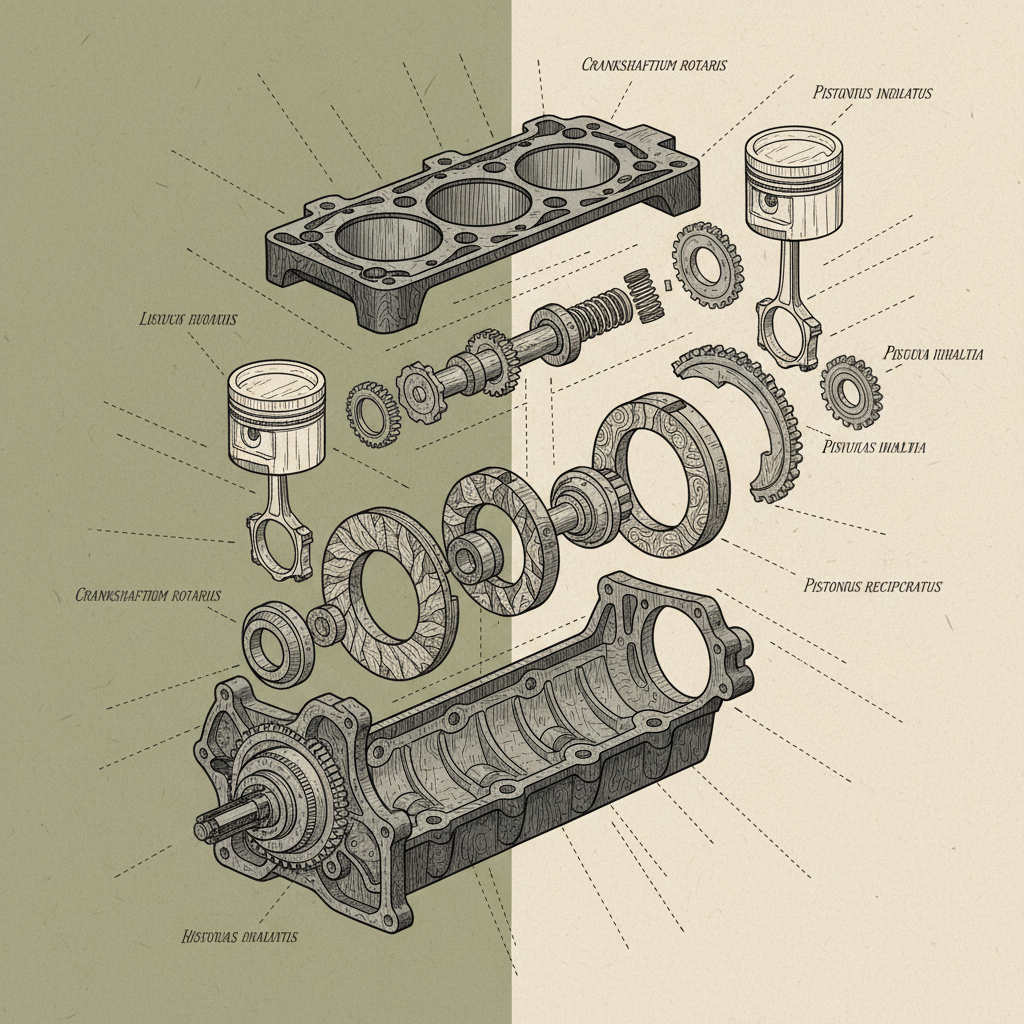
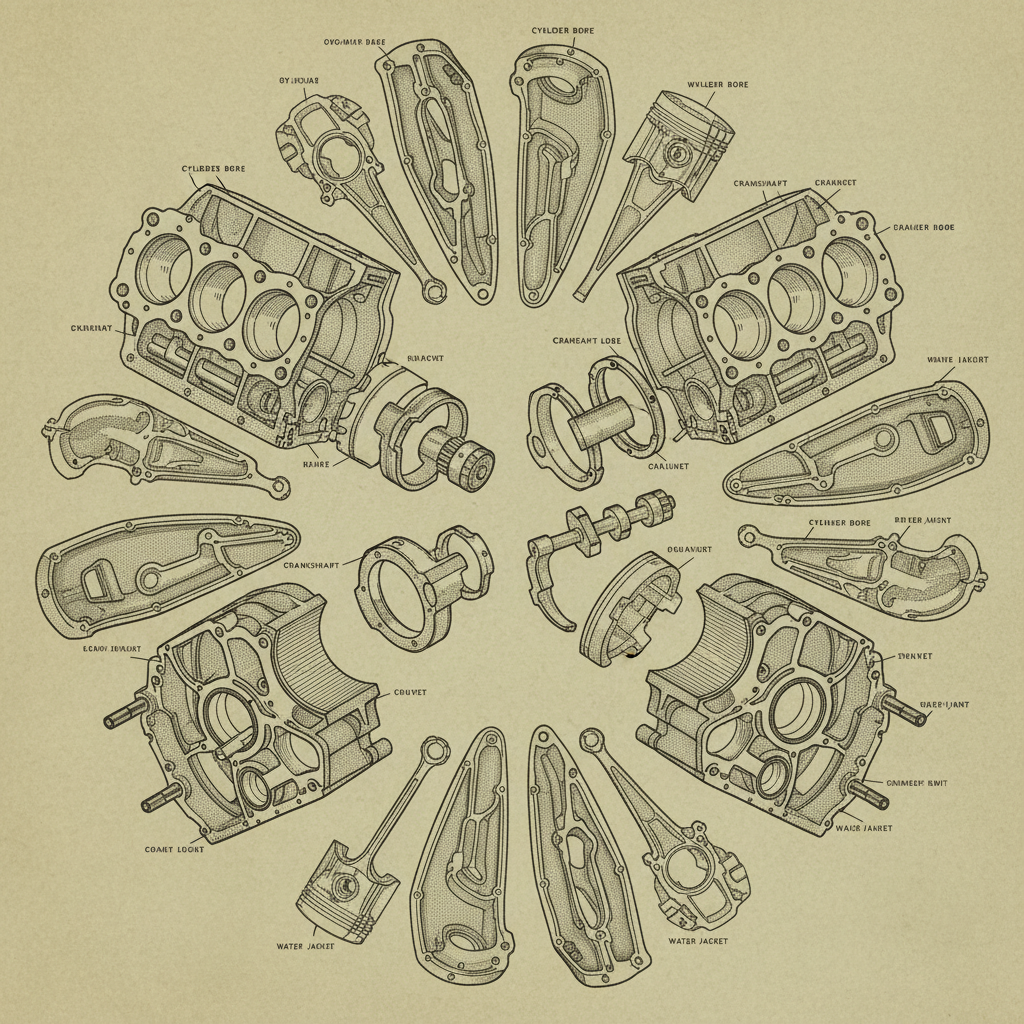
Honestly, it’s a bit of a resurgence. Everyone’s been chasing lighter materials, aluminum alloys, composites… but you know what? Sometimes you just need the weight and damping characteristics of cast iron. Especially in applications where there's a lot of vibration, or where you need a good thermal sink. I've seen it in everything from stationary engines to, strangely enough, some high-end audio equipment. It's about getting the right tool for the job, not just chasing the latest trend.
The prefabrication thing is driving it too. They’re trying to ship whole modules, fully assembled. And if something breaks in the field, it’s a nightmare. So they’re willing to pay a little more upfront for something that’s going to last.
Compared to aluminum, cast iron excels in vibration dampening, wear resistance, and thermal mass. While aluminum is lighter, cast iron offers superior durability and can handle higher loads without deformation. This makes it ideal for applications needing long-term reliability and stability, like generator sets and heavy-duty pumps. Ultimately, the choice depends on the specific application's needs and priorities.
A properly maintained cast iron engine block can realistically last for decades, often exceeding 20,000-30,000 hours of operation. Proper lubrication, regular inspections for cracks or wear, and avoiding extreme operating conditions are critical. I’ve seen some blocks still going strong after 50 years! It's a testament to the material’s inherent durability.
Generally, cast iron is more cost-effective upfront than aluminum or steel, especially for complex geometries. The casting process is relatively inexpensive. However, the weight can increase shipping costs. The overall cost must consider material price, manufacturing complexity, and transportation. Often, the total lifecycle cost favors cast iron due to its longevity and reduced maintenance needs.
Yes, cast iron is highly recyclable, making it a sustainable material choice. Recycling cast iron requires less energy than producing it from virgin materials, reducing carbon emissions. The high scrap value also encourages recycling efforts. However, the casting process itself can generate waste, so responsible foundry practices are essential for minimizing environmental impact.
Cast iron engine blocks are exceptionally well-suited for industries demanding high durability and vibration dampening. This includes generator sets, heavy-duty pumps, industrial compressors, and certain types of construction machinery. They’re also finding niche applications in renewable energy (wind turbines) and marine equipment, where reliability in harsh environments is paramount.
The main limitations are weight and brittleness. Weight can be mitigated through optimized design to minimize material usage. Brittleness can be addressed by using ductile iron alloys, employing proper heat treatment processes, and avoiding shock loads. Careful design, material selection, and manufacturing processes can overcome these limitations.
So, where does this leave us? Cast iron engine blocks aren’t a silver bullet. They’re not going to replace aluminum or steel entirely. But they offer a unique combination of properties – durability, vibration dampening, cost-effectiveness – that make them ideal for specific applications. You’ve got to understand the material, the manufacturing process, and the intended use case. It's not about choosing the ‘best’ material, it’s about choosing the right material.
And ultimately, whether this thing works or not, the worker will know the moment he tightens the screw. That’s the truth of it. It’s not about fancy simulations or lab tests. It’s about real-world performance. And if it feels solid, if it feels right, then you know you’ve got something good. Visit our website at mingdametals.com for more information on our cast iron engine blocks.