The thing about cast iron drain rings – and I’ve seen a lot of them over the years, kneeling in mud, watching installs, and troubleshooting issues – is that people underestimate their staying power. It’s not flashy, it’s not new, but it’s reliable. We’re talking about something that’s been doing the job for over a century, and frankly, does it better than a lot of these newfangled plastic things that snap and crack after a couple of years. You look at a properly installed cast iron drain ring, and you know it’s going to be there, doing what it’s supposed to do, for decades. I spend enough time fixing problems on site; I don’t need more created by cheap materials. This isn’t about being a luddite, it’s about recognizing what actually works.
What gets me is how often spec sheets overlook the practicalities of a job site. These rings are heavy, yes, but that heft is a good thing. It means they’re solid. It means they can handle the stress of heavy foot traffic, construction equipment rolling nearby, and the inevitable ground settling. I've seen concrete break around cast iron drain rings before the rings themselves show any sign of strain. And when you’re dealing with wastewater, you need something that won’t leach chemicals or degrade over time. You want something that won’t contaminate the soil or groundwater. That’s a big deal.
And it’s not just about infrastructure. These are in residential builds, commercial kitchens, industrial facilities… they're everywhere. And when something goes wrong with drainage, it's not a minor inconvenience. It's a potential health hazard, it’s a costly repair, and it’s a huge headache for everyone involved. That’s why I always push for cast iron, especially in critical applications. It’s a peace-of-mind thing, honestly. It’s one less thing to worry about when you’ve got a hundred other things on your plate.
Cast iron drain rings aren’t a new invention. They’ve been a staple in construction and infrastructure for well over a century, and for good reason. Their continued use isn’t just about tradition; it’s about proven performance. In a world obsessed with the next shiny thing, sometimes the tried-and-true solution is the best. Think about it – major cities across the globe still rely on cast iron piping systems installed decades ago. That speaks volumes about its longevity and reliability.
Globally, the need for robust and dependable drainage systems is increasing due to urbanization, population growth, and aging infrastructure. According to the UN, over half the world’s population now lives in urban areas, placing tremendous strain on existing infrastructure. A 2023 World Bank report highlights the critical need for investment in water and sanitation infrastructure, particularly in developing nations. And that means specifying materials that can withstand the test of time, materials like cast iron.
The demand for efficient and reliable drainage systems is driven by more than just urban growth. Climate change is playing a significant role, with more frequent and intense rainfall events overwhelming existing systems. We're seeing increased flooding, sewer overflows, and water contamination issues. This necessitates the use of materials that can handle higher volumes of water and resist corrosion from increasingly harsh environmental conditions. ISO standards for drainage systems are becoming more stringent, reflecting this growing need for durability and environmental protection.
The challenge isn't just building new infrastructure, it’s maintaining and upgrading what already exists. Many older cities have combined sewer systems, meaning stormwater and wastewater flow through the same pipes. During heavy rainfall, these systems can become overloaded, leading to untreated sewage being discharged into waterways. Replacing sections of these systems with robust, long-lasting cast iron drain rings can significantly reduce the risk of overflows and improve water quality.
And it's not just about preventing disasters. Efficient drainage systems are crucial for public health, preventing the spread of waterborne diseases and ensuring a safe and sanitary environment. From small rural communities to sprawling megacities, the need for reliable drainage is universal. That's why choosing the right materials – like a well-made cast iron drain ring – is so important.
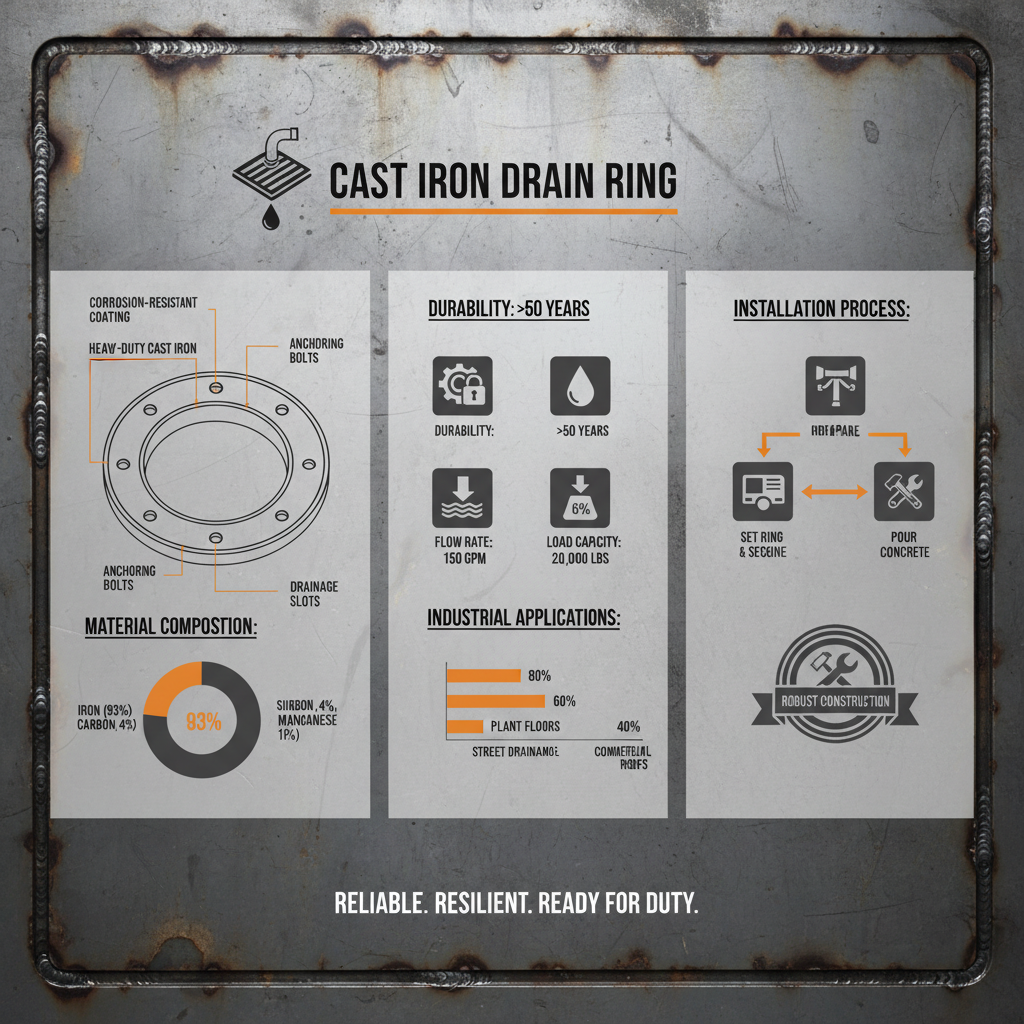
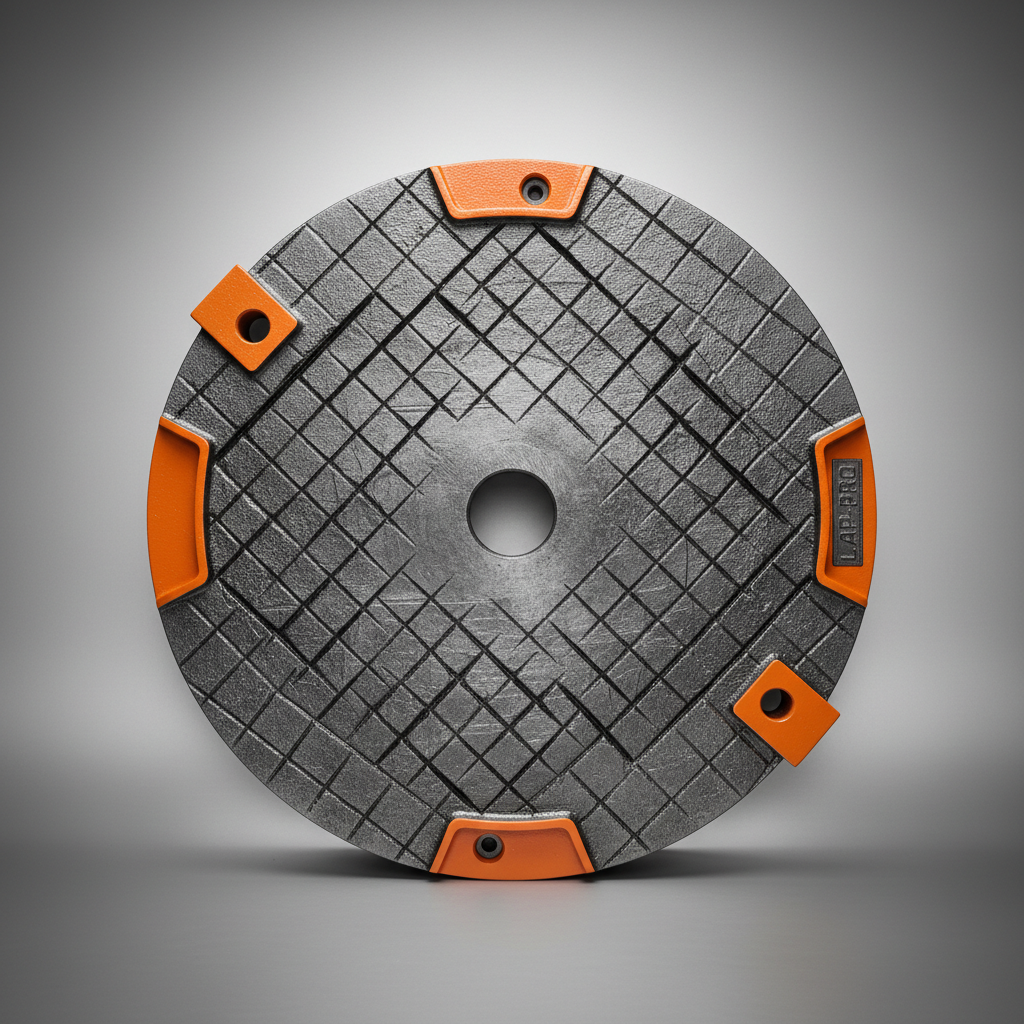
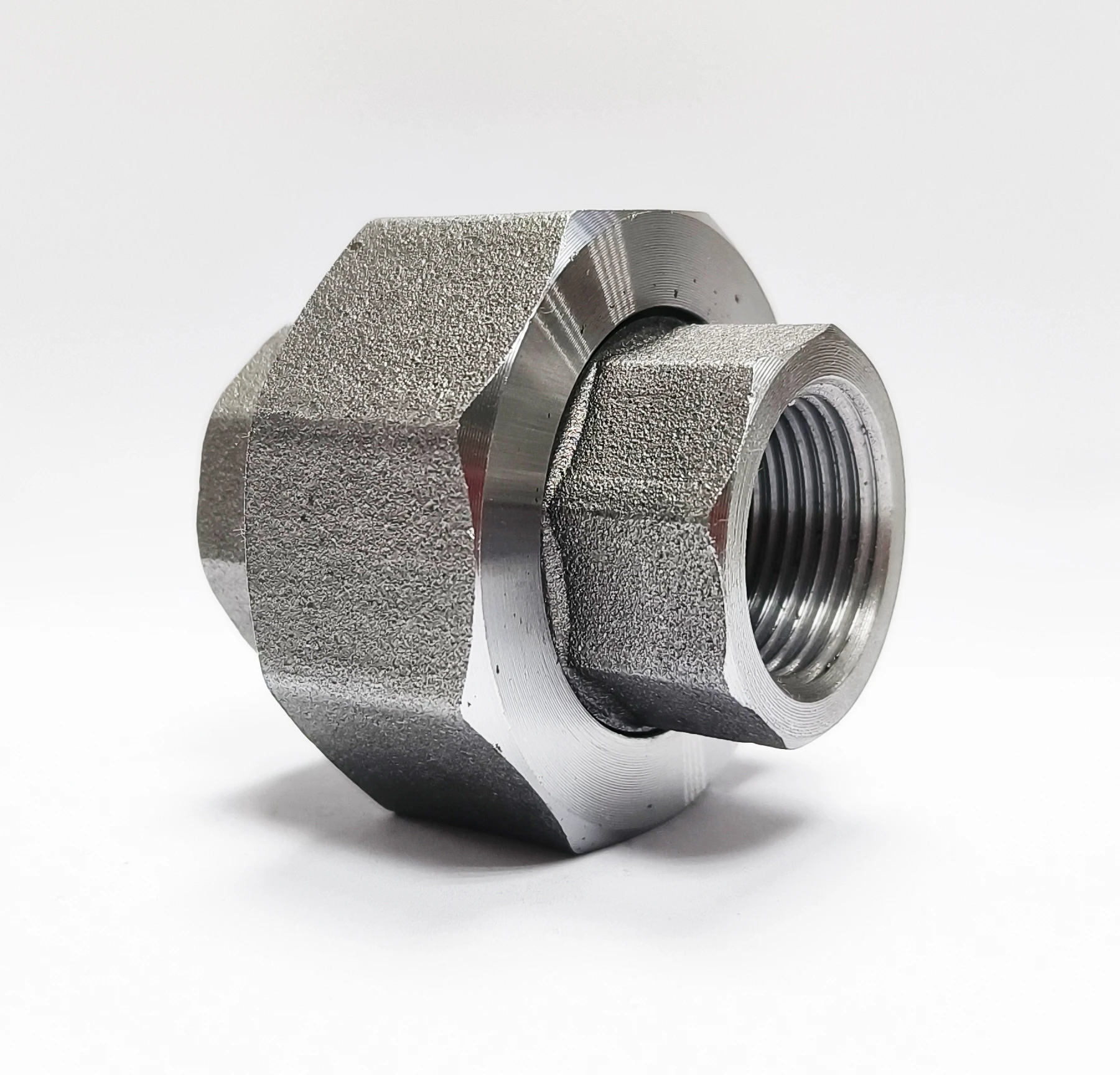
Simply put, a cast iron drain ring is a circular component used to create a watertight seal around a drain opening. It's typically installed flush with the surrounding surface – whether that’s concrete, asphalt, or paving stones – and accepts a grate or cover to prevent debris from entering the drain. But it's more than just a simple fitting. It's a critical component of a larger drainage system, designed to withstand heavy loads, resist corrosion, and provide long-term performance.
The 'cast iron' part is key. It refers to the manufacturing process – molten iron is poured into a mold, creating a durable and strong component. Different grades of cast iron are used depending on the application, with ductile cast iron being a common choice for its increased strength and flexibility. The ring itself often features a tapered or threaded design to ensure a secure fit within the drain pipe.
Its connection to modern industry and humanitarian needs lies in its ability to provide reliable sanitation and stormwater management. Without effective drainage, cities would be prone to flooding, disease outbreaks, and infrastructure damage. A well-designed system, incorporating durable components like cast iron drain rings, is essential for public health, economic stability, and sustainable urban development.
Let's talk about what makes these rings perform. First, and most importantly, is durability. Cast iron is incredibly strong and resistant to impact, meaning it can withstand heavy loads and the rigors of construction sites. Second, there’s corrosion resistance. Unlike some materials, cast iron doesn’t readily rust or degrade, even when exposed to harsh chemicals and environmental conditions.
Another key factor is load-bearing capacity. These rings are designed to handle significant weight from foot traffic, vehicles, and even heavy equipment. Then there's hydraulic efficiency. The smooth interior surface of a cast iron drain ring minimizes friction, allowing for optimal water flow. Finally, ease of installation – while they're heavy, experienced crews can install them quickly and efficiently.
You find these rings everywhere. In residential developments, they’re used for driveway drainage, patio drains, and connecting to sewer lines. Commercial kitchens rely on them to handle grease and wastewater. Industrial facilities use them in loading docks and manufacturing areas. And in public spaces, they’re essential for managing stormwater runoff in parks, streets, and parking lots.
In post-disaster relief operations, quick and reliable drainage is critical for preventing the spread of disease and restoring sanitation. Robust cast iron drain ring systems can be deployed rapidly to establish temporary drainage solutions. In remote industrial zones, where access to repair services is limited, the durability of cast iron is particularly valuable, minimizing the need for frequent maintenance and replacements.
The initial cost of a cast iron drain ring might be higher than some plastic alternatives, but you need to look at the long game. The extended lifespan and minimal maintenance requirements of cast iron translate to significant cost savings over time. You're not constantly replacing broken parts, and you're reducing the risk of costly repairs due to failures. That’s a big win.
Beyond the economic benefits, there’s the sustainability aspect. Cast iron is a recyclable material, reducing its environmental impact. Choosing durable, long-lasting products is a key principle of sustainable construction. And let’s not forget the safety factor. A reliable drainage system protects public health and prevents environmental contamination, contributing to a safer and more sustainable community.
While cast iron has a long history, innovation is still happening. Researchers are exploring new alloys and coatings to further enhance corrosion resistance and improve performance. Smart drainage systems, incorporating sensors and data analytics, are also emerging, allowing for real-time monitoring of flow rates and potential issues.
The push for sustainable infrastructure is driving demand for materials with lower environmental footprints. While cast iron is already recyclable, efforts are underway to reduce the energy consumption associated with its production. And the integration of digital technologies, like Building Information Modeling (BIM), is streamlining the design and installation of drainage systems.
We're also seeing a growing focus on prefabricated drainage solutions, where components like cast iron drain rings are integrated into modular systems. This can significantly reduce installation time and improve quality control on site.
| Component Material | Installation Complexity | Maintenance Frequency | Long-Term Durability (Years) |
|---|---|---|---|
| Ductile Cast Iron | Medium | Low | 75-100 |
| Gray Cast Iron | Medium | Low | 50-75 |
| Polypropylene (Plastic) | Easy | High | 10-20 |
| PVC (Plastic) | Easy | Medium | 25-50 |
| Stainless Steel | Difficult | Very Low | 100+ |
| Composite Materials | Medium | Medium | 30-60 |
Cast iron drain rings offer superior durability, corrosion resistance, and load-bearing capacity compared to plastic options. While plastic may be cheaper upfront, cast iron lasts significantly longer, reducing the need for frequent replacements and minimizing long-term costs. They also perform better under extreme temperatures and resist degradation from harsh chemicals, making them ideal for demanding applications. It's a better investment in the long run.
Proper installation is crucial. First, ensure the drain pipe is clean and free of debris. Apply a suitable sealant or joint compound to the mating surfaces. Carefully lower the ring onto the pipe, aligning it properly. Tighten the fasteners evenly to create a secure and watertight connection. Always follow the manufacturer's instructions and consult with a qualified plumber if you're unsure about any step. A poor install defeats the purpose of a good product.
Ductile cast iron is a type of cast iron that has been modified to improve its strength and ductility. This is achieved by adding magnesium to the molten iron, which changes the microstructure. Gray cast iron, on the other hand, has a higher carbon content and is more brittle. Ductile cast iron is generally preferred for applications requiring greater impact resistance and flexibility, such as drain rings that are exposed to heavy loads or vibrations.
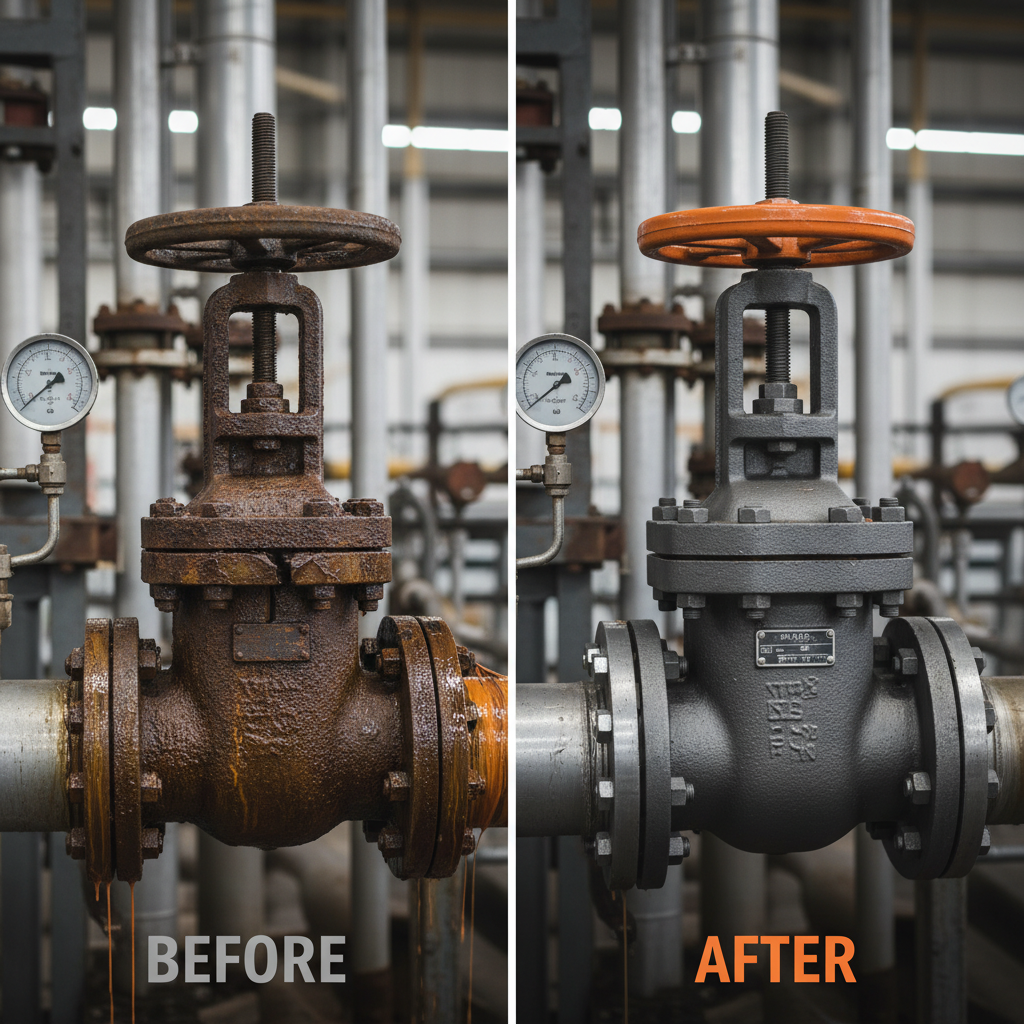
Cast iron naturally possesses good corrosion resistance, but in highly corrosive environments like saltwater, additional protection may be necessary. Coatings such as epoxy or zinc can be applied to the ring to further enhance its resistance to corrosion. Choosing a specific grade of cast iron, like ductile cast iron with a protective coating, is essential for ensuring long-term performance in harsh environments.
With proper installation and maintenance, a cast iron drain ring can easily last 50 to 100 years or even longer. The inherent durability of cast iron, combined with its resistance to corrosion and wear, ensures a long service life. Regular inspections and prompt repairs of any minor damage can further extend its lifespan. It's not uncommon to find cast iron drain rings still functioning perfectly after a century of use.
Yes, cast iron is a highly recyclable material. At the end of its service life, a cast iron drain ring can be melted down and reused, reducing the demand for virgin materials and minimizing waste. Additionally, the longevity of cast iron products means they need to be replaced less frequently, further reducing their environmental impact. Choosing durable materials like cast iron is a key aspect of sustainable construction.
From bustling city centers to remote industrial sites, cast iron drain rings remain a cornerstone of reliable drainage infrastructure. Their enduring strength, corrosion resistance, and long lifespan make them a cost-effective and sustainable choice for a wide range of applications. We've seen how they contribute to public health, environmental protection, and economic stability, proving their value far outweighs their initial cost.
Looking ahead, continued innovation in materials science and manufacturing techniques will further enhance the performance and sustainability of cast iron drain rings. Embracing these advancements, combined with proper installation practices, will ensure that this time-tested solution continues to serve our communities for generations to come. For durable, dependable drainage solutions, visit our website: www.mingdametals.com.