High Quality Custom Flange Solutions for Industrial Piping Systems
When designing complex piping systems for industrial valves, hydrants, or pumps, the integrity of the connection point determines the overall reliability of the infrastructure. A precision-engineered flange acts as the critical interface that ensures leak-proof seals and structural stability under various pressure levels. For engineers dealing with non-standard dimensions or specific material requirements, sourcing high-quality custom flange solutions is essential to avoid operational failure and costly downtime.
Whether utilizing threaded connections for low-pressure environments or heavy-duty welding for high-pressure systems, the choice of material—ranging from ductile iron to stainless steel—must align with the chemical and thermal demands of the application. By integrating advanced CNC turning and precision casting, manufacturers can now provide components that meet tight tolerances and complex geometric specifications, ensuring seamless integration into global piping standards.

The Engineering Logic Behind Precision Piping Interconnections
In pipeline engineering, the primary role of a flange is to facilitate the interconnection of two pipes, a pipe to a valve, or a pipe to a pump. This disk-shaped component allows for easy assembly and disassembly, which is vital for maintenance and system upgrades. The mechanism involves pairing two flanges with a gasket placed between them, then securing the assembly with bolts and nuts to create a compressed, airtight seal.
Depending on the pressure requirements, different connection methods are employed. Low-pressure systems often utilize threaded configurations for ease of installation. However, for environments where the pressure exceeds 4kg, welding flanges are the industry standard to ensure the joint can withstand significant stress without fracturing. The thickness of the disk and the grade of the bolts used are directly proportional to the pressure rating of the system, requiring precise calculations during the design phase.
- Threaded Connections: Ideal for smaller diameters (1/2"–30") and low-pressure applications.
- Welding Connections: Mandatory for high-pressure environments to ensure structural permanence.
- Gasket Integration: Critical for preventing fluid leakage between the two mating surfaces.
- Bolting Patterns: Specifically aligned to distribute tension evenly across the flange face.

Material Selection and Manufacturing Processes for Durability
The operational lifespan of a connection component is heavily dependent on the base material. For general industrial use, ductile iron and grey iron provide a balance of strength and cost-effectiveness. In contrast, stainless steel, brass, and aluminum are selected for their superior corrosion resistance and weight-to-strength ratios, especially in chemical processing or marine environments. The choice of material directly affects the component's ability to withstand oxidation and thermal expansion.
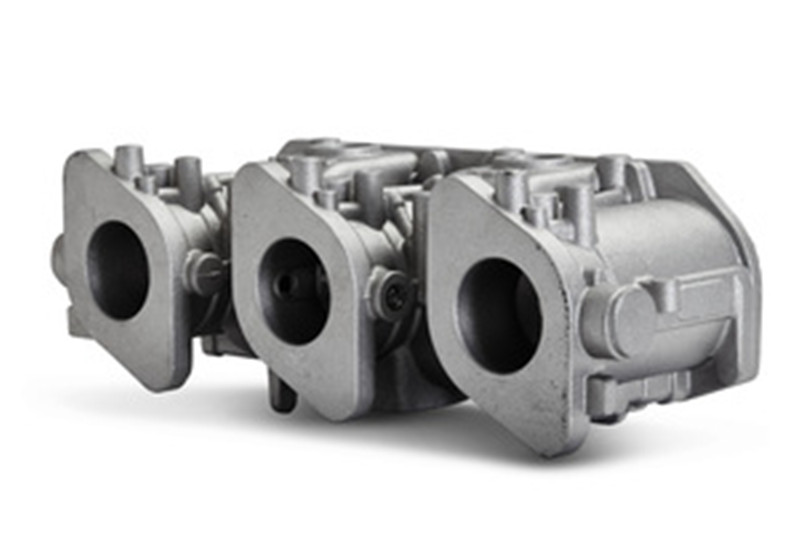
To achieve the required precision, a combination of casting and machining is utilized. Processes such as resin sand molding, lost-wax casting, and lost-foam casting allow for the creation of complex near-net shapes. Once the raw casting is complete, CNC precision machining—including turning, milling, and surface grinding—is applied to ensure the faces are perfectly flat and the bolt holes are drilled to exact specifications. This hybrid approach ensures that the final part possesses both the internal structural integrity of a casting and the tight tolerances of a machined part.
Application Scenarios Across Heavy Industry and Infrastructure
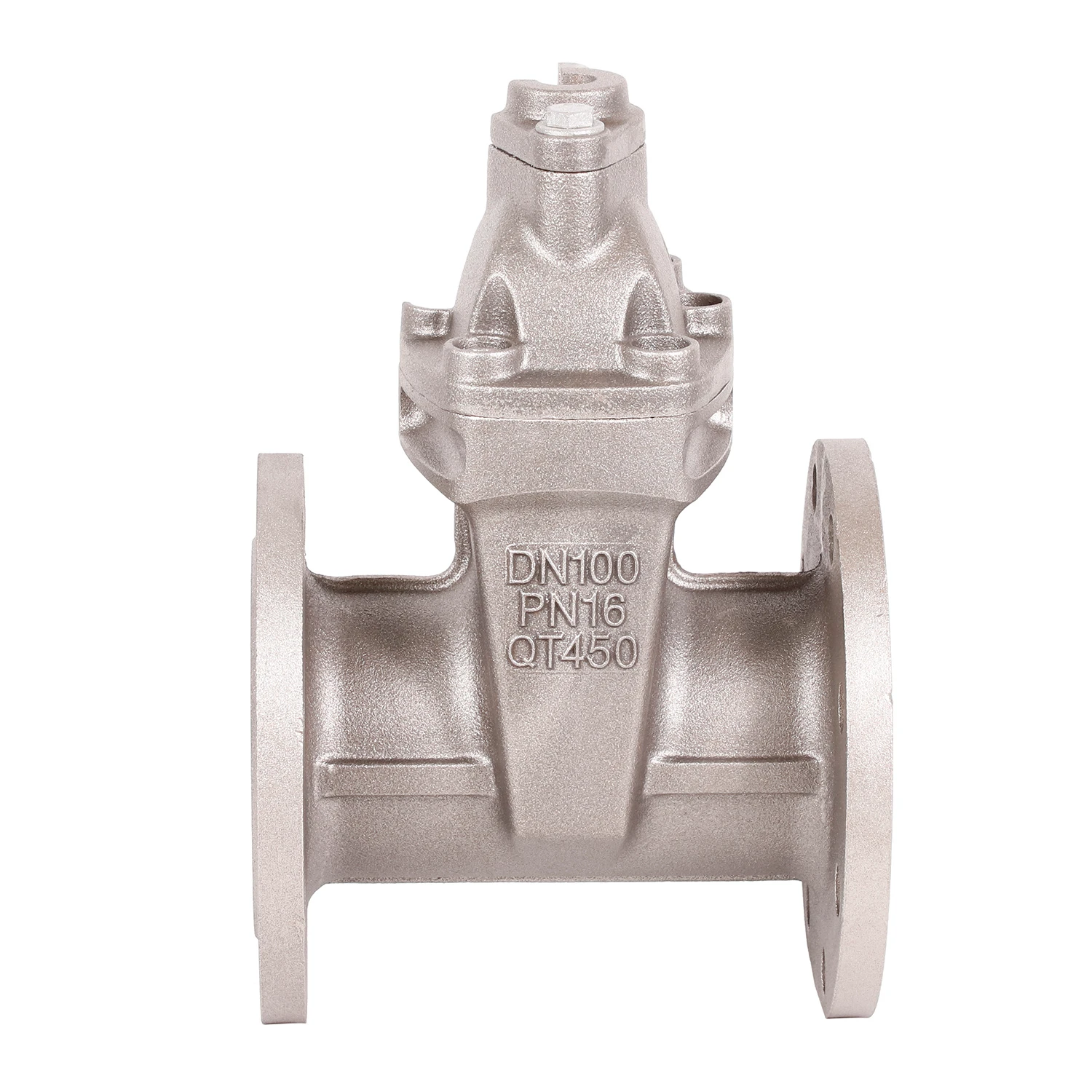
The utility of these components extends across various critical sectors. In fire protection systems, they are used extensively for hydrant bodies and valve housings, where reliability is a matter of safety. In the automotive and railway industries, they serve as connectors for fluid transport systems in trucks and trains, requiring high vibration resistance and durability under extreme temperatures.
For pump and valve manufacturers, the flange is often an integrated part of the equipment housing. This "flange connection" design allows the equipment to be bolted directly into the existing pipeline without the need for additional adapters. This reduces the number of potential leak points in the system and simplifies the installation process for field engineers.
- Hydrant Systems: High-durability castings for municipal water safety.
- Pump Housing: Integrated connection faces for efficient fluid transfer.
- Railway Infrastructure: Precision parts designed for high-stress mechanical environments.
- Ventilation Piping: Lightweight aluminum or steel parts for airflow management.
Technical Comparison of Connection Types
| Connection Type | Typical Pressure | Recommended Material | Primary Use Case |
|---|---|---|---|
| Threaded | Low Pressure | Brass / Stainless Steel | Small diameter residential/light industrial |
| Welded | High Pressure (>4kg) | Alloy Steel / Carbon Steel | Industrial plant piping / Oil & Gas |
| Cast-Integrated | Variable | Ductile Iron | Valve bodies and Pump housings |
| Precision Machined | Tight Tolerance | Aluminum / Stainless Steel | Aerospace and High-tech machinery |
| Composite/Plastic | Very Low Pressure | Nylon / Teflon | Chemical corrosion zones / Low-heat |
Quality Assurance and Procurement Considerations
When procuring precision piping components, buyers must look beyond the price point and evaluate the quality control systems of the supplier. A robust assurance system ensures that every part is manufactured according to the customer's drawings and international standards (such as GB or HG standards). Critical checks include dimensional verification via CNC probing, surface finish analysis, and material composition testing to ensure no impurities weaken the structural integrity of the metal.
Furthermore, lead time management is a significant factor in industrial procurement. Standard production cycles typically range around 30 days, but the ability of a supplier to expedite delivery—sometimes down to 20 days—can save buyers from expensive air freight costs or project delays. Evaluating a supplier's flexibility in production craft, such as their ability to switch between sand molding and lost-wax casting based on quantity and tolerance, is key to optimizing the supply chain.
Future Trends in Metal Casting and Precision Machining
The industry is moving toward greater integration of smart manufacturing and sustainable materials. There is an increasing demand for components that offer higher corrosion resistance with lower environmental impact. The adoption of advanced vacuum molding and high-precision CNC engraving is allowing for the creation of parts with even tighter tolerances, reducing the need for extensive secondary processing and minimizing material waste.
Moreover, the trend toward modularity in piping systems means that components must be more versatile. The ability to provide sub-assembly work—where CNC prototyping is followed by integrated secondary processing—allows buyers to receive nearly complete modules rather than individual parts. This shift reduces assembly time on-site and increases the overall quality of the installation.
Frequently Asked Questions About Industrial Flanges
What is the main difference between a threaded and a welded flange?
Threaded flanges are used primarily for low-pressure systems and offer easier installation and removal. Welded flanges are designed for high-pressure environments (typically above 4kg) to provide a permanent, high-strength seal that prevents leakage under extreme stress.
Which materials are best for corrosive environments?
Stainless steel and brass are highly recommended for corrosive environments due to their natural resistance to oxidation. For extreme chemical applications, plastics like Teflon or Nylon may be used, depending on the temperature and pressure requirements.
How do you ensure the precision of a custom flange?
Precision is ensured through a two-step process: first, utilizing a suitable casting method (like lost-wax or resin sand) to create the near-net shape, followed by CNC turning, milling, and surface grinding to achieve exact tolerances according to the technical drawing.
What are the typical lead times for custom metal castings?
Standard lead times are generally 30 days. However, depending on the production urgency and complexity, some specialized suppliers can reduce this to 20 days to help buyers avoid emergency air freight costs.
Can these components be produced in sizes other than standard pipe diameters?
Yes, through custom precision machining, parts can be produced in various sizes, typically ranging from 1mm to 300mm, using materials like alloy steel, aluminum, and various plastics to meet specific project needs.
What is the role of a gasket in a flange connection?
The gasket is a sealing material placed between two flanges. When the bolts are tightened, the gasket is compressed, filling any microscopic irregularities between the metal surfaces to create a leak-proof seal.
Technical References and Industry Standards
- ASME International Standards for Piping and Flanges
- ISO Standards for Technical Drawings and Metal Castings
- ASTM International Material Specifications for Steel and Iron
- ANSI Standards for Industrial Valve and Flange Dimensions
Selecting the right connection component requires a deep understanding of pressure ratings, material compatibility, and manufacturing precision. By partnering with a supplier capable of both advanced casting and CNC machining, you can ensure your piping system is built for long-term durability and safety.
Explore Related Precision Engineering Solutions