
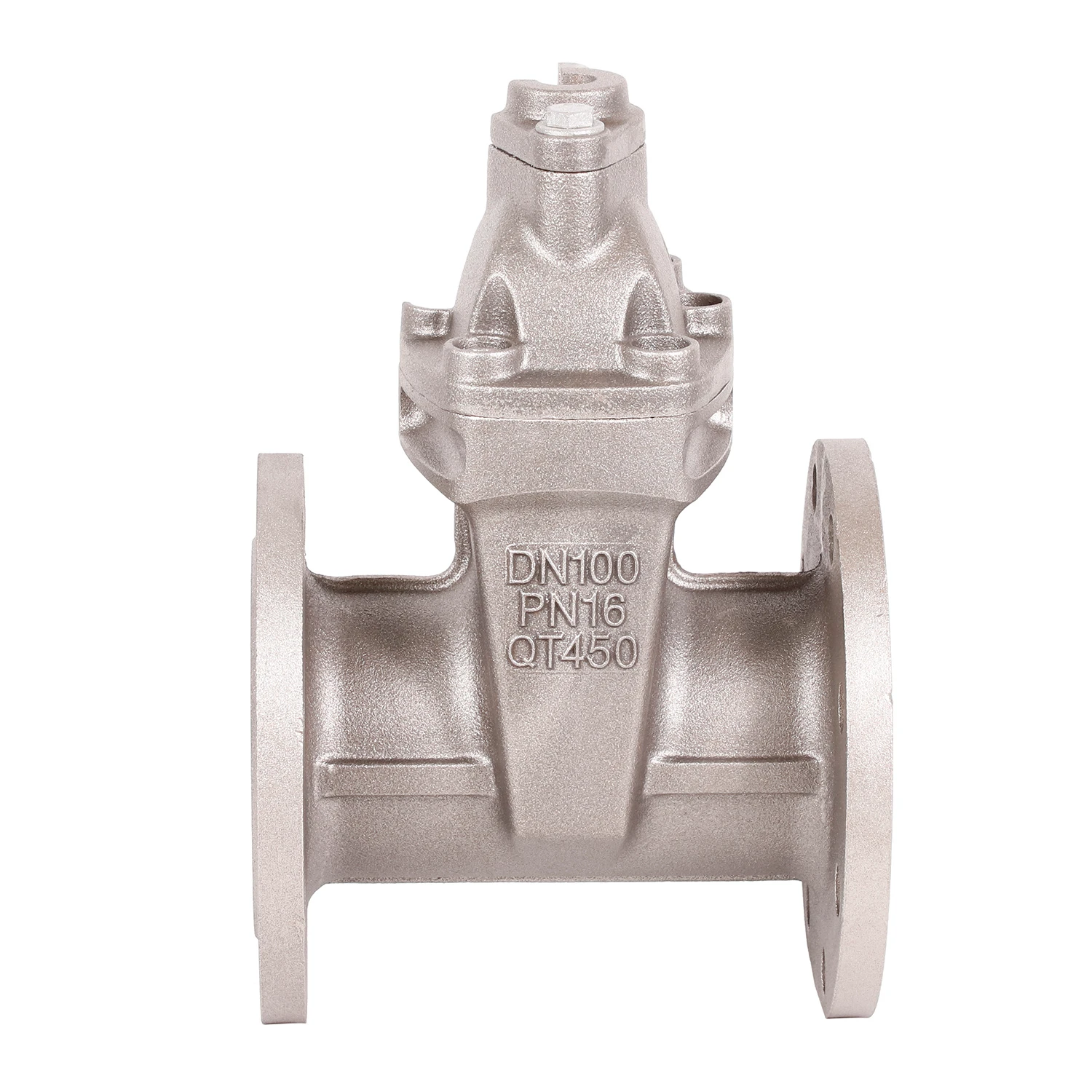
Stainless Steel Flange Guide for Professional stamping parts buyer
When specifying components for high-pressure piping systems, the selection of a stainless steel flange is critical to ensuring leak-proof connectivity and long-term structural integrity. These disk-shaped components serve as the primary interface for connecting pipes, valves, and pumps, providing a secure bolted joint that can withstand significant mechanical stress. Whether utilizing threaded configurations for low-pressure lines or welding flanges for industrial-grade applications, the material composition and machining precision determine the system's overall reliability. For any stamping parts buyer focused on precision and durability, understanding the interplay between flange thickness, bolt diameter, and gasket compatibility is essential for avoiding costly installation failures and ensuring operational safety across diverse industrial environments.

Technical Classification and Functional Role of Stainless Steel Flanges in Piping
Stainless steel flanges are engineered as the essential coupling mechanism in modern pipeline projects. Primarily categorized into threaded flanges and welding flanges, their application depends heavily on the system's pressure requirements. Threaded options are typically reserved for low-pressure environments where ease of assembly and disassembly is prioritized. In contrast, welding flanges are deployed in high-pressure scenarios—generally four kilograms or more—where a permanent, high-strength bond is required to prevent leakage under extreme stress.
The functional design of these components allows them to be paired with mating flanges on valves or pumps, creating a closed-loop system. By utilizing a gasket placed between two flange faces and securing them with high-tensile bolts, engineers can create a seal that is resistant to thermal expansion and vibration. This versatility makes them indispensable for ventilation pipe connections and heavy-duty machinery interfaces, where the flange acts as the critical junction point for maintenance and inspection.

Material Synergy: Gasket Selection and Sealing Performance
The efficiency of a flange connection is not determined by the steel alone, but by the synergy between the flange surface and the gasket. Gaskets are selected based on their ability to undergo plastic deformation while maintaining sufficient strength to block fluid migration. Non-metallic gaskets, often cut from asbestos rubber sheets or polyethylene panels, are standard for general purposes. However, for extreme environments, spiral wound gaskets with asbestos or stainless steel strips are utilized to ensure a tight seal under fluctuating pressures.
Material selection is strictly governed by temperature and chemical exposure:
- Common Rubber: Suitable for temperatures below 120°C.
- Asbestos Rubber: Capable of handling steam up to 450°C and oil up to 350°C, typically for pressures under 5MPa.
- Metal Gaskets: High-pressure equipment involving copper, aluminum, or steel often employs lens-type or shaped stainless steel gaskets to maintain a narrow, high-finish line contact seal.
Engineering Applications and Operational Advantages
Integrating these components into a pipeline provides significant operational flexibility. Beyond the initial connection, flanges allow for the easy replacement of damaged pipe sections without necessitating the complete teardown of the system. They provide a dedicated access point for internal inspections, allowing technicians to open the line, clear obstructions, or calibrate sensors before securely resealing the joint.
In industrial settings, the use of specialized flange shapes for pumps and valves ensures that local equipment can be integrated seamlessly into the broader piping network. This standardized approach reduces downtime during installation and allows for modular upgrades. By matching the bolt number and thickness to the specific pressure rating of the project, engineers can optimize the weight of the system while ensuring that safety margins are strictly maintained.
Technical Selection Matrix for Pipeline Flanges
| Pressure Level | Recommended Flange Type | Gasket Material | Primary Application |
|---|---|---|---|
| Low Pressure | Threaded (Silk) Flange | Common Rubber | Ventilation & Water Lines |
| Medium Pressure | Welding Flange | Asbestos Rubber | Steam & Oil Pipelines |
| High Pressure | Welding Flange (Thick) | Stainless Steel Lens | Industrial Chemical Plants |
| Extreme Temp | Precision Machined | Spiral Wound Metal | High-Temp Steam Systems |
| Corrosive Media | Stainless Steel Grade | Acid Asbestos / PTFE | Acidic Fluid Transport |
Procurement Considerations for Quality and Precision
When sourcing these components, the focus must be on the precision of the sealing surface and the consistency of the material grade. A high-finish machining process is essential for high-pressure gaskets, as any surface irregularity can lead to "line contact" failure, resulting in hazardous leaks. Buyers should evaluate the supplier's ability to provide custom shapes and dimensions according to technical drawings, ensuring that the bolt holes and face thickness align perfectly with existing equipment.
Quality control systems that implement strict adherence to international standards save significant time and money by reducing the rate of on-site rejects. For companies managing complex supply chains, partnering with a provider that has deep interactions with diverse foundries allows for the selection of the most suitable production craft—whether it be sand moulding or precision machining—to match the specific technical requirements of the project.
Supply Chain Efficiency and Delivery Logistics
In large-scale infrastructure projects, the lead time for critical components can often be a bottleneck. Standard production cycles typically span around 30 days, but the ability to compress this to 20 days for urgent requirements can prevent costly delays and eliminate the need for expensive air freight. This agility is often a result of a supplier's ability to coordinate effectively between multiple production facilities and specialized foundries.
Furthermore, the integration of OEM services allows for the production of standard finished products alongside custom-made parts. By leveraging a wide range of materials—including ductile iron, grey iron, brass, and stainless steel—suppliers can offer a one-stop solution for all casting and forged machinery parts, ensuring that the metallurgical properties of the flange match the rest of the pipeline for optimal thermal and chemical compatibility.
Frequently Asked Questions Regarding Pipe Flanges
What is the main difference between threaded and welding flanges?
Threaded flanges are used for low-pressure applications and are easier to install and remove. Welding flanges are used for high-pressure systems (typically 4kg or more) to provide a more permanent, leak-proof connection.
How do I choose the correct gasket for my stainless steel flange?
Selection depends on temperature and medium. Rubber is for below 120°C; asbestos rubber for steam below 450°C and oil below 350°C; and metal gaskets are required for high-pressure or high-finish machining surfaces.
Why is the surface finish of the flange important?
For high-pressure equipment, the sealing surface must be precisely machined to ensure a tight "line contact" with the gasket. Any roughness can lead to leaks, especially in high-pressure environments.
Can these flanges be customized according to specific drawings?
Yes, flanges can be produced as custom-made parts using various crafts like resin sand or lost-wax casting to meet specific dimensions, material grades, and pressure ratings defined in customer drawings.
What materials are commonly used besides stainless steel?
Depending on the application, flanges can be made from ductile iron, grey iron, brass, and aluminum to balance cost, weight, and corrosion resistance.
What are the common applications for flange parts?
They are used extensively in pipeline projects to connect pipes to valves, pumps, and other equipment, as well as in ventilation systems and machinery interfaces.
Technical References
- ASME International Standards for Flanges
- ISO Piping and Flanges Technical Specifications
- ASTM Material Standards for Stainless Steel
- ANSI Standards for Pipeline Components
Ensuring the precision of every connection is the key to industrial safety. For those seeking high-quality stainless steel flanges and custom machinery parts, prioritizing material certification and machining accuracy is the best path to operational success.