



Metal forming through precision dies is a cornerstone of modern industrial manufacturing, allowing for the rapid production of complex components with high repeatability. Whether for automotive chassis, electronics housings, or specialized machinery parts, the ability to shape sheet metal into exact specifications is critical for system integration and mechanical performance. This guide explores the technical nuances of custom stamping and how to evaluate production capabilities for B2B procurement.
From a commercial perspective, selecting the right forming process involves balancing material costs, tooling investment, and required tolerances. In the current supply chain environment, the shift toward integrated assembly—where stamping is combined with CNC machining and welding—has increased the demand for suppliers who can handle multiple stages of production. Understanding the relationship between material grade and die wear is essential for maintaining consistency across high-volume production runs.
Readers will gain insights into the critical selection criteria for metal parts, including a detailed analysis of material properties, surface finishing options, and quality control standards. By analyzing the technical constraints of different metals and the impact of tooling precision, procurement officers and engineers can better define their technical requirements to avoid common manufacturing errors and reduce total cost of ownership.
Technical Fundamentals of Precision Metal Forming
The process of mechanical forming involves the application of force via a press and a die set to deform metal into a specific shape. This is typically categorized into blanking, punching, bending, and drawing. Precision is achieved through the tight alignment of the punch and die, which determines the burr height and dimensional accuracy of the final part. In high-precision applications, fine blanking is often employed to achieve sheared edges that are nearly smooth, reducing the need for secondary grinding operations. The mechanical properties of the metal, such as yield strength and ductility, dictate the amount of pressure required and the risk of material fracture during deep drawing. Advanced production lines now integrate continuous die stamping, which allows for multiple operations—such as piercing and forming—to occur in a single stroke, significantly increasing throughput and reducing unit costs for large-scale industrial orders.
Industrial Procurement and Engineering Guide
When sourcing precision components, technical specifications must be aligned with the manufacturer's actual equipment capabilities. A successful procurement strategy focuses on the intersection of material science, tooling precision, and quality validation to ensure that the parts perform reliably in their intended operational environment.
Material Compatibility and Selection
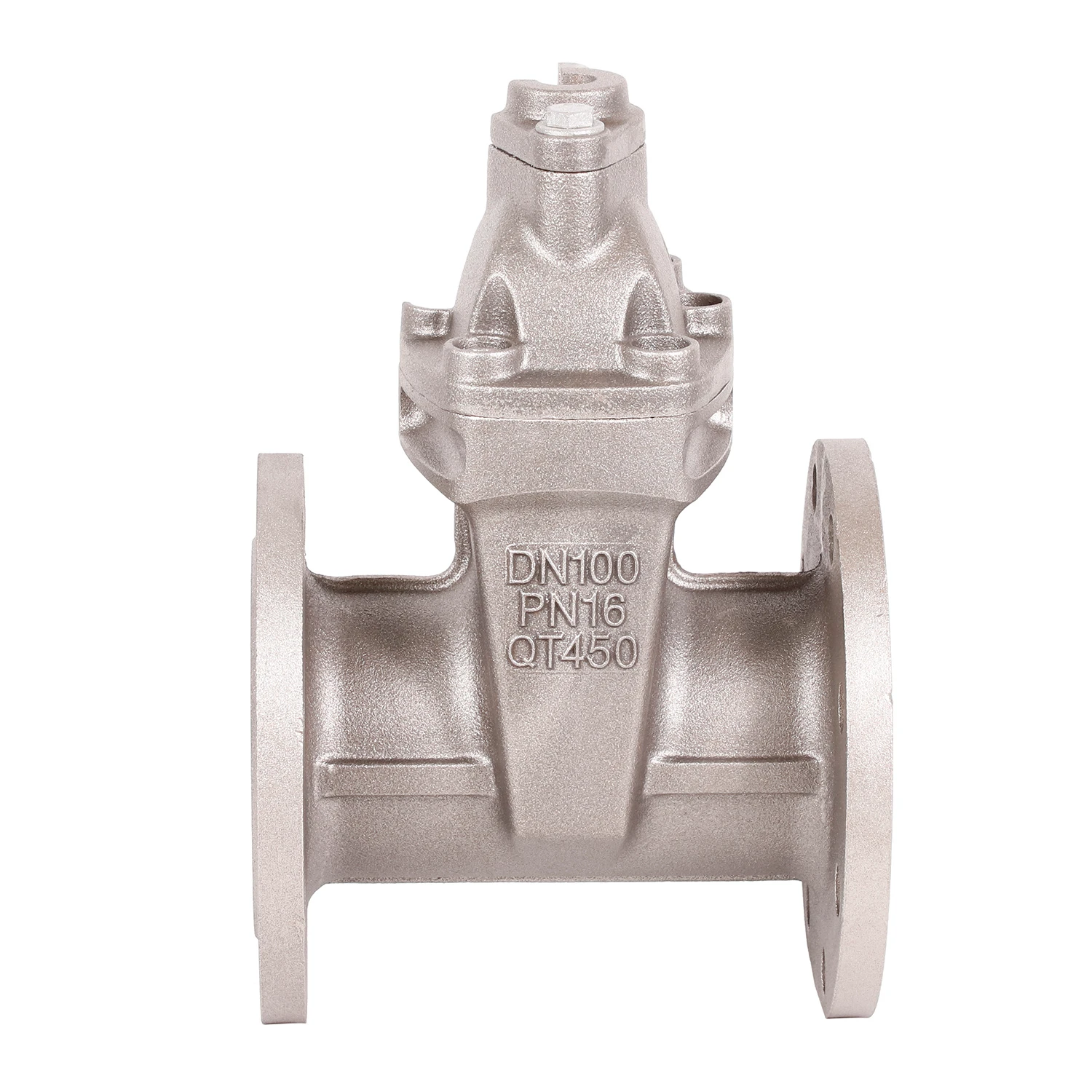
The choice of material directly influences the tool life and the final part's performance. Carbon steels like SPCC and SECC are standard for general chassis work, while stainless steel offers corrosion resistance for medical or food-grade applications. Copper alloys and brass are preferred for electrical conductivity. Hebei Mingda International Trading Company utilizes a variety of materials including ductile iron and aluminum to meet diverse industrial needs.
| Material Type | Key Property | Primary Application | Tooling Impact |
|---|---|---|---|
| Carbon Steel (CRS) | High Strength | Chassis, Brackets | Standard Wear |
| Stainless Steel | Corrosion Resistance | Medical, Marine | High Tool Wear |
| Aluminum Alloy | Lightweight | Aerospace, Auto | Low Wear / Galling Risk |
| Brass/Copper | Conductivity | Connectors, Valves | Moderate Wear |
| Spring Steel | Elasticity | Clips, Springs | High Stress on Die |
| Nickel Silver | Aesthetics/Hardness | Precision Contacts | Moderate Wear |
Tolerances and Dimensional Precision
Dimensional accuracy is the primary metric for part quality. In precision forming, tolerances can be as tight as 0.01mm. Achieving this requires not only high-quality tooling but also stable environmental conditions and precise press calibration. For components requiring extreme precision, combining stamping with CNC milling or turning is often necessary to reach tolerances of 0.002mm, ensuring a perfect fit in complex mechanical assemblies.
Surface Treatment and Finishing
Post-forming treatments are essential for preventing oxidation and enhancing wear resistance. Common options include zinc or nickel plating for corrosion protection, powder coating for durability and color, and anodizing for aluminum parts. The choice of finish depends on the operational environment; for example, passivating stainless steel is critical for maintaining its corrosion resistance after machining.
Tooling and Die Maintenance
The lifespan of a die is determined by the material hardness and the lubrication used during production. Regular maintenance, including sharpening and alignment checks, is required to prevent the increase of burrs and dimensional drift. Suppliers with robust tooling maintenance programs can guarantee consistent part quality over millions of cycles, reducing the risk of batch-to-batch variation.
Complex Geometry and Fine Blanking
For parts with intricate shapes or those requiring a high-quality sheared edge, fine blanking is the optimal choice. Unlike standard punching, fine blanking uses a counter-pressure system to ensure the material is sheared cleanly across the entire thickness. This process is particularly useful for heavy-gauge components where traditional stamping would leave an unacceptable fracture zone.
Quality Assurance Protocols
Rigorous quality control involves more than just final inspection. It includes material SGS testing reports, salt spray tests for plating durability, and the use of deep-drawing microscopes to analyze grain structure. Adherence to ISO9001 standards ensures that the production process is documented and repeatable, which is a non-negotiable requirement for automotive and aerospace supply chains.
Supply Chain Lead Time Optimization
Lead time in metal forming is split between tooling fabrication and actual production. While standard lead times are often around 30 days, experienced trading and manufacturing partners can optimize this to 20 days through efficient project management. Reducing lead times is critical for avoiding costly air freight and ensuring that assembly lines remain operational during rapid prototyping or ramp-up phases.
FAQ
What is the difference between progressive die stamping and fine blanking?
Progressive die stamping performs multiple operations sequentially in one press stroke, making it ideal for high-volume, cost-effective production of small to medium parts. Fine blanking is a specialized process that uses a holding force to create a perfectly smooth sheared edge with virtually no fracture zone, which is critical for high-precision industrial components that cannot tolerate burrs.
How do I choose between stainless steel and galvanized carbon steel for my parts?
Stainless steel is recommended for environments with high humidity, chemicals, or food-contact requirements due to its inherent corrosion resistance. Galvanized carbon steel is a more cost-effective alternative for general outdoor or industrial use where a protective zinc coating is sufficient to prevent rust. The decision should be based on the specific exposure levels and the total budget for the project.
What tolerances are typically achievable in precision metal forming?
Standard precision stamping typically achieves tolerances between 0.05mm and 0.1mm. However, high-precision facilities can reach 0.01mm for critical dimensions. For requirements tighter than this, such as 0.002mm, the stamped part must undergo secondary CNC machining to reach the final specification.
How does the material thickness affect the stamping process?
Material thickness dictates the required press tonnage and the design of the die. Thicker materials increase the risk of "springback"—where the metal attempts to return to its original shape after bending. This requires the engineer to "over-bend" the part slightly during the design phase to ensure the final angle is correct.
What documentation should I request from a stamping supplier?
Buyers should request an ISO9001 certificate for quality management, Material SGS testing reports to verify the grade of the metal, and a COC (Certificate of Conformance) report. For plated parts, a salt spray test report is essential to verify that the surface treatment meets the required corrosion resistance hours.
Can you provide samples before starting mass production?
Yes, professional suppliers typically provide pre-production samples for final customer confirmation. This step is critical to verify that the tooling is correct and that the surface finish meets expectations. Once the sample is approved, mass production begins, ensuring that all subsequent parts match the approved golden sample.
References and further reading
- ISO 9001:2008 Quality Management Systems Standards for Manufacturing.
- ASM International Handbook: Volume 14 - Forming and Forging.
- SGS Compliance and Material Testing Protocols for Industrial Metals.


