
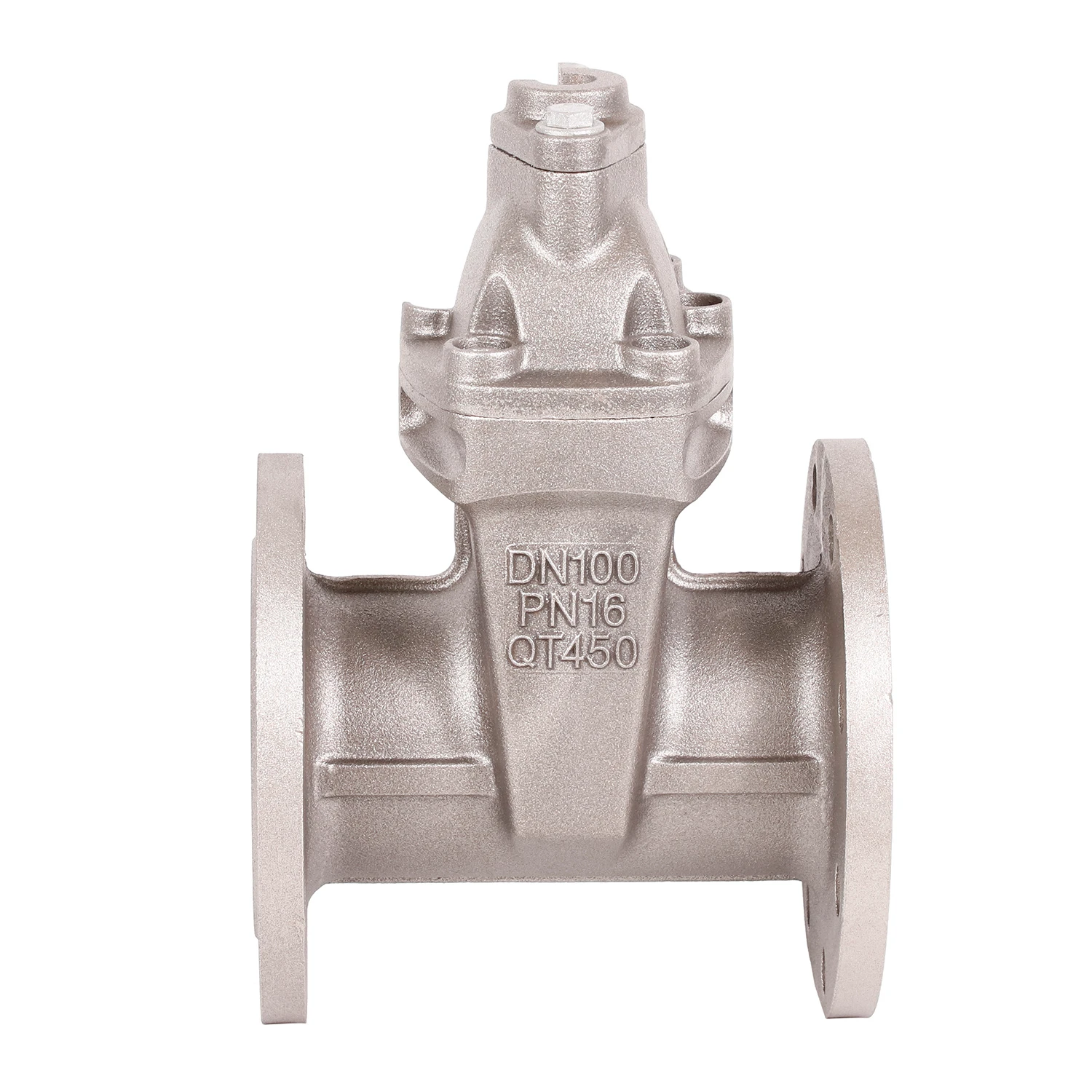
High Precision Components from a Brass Pipe Fittings Factory
Procuring high-precision components for fluid systems requires a partner who understands the critical intersection of metallurgy and mechanical tolerances. Whether you are designing industrial valve bodies or complex hydrant systems, the reliability of your connections depends entirely on the quality of the casting and machining processes. In an industry where a single leak can lead to catastrophic system failure, sourcing from a specialized brass pipe fittings factory ensures that materials are processed with the necessary rigor to withstand pressure and corrosion.
At Hebei Mingda, we bridge the gap between raw foundry capabilities and finished engineering precision. By leveraging diverse production crafts—ranging from lost-wax and resin sand to advanced CNC turning—we provide customized solutions that meet exact technical drawings. This integration allows us to deliver high-quality brass and alloy components that serve critical roles in the railway, trucking, and pump industries, ensuring long-term operational stability and safety for our global partners.

Material Science and Casting Versatility in Industrial Fluid Components
The selection of base materials is the foundation of any durable piping system. While brass is prized for its corrosion resistance and machinability, the broader needs of industrial infrastructure often require a mix of ductile iron, grey iron, stainless steel, and aluminum. Understanding the molecular structure of these alloys is essential for matching the product to the environment. For instance, nodular cast iron is often preferred over grey iron for components requiring higher toughness and plasticity, as the spherical graphite morphology prevents the rapid crack propagation common in flake graphite structures.
To achieve the required geometric complexity, we employ a variety of molding techniques tailored to the specific project volume and tolerance requirements:
- Lost-Wax Casting: Ideal for intricate shapes and high-precision surfaces, reducing the need for extensive secondary machining.
- Resin Sand and Sand Moulds: Best suited for larger bodies, such as hydrant and valve housings, where structural integrity is paramount.
- Lost-Foam Casting: Utilized for complex internal cavities that would be impossible to create with traditional cores.
- CNC Precision Turning: Ensuring tight tolerances for threads and mating surfaces, with capabilities ranging from 1mm to 300mm.
By combining these methods, we ensure that every component, whether a simple fitting or a complex machined part, maintains structural homogeneity and surface quality, meeting the stringent demands of international markets including Germany, the USA, and the UK.

Engineering Precision Through Advanced CNC Machining and Turning
A raw casting is only the beginning. The transition from a blank to a functional industrial part happens during the precision machining phase. With over a decade of experience in CNC turning and milling, we focus on delivering components with tight tolerances and complicated shapes. Our equipment allows for the processing of not only brass and alloy steels but also specialized plastics like nylon, PMMA, and teflon for hybrid applications where chemical inertness is required alongside metallic strength.
The integration of secondary processing and sub-assembly services means that customers receive a "ready-to-install" product. This is particularly vital for valve and pump components where the seal between the body and the fitting must be absolute. By controlling the process from the initial wax injection to the final surface grinding, we eliminate the risks associated with fragmented supply chains, ensuring that the finished part aligns perfectly with the original engineering blueprint.
Our technical expertise extends to surface treatment and engraving, providing necessary identification and protective coatings that extend the lifecycle of the parts in harsh environments. This holistic approach to manufacturing reduces the total cost of ownership for the buyer by minimizing installation errors and reducing the frequency of replacement parts.
Strategic Procurement Considerations for Global Infrastructure Projects
For procurement managers, the challenge lies in balancing competitive pricing with unwavering quality standards. When evaluating a brass pipe fittings factory, it is crucial to look beyond the unit price and analyze the supplier's quality assurance system. A strict quality control framework prevents the shipment of defective parts, which in turn saves significant time and money regarding air freight replacements and site downtime.
Key evaluation factors for sourcing metal components include:
- Lead Time Flexibility: While standard lead times are typically 30 days, the ability to expedite to 20 days in urgent cases can be the difference between meeting a project deadline and facing liquidated damages.
- Material Traceability: Ensuring that the alloy composition (carbon, silicon, and manganese levels) is documented and consistent across batches.
- Technical Liaison: Having a dedicated quality engineer who can interpret technical drawings and perform inspections before the product leaves the facility.
- Foundry Selection: The ability to choose the most suitable foundry based on the specific production craft (e.g., resin sand vs. lost-wax) for the required tolerance.
By partnering with a trading company that maintains deep interactions with multiple specialized manufacturers, buyers gain a strategic edge. This flexibility allows for the optimization of production costs without sacrificing the precision required for high-pressure applications in the railway or automotive sectors.
Technical Selection Matrix for Casting Materials
| Material Type | Primary Characteristic | Recommended Application | Machinability |
|---|---|---|---|
| Ductile Iron | High Toughness | Hydrant Bodies / Valves | Medium |
| Grey Iron | Damping Capacity | Pump Bases / Heavy Frames | High |
| Brass/Bronze | Corrosion Resistance | Pipe Fittings / Marine Parts | Very High |
| Stainless Steel | Oxidation Resistance | Chemical Processing Lines | Medium-Low |
| Aluminum Alloy | Low Density | Aerospace / Lightweight Parts | High |
Quality Assurance Frameworks for Zero-Defect Manufacturing
Consistency is the hallmark of professional manufacturing. To ensure that every batch of castings and machined parts meets the customer's exact specifications, we implement a multi-stage quality assurance system. This process begins with the verification of raw materials, ensuring that the iron-carbon alloys maintain the correct percentages of silicon and manganese to prevent brittleness or unwanted porosity in the final casting.
Our inspection protocol includes rigorous checks at several critical junctions:
- Pre-Pouring Analysis: Testing the molten metal to ensure chemical composition adheres to the standard before the mold is filled.
- Dimensional Verification: Using precision instruments to compare the machined part against the customer's technical drawings.
- Surface Inspection: Checking for blowholes, slag inclusions, or surface irregularities that could compromise the integrity of a pressure-sealed fitting.
- Tolerence Validation: Ensuring that CNC turning results in the exact thread pitch and diameter required for seamless assembly.
This meticulous approach is why our products are highly recognized in demanding markets such as Sweden, Denmark, and France. By treating quality control as a proactive rather than a reactive process, we reduce the risk of field failures and build long-term trust with our international partners.
Future Trends in Custom Metal Component Production
The landscape of metal component manufacturing is shifting toward greater customization and tighter integration. As industrial systems become more complex, there is a growing demand for "hybrid components" that combine different materials—such as a brass fitting integrated with a high-performance plastic seal—to optimize both cost and performance. The move toward more sustainable production methods, including improved resin sand recovery and energy-efficient CNC operations, is also becoming a priority for global buyers.
Furthermore, the digitalization of the supply chain allows for faster prototyping. The ability to move from a digital drawing to a CNC prototype in a matter of days is now a competitive necessity. For buyers, this means the ability to iterate designs quickly, reducing the time-to-market for new machinery or infrastructure projects. We continue to invest in diversifying our factory options and production crafts to ensure we can meet these evolving needs.
Looking forward, the emphasis will remain on the synergy between traditional casting expertise and modern digital machining. Whether it is improving the surface finish of a valve body or achieving micron-level precision on a custom forged part, the goal is to provide a production solution that maximizes the lifespan of the component while minimizing manufacturing waste.
Technical FAQ for Metal Casting and Machining
What is the primary difference between grey iron and ductile iron for valve bodies?
Grey iron contains flake graphite, making it excellent for vibration damping but more brittle. Ductile iron undergoes a spheroidizing treatment to make the graphite spherical, resulting in significantly higher toughness, strength, and ductility, which is critical for components subject to high pressure or impact.
Can you produce custom brass fittings based on a 3D drawing?
Yes, we specialize in producing parts according to customer drawings. We utilize a combination of casting (such as lost-wax) for the initial shape and CNC precision turning to ensure all critical dimensions and threads meet your exact tolerances.
What are the typical lead times for custom machined casting orders?
Our normal lead time is 30 days. However, depending on the urgency and specific requirements of the buyer, we can often perform extraordinary production to deliver in 20 days to help customers avoid expensive air freight costs.
Which casting process is best for very complex internal geometries?
For highly complex internal shapes, lost-foam casting or lost-wax casting are typically the best options. These methods allow for intricate detailing and internal cavities that are difficult or impossible to achieve with traditional sand molding.
What materials can be used for CNC precision turning services?
We can process parts from 1mm to 300mm in a variety of materials including aluminum, alloy steel, stainless steel, brass, and plastics such as nylon, PMMA, and teflon.
How do you ensure the quality of products before international shipment?
We employ a strict internal quality assurance system that complements the buyer's requirements. This includes material analysis, dimensional checks against drawings, and surface inspections to ensure the product meets the required quality standards before export.
Industry Technical References
- Guide to Cast Iron Metallurgy and Properties
- Technical Overview of Lost-Wax Investment Casting
- CNC Machining Standards and Precision Engineering
- Composition and Industrial Use of Brass Alloys
For enterprises seeking a reliable supply chain for precision castings and machined components, the key is finding a partner that combines manufacturing flexibility with rigorous quality control. Hebei Mingda is committed to delivering high-performance metal solutions that meet the exacting standards of modern industrial engineering.
Related Articles