


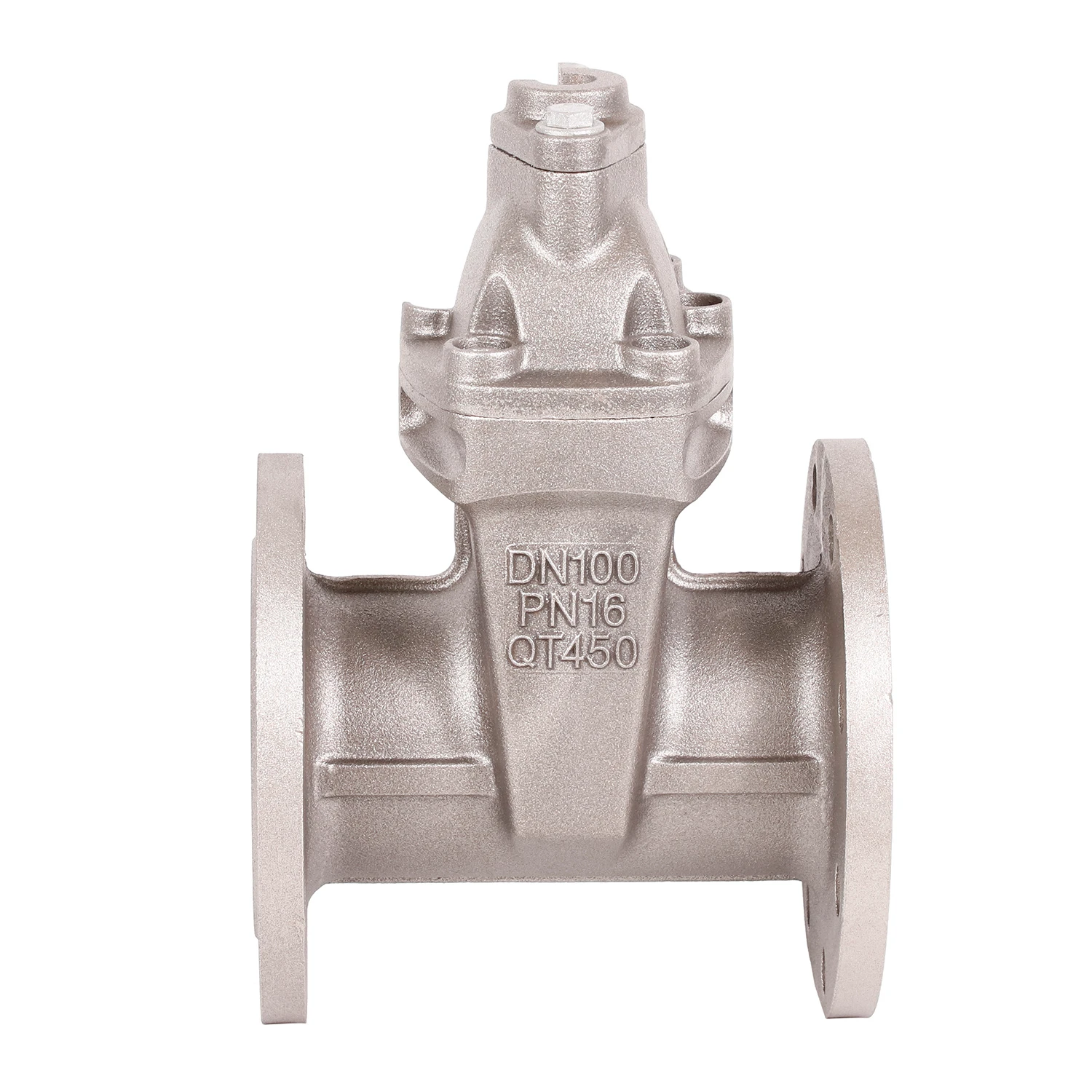

Industrial machinery and infrastructure depend heavily on components that can withstand extreme mechanical stress and environmental degradation. The process of creating metal forged parts custom involves the controlled deformation of metal into specific shapes, ensuring a grain structure that is far superior to cast or machined alternatives. This article examines the technical requirements and procurement strategies necessary for sourcing high-performance forged components.
For procurement officers and mechanical engineers, the challenge lies in balancing dimensional precision with structural integrity. In the B2B landscape, selecting a partner capable of managing the transition from technical drawings to finished hardware is critical. Whether for aerospace engines or marine fittings, the choice of forging method and material directly influences the lifecycle and safety of the end product.
Readers will gain insights into material compatibility—ranging from copper alloys to stainless steel—and the specific quality control metrics, such as Ra6.3 surface roughness and +/-0.01mm machining tolerances. By understanding these technical benchmarks, buyers can better evaluate supplier capabilities and avoid common pitfalls in the custom forging supply chain.
Foundations of Custom Metal Forging
Forging is a manufacturing process that uses localized compressive forces to shape metal. Unlike casting, where molten metal is poured into a mold, forging manipulates the metal's internal grain flow to follow the general contour of the part. This alignment significantly increases the strength-to-weight ratio and resistance to fatigue. In the context of industrial machinery, this means components can be designed thinner and lighter without sacrificing the structural durability required for high-pressure environments, such as in valve bodies or hydraulic cylinders. The process typically begins with a billet of raw material, which is then heated and pressed or hammered into shape using dies or open-forge methods, ensuring that voids and porosities are eliminated from the metal matrix.
Technical Procurement Guide for Forged Components
Sourcing forged components requires a deep dive into metallurgical specifications and manufacturing capabilities. A successful procurement cycle depends on the alignment between the engineering drawing and the supplier's actual production craft, ensuring that the chosen method—whether it be sand molding, lost-wax, or precision forging—matches the intended application's stress profile.
Material Selection and Metallurgical Properties
The choice of alloy determines the part's resistance to corrosion and mechanical wear. For high-strength applications, stainless steel and ductile iron are standard, while copper alloys and bronze are preferred for marine environments and electrical generators due to their oxidation resistance and conductivity. Hebei Mingda utilizes a wide array of materials including aluminium and brass to meet varying project specifications.
| Material Type | Key Property | Primary Application | Evaluation Metric |
|---|---|---|---|
| Ductile Iron | High Impact Strength | Hydrant Bodies | Tensile Strength |
| Stainless Steel | Corrosion Resistance | Chemical Valves | Pitting Resistance |
| Copper Alloy | Thermal Conductivity | Electrical Parts | Conductivity % |
| Aluminium | Low Density | Aero Components | Weight-to-Strength |
| Bronze | Low Friction | Pump Bushes | Wear Rate |
| Grey Iron | Damping Capacity | Machinery Bases | Compressive Strength |
Precision Forging Techniques and Tolerances
Dimensional accuracy is paramount in B2B machinery parts. Achieving a machining tolerance of +/-0.01mm requires high-precision equipment and stable tooling. The transition from a raw forging to a finished part involves strategic machining to ensure that the final geometry aligns perfectly with the customer's drawings, minimizing the need for extensive post-process corrections.
Surface Integrity and Finishing Standards
Surface roughness, often measured as Ra, impacts the part's interaction with other components. A standard of Ra6.3 is common for many industrial parts, but polishing is often applied to achieve smoother finishes. High-quality surface preparation prevents stress concentrations that could lead to premature cracking under load, particularly in high-pressure valve bodies.
Application-Specific Design Requirements
Different sectors demand different priorities. Aero engines require extreme lightweighting and thermal stability, whereas ship fittings prioritize corrosion resistance against saltwater. Forging solutions must be tailored; for instance, using lost-wax casting for complex geometries or traditional sand molds for larger, heavier raw castings up to 100kg.
Quality Assurance and Certification Frameworks
Reliability is validated through strict quality assurance systems. Adherence to ISO 9001:2008 and SGS certifications ensures that the production process is consistent. Buyers should verify that the supplier has a system for verifying material grade and dimensional accuracy before the parts leave the facility to save time and costs on returned shipments.
Lead Time Optimization in B2B Sourcing
Supply chain efficiency is measured by lead time. While a standard window is typically 30 days, specialized logistics and production scheduling can reduce this to 20 days in urgent cases. This flexibility is crucial for buyers looking to avoid expensive air freight costs or to prevent production line shutdowns due to missing components.
Customization Capability Assessment
The ability to handle diverse production crafts—such as resin sand, hot core boxes, and lost-foam—allows a supplier to optimize the cost-to-quality ratio. Hebei Mingda leverages its network of specialized foundries in China to match the specific technical requirements of each drawing with the most suitable production facility.
FAQ
What is the primary advantage of forged parts over cast parts?
The primary advantage is the refined grain structure. Forging aligns the metal's grain flow to the shape of the part, which significantly enhances mechanical strength, toughness, and resistance to fatigue and impact compared to the random grain structure found in castings.
Which materials are best for marine environment components?
Bronze and copper alloys are highly recommended for marine products and ship fittings due to their inherent resistance to saltwater corrosion and oxidation. Stainless steel is also used for specific high-strength requirements in corrosive environments.
How do you ensure the dimensional accuracy of a custom forging?
Accuracy is ensured through a combination of precision die design and post-forging machining. By implementing strict quality control and utilizing machining tolerances as tight as +/-0.01mm, suppliers can ensure the final part matches the customer's technical drawings exactly.
What certifications should I look for in a forging supplier?
Look for ISO 9001 certification for general quality management and SGS certification for product safety and material verification. These ensure that the supplier follows standardized production and testing protocols.
Can forged parts be produced in very complex geometries?
Yes, although extremely complex shapes may require a hybrid approach. Using techniques like lost-wax casting for the initial form followed by precision machining allows for the creation of intricate geometries while maintaining the necessary material properties.
What factors influence the lead time for custom forged components?
Lead times are influenced by material availability, die fabrication time, and the complexity of the finishing process. Standard lead times are around 30 days, but streamlined production and efficient logistics can reduce this to 20 days for urgent requirements.
References and further reading
- International Standards for Metal Forging and Heat Treatment (ISO/ASTM)
- Guide to Copper Alloy Properties in Marine Engineering Applications
- Technical Manual on Precision Machining Tolerances for Industrial Components


