High Precision Custom Metal Stamping Die for Industrial Parts
Precision in metal forming often hinges on the synergy between tool design and material behavior. When industrial components require tight tolerances and high repeatability, the quality of the tooling determines the viability of the entire production run. For engineers in the automotive, aerospace, and medical sectors, selecting a reliable partner for a custom metal stamping die is not just about cost, but about minimizing scrap rates and ensuring structural integrity. By integrating advanced metallurgical knowledge with precise machining, manufacturers can produce complex parts that maintain consistency over millions of cycles.
Whether the project involves stainless steel for corrosive environments or aluminum for lightweight applications, the tooling must be engineered to withstand immense pressure while maintaining a smooth surface finish. Hebei Mingda leverages extensive experience in castings and machinery parts to provide comprehensive solutions that bridge the gap between complex technical drawings and finished, high-performance industrial components.

Engineering Fundamentals of High-Precision Metal Forming Tooling
The efficacy of metal forming relies heavily on the precision of the tool's geometry and the quality of the steel used in its construction. To achieve the required accuracy, designers must account for material springback, friction coefficients, and the thermal expansion of the metal during high-speed operation. A well-engineered tool ensures that the metal flows predictably, reducing the risk of tearing or wrinkling in the final part.
Modern production environments demand versatility. This is why integration of secondary operations is critical. For instance, combining the primary forming process with high-precision machining, polishing, or plating ensures that the final component meets stringent industry standards. The ability to work with a variety of materials, including 304 and 316 stainless steel, allows for the creation of components that are not only dimensionally accurate but also chemically resistant to harsh operating conditions.
- Material Selection: Utilizing high-grade tool steels to extend die life and maintain edge sharpness.
- Tolerance Control: Achieving typical tolerances of ± .005″ per inch to ensure seamless assembly.
- Surface Integrity: Implementing polishing and anodizing to reduce friction and prevent premature wear.

Industrial Applications Across Diverse Engineering Sectors
The demand for custom-engineered tooling spans a wide array of critical industries. In the automotive sector, precision parts are essential for engine components and safety systems where failure is not an option. Similarly, the food and dairy industry requires components made from stainless steel investment castings to ensure hygiene and corrosion resistance. These applications demand a level of surface smoothness that can only be achieved through rigorous process controls and repeatability.
In the medical and aerospace fields, the focus shifts toward extreme lightweighting and biocompatibility. Components ranging from 0.1 inch to 24 inches must be produced with absolute fidelity to the original design. By utilizing a combination of resin sand, lost-wax, and precision machining, manufacturers can provide components that serve as the backbone for complex machinery, submarine parts, and petrochemical valves, ensuring they can withstand extreme pressures and temperature fluctuations.
Quality Assurance and Manufacturing Process Integration
A robust quality assurance system is the only way to ensure that complex drawings are translated into physical parts without error. This involves a multi-stage inspection process, starting from the initial wax injection and shell making in casting processes to the final surface grinding and heat treatment. By maintaining strict control over the production craft, companies can reduce the burden of extra air freight costs by avoiding rework and meeting delivery deadlines efficiently.
The integration of secondary treatments further adds value to the primary forming process. Options such as zinc plating, nickel plating, and powder coating are not merely aesthetic; they provide critical protection against oxidation and wear. For components used in mining or energy sectors, acid treatment and phosphating are often employed to enhance the durability of the part in abrasive environments.
Technical Comparison of Forming Materials and Processes
| Material Type | Typical Application | Surface Finish | Wear Resistance |
|---|---|---|---|
| Stainless Steel (304/316) | Medical, Food, Marine | Very Smooth | High (Corrosion) |
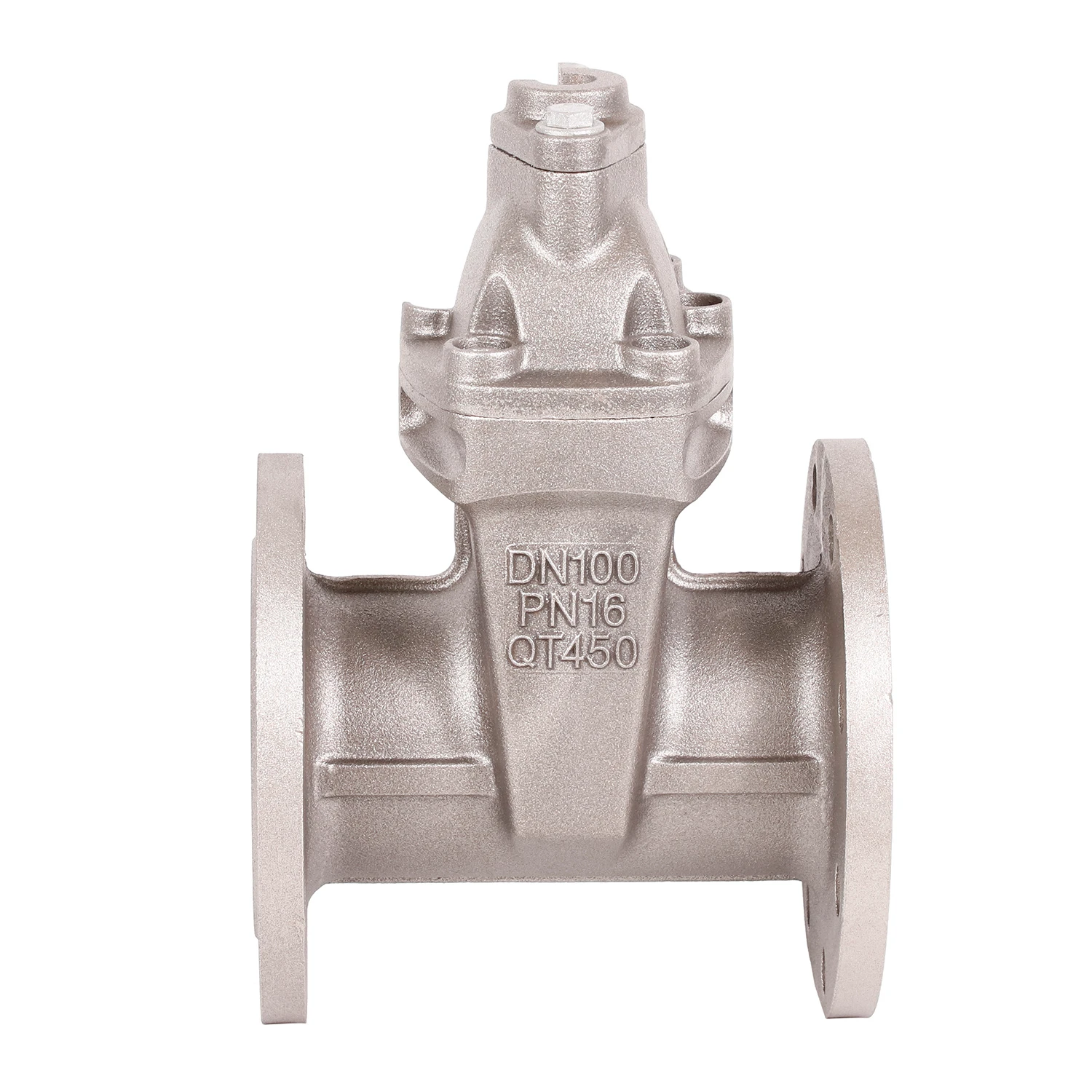
| Ductile/Grey Iron | Hydrant Bodies, Valves | Industrial Matte | Medium to High |
| Aluminum Alloys | Aerospace, Automotive | Precision Machined | Medium |
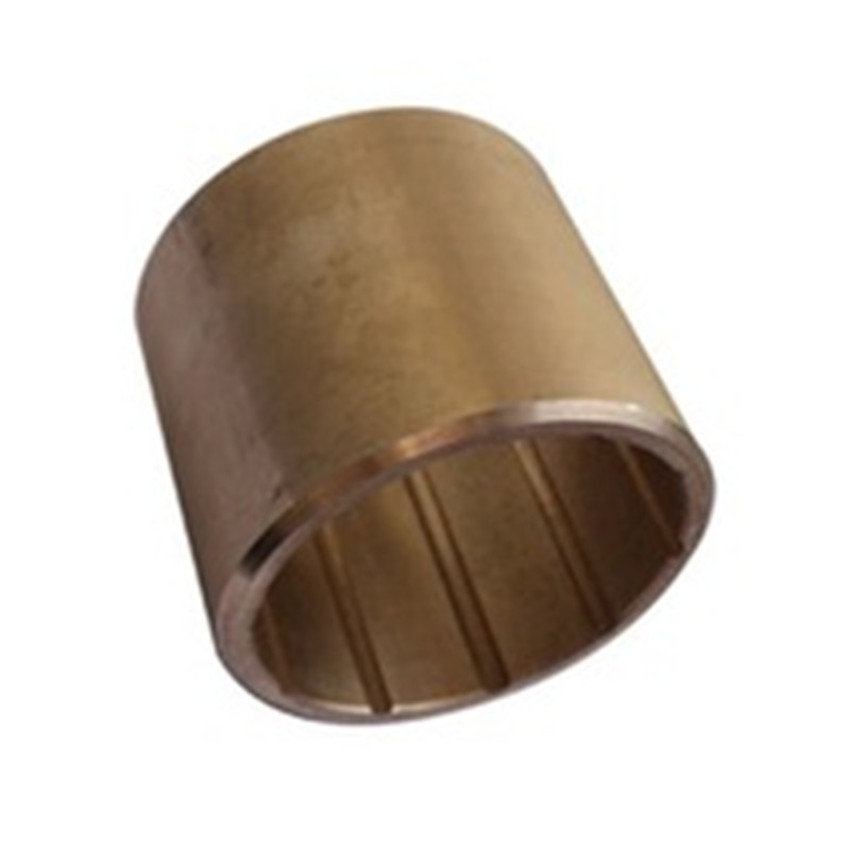
| Brass/Bronze | Pipe Fittings, Bushings | Polished/Plated | High (Friction) |
| Tool Steel | Tooling and Dies | Hardened/Ground | Extreme |
Strategic Procurement and Supplier Evaluation Criteria
When sourcing complex metal components, procurement managers must look beyond the initial quote. The ability of a supplier to offer flexible production crafts—such as the choice between sand mould or lost-foam casting—can significantly impact the lead time and final cost. A supplier with deep interactions across multiple manufacturing facilities can better match the specific requirements of a drawing to the most suitable foundry and equipment.
Key evaluation factors should include the supplier's track record in quality control and their ability to perform extraordinary lead times when necessary. For instance, reducing a normal 30-day lead time to 20 days can be a critical advantage in avoiding production shutdowns. Buyers should prioritize partners who provide transparent documentation on material grades and provide verified inspection reports for every shipment.
Future Trends in Precision Metal Component Production
The industry is moving toward higher integration and tighter tolerances. The adoption of advanced simulation software allows engineers to predict how a custom metal stamping die will perform before a single piece of steel is cut, drastically reducing prototyping costs. Furthermore, the shift toward sustainable materials and more energy-efficient casting methods is reshaping how components for the energy and electrical sectors are produced.
As global supply chains become more complex, the role of specialized trading and manufacturing intermediaries is growing. These entities provide the necessary bridge between high-capacity Chinese foundries and the stringent quality standards of markets in Germany, Sweden, the UK, and the USA. The future of the industry lies in the ability to provide "best quality at the best competitive price" through optimized logistics and superior quality management systems.
Frequently Asked Questions About Precision Metal Tooling
What factors influence the lifespan of a metal stamping tool?
The lifespan is primarily determined by the grade of tool steel used, the precision of the heat treatment process, and the lubrication used during production. Regular maintenance and the use of high-wear-resistant coatings can significantly extend the number of cycles a tool can perform before requiring refurbishment.
Can you produce components for highly corrosive environments?
Yes, by utilizing stainless steel investment casting (grades such as 304, 316, 304L, and 316L), components can be engineered for maximum corrosion resistance. This is ideal for applications in petrochemical, marine, and medical industries.
What is the typical range of sizes for custom cast and stamped parts?
Depending on the process, parts can range from as small as 0.1 inch to as large as 24 inches, with weights ranging from a few grams up to 50 pounds, ensuring versatility for both micro-components and heavy industrial parts.
Which secondary operations are available for surface enhancement?
We offer a wide array of treatments including high-precision machining, polishing, zinc/nickel/chrome plating, anodizing, phosphating, and powder coating, depending on the functional requirements of the part.
How do you ensure that parts match the customer's technical drawings?
We implement a strict quality assurance system that includes interpreting technical drawings, performing dimensional inspections, and utilizing a network of suitable production facilities that match the specific craft required for the part.
What is the standard lead time for custom metal orders?
Our normal lead time is approximately 30 days. However, for urgent requirements, we can often perform extraordinary delivery in as little as 20 days to help clients avoid expensive air freight costs.
Technical References and Industry Standards
- ASTM International - Material Standards for Tool Steels
- ISO Standards for Quality Management in Manufacturing
- ASME - Mechanical Engineering Design Guidelines
- NIST - Precision Measurement and Metrology
Selecting the right partner for your industrial components ensures not only the quality of the part but the efficiency of your entire production line. For those requiring high-precision metal solutions with a focus on durability and tight tolerances, Hebei Mingda provides the expertise and manufacturing network to bring your technical designs to life.
Related Engineering Insights