


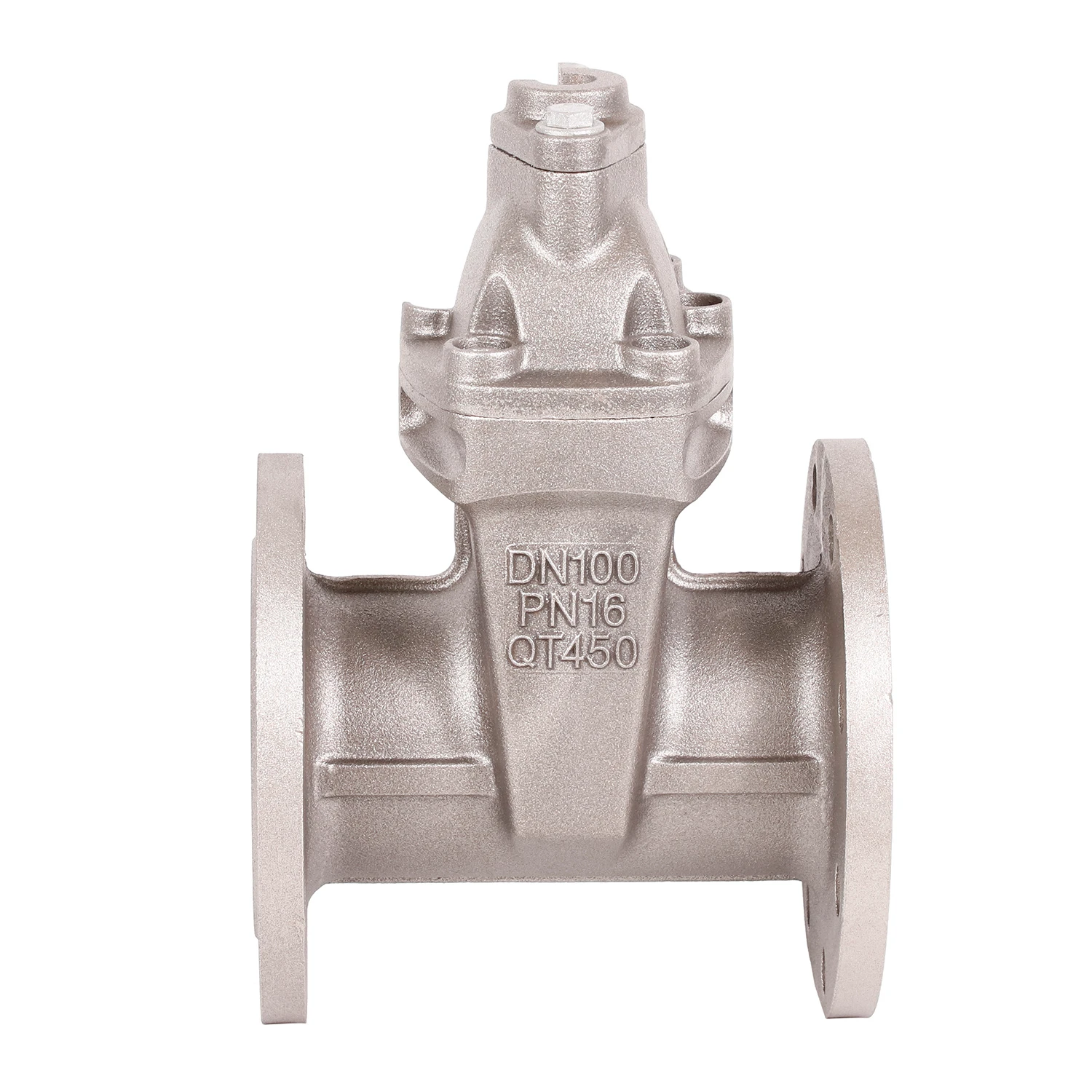

Custom steel forging is a critical metallurgical process used to create high-strength components that can withstand extreme mechanical stress and harsh environmental conditions. Unlike casting, forging manipulates the grain structure of the metal to enhance toughness and fatigue resistance, making it indispensable for safety-critical industries. This article provides a comprehensive analysis of the technical and procurement considerations involved in sourcing high-precision forged components.
For engineers and procurement managers, navigating the complexities of steel forged parts custom requirements involves balancing material properties, geometric tolerances, and cost-efficiency. In sectors such as petrochemicals and heavy machinery, the choice between alloy steel, carbon steel, or stainless steel can dictate the operational lifespan of a pressure vessel or a drilling rod, directly impacting overall plant safety and maintenance costs.
Readers will gain insights into the optimal selection of forging materials, the integration of heat treatment for stress relief, and a framework for evaluating trading companies that bridge the gap between specialized foundries and end-users. By understanding the interplay between production crafts and quality control, businesses can reduce lead times and ensure compliance with international industrial standards.
Forging Fundamentals in Industrial Manufacturing
The core value of forging lies in its ability to refine the internal microstructure of the steel. By applying controlled compressive forces, the metal's grain flow is oriented to follow the general shape of the part, which significantly increases the part's resistance to impact and wear. This is particularly vital for components subjected to cyclic loading or high-pressure environments. In the broader context of metal products manufacturing, forging serves as the primary method for creating heavy-duty parts where structural integrity cannot be compromised.
Modern industrial forging encompasses a variety of techniques, from open-die forging for massive components to precision closed-die forging for complex geometries. The process typically begins with ingot smelting, followed by heating the billet to a plastic state, forging, and subsequently applying heat treatments. These stages ensure that the final product possesses the required hardness and ductility. For professional buyers, understanding these metallurgical foundations is essential to avoid common pitfalls such as internal voids or inconsistent grain structures that could lead to catastrophic failure in the field.
Strategic Guide to Custom Steel Forging
Successfully implementing a custom forging strategy requires a deep alignment between technical drawings and the capabilities of the production facility. The following sections detail the critical dimensions of the procurement and manufacturing cycle, from material science to final logistics.
Material Selection Analysis
The choice of material is the most fundamental decision in the forging process. Depending on the operating environment—whether it be corrosive chemical exposure or extreme thermal fluctuations—different steel grades are required to ensure stability and longevity.
| Material Type | Key Property | Common Application | Primary Limitation |
|---|---|---|---|
| Carbon Steel | High Strength | General Machinery | Corrosion Susceptibility |
| Alloy Steel | Wear Resistance | Drilling Rods | Complex Heat Treatment |
| Stainless Steel | Corrosion Resistance | Chemical Valves | Higher Raw Material Cost |
| Ductile Iron | Impact Absorption | Hydrant Bodies | Lower Tensile Strength |
| Aluminium Alloys | Lightweight | Aerospace Parts | Lower Melting Point |
| Brass/Bronze | Low Friction | Pipe Fittings | Lower Load Capacity |
Precision Customization Capabilities
Customization in forging is not merely about shape but about achieving precise mechanical properties. This involves utilizing advanced production crafts such as resin sand and lost-wax techniques for complex geometries. Hebei Mingda International Trading Company facilitates this by leveraging a network of specialized factories in China, ensuring that the chosen production craft—whether it be sand mould or hot core boxes—matches the customer's specific drawing and tolerance requirements.
Petrochemical Application Scenarios
The petrochemical industry demands the highest levels of reliability. Forged components are extensively used in gas and oil drilling, storage, and transportation. Key parts include tube sheets, pressure vessels, flanges, cylinders, and pistons. In these scenarios, the forged part must resist high-pressure bursts and chemical degradation, making the precision of the forging process and subsequent machining absolutely critical for leak prevention.
Quality Assurance Protocols
A rigorous quality assurance system is the only way to mitigate the risks associated with B2B metal procurement. Effective quality control must cover the entire lifecycle: from ingot smelting and forging to heat treatment and final inspection. Strict adherence to quality standards saves both time and money by reducing the rate of rejects during final assembly. This includes verifying material certifications and performing dimensional checks prior to delivery.
Manufacturing Process Integration
The transition from a raw forging to a finished machinery part requires seamless integration of several processes. After the forging stage, parts often undergo finish machining to reach final tolerances. A comprehensive service model includes the forging process, heat treatment, machining, packaging, and local logistics. Managing these steps through a specialized partner ensures that the integrity of the forged grain is not compromised during the machining phase.
Lead Time and Supply Chain Factors
In industrial procurement, lead time is often as critical as quality. Standard lead times for custom forgings typically hover around 30 days, but extraordinary requirements can sometimes be compressed to 20 days to avoid costly air freight. Understanding the flexibility of the supply chain allows buyers to manage their inventory levels more effectively and respond quickly to urgent plant maintenance needs.
Evaluation Criteria for Suppliers
When evaluating a forging partner, buyers should look beyond the price. Key criteria include the supplier's ability to select the most suitable foundry for a specific drawing, their experience with specific products (such as hydrant or valve bodies), and their track record in exporting to demanding markets like Germany, Sweden, and the USA. A partner who can provide a range of material options—including ductile iron and stainless steel—offers greater flexibility for diversified product lines.
FAQ
What is the primary advantage of forged steel over cast steel?
Forged steel is superior in terms of structural integrity because the forging process aligns the grain flow of the metal with the part's geometry. This results in significantly higher tensile strength, better fatigue resistance, and greater toughness compared to cast steel, which has a more random internal structure and may contain porosity.
Which materials are best for petrochemical forged components?
The choice depends on the specific application. Alloy steel and carbon steel are common for high-pressure vessels and drilling rods due to their strength. However, for components exposed to corrosive chemicals or salty environments, stainless steel is preferred. The exact grade is typically determined by the customer based on the chemical composition of the fluids being transported.
How does heat treatment affect the quality of a forged part?
Heat treatment is essential for relieving internal stresses created during the forging process. It allows the manufacturer to adjust the hardness and ductility of the steel. Without proper heat treatment, a forged part may be too brittle or too soft for its intended application, potentially leading to cracking or deformation under load.
What should I provide to a supplier for an accurate forging quote?
To receive an accurate quote, you should provide detailed technical drawings, the required material grade (e.g., stainless steel or alloy steel), the desired quantity, and any specific quality standards or certifications required. Providing information on the end-use application also helps the supplier recommend the most efficient production craft.
Can forged parts be machined to precise tolerances?
Yes, most forged parts are produced as "rough forgings" and then undergo finish machining. This two-step process combines the strength of forging with the precision of CNC machining. This is standard practice for components like flanges and pistons where exact fit and seal are mandatory.
How do I evaluate the reliability of a forging trading company?
Evaluate their network of foundries and their ability to match the right craft (e.g., lost-wax vs. sand mould) to your drawing. Check their export history to regions with strict quality standards, such as the EU or USA, and verify if they have a strict internal quality assurance system that operates independently of the factory's basic checks.
References and further reading
- Industrial Forging Standards for Petrochemical Pressure Vessels.
- Metallurgical Properties of Alloy Steels in High-Stress Environments.
- Comparative Analysis of Precision Casting vs. Closed-Die Forging.


