Phone:
+86 18631189888

Email:
liyanhui@bestcastings.cn


At first glance, custom stamping might feel like just another industrial process — sheets of metal pressed into shape with precision. Yet, if you pause and consider the role stamped metal parts play worldwide, you start to see a much broader picture. From tiny components in medical devices to robust building materials in disaster relief shelters, custom stamping quietly powers countless industries. Its importance spans regions and sectors, influencing economic growth, sustainability, and humanitarian efforts on a global scale.
Today's manufacturing landscape is more interconnected than ever. According to the International Organization for Standardization (ISO), efficient production techniques—including custom stamping—are key drivers of industrial competitiveness worldwide. The process enables mass production of complex parts with remarkable repeatability, which directly impacts supply chains in automotive, aerospace, electronics, and construction industries.
Globally, challenges such as resource scarcity, increasing environmental regulations, and demand for lightweight yet durable materials put pressure on manufacturers to innovate. Custom stamping addresses these head-on by offering precise shaping methods that reduce waste and improve cost efficiency. Without it, meeting the pace and scale of today's industrial demands would… well, frankly, be impossible.
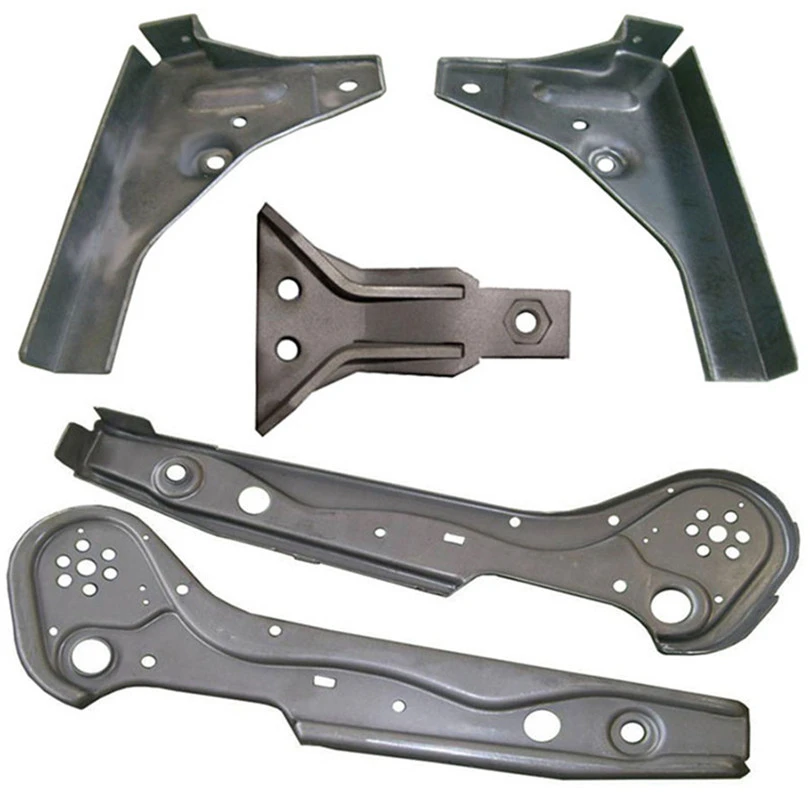
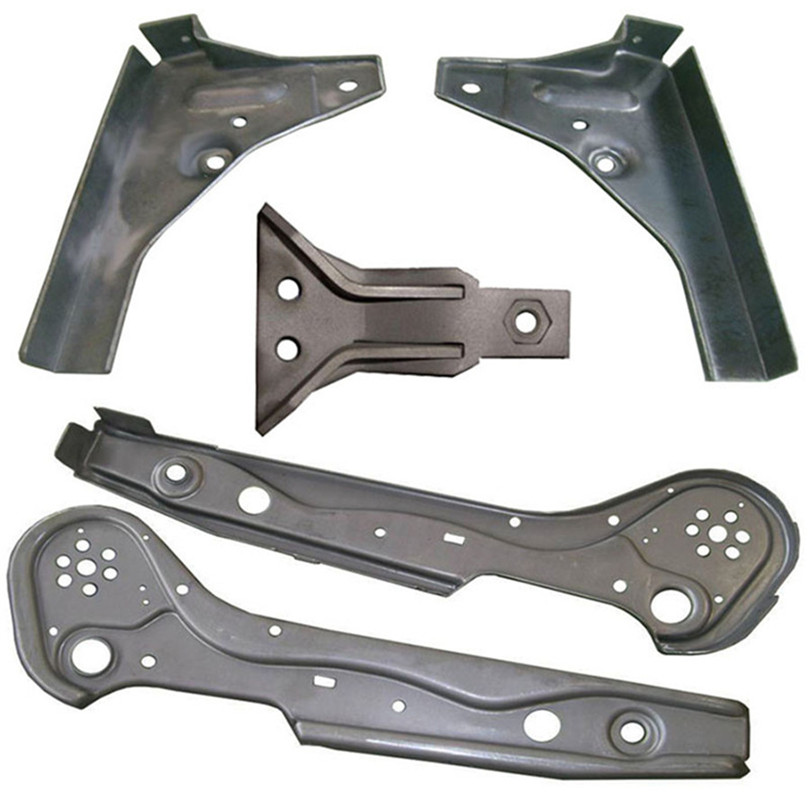
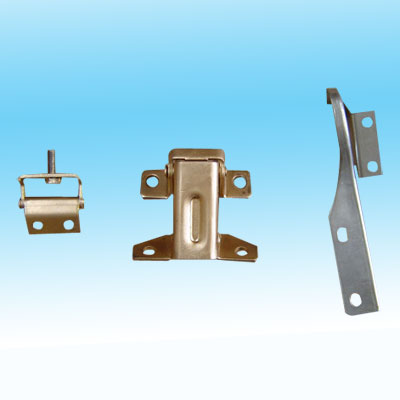
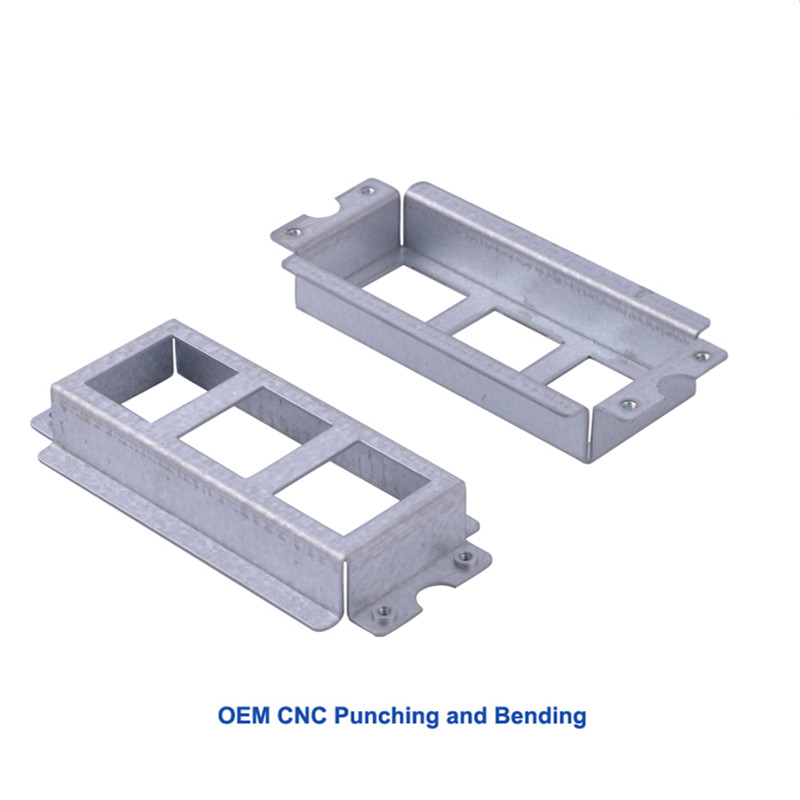
Simply put, custom stamping is a manufacturing technique where a flat sheet or coil of metal is pressed, cut, or formed into a specific shape using a stamping press and a custom-designed die. Think of it as metal origami, but powered by industrial presses and precision engineering. This process is ideal for creating repetitive, complex parts quickly and consistently.
Its relevance to both modern industry and humanitarian needs can’t be overstated. For example, in emergency response, stamped metal parts are used to fabricate quick-assembly shelters or medical equipment, making rapid deployment feasible and safe. The ability to tailor each stamped piece precisely ensures fit and function match anywhere on the globe.
Stamped parts must withstand operational stresses. Material choice (steel, aluminum, copper) combined with design precision ensures stamped components don’t just fit — they last. Durability is crucial in automotive components or infrastructure applications where safety is non-negotiable.
One of the beauties of custom stamping is its ability to scale. Whether producing dozens or millions of parts, the die and press setups remain consistent. This means lower per-unit costs and faster turnaround times — a practical advantage in sectors like consumer electronics where product life cycles are short.
Stamping reduces labor costs by automating shaping tasks. Moreover, optimized die designs minimize metal waste, which ties directly to lowering raw material expenses. Oddly enough, by investing upfront in custom tooling, companies save significantly on mass production runs.
Every stamping die is tailored to a product’s unique specifications. This level of customization means parts not only meet exact tolerances but also integrate seamlessly into larger assemblies. It’s like a well-choreographed dance between machines and metal.
With global pushes toward environmentally friendly manufacturing, stamping is gaining ground due to its minimal material waste and energy efficiency compared to other forming methods. Recyclable scrap and improved process controls further enhance its green credentials.
Custom stamping serves industries worldwide — from North America’s automotive hubs to Asia’s booming electronics manufacturing zones. Let’s glance at a few notable examples:
These applications illustrate why regions with strong manufacturing bases invest heavily in custom stamping technologies to stay competitive globally.
The benefits of custom stamping are both tangible and intangible:
In real terms, choosing custom stamping often equates to balancing innovation with practicality — a win-win for both producers and end-users.
The field is evolving rapidly. Here are a few trends to keep an eye on:
Companies adopting these innovations often gain a competitive edge by improving quality while trimming environmental footprints.
It’s not all smooth sailing. Issues such as design complexity, tool wear, and the upfront capital required for die manufacturing can deter newcomers. However, advances in rapid prototyping and modular die sets help reduce initial costs.
Also, workforce skill shortages in some regions can hinder the process — the solution often comes from investing in workforce training and partnering with experienced vendors who provide comprehensive support.
| Specification | Details |
|---|---|
| Material Types | Steel (carbon, stainless), Aluminum, Copper, Brass |
| Thickness Range | 0.1 mm to 6 mm (varies by equipment) |
| Press Capacity | 20 to 2,000+ tons |
| Tooling | Custom-engineered dies made from tool steel |
| Tolerance | ±0.02 mm to ±0.1 mm depending on complexity |
| Vendor | Key Strength | Minimum Order | Lead Time | Industry Focus |
|---|---|---|---|---|
| StampTech Solutions | Rapid prototyping & small batch runs | 100 pcs | 4 weeks | Medical devices, electronics |
| Global MetalWorks | High volume automotive stamping | 10,000 pcs | 6 weeks | Automotive, aerospace |
| Precision Press Co. | Customized die engineering & consulting | 500 pcs | 5 weeks | Construction, electronics |
To get tailored solutions and optimize your projects, be sure to explore expert partners like custom stamping providers who combine experience with cutting-edge tech.
In sum, custom stamping is far more than just an industrial technique—it is a linchpin for innovation, sustainability, and global manufacturing resilience. It enables manufacturers to meet exacting demands efficiently while embracing the future’s environmental and technological challenges. Whether you’re fabricating millions of automotive parts or crafting bespoke pieces for humanitarian use, understanding and leveraging custom stamping can transform your operations.
Curious to explore how custom stamping can drive your next project forward? Visit https://www.mingdametals.com to discover tailored solutions today.
Mini takeaway: Custom stamping is a quietly transformative process that balances precision, scalability, and sustainability—powering industries and impacting lives worldwide.