0%

Table of Contents

Hydrant pipes – they’re more than just metal tubes. After years spent on construction sites, knee-deep in mud and talking shop with engineers, I can tell you they're the unsung heroes of safety and infrastructure. Reliable water supply is the backbone of any community, and these pipes are the arteries delivering it. From fighting fires to maintaining essential services, hydrant pipes are a critical component we simply can’t take for granted. They’re not glamorous, but when you need them, you really need them.

What gets overlooked is the sheer complexity of getting it right. It's not just about buying pipe; it’s about understanding soil conditions, pressure requirements, long-term corrosion risks, and adherence to increasingly strict regulations. I’ve seen projects delayed, and budgets blown, because someone skimped on the quality or didn't consider the full lifecycle cost of the piping system. That's why knowing your materials, and choosing wisely, is paramount.

Over the years, I've seen a real shift in the industry. We’re moving away from ‘good enough’ and towards solutions that prioritize longevity, sustainability, and ease of maintenance. The demand for robust, reliable hydrant pipes is only going to increase as our infrastructure ages and the challenges of climate change become more acute.
The Vital Role of Hydrant Pipes in Modern Infrastructure Systems

The Importance of Hydrant Pipes

The Vital Role of Hydrant Pipes in Modern Infrastructure Systems

Look, I’ve been on enough sites to know a critical component when I see one. Hydrant pipes aren’t just about fire safety; they’re integral to municipal water distribution, construction site water access, and even industrial processes. A failure isn’t a minor inconvenience; it can have catastrophic consequences. We’re talking about potential loss of life, property damage, and significant economic disruption.

The sheer scale of the need is massive. The UN estimates that billions of people lack access to safe and reliable water sources, and aging infrastructure in developed nations is constantly facing challenges. That translates to a huge, ongoing demand for high-quality hydrant pipes that can withstand the test of time.

Defining Hydrant Pipes: A Practical Perspective

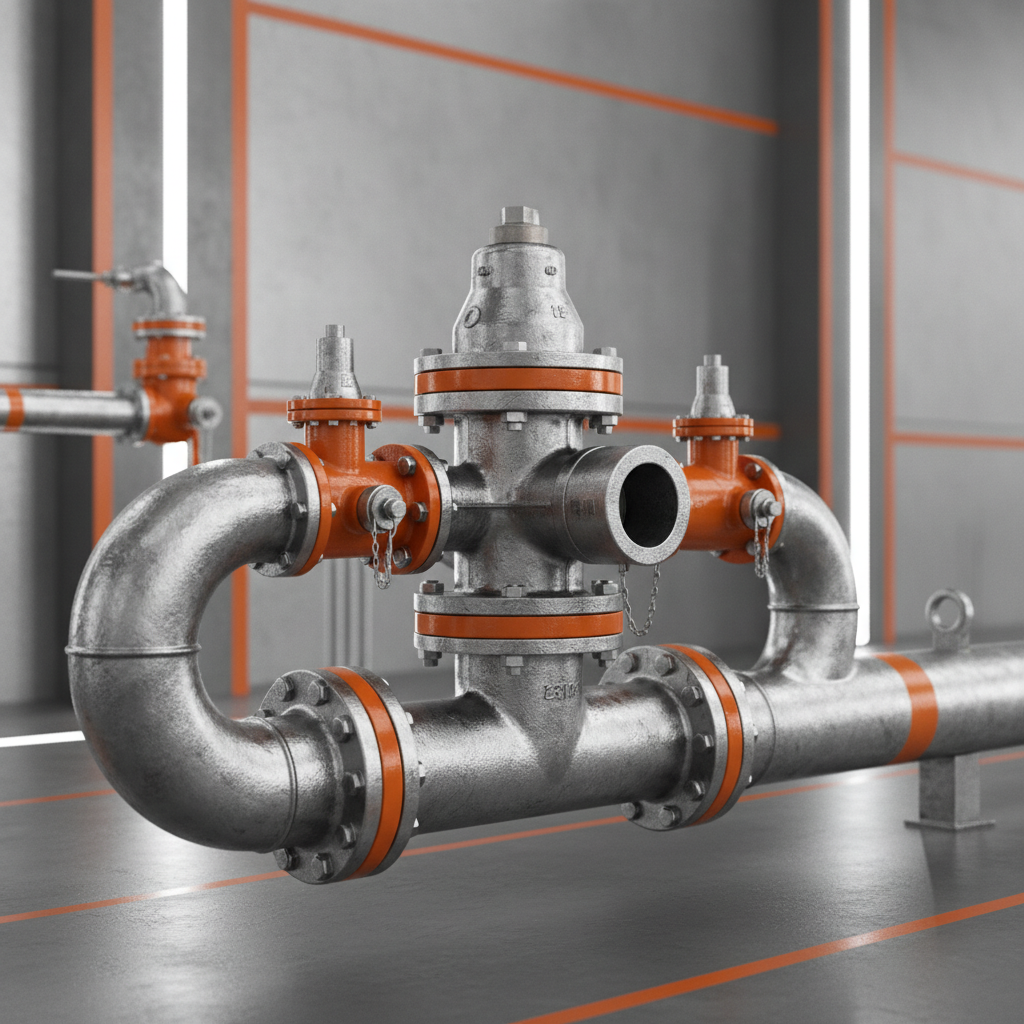
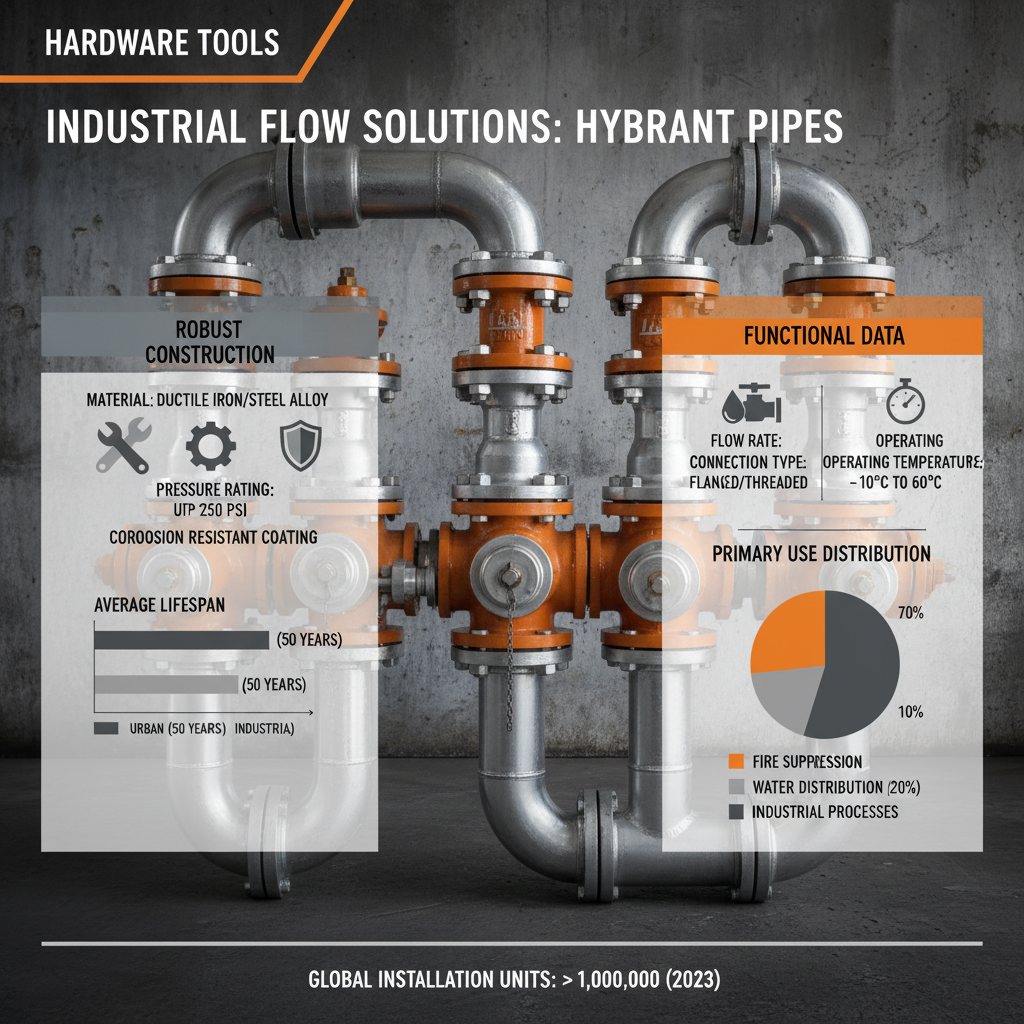
Simply put, hydrant pipes are the network of underground pipelines that deliver water to fire hydrants. But it’s more nuanced than that. They're typically constructed from ductile iron, steel, PVC, or HDPE, each with its own strengths and weaknesses. The specific material choice depends on factors like soil type, water pressure, climate, and budget.

What separates a good hydrant pipe from a bad one is its ability to reliably deliver a consistent flow of water when it’s needed most. It's not just about the initial pressure; it’s about maintaining that pressure over decades, even in harsh conditions. This connects directly to modern industry needs for stable and predictable resource availability.

From a humanitarian perspective, these pipes are lifelines. In disaster-stricken areas, they provide essential water for firefighting, sanitation, and survival. A robust and well-maintained hydrant network can significantly reduce the impact of emergencies.

Key Characteristics of High-Quality Hydrant Pipes

When I’m inspecting a site, there are several things I look for. First and foremost: corrosion resistance. We're burying these things underground, and they’re constantly exposed to moisture and chemicals. A robust coating system is essential.

Second, pressure rating. The pipe needs to withstand the maximum anticipated water pressure, with a significant safety margin. We’re not just thinking about normal operating conditions; we're accounting for surges and spikes. Third, joint integrity. Leaks are unacceptable. Properly sealed joints are critical for maintaining pressure and preventing contamination.

Finally, ease of installation. We’re working on tight schedules and with limited manpower. Pipes that are easy to handle, cut, and connect save time and money. Those simple factors can impact entire project timelines.

Durability and Material Science in Hydrant Pipes

Durability boils down to material science. Ductile iron offers excellent strength and corrosion resistance, but it’s heavy and can be prone to brittle fracture in certain conditions. Steel is strong but requires extensive corrosion protection. PVC and HDPE are lightweight and corrosion-resistant, but their pressure ratings are generally lower.

Newer materials, like advanced polymers and composite materials, are showing promise, offering a balance of strength, lightweight, and corrosion resistance. I’ve been seeing more and more of these on projects, and the early results are encouraging.

Hydrant Pipe Material Performance Comparison


Global Applications and Real-World Use Cases

From the bustling cities of North America to the rapidly developing infrastructure of Southeast Asia, the need for reliable hydrant pipes is universal. In post-disaster relief operations, these pipes are often the first lifeline to get water flowing again.

I’ve worked on projects in remote industrial zones where a consistent water supply is critical for mining operations and manufacturing plants. In these scenarios, the cost of downtime due to a pipe failure far outweighs the initial investment in a high-quality system.

The Long-Term Value Proposition of Reliable Hydrant Pipes

Let's talk about cost. Sure, cheaper pipes might save you money upfront, but they'll likely lead to more frequent repairs, increased maintenance costs, and potentially catastrophic failures down the line. A well-engineered and properly installed system pays for itself over time.

Beyond the financial benefits, there's a significant social impact. Reliable water infrastructure improves public health, enhances community resilience, and contributes to a higher quality of life. It’s about building trust and providing a sense of security.

Future Trends and Innovations in Hydrant Pipe Technology

We're seeing a growing emphasis on sustainability. Manufacturers are exploring the use of recycled materials and developing more energy-efficient production processes. Smart pipe technologies, incorporating sensors and data analytics, are also gaining traction, allowing for real-time monitoring of pressure, flow, and potential leaks.

Digital twin technology – creating virtual replicas of physical infrastructure – is another promising development. This allows engineers to simulate different scenarios and optimize pipe network performance. Automation in the manufacturing process is improving precision and reducing costs.

The integration of these technologies is going to revolutionize how we design, install, and maintain hydrant pipe networks for decades to come.

Overview of Hydrant Pipe Performance Analysis

Material Type Corrosion Resistance (1-10) Installation Difficulty (1-10) Lifecycle Cost (USD/meter)
Ductile Iron 8 6 $45
Carbon Steel 4 5 $30
PVC 9 8 $20
HDPE 10 7 $25
Composite Material 9 4 $50
Stainless Steel 10 3 $75

FAQS

What is the typical lifespan of hydrant pipes?

The lifespan really depends on the material and installation quality. Ductile iron, with proper coatings, can last 75-100 years. PVC and HDPE can also achieve similar longevity. However, poor installation or aggressive soil conditions can significantly reduce this timeframe. Regularly scheduled inspections are crucial for identifying potential issues before they become major problems.

How do soil conditions affect hydrant pipe selection?

Soil corrosivity is a huge factor. Highly acidic or alkaline soils can accelerate corrosion. We also need to consider soil stability; unstable soils can put stress on the pipes. For corrosive soils, we often opt for materials like HDPE or ductile iron with specialized coatings. In unstable soils, we might need to reinforce the bedding or use more robust jointing systems.

What are the key differences between PVC and HDPE hydrant pipes?

Both are plastic, but HDPE is more flexible and has a higher pressure rating. PVC is generally more cost-effective. HDPE is better suited for applications where ground movement is expected, while PVC is a good choice for less demanding applications. It really comes down to balancing cost with performance requirements.

How often should hydrant pipes be inspected and tested?

Regular inspections, at least annually, are a must. We perform flow tests to check for pressure drops and leaks. We also visually inspect the pipes for signs of corrosion or damage. More frequent inspections might be required in areas with known corrosion problems or high traffic. Documentation of these inspections is vital.

What are some common causes of hydrant pipe failures?

Corrosion is a big one, especially in older systems. Joint failures are also common, often due to improper installation or soil movement. External loads, like heavy traffic or excavation, can also cause damage. And, unfortunately, vandalism can sometimes be a factor. Proactive maintenance can mitigate many of these risks.

Are there any new technologies emerging for hydrant pipe repair?

Definitely. Trenchless repair technologies, like pipe lining and bursting, are becoming increasingly popular. These methods minimize disruption and reduce excavation costs. We’re also seeing more sophisticated leak detection technologies, using acoustic sensors and drones, to pinpoint problems quickly and accurately.

Conclusion

From my experience on the ground, hydrant pipes are a cornerstone of safe and reliable infrastructure. Choosing the right materials, prioritizing quality installation, and implementing a robust maintenance program are all critical for maximizing their lifespan and ensuring their performance when they’re needed most. They aren't glamorous, but they are profoundly important.

Looking ahead, the integration of smart technologies and sustainable materials will continue to shape the future of this industry. Investing in innovative solutions now will not only reduce costs and improve efficiency but also enhance the resilience of our communities and protect our valuable water resources. To learn more about high-quality hydrant pipes and related solutions, visit our website: www.mingdametals.com.

William Davis

William Davis

William Davis works as a Technical Support Specialist at Hebei Mingda International Trading Company, catering to our US-based customers. He possesses a strong engineering background and provides support on material selection, casting design, and machining processes. William excels at understanding client needs and translating them into actionable production instructions for
Previous Essential Hydrants for Modern Fire Suppression and Community Safety
Next The Enduring Reliability of Ductile Iron Hydrant Body Systems