Phone:
+86 18631189888

Email:
liyanhui@bestcastings.cn


Having spent a fair share of my career in the industrial equipment sector, I've learned firsthand that not all brass tap fittings are created equal. Sure, at first glance, it might feel like a straightforward commodity—but dig a little deeper, and you realize the industry is riddled with subtle differences that matter a lot in real-world usage.
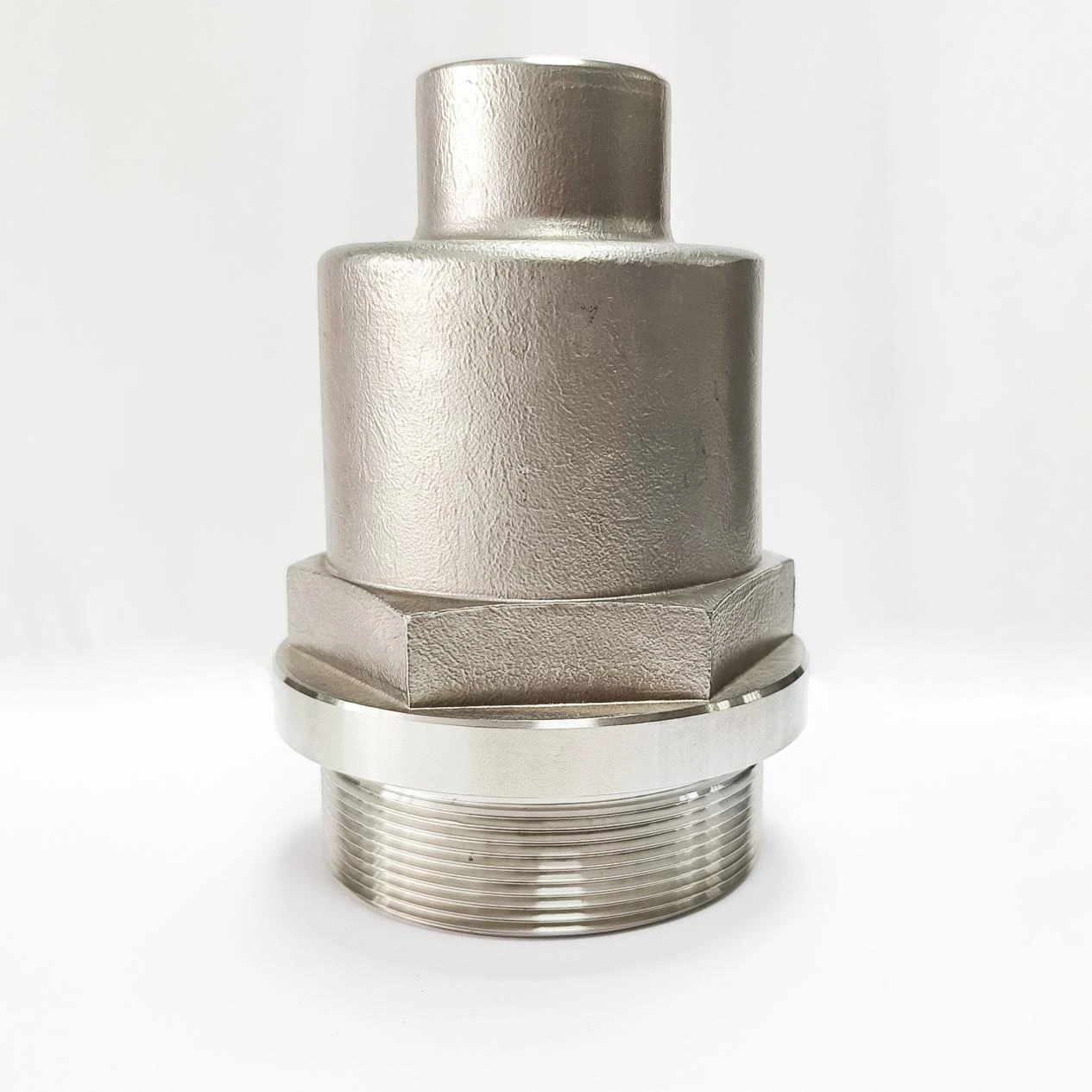
When we talk about brass tap fittings manufacturers, we're dealing with companies that combine experience, materials science, and precision manufacturing to deliver components you almost never see, but definitely depend on every day.
Oddly enough, many engineers I’ve talked to swear by brass fittings for their corrosion resistance and machinability. Brass, as an alloy of copper and zinc, offers this sweet spot between durability and ease of customization. And since taps and fittings often endure harsh water conditions, their resistance to corrosion and scale buildup isn’t just a selling point—it’s essential.
One thing that frequently comes up in conversations is the importance of rigorous testing. Manufacturers who invest in advanced testing methods—like hydrostatic pressure tests and dimensional inspections—end up producing fittings that last decades rather than just a few years. It feels straightforward, but making sure every single piece passes these tests is easier said than done.
Another aspect I’ve observed is the delivery of custom solutions. While many brass tap fittings follow industry standards (think British Standard Pipe - BSP threads or American National Pipe - NPT), the ability to tailor fittings to unique applications is a hallmark of top-tier suppliers. I once worked on a project where a custom fitting design dramatically reduced leak issues on an old campus plumbing system—small change with a big impact.
| Specification | Typical Value |
|---|---|
| Material | CuZn39Pb3 (Standard Brass Alloy) |
| Operating Pressure | Up to 16 bar (232 psi) |
| Thread Types | BSP, NPT, Metric |
| Operating Temperature | -20°C to 120°C |
| Finish | Natural Brass / Nickel Plated |
| Certifications | ISO 9001, RoHS, CE |
Now, if you want to get a feel for who’s leading this space, it’s useful to compare a few recognized manufacturers. Here’s a snapshot that captures some key differentiators:
| Manufacturer | Material Quality | Customization Options | Lead Time | Certifications |
|---|---|---|---|---|
| Mingda Metals | High (CuZn39Pb3) | Extensive | 4-6 weeks | ISO 9001, RoHS, CE |
| BrassPro Inc. | Medium | Moderate | 5-7 weeks | ISO 9001 |
| Global Fittings Ltd. | High | Limited | 3-5 weeks | ISO 9001, CE |
From my perspective, Mingda Metals stands out, especially for projects that demand both quality and customization. Their attention to detail really shows, and frankly, the certifications give me added peace of mind—especially on jobs where compliance is non-negotiable.
Before I wrap this up: buying brass tap fittings isn’t just a quick checkbox in procurement. It’s an investment in reliability and peace of mind. If you’re in the business or simply managing facility infrastructure, you want fittings that behave consistently, not just right out of the box, but years down the line.
In short, while there are plenty of players out there, my long experience tells me to lean towards those who combine solid materials, proven manufacturing expertise, and visible testing protocols—exactly what you get with trusted brass tap fittings manufacturers. It’s like the old saying: “Buy cheap, buy twice” rings especially true here.
Quick takeaway: brass fittings can seem small, but the right manufacturer makes all the difference for durability and safety.