Phone:
+86 18631189888

Email:
liyanhui@bestcastings.cn


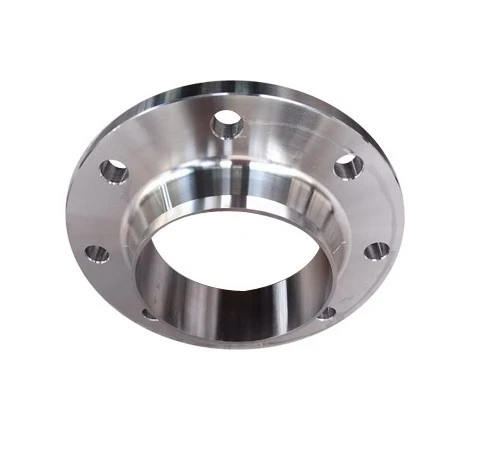
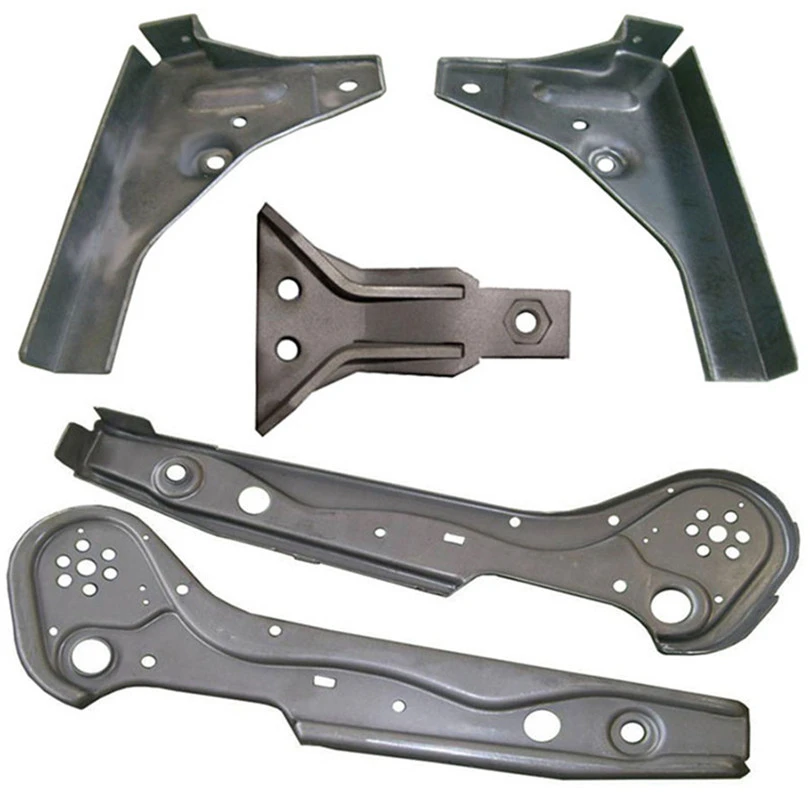
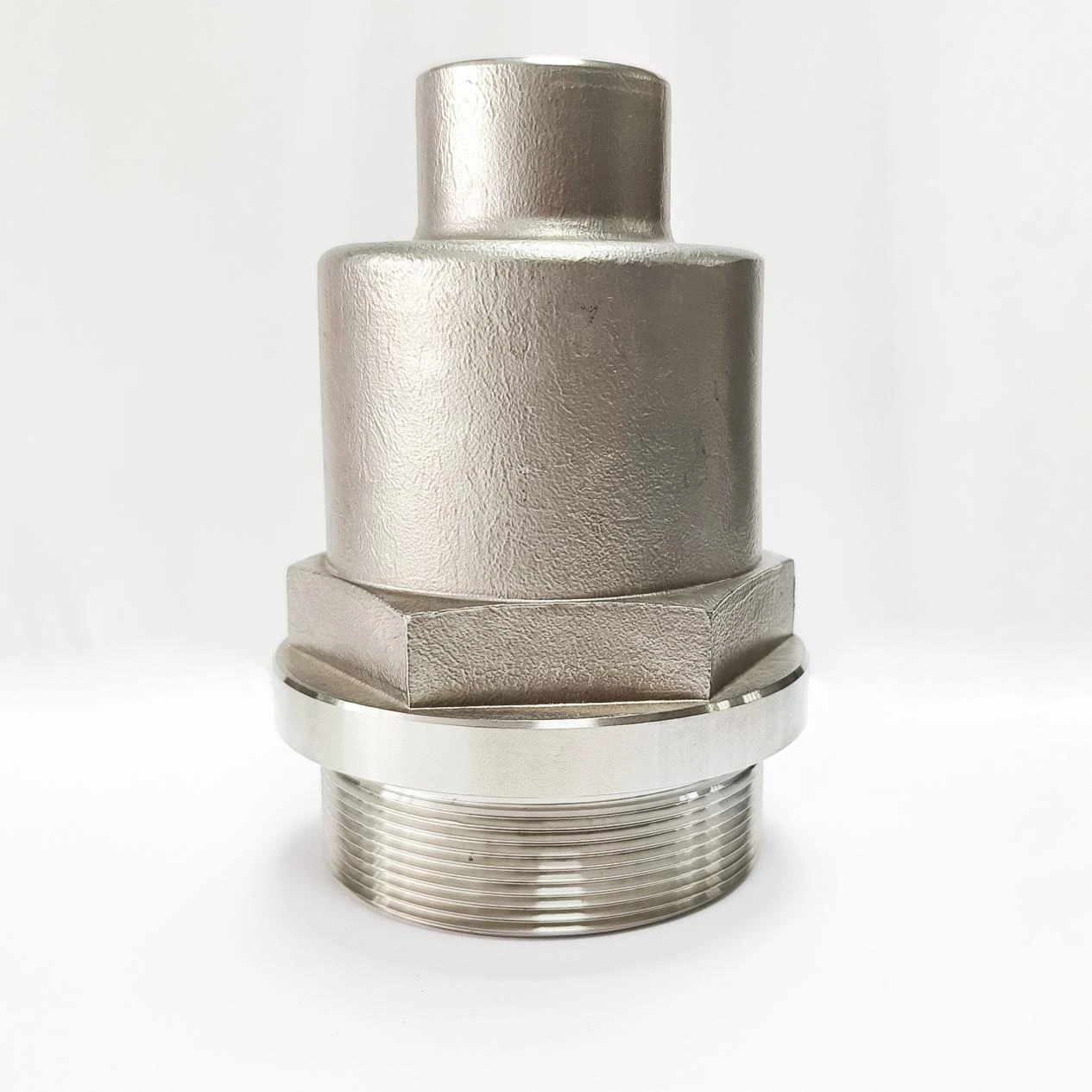
At first glance, “precision stainless steel casting” might just sound like a mouthful of technical jargon — but it’s actually a quiet backbone of many modern industries worldwide. In fact, this meticulous manufacturing process is at the heart of producing components that demand high strength, corrosion resistance, and geometric accuracy all rolled into one. Whether you’re thinking about aerospace engine parts or medical device housings, understanding precision stainless steel casting can illuminate how industries are shaping the future sustainably and efficiently.
Globally, the stainless steel market has surged, expected to reach over $140 billion by 2026 (source: Statista). This growth is intertwined with advances in precision casting, which offers improved durability and reliability over traditional methods. Because of this, mastering the nuances of precision stainless steel casting means better products, safer infrastructures, and even advances in humanitarian efforts like disaster relief equipment.
Mini takeaway: Precision stainless steel casting isn’t just an industrial technique — it’s a global enabler for resilience, innovation, and sustainability.Why should anyone care about this specific manufacturing method? Well, industries worldwide rely on components that are both complex in shape and resistant to harsh environments. According to the International Stainless Steel Forum (ISSF), stainless steel production topped 53 million tonnes in recent years, with a good chunk destined for precision casting.
In real terms, this precision process tackles challenges such as:
Oddly enough, despite the widely known benefits of stainless steel, casting it with precision is surprisingly challenging — which is why expertise here really counts.
In the simplest terms, precision stainless steel casting is a method where molten stainless steel is poured into a carefully engineered mold to form exact, complex parts with tight tolerances. This differs from rough or sand casting in the level of detail, surface finish, and dimensional accuracy achieved.
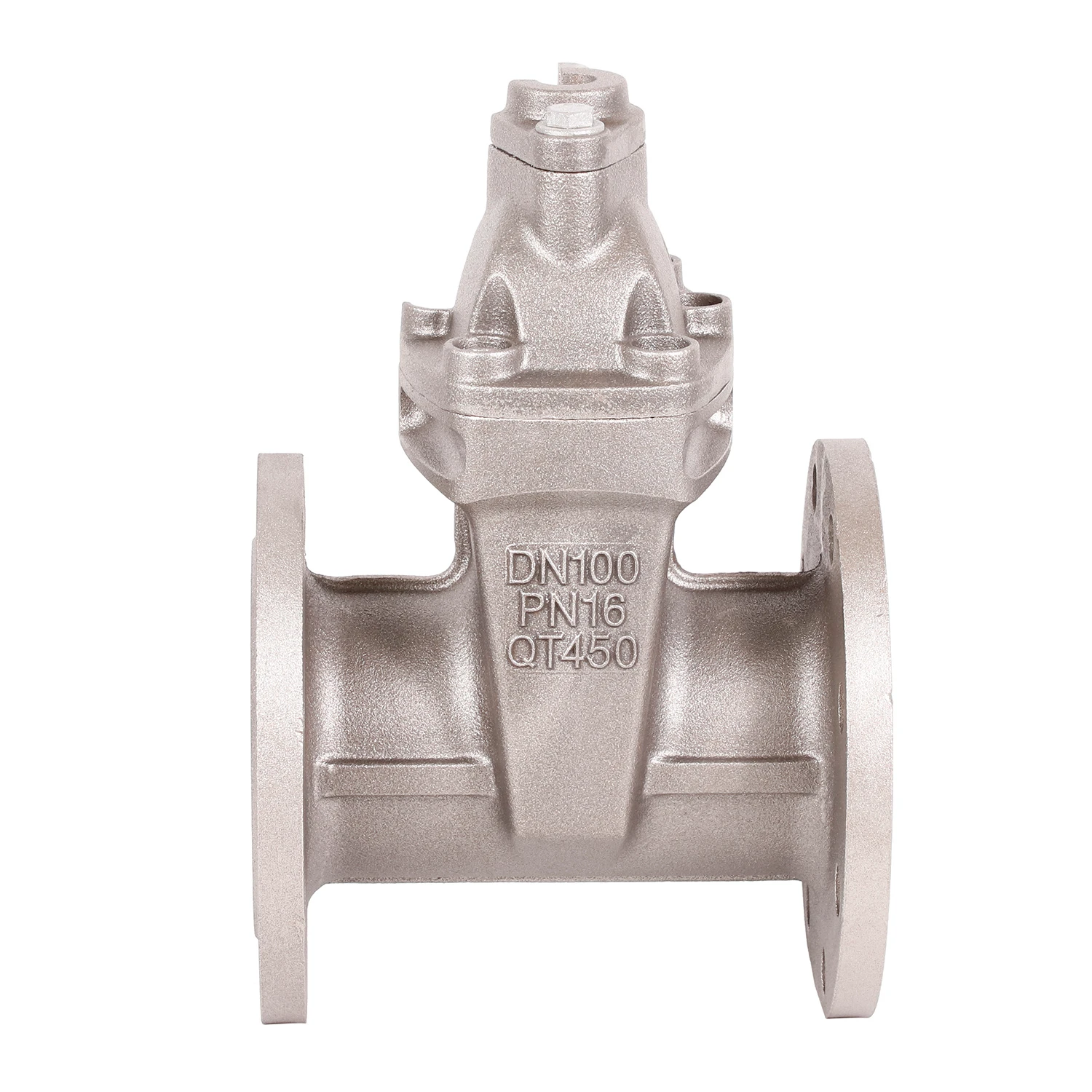
The process plays a crucial role in creating components that go beyond ordinary metal parts — think turbine blades with intricate aerodynamic features or surgical tools where cleanliness and precision are paramount. It links closely to the demands of modern industry and even humanitarian applications; for example, durable stainless steel valves in water purification units deployed during crises.
The stainless steel alloys used must strike a balance of corrosion resistance, strength, and heat tolerance. Popular grades include 316L and 304 — each offering unique benefits depending on the final application.
Molds can be ceramic shell, investment, or other high-precision types. The right mold ensures intricate geometry comes out perfectly without defects or added machining.
Achieving tolerances within ±0.1 mm is often required, necessitating precise temperature control and expert metallurgical know-how.
Heat treatments, polishing, and surface passivation extend the life and improve corrosion resistance while preparing parts for stringent industrial environments.
This process adapts well to both low-volume prototypes and large-scale runs, making it a flexible option for various sectors.
Mini takeaway: Each step — from alloy to finishing — defines the excellence of precision stainless steel casting, matching industry demands.Globally, the applications are diverse and impressive:
For instance, after recent floods in Southeast Asia, precision stainless steel casting parts were integral to rebuilding water purification systems swiftly, ensuring communities had safe drinking water within weeks.
There's a quiet dignity in knowing the marathon valve in a remote hospital’s dialysis machine was made with care and precision — not just slapped together. It’s sort of these emotional undertones combined with logical benefits that build trust.
| Specification | Typical Range | Notes |
|---|---|---|
| Alloy Grades | 304, 316L, 317L | 316L preferred for corrosion resistance |
| Tolerances | ±0.05 – 0.1 mm | Depends on part size & complexity |
| Surface Finish | Ra 0.4 – 1.6 μm | Post-processing polishing common |
| Maximum Part Size | Up to 30 kg per piece | Larger via assembly |
| Lead Time | 3–8 weeks | Varies with complexity |
| Vendor | Lead Time | Min Order Qty. | Price Range | Special Features |
|---|---|---|---|---|
| Mingda Metals | 4–6 weeks | 50 pcs | Mid-high | Custom alloys & rapid prototyping |
| GlobalCast Co. | 6–8 weeks | 100 pcs | Mid-range | Mass production expertise |
| SteelPrecision Ltd. | 3–5 weeks | 30 pcs | Higher | High tolerance & complex geometry |
Okay, so what’s next? Frankly, it feels like the field is on the cusp of a renaissance, driven by several exciting factors:
I suppose these technologies will also drive down costs and speed up turnaround, making precision stainless steel casting more accessible for smaller players. That’s promising for innovation at large.
Not everything is smooth sailing though. Key hurdles include:
Experts recommend close collaboration with foundries, employing Six Sigma quality controls, and embracing continuous training to reduce errors. Some companies also offset costs by modular part designs that can be assembled rather than cast fully.
A: Precision casting uses high-quality molds and controlled processes to achieve exact dimensions and fine surface finishes that traditional sand casting can’t match. It’s ideal for complex, high-tolerance parts.
A: Aerospace, medical, food processing, and energy sectors are prime users due to the necessity for strength, corrosion resistance, and precision.
A: Absolutely. Stainless steel is fully recyclable without loss of quality, making casting an environmentally responsible choice.
A: Yes, foundries like Mingda Metals specialize in tailored alloys based on application needs.
A: Depending on complexity and order size, lead times range from 3 to 8 weeks, with expedited services sometimes available.
In sum, precision stainless steel casting quietly drives innovation across many fields by bringing together durability, precision, and sustainable manufacturing. While there are challenges to navigate, the field’s forward momentum with tech advancements and environmental focus is unmistakable.
Curious to explore how precision stainless steel casting could power your next project? Visit our website for more expert insights and bespoke solutions.
References: