Phone:
+86 18631189888

Email:
liyanhui@bestcastings.cn


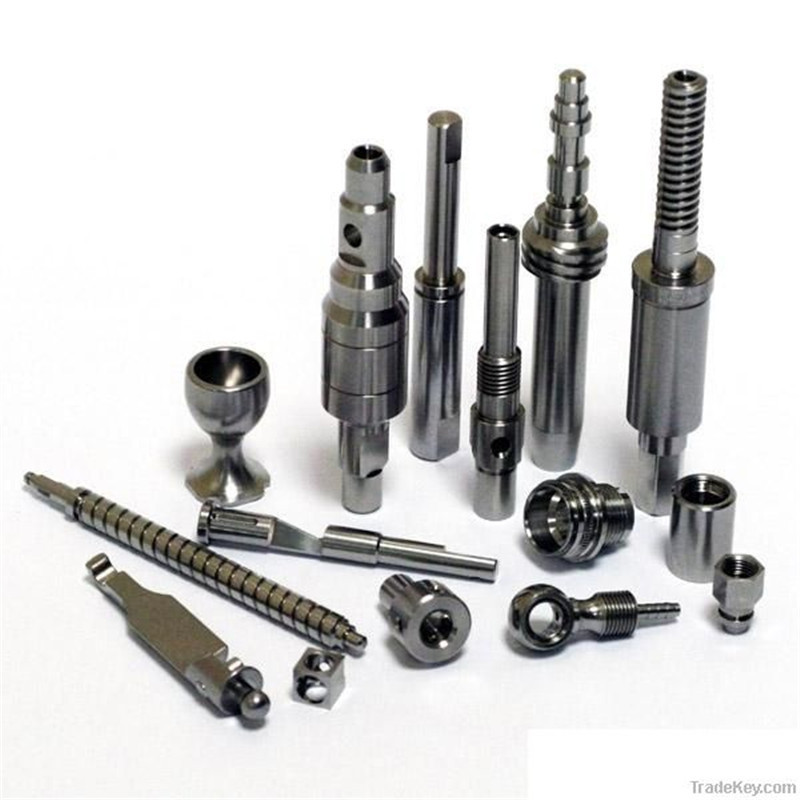
In a world increasingly reliant on intricate machinery and high-performance devices, precision machined components quietly form the backbone of countless industries. From aerospace to medical devices, renewable energy to consumer electronics, these tiny but mighty parts underscore almost every piece of modern technology. But why does this specialty manufacturing deserve a spotlight?
First, understanding precision machined components isn't just about geeky manufacturing jargon — it’s about appreciating the exacting craftsmanship enabling efficiency, safety, and innovation on a global scale. And, frankly, as supply chains get more complex and demanding, these components ensure products do what they say they're meant to do, reliably, every time.
Here's the takeaway: Without these components, many of our technological advancements would either slow down or be far less dependable — a reality that affects not just businesses, but everyday life worldwide.
Globally, manufacturing contributed roughly 16% to the world GDP in recent years, according to the World Bank, with an increasing portion tied to high-precision manufacturing.
The demand for precision machined components is spurred on by rapid growth in sectors like electric vehicles, aerospace, and medical technology, where tolerances in microns can be the difference between success and failure. Yet a serious challenge exists: as global supply chains face disruptions and sustainability pressures mount, manufacturers are pressed to innovate faster, cheaper, and greener.
Simply put, companies need components that not only fit perfectly but are manufactured with minimal waste, robust quality, and global compliancy. Precision machining answers that call, helping bridge gaps while setting new benchmarks.
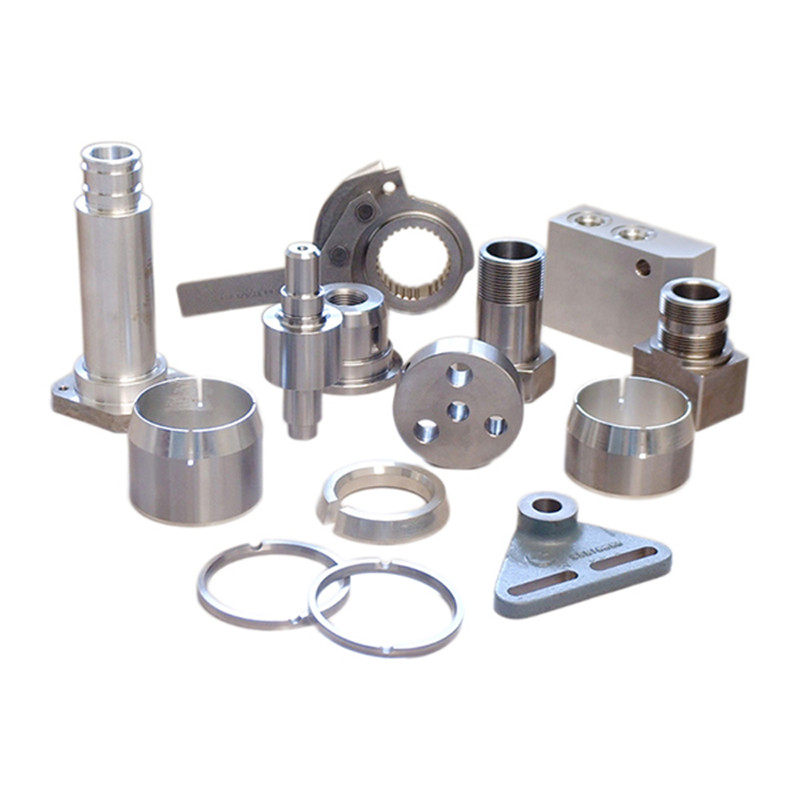
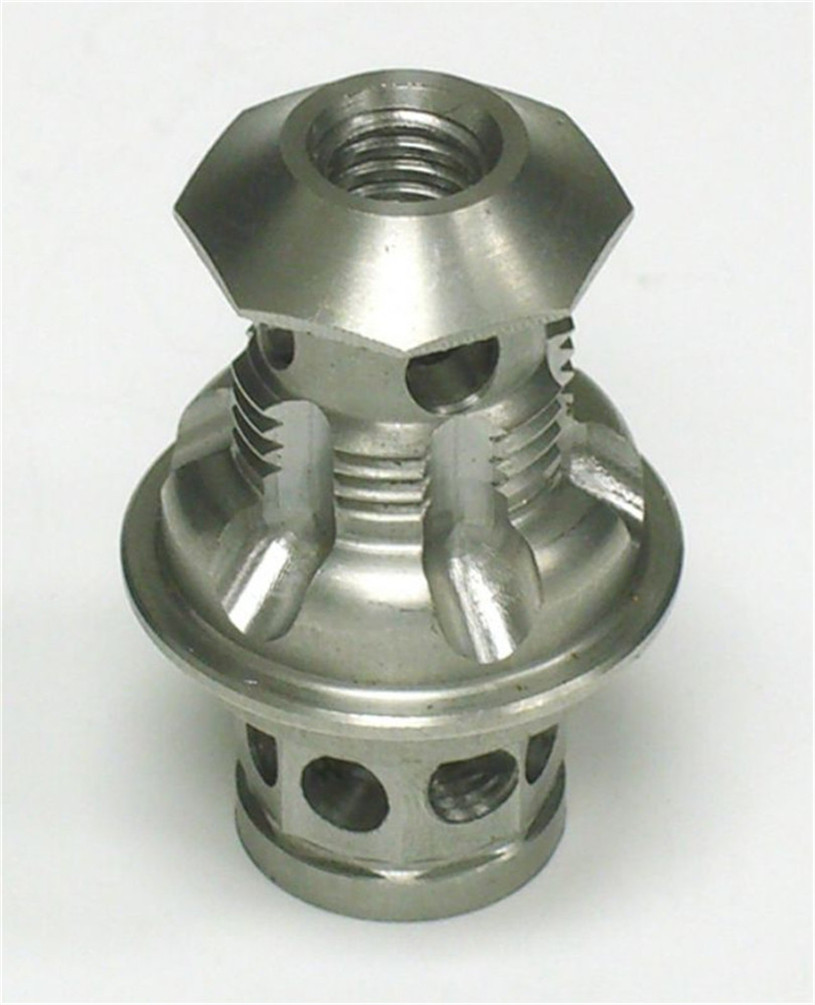
At its core, a precision machined component is any part manufactured through controlled shaping processes—think milling, turning, grinding—that adhere to tight dimensional tolerances. Imagine sculpting metal, plastics, or composites to near-perfect specifications, sometimes down to ten-thousandths of an inch.
Why does that matter? Because precision isn’t just about making things fit — it’s about ensuring safety in aerospace parts, reliability in surgical tools, and performance in high-speed electronics. Plus, these components often support humanitarian technologies too—like medical devices for underserved regions or environmentally conscious energy equipment.
The parts are built to last. Many engineers I spoke to emphasize materials selection and precision finishing as critical. These aspects lower failure rates in things like jet engine parts or industrial valves.
While making one part is one thing, scaling production without losing accuracy is another. Modern CNC (Computer Numerical Control) machinery offers repeatability that helps industries meet massive demand.
It’s not just about upfront expenses, either. Precisely machined parts reduce assembly errors, maintenance downtime, and waste. Over time, this translates to big savings on operation and product lifecycle.
From stainless steels, titanium alloys, to advanced plastics, precision machining can handle a variety of raw materials, allowing components to be tailored for heat resistance, weight reduction, or other needs.
Precision machined components are everywhere, but a few industry hotspots stand out:
Take post-disaster relief efforts, for example. In emergency medical kits deployed in remote areas, precision components allow rugged, lightweight medical tools to function flawlessly despite harsh conditions. Similarly, remote industrial zones rely on these parts to keep heavy equipment operational with minimal intervention.
The practical advantages are clear: precision machined components enhance performance, reduce wear and tear, and improve safety. But there’s an emotional layer here too — the trust users place in these components to keep critical systems from failing.
The future is promising. Additive manufacturing (3D printing) is beginning to merge with conventional machining, enabling hybrid processes that create even more complex parts with less material. Smart factories equipped with AI-powered CNC machines foresee errors and optimize tool paths in real-time.
Materials are evolving too. Lightweight composites and bio-compatible alloys will increasingly replace traditional metals, aligning with global green goals.
Let’s be honest: maintaining ultra-tight tolerances can be painstaking. Tool wear, environmental changes, and complex geometries sometimes make precision machining tricky and costly.
Experts suggest investments in cleaner environments, automated quality monitoring, and machine learning analytics to foresee and prevent deviations. Relentless R&D and collaboration across supply chains are vital. It’s not perfect yet, but progress is steady.
| Specification | Typical Value | Unit |
|---|---|---|
| Dimensional Tolerance | ±0.005 | mm |
| Surface Finish (Ra) | 0.4 - 1.6 | μm |
| Material Types Supported | Steel, Aluminum, Titanium, Plastics | - |
| Max Component Size | 1000 x 500 x 400 | mm |
| Typical Lead Time | 2-6 | weeks |
| Vendor | Material Range | Industries Served | Lead Time | Certifications |
|---|---|---|---|---|
| Mingda Metals | Steel, Aluminum, Titanium | Aerospace, Medical, Automotive | 3-5 weeks | ISO 9001, AS9100 |
| Precision Parts Co. | Plastics, Aluminum | Consumer Electronics, Automotive | 4-6 weeks | ISO 13485 |
| Global Machining Ltd. | Steel, Titanium | Defense, Aerospace | 2-4 weeks | ISO 9001, ITAR |
So, all in all, it feels like mastering the art and science of precision machining is a subtle but powerful lever for global progress. Behind every reliable car engine, medical device, or aircraft are these expertly crafted parts, quietly ensuring the world keeps moving.
For those interested in exploring more industry insights or sourcing precision machined components, Mingda Metals offers an impressive portfolio backed by decades of expertise and international certifications.